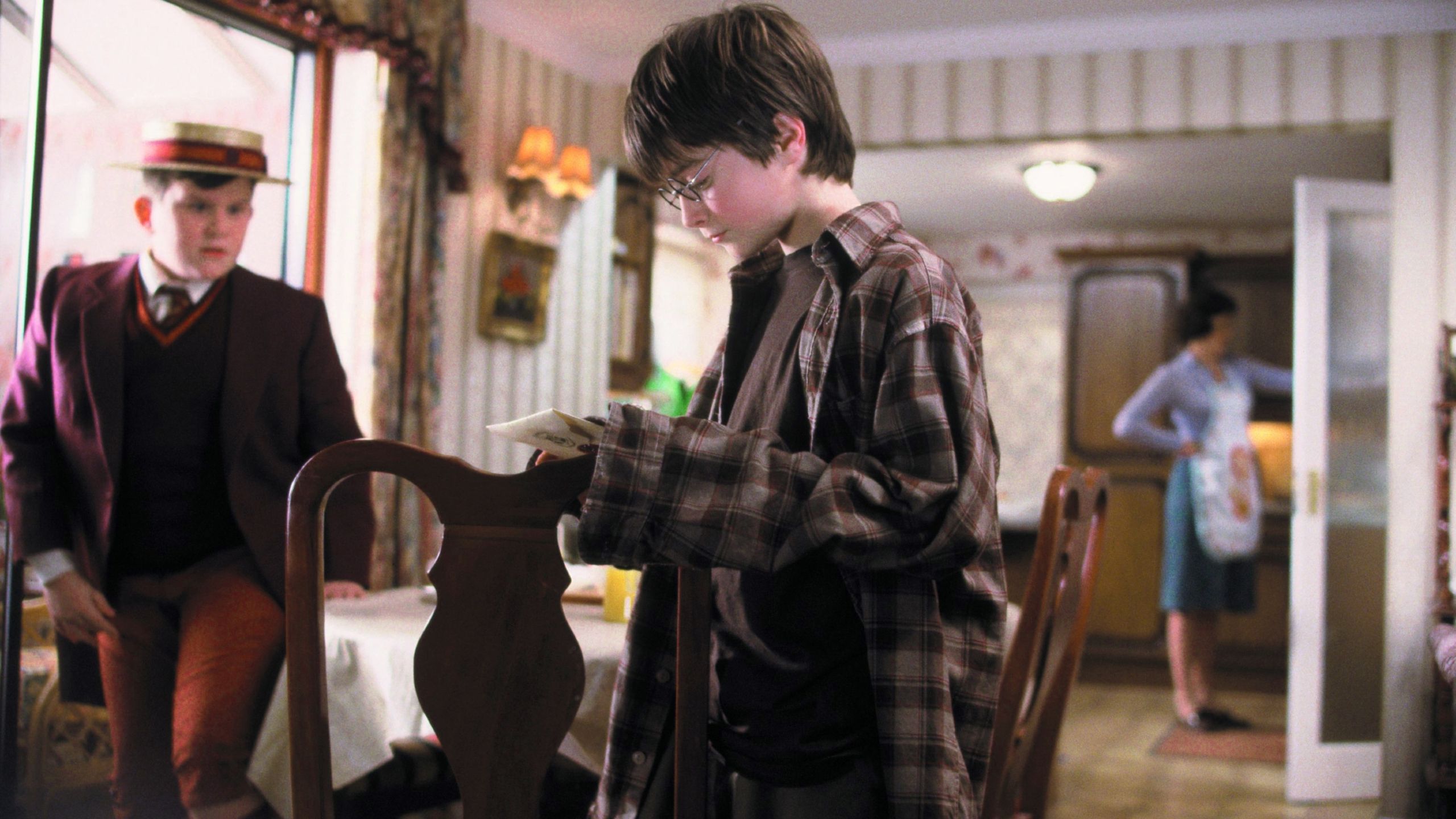
Although the Harry Potter movies are popular, an HBO TV series offers several advantages. The biggest difference is length – a TV show can explore more of the story. The movies, unfortunately, had to leave out many important plotlines from the books.
The Warner Brothers’ Harry Potter films left out significant character backgrounds, like the story of the Marauders in Prisoner of Azkaban, sidelined important themes such as Hermione’s S.P.E.W. campaign in Goblet of Fire, and even completely omitted some characters from the books. The new HBO series, however, will have more time and space to include these detailed and complex parts of the story.
Production of the stage play has a unique advantage over the films: we already know the entire story. The movies began development while the Harry Potter books were still being written, meaning filmmakers were creating adaptations without knowing how the series would conclude.
With the entire book series finished, we can now retell the story from the start, giving us more time and the ability to add better hints about what’s to come. In the earlier movies, important storylines and characters, like Harry’s relationship with Ginny and Neville, weren’t developed enough, which caused problems as the series went on.
The upcoming HBO television series based on Harry Potter will benefit from having more time to tell the story and a complete grasp of its overall plot. Although the films successfully conveyed the adventure of the books, the series will be able to explore the rich details, complex mythology, and carefully foreshadowed elements that weren’t fully realized on the big screen.
Which Storylines HBO’s Harry Potter Can Hint At Early
The HBO series has a unique opportunity to hint at future events with intentionality. The source novels are packed with details that only make sense later on, and the show can embrace this type of slow-burn, carefully planned storytelling right from the beginning.
The Horcruxes are a good illustration of this. In the Harry Potter movies, their behavior is often confusing – they sometimes seem to have a life of their own and actively draw Harry’s attention. However, in the books, they are much more clearly presented as fragments of Voldemort’s soul. Dumbledore recognizes this, which is why he correctly guesses they would be objects with strong personal meaning or historical importance, not just anything at random. A story can subtly introduce these kinds of objects and this idea early on, so when their true nature is revealed, it feels natural and well-planned, rather than added in later.
Dumbledore’s character could be developed more consistently throughout the series. While the films show his kindness and quirks, they don’t always highlight how strategic and calculating he truly is. The change in actors after Richard Harris’s death was a challenge, but a longer, continuous performance could really emphasize Dumbledore’s subtle manipulations and careful long-term plans, making his impact feel more deliberate. The series could also explore his sexuality more organically through flashbacks or storylines, adding depth not fully present in the books.
Alan Rickman knew the true reasons behind Snape’s actions, which informed his performance, though the script itself wasn’t changed. While his acting suggested Snape’s depth, the movies – particularly Half-Blood Prince – didn’t fully explore his complicated history. A TV series could delve into Snape’s motivations more thoroughly, giving his emotional journey the impact it deserves.
Previous decisions to reduce the roles of characters like Winky and Dobby in Goblet of Fire created problems later on, especially when developing the story of Kreacher. These earlier cuts made it harder to build a strong house-elf storyline.
The same issue applies to the character of Rufus Scrimgeour, the Minister of Magic. Because he appears late in the story, the political conflict he brings doesn’t have as much impact. If the show had more time to develop these storylines slowly, the resulting conflicts would feel natural and earned, rather than sudden and jarring.
Now that we know how the characters’ relationships will ultimately unfold, the films can show more subtle hints of attraction and keep those feelings consistent throughout the story. It’s important to continue featuring Ginny, as developing her friendship with the main character will make their eventual romance feel more natural. Likewise, the story can emphasize the longing between Ron and Hermione, knowing they are destined to be together.
Is Better Foreshadowing Enough To Make A Harry Potter Remake Worthwhile?
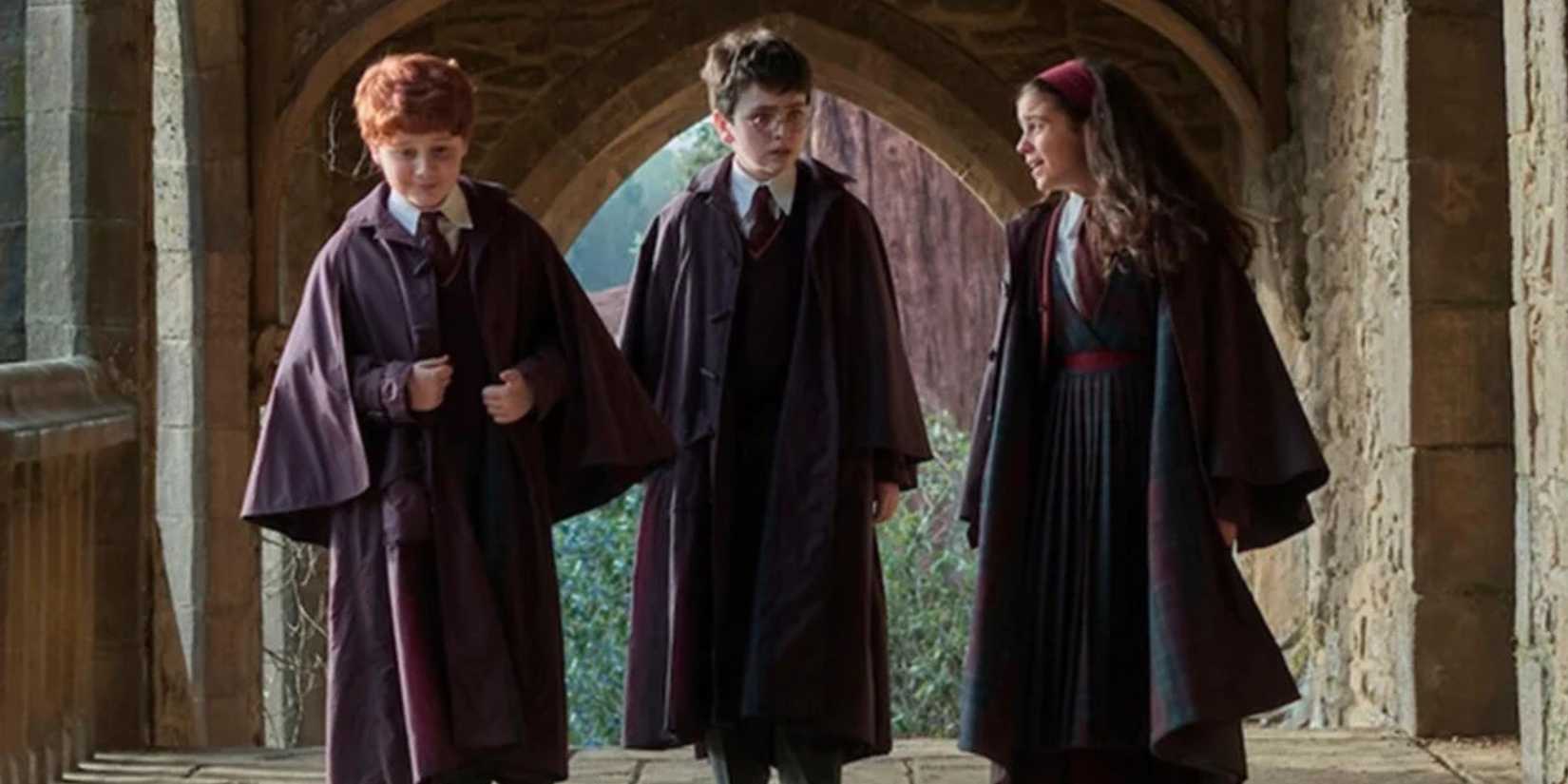
The first movies definitely have a special appeal, and it was a real challenge to bring a book series to the screen while the author was still writing it. Filmmakers had to make quick decisions, and surprisingly, many of those choices ended up working well for each movie.
The movie Order of the Phoenix streamlines the story by removing several subplots, such as the trip to St. Mungo’s, Quidditch matches, and the issues with Percy Weasley. This makes the film more focused and fast-paced. However, these cuts created issues for later movies; for example, Neville Longbottom’s difficult past is not fully developed, which diminishes the impact of his actions in the final film.
Instead of feeling like a powerful conclusion built over time, this moment feels pleasant but ultimately unimportant. This simplification doesn’t just impact the characters; it diminishes the overall story’s impact. This is where a remake could make sense – not because the original was bad, but because it was limited by what it could achieve.
| Harry Potter: Book vs. Movie | ||
|---|---|---|
| Title | Book Length (Audio) | Movie Runtime |
| Sorcerer’s Stone | 8 hrs 33 min | 2 hrs 32 min |
| Chamber of Secrets | 9 hrs 8 min | 2 hrs 41 min |
| Prisoner of Azkaban | 11 hrs 49 min | 2 hr 22 min |
| Goblet of Fire | 20 hrs 53 min | 2 hrs 37 min |
| Order of the Phoenix | 26 hrs 29 min | 2 hrs 18 min |
| Half-Blood Prince | 18 hrs 55 min | 2 hrs 33 min |
| Deathly Hallows | 21 hrs 37 min | 4 hrs 36 min (Parts 1 & 2 combined) |
With an ongoing series, creators have the chance to not only fix past mistakes, but also to build a stronger foundation for the story going forward. While improved foreshadowing isn’t the only benefit of revisiting a story, it’s a significant one. It enables characters, relationships, and the story’s overall world to develop thoughtfully from the start, instead of feeling like afterthoughts added later.
The movies sometimes felt disjointed because different directors worked on each one. A TV series can create a more consistent story and visual style. This benefits book fans by offering a more complete and unified adaptation, and it gives new viewers a chance to experience the full magic of Harry Potter as a seamless cinematic experience.
Read More
- Last Furry: Survival redeem codes and how to use them (April 2026)
- Honor of Kings April 2026 Free Skins Event: How to Get Legend and Rare Skins for Free
- Gear Defenders redeem codes and how to use them (April 2026)
- Clash Royale Season 83 May 2026 Update and Balance Changes
- Gold Rate Forecast
- Brawl Stars April 2026 Brawl Talk: Three New Brawlers, Adidas Collab, Game Modes, Bling Rework, Skins, Buffies, and more
- Brawl Stars Starr Patrol Skins: All Cosmetics & How to Unlock Them
- Silver Rate Forecast
- Laura Henshaw issues blunt clap back after she is slammed for breastfeeding newborn son on camera
- Total Football free codes and how to redeem them (March 2026)
2026-05-02 17:23