Nostalgia often makes us remember things better than they were. Popular shows and movies from the ’90s seem amazing when we revisit them, but it’s easy to see flaws now that we’re older. When something is incredibly popular, people tend to defend it strongly, and criticism can feel like a personal offense, preventing honest discussion.
These older shows aren’t necessarily bad, but they’ve become dated. While many were hugely influential and shaped anime as we know it, looking back, it’s clear they have flaws. Issues with pacing, underdeveloped characters, and storytelling techniques that don’t work as well today are often overlooked because of their historical importance. Modern anime has simply improved in writing, production, and audience expectations, making it hard for these classics to compete with current standards.
Pokémon’s Formula Becomes Exhausting When Ash Never Actually Grows
When I was a kid, each new episode of the show felt full of potential. But looking back as an adult, it’s clear that most of the series is just filler. Ash goes through similar emotional experiences repeatedly, but doesn’t really grow as a character. The excitement of discovering a new Pokémon each week fades when you realize the story doesn’t actually progress much.
The original Pokémon anime ran for over 200 episodes, and eventually, the story felt like it wasn’t really going anywhere. Other anime, like Hunter x Hunter, showed that action-adventure shows could be exciting and develop their characters – something the original Pokémon series didn’t really focus on.
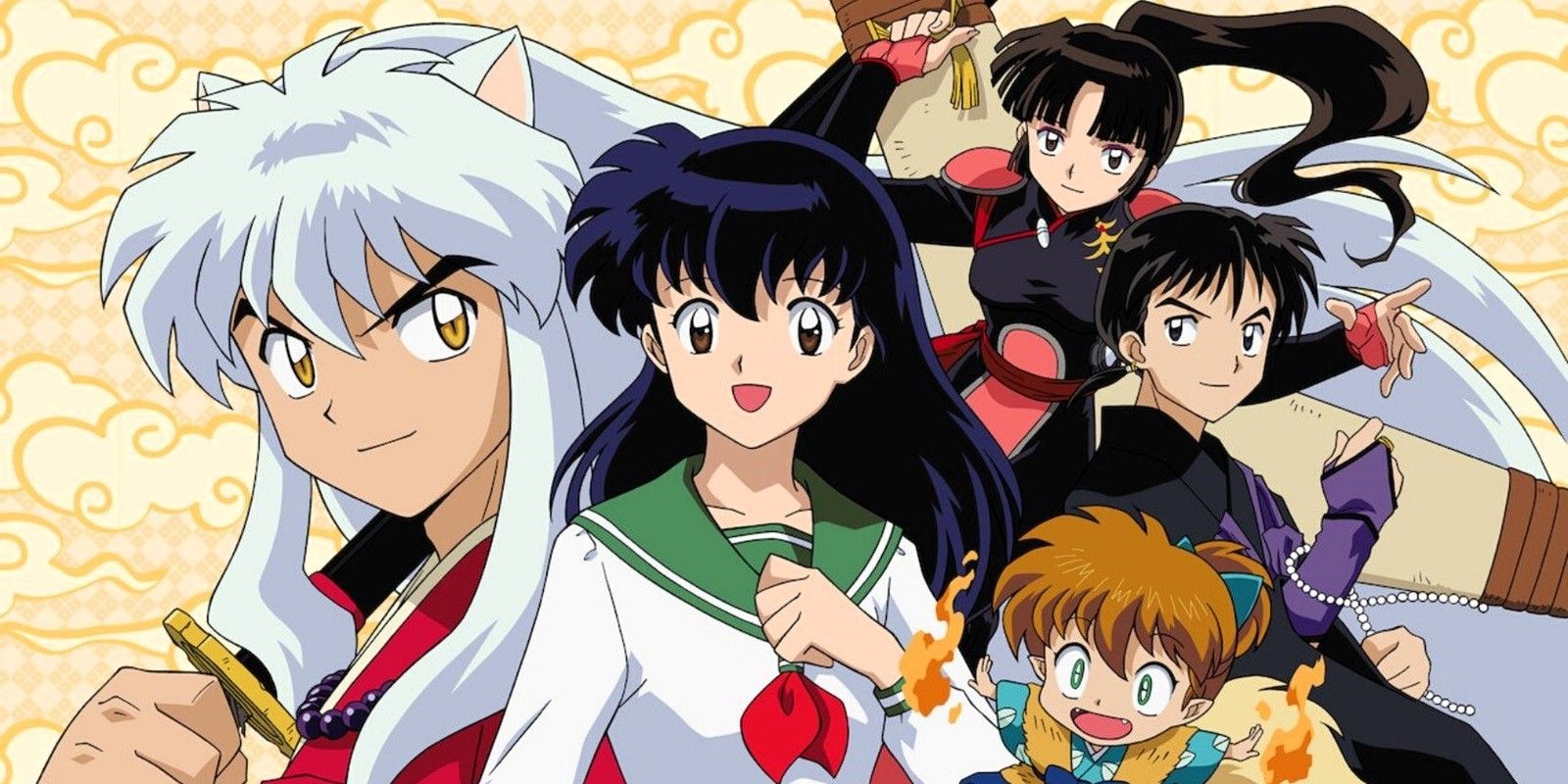
Inuyasha’s Central Romance Stays Stuck in Neutral for Over 100 Episodes
The original Inuyasha series creates a captivating world and starts with a really interesting premise. However, going back to watch it now shows how often the show builds up to something but then doesn’t deliver. The love story between Inuyasha, Kagome, and Kikyo feels repetitive for over a hundred episodes, and the villain, Naraku, manages to evade capture so many times that his plans become predictable and lose their impact halfway through the series.
The show’s slow pace wasn’t a mistake; it was built into its design. Inuyasha was created to stay close to the manga it was based on, so it intentionally slowed down to avoid getting ahead of the story. Knowing the story had a planned ending makes the original series’ tendency to revisit the same points feel even more annoying when you look back on it.
The Third Season of Rurouni Kenshin Effectively Killed the Original Anime
The Kyoto Arc is widely considered a high point of the original Rurouni Kenshin anime, making its subsequent decline particularly noticeable. After the manga finished its main story, the show filled a whole third season with new, original episodes that fans didn’t like, ultimately leading to its cancellation. While limited animation and the use of static images were common ways to save money at the time, they now stand out more to viewers who are used to today’s higher production quality.
The 2023 remake of Rurouni Kenshin proves that the show’s central storyline is truly excellent. While the original anime is well-remembered, a lot of its episodes were filler content that the creators didn’t particularly want to make.
Digimon Adventure’s Cast Is More Unbalanced Than Nostalgia Suggests
The show remains popular thanks to its strong emotions and memorable music, but watching it again reveals an imbalance in how much focus each character receives. Tai and Matt consistently take center stage, leaving Mimi, Joe, and Izzy feeling less and less important as the story goes on. While the DigiDestined were presented as a team where everyone mattered, the show actually feels like it primarily focuses on Tai and Matt, with the other characters playing smaller roles.
The 2020 revival showed how much more compelling the characters could be with more development. Watching the original now, it’s clear the limited character work for many of them wasn’t a charming part of its time, but a real lost potential.
Dragon Ball Z’s Fight Scenes Are a Patience Test by Modern Standards
Dragon Ball Z pioneered many of the visual techniques we see in action anime today, but its slow pacing now feels quite drawn-out. A prime example is the Frieza Saga, where a simple five-minute countdown was stretched over several episodes because the anime needed to stay ahead of the original manga. Modern shows focus more on moving the story forward, while Dragon Ball Z often used lengthy power-up sequences, exaggerated reactions, and drawn-out screaming to fill time.
Years after the original aired, Dragon Ball Z Kai was released as a streamlined version. It directly addressed criticisms of the original by cutting out almost half of the episodes, removing unnecessary scenes and extending the story. The fact that many fans now prefer Kai shows how much better it is compared to the original series.
Sailor Moon’s Near-200-Episode Run Requires Real Commitment to Its Formula
The original Sailor Moon anime is incredibly important to the magical girl genre, but its 200 episodes can be tough for today’s viewers. Many episodes follow a similar pattern: a villain sends a monster, Sailor Moon defeats it, and a lesson is learned. While enjoyable at first, this formula repeats throughout the five seasons and with each new villain, becoming quite repetitive.
The editing showed that the heart of the story remained strong even when trimmed down. The original version was quite long, in part to ensure the show had enough episodes to stay on the air – meaning a significant amount of screen time was used to simply meet broadcast requirements, not to advance the plot.
Yu Yu Hakusho Earns Its Reputation and Then Squanders It
What makes Yu Yu Hakusho special is that it avoids the pitfalls of many other action series. The story moves at a good pace, and the main character, Yusuke, undergoes a believable and compelling transformation from a troublemaker into someone much more complex. Plus, the Dark Tournament is considered one of the best-structured story arcs in the genre. Unlike series like Dragon Ball Z, Inuyasha, and Sailor Moon, it doesn’t rely heavily on unnecessary filler episodes.
The final part of Yu Yu Hakusho feels a little dated, which makes it clear that the creator, Yoshihiro Togashi, lost some of his passion for the series. The final arc, involving the Three Kings, feels like it was building towards something that never quite happened. Fans of Togashi’s other work, Hunter x Hunter, will recognize this tendency – he often sets up big conclusions that he then has trouble finishing.
Neon Genesis Evangelion’s Psychological Ambiguity Reads Differently After 30 Years
Neon Genesis Evangelion was a groundbreaking mecha anime that used the tropes of the genre to explore the inner lives of teenagers. While it was considered unique and forward-thinking when it first aired in the 90s, revisiting it now sparks different reactions. The show’s intentionally disjointed narrative and famously ambiguous ending can feel either brilliantly ahead of its time or simply unsatisfying, depending on how much uncertainty a viewer can tolerate.
The Rebuild films have significantly changed how people interpret the original series. With its consistently dark atmosphere across all 26 episodes, the story demands a lot from viewers. What was once seen as profound complexity now sparks discussion about whether the series’ confusing parts were deliberately created or resulted from problems during production.
Ranma ½’s Central Comic Premise Has Aged Poorly
The comedy in Ranma ½ heavily relied on the main character’s ability to switch between male and female forms, a source of over-the-top physical humor popular in the 1990s. However, watching it now, the constant use of gender transformation as the basis for jokes feels outdated to modern viewers. While the jokes aren’t meant to be harmful, seeing them repeated throughout the show’s 161 episodes can become repetitive and tiresome.
The fight scenes and overall cast are still quite good, and the 2024 remake proved people still enjoy the show with a modern update. However, one particular joke just hasn’t aged well and doesn’t land as intended.
Tenchi Muyo! Offers Almost Nothing to the Passive Protagonist at Its Center
Tenchi Muyo! was one of the first popular series to define the ‘harem’ genre, and while important historically, it also showcases many of the genre’s common problems. The main character, Tenchi, isn’t very well developed, and despite the other characters revolving around him, we don’t get a strong sense of who he is. The show has some funny and exciting moments, but it asks viewers to accept a central character who feels more like a plot device than a real person.
Many recent isekai and harem anime try to playfully twist the usual tropes, but Tenchi Muyo! presents them very directly. Because of this, revisiting the original series feels more like looking at where the genre came from than enjoying a compelling story with well-developed characters, by today’s standards.
Read More
- Last Furry: Survival redeem codes and how to use them (April 2026)
- Gold Rate Forecast
- Clash of Clans: All the Ranked Mode changes coming this April 2026 explained
- COD Mobile Season 4 2026 – Eternal Prison brings Rebirth Island, Mythic DP27, and Godzilla x Kong collaboration
- Brawl Stars April 2026 Brawl Talk: Three New Brawlers, Adidas Collab, Game Modes, Bling Rework, Skins, Buffies, and more
- Gear Defenders redeem codes and how to use them (April 2026)
- The Mummy 2026 Ending Explained: What Really Happened To Katie
- Honor of Kings April 2026 Free Skins Event: How to Get Legend and Rare Skins for Free
- Razer’s Newest Hammerhead V3 HyperSpeed Wireless Earbuds Elevate Gaming
- FC Mobile 26 TOTS (Team of the Season) event Guide and Tips
2026-04-27 03:19