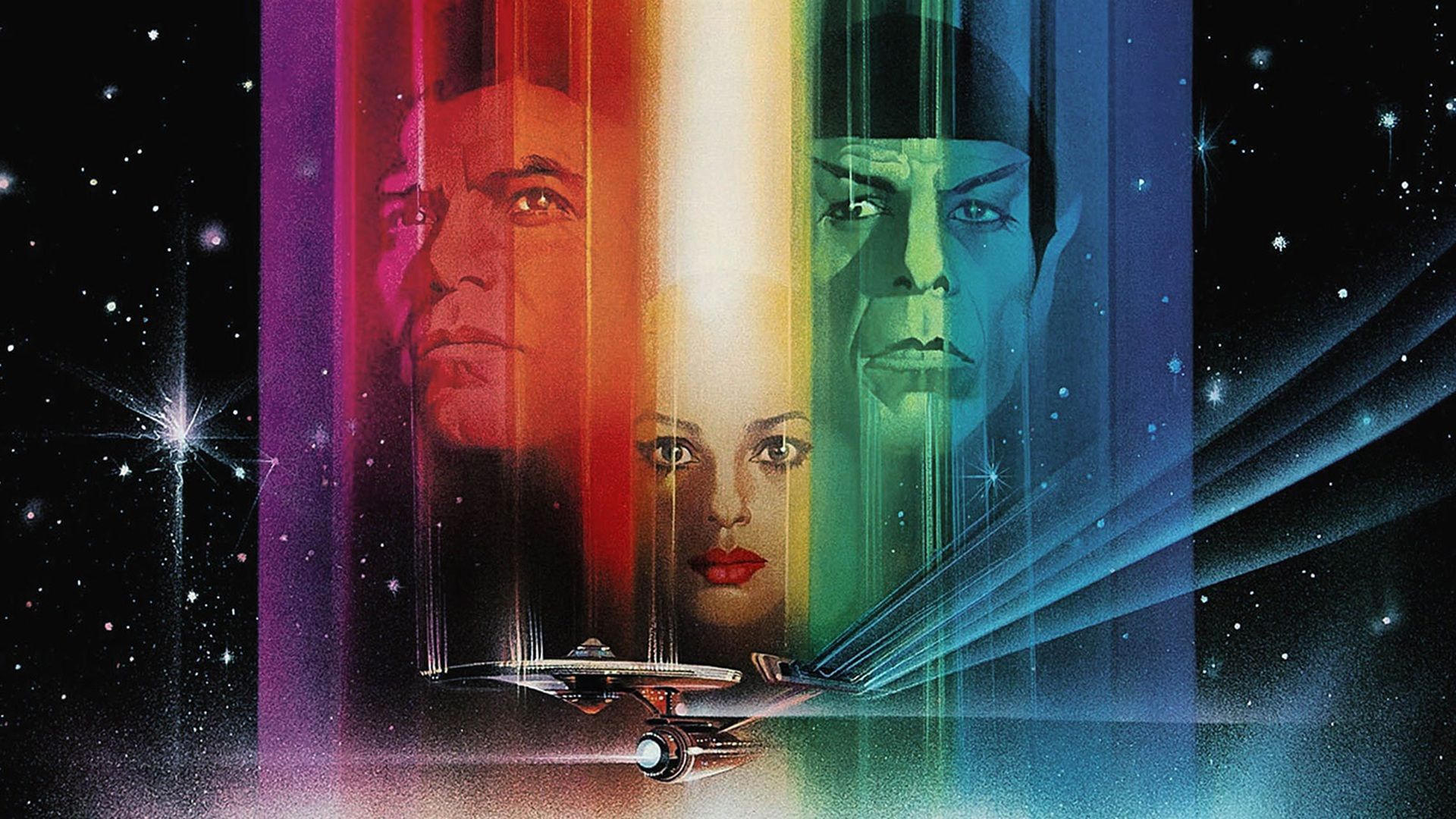
With the 60th anniversary approaching, Paramount Pictures is determined to bring the world created by Gene Roddenberry back to the big screen. Despite several attempts over the last ten years, nearly a dozen potential movies haven’t gotten off the ground, similar to the challenges faced with the original film, Star Trek: The Motion Picture. CEO David Ellison and his team would be wise to examine that first movie, as it reflects the issues they’re currently facing.
Paramount Pictures is dealing with significant debt, especially with the recent acquisition of Warner Bros. Looking back at their history, they actually revived the Star Trek franchise in the 1970s by first re-releasing it on television after years of unsuccessful attempts. This shows that revisiting older ideas can sometimes be the key to a successful reboot – something Paramount hopes to achieve now.
It Is Impossible to Make a Star Trek Movie Without Building on Its Television Foundation
Despite failing to make another Star Trek movie for a decade after Star Trek Beyond, Alex Kurtzman’s production company, Secret Hideout, created more Star Trek TV shows than had been made in the previous fifty years. When Paramount originally acquired Desilu, Star Trek appeared to be a costly mistake, considering the terms of the deal. To help cover costs, Paramount shared production expenses with NBC, which in turn received the rights to show the series in reruns.
Surprisingly, Star Trek became even more popular after its initial run on television when it was shown in syndication. In 1975, Paramount decided to capitalize on this by creating a Star Trek movie, hoping it would continue to attract viewers on television for years to come. At the time, making a film based on a canceled show seemed like a risky idea. Nowadays, that’s a common practice. However, instead of building on the show’s established history, Paramount is aiming for box office success with a completely new spaceship and crew.
Besides Gene Roddenberry, other writers such as Jon Povill and Phillip Kaufman also contributed ideas. Because no television show had ever been adapted into a film before, they could have freely used the names Star Trek and Enterprise for something completely different. However, even the creators of the original pitch, The Billion-Year Voyage, understood the importance of keeping the core characters intact. Despite the show’s focus on complex themes and social commentary, it was the characters who truly defined the Star Trek universe.
Paramount Gave Up on a Star Trek Movie and Decided on a New TV Show Instead
Paramount always wanted to create a dedicated network built around Star Trek. When initial attempts to find other creators didn’t work out, they had to rely on Gene Roddenberry to make it happen. The original idea, called Phase II, was to feature a mostly new cast with occasional appearances from the original series stars. They invested heavily, ordering scripts, building sets, and even filming test scenes with actors. This situation is actually quite similar to how Paramount+ (originally CBS All Access) launched, using Star Trek: Discovery as its main draw.
A major shift occurred when the first Star Wars and Close Encounters of the Third Kind films became huge successes. Paramount, changing its plans for a new television network, informed Roddenberry of this. Instead of introducing new characters as some others intended, the focus shifted back to the characters from The Original Series. Although the original cast was hesitant about returning to television, they were all excited by the chance to star in movies, even Leonard Nimoy, who was famously reluctant.
Looking back at the making of the first Star Trek movie, it’s clear Paramount made a smart call bringing Gene Roddenberry back into the fold. They quickly realized nobody else had the deep understanding of the show needed to pull it off. But getting the film made wasn’t easy. The production was plagued with issues, particularly with the special effects, and the creative process became a real battleground. Roddenberry was producing, and the screenwriter, Harold Livingston – and based on everything he’s said in interviews and documentaries like The Center Seat, he really didn’t care for Roddenberry. Ultimately, the friction resulted in a Star Trek film that just didn’t feel like Star Trek, and Paramount… well, they had a problem on their hands.
Paramount Risks Making All the Same Mistakes That Hurt Star Trek: The Motion Picture
The studio hoped for a blockbuster like Star Wars, filled with action and visual effects. However, Roddenberry envisioned a more thoughtful, complex story about overcoming a mysterious enemy, culminating in the birth of a new, advanced being. Sadly, both critics and audiences found it dull. Many felt the characters lacked the engaging personality, humor, and adventurous spirit that made the original Star Trek series so popular. If the next Star Trek movie drastically departs from what fans loved about the show, it risks repeating this same failure.
Even though the first Star Trek movie went way over budget, it still made money and led to another film. When the original creator, Gene Roddenberry, was replaced, they hired a seasoned television producer who was known for making the most of limited funds. Surprisingly, neither he nor the writer and director, Nicholas Meyer, were fans of Star Trek themselves. However, instead of ignoring the existing series, they studied it closely to understand the characters and their dynamics. They even brought back a villain from the first season’s episode, “Space Seed.” Ultimately, The Wrath of Khan succeeded because it felt like a very high-budget episode of the original Star Trek series.
Towards the end of 2025, the new owners of the studio announced that Star Trek 4 wouldn’t be made. As a consolation, they revealed plans for two new Star Trek movies: a reboot with a fresh storyline from Jonathan Goldstein and John Francis Daley, and a film detailing the origins of the franchise, intended to be written by Seth Grahame-Smith and directed by Toby Haynes. This explains why David Ellison avoided directly announcing a new movie – he quietly let it slip that the origin story film was canceled. Like the original Star Trek movie back in 1975, writers have repeatedly attempted to get another film off the ground, with limited success. However, unlike in 1975, Star Trek is currently enjoying a golden age on television with many shows being produced.
Rather than capitalizing on its potential, Paramount appears to be overlooking the success of the Kelvin timeline. This is particularly strange considering David Ellison and Skydance previously collaborated with Alex Kurtzman on Star Trek Into Darkness, which was the most financially successful Star Trek film since The Motion Picture (without accounting for inflation). Although some projects from Kurtzman’s Secret Hideout have received mixed reactions – a common trend in Star Trek‘s history – others have been highly praised.
Recent Star Trek shows like Strange New Worlds, Season 3 of Picard, and the animated series Lower Decks and Prodigy have generally been well-received by both critics and fans. Like past series such as Deep Space Nine, Voyager, and Enterprise, these shows are building an audience over time. Paramount is making a smart move by focusing on its established Star Trek franchise for its next big science fiction hit. Their first film, The Motion Picture, offers valuable lessons – understanding what worked and didn’t work in that film is key to ensuring future success.
You can now buy Star Trek: The Motion Picture on DVD and Blu-ray, or watch it online through digital retailers and streaming on Paramount+.
Found an error? Send it so it can be corrected.
Read More
- Last Furry: Survival redeem codes and how to use them (April 2026)
- Clash of Clans “Clash vs Skeleton” Event for May 2026: Details, How to Progress, Rewards and more
- Clash of Clans May 2026: List of Weekly Events, Challenges, and Rewards
- Gear Defenders redeem codes and how to use them (April 2026)
- Neverness to Everness Hotori Build Guide: Kit, Best Arcs, Console, Teams and more
- Brawl Stars April 2026 Brawl Talk: Three New Brawlers, Adidas Collab, Game Modes, Bling Rework, Skins, Buffies, and more
- Brawl Stars Damian Guide: Attacks, Star Power, Gadgets, Hypercharge, Gears and more
- The Division Resurgence Best Weapon Guide: Tier List, Gear Breakdown, and Farming Guide
- Total Football free codes and how to redeem them (March 2026)
- Clash Royale Season 83 May 2026 Update and Balance Changes
2026-05-06 16:07