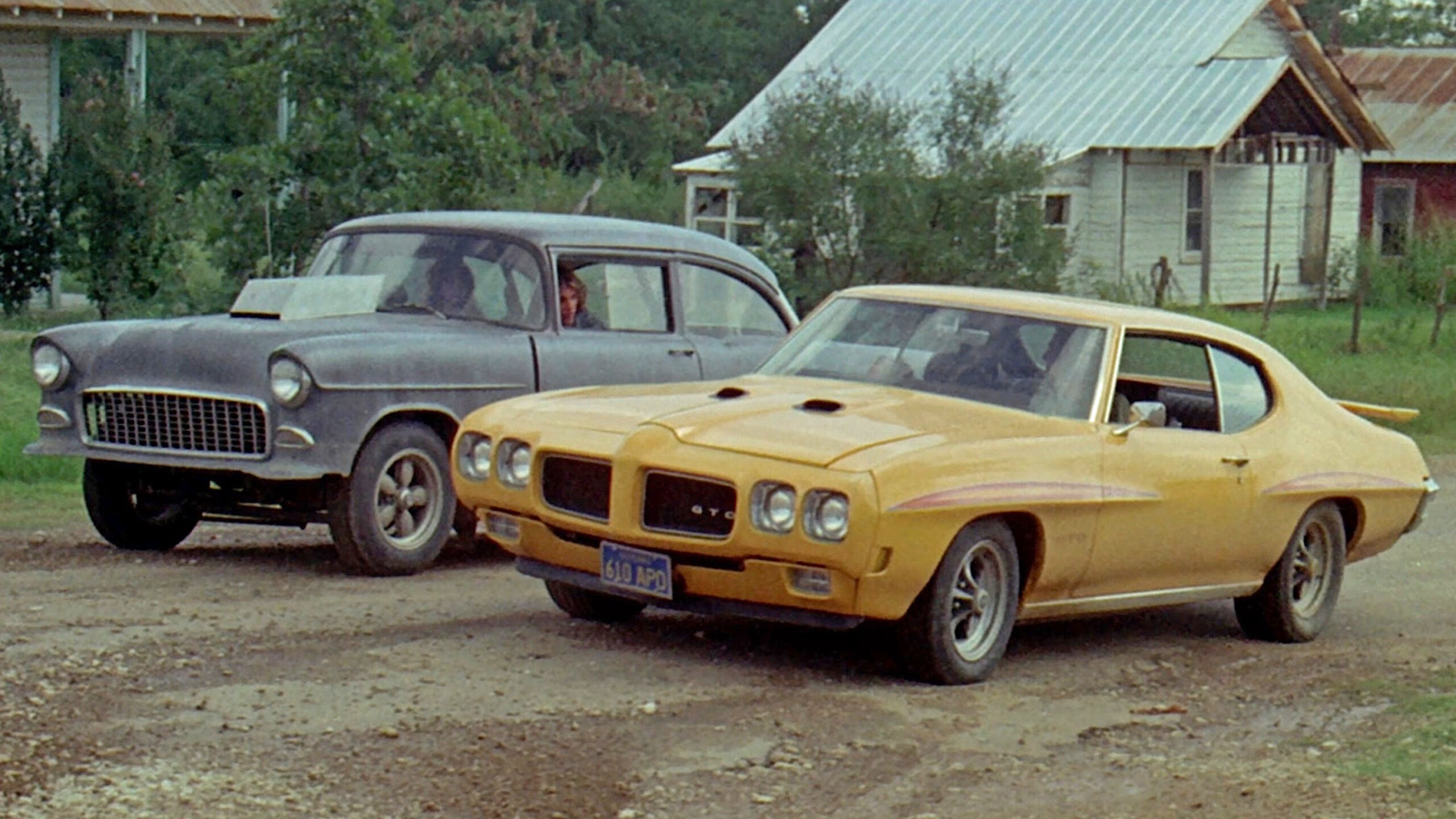
It’s remarkable how well the original Fast and Furious movie holds up when you compare it to the later films. Those sequels have become increasingly outlandish, taking the characters from street racing to, unbelievably, driving a car in space! The first movie, with its simpler story, realistic action, and focus on car culture, feels surprisingly fresh and immersive today.
With Fast & Furious 6, the series really shifted gears, embracing over-the-top action. Think Dom leaping across a bridge and Letty’s unbelievable return – you had to suspend disbelief completely! By this point, the movies had moved far beyond street racing or even the crew’s criminal activities, which originally funded their car obsession.
Suddenly, small-time criminals, once insignificant, became the nation’s first line of defense against global terrorism. And when it comes to the Fast & Furious series, Tokyo Drift stands out as the best of the ten films, thanks to its thrilling car sequences, focus on character motivations, and prioritization of racing. If you’re craving a classic movie centered around car culture, a film from 1971 perfectly captures the spirit of the racing world.
Two-Lane Blacktop Is An Endless Race
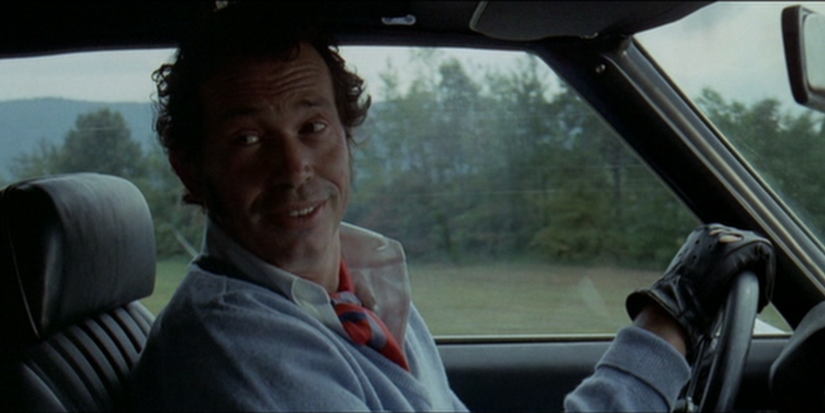
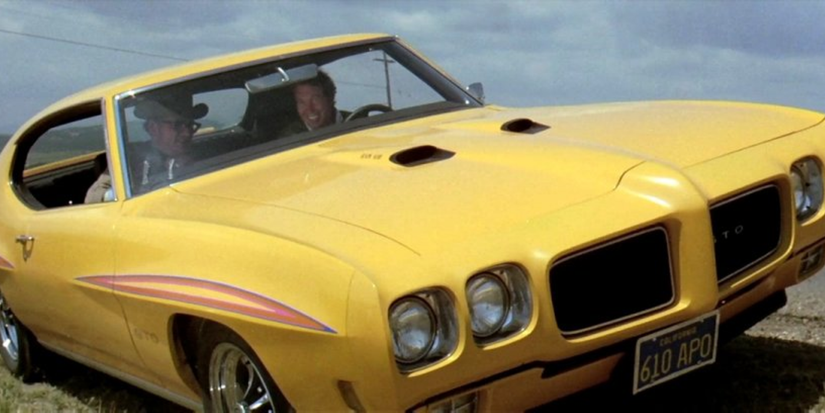
The 1971 film Two-Lane Blacktop, directed by Monte Hellman, centers around two men – known only as the Driver and the Mechanic – portrayed by musician James Taylor and Beach Boys drummer Dennis Wilson. They give a ride to a young woman, Laurie Bird, who’s simply traveling without a fixed plan. Along the way, they meet a man driving a Pontiac GTO, played by Warren Oates, and he eventually accepts their challenge to a cross-country race from New Mexico to Washington.
The movie primarily follows a race between a GTO and a driver/mechanic team. It’s a surprisingly relaxed race, as no one seems particularly eager to win. The duo is sympathetic to the GTO’s inexperience, slowing down and even assisting them to keep things competitive. Throughout their journey, the characters also frequently stop at drag races in different cities, often to earn money.
Although the Fast and Furious films always have a clear direction, Han’s character, first introduced in Tokyo Drift, really captures the carefree and pleasure-seeking spirit of the drivers in Two-Lane Blacktop – they clearly prioritize the joy of driving over winning races. Despite featuring several drag races, the ’70s film still offers plenty for longtime fans of the Fast and Furious series to appreciate.
The Viewer Feels Like A Passenger In Two-Lane Blacktop
What sets Tokyo Drift apart as the best Fast & Furious movie is its genuine passion for cars, the art of driving, and especially drifting – and the people who are completely dedicated to it. Unlike most of the other films in the series, Tokyo Drift (along with the original The Fast and the Furious) truly delves into the reasons why street racers love what they do. It’s a film that will make any driving enthusiast wish they were part of that racing world.
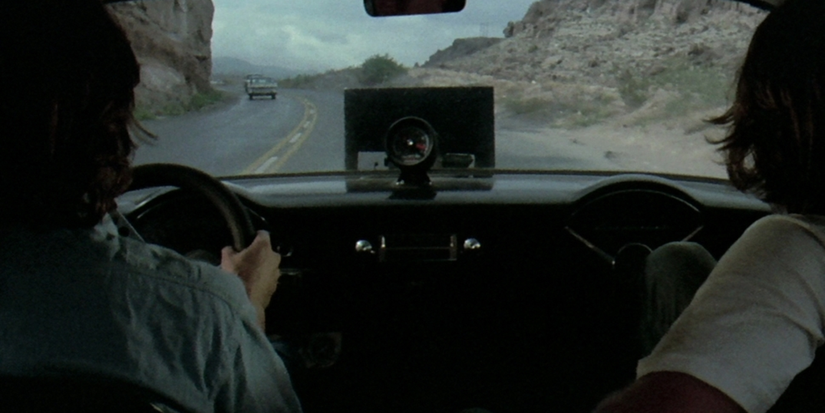
Unlike the Fast and Furious movies, Two-Lane Blacktop truly immerses you in the experience of driving. The film’s unique cinematography, with many shots from inside the car – looking over the shoulder of drivers or through the windshield – makes you feel like a passenger on the open road. It’s a feeling that isn’t explained with dialogue, but powerfully conveyed through the visuals, making you share the characters’ love of the journey.
The Main Characters Of Two-Lane Blacktop Are Gearheads
Revisiting the Fast and Furious films now makes it clear they’ve never been about realistic cars or racing. The races stretch on far too long – real drag races are over in seconds, but these last for minutes. Even the more believable installments don’t bother with realism. The dialogue, particularly when focusing on cars, is full of technical language, but it’s mostly there to sound impressive, not to actually demonstrate knowledge of vehicles.
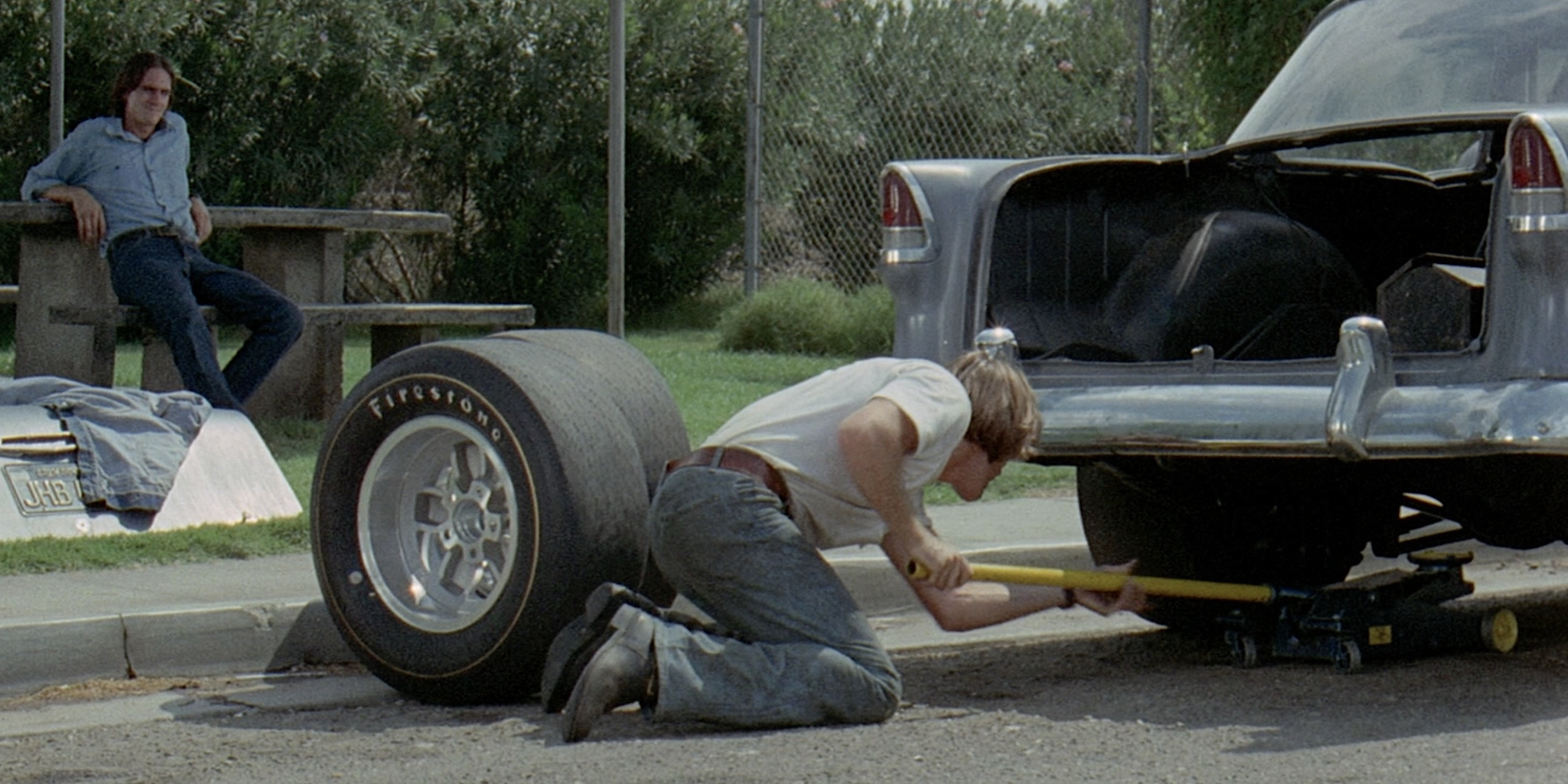
If you’re not familiar with cars, some of the dialogue in Two-Lane Blacktop can be hard to follow. The filmmakers clearly understand cars and accurately portray the lives of true car enthusiasts – people who love working on and connecting with their vehicles. If you’ve always wanted to see a movie with realistic, in-depth conversations between people genuinely obsessed with cars – more than what the Fast and Furious movies offer – then Two-Lane Blacktop is definitely worth checking out.
Only One Aspect Of The Film Has Aged Poorly
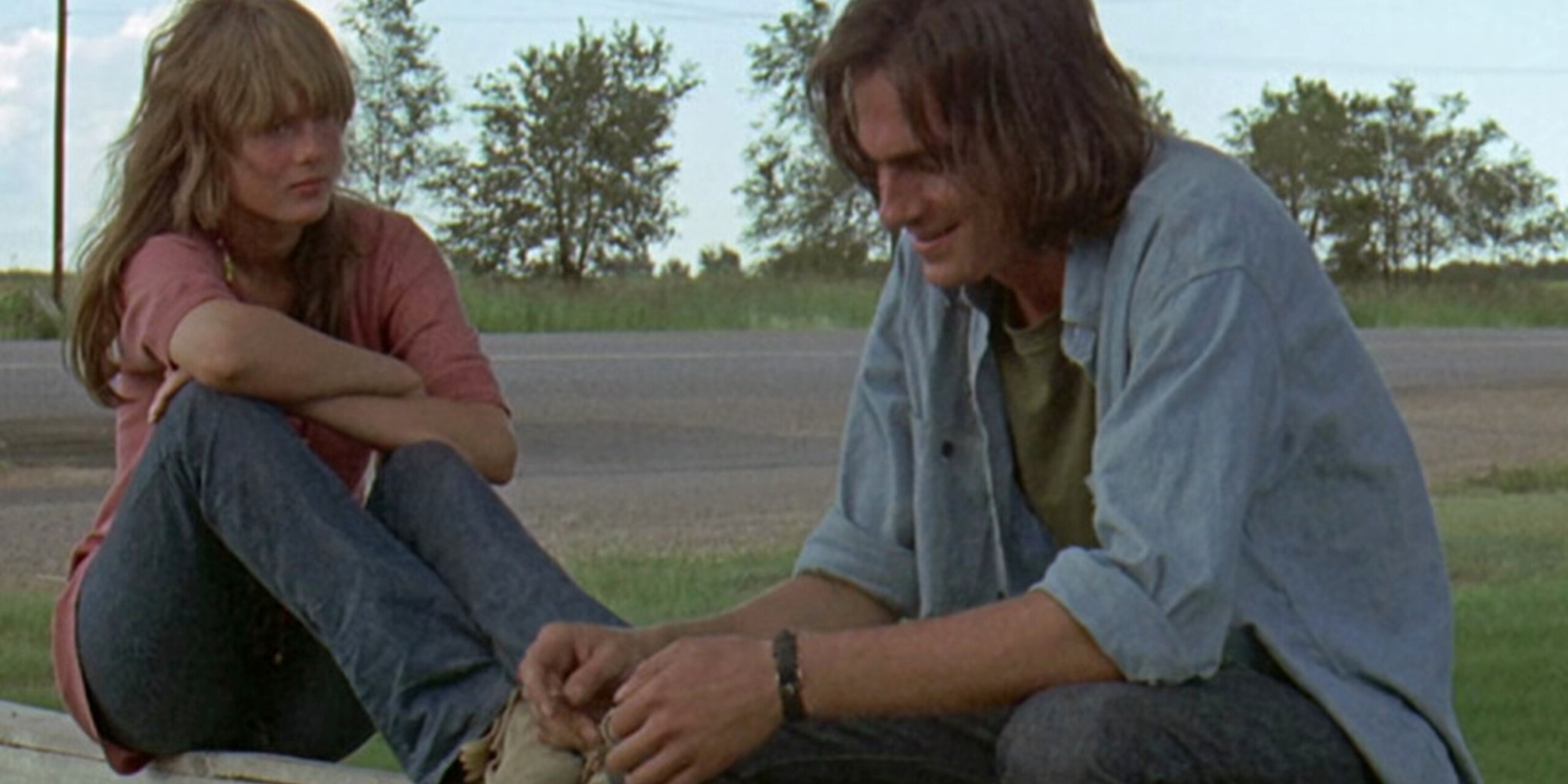
Two-Lane Blacktop is a beloved, though somewhat dated, film that many wish they’d seen sooner. One notable issue is the character of Laurie Bird, who feels underdeveloped and primarily exists to influence the two male leads. While the film avoids exploiting or sexualizing her, her role is largely limited to inspiring competition between Driver and GTO for her affection, and she doesn’t have much agency of her own.
Despite appearing somewhat old-fashioned due to limited dialogue, the character of the Girl isn’t simply a passive figure defined by her situation or controlled by men. She actively makes her own choices and rejects the desires of those she considers superficial. Ultimately, she remains a strong and independent character within a film largely focused on male perspectives.
Two-Lane Blacktop Moves One Quarter Mile At A Time
Even if you haven’t watched many Fast and Furious movies, you’ve almost certainly heard Vin Diesel’s iconic line, “I live my life a quarter-mile at a time.” He delivers it with so much energy that it’s easy to almost read it as profound, despite being a bit of a cheesy saying. However, the film Two-Lane Blacktop shows how a line like that could feel authentic and meaningful in a ’70s context.
For characters in the film Two-Lane Blacktop, like the Driver and the Mechanic, the isolation of long drives and the confines of a car aren’t drawbacks—they’re actually freeing and comforting. Obsessed with racing, they don’t care about comfort, only winning each drag race. The movie is considered one of the finest depictions of street racing, and its unconventional story structure emphasizes the experience of driving and how it affects those involved.
Read More
- Last Furry: Survival redeem codes and how to use them (April 2026)
- Gold Rate Forecast
- COD Mobile Season 4 2026 – Eternal Prison brings Rebirth Island, Mythic DP27, and Godzilla x Kong collaboration
- Brawl Stars April 2026 Brawl Talk: Three New Brawlers, Adidas Collab, Game Modes, Bling Rework, Skins, Buffies, and more
- Gear Defenders redeem codes and how to use them (April 2026)
- Clash of Clans: All the Ranked Mode changes coming this April 2026 explained
- Honor of Kings April 2026 Free Skins Event: How to Get Legend and Rare Skins for Free
- The Mummy 2026 Ending Explained: What Really Happened To Katie
- Razer’s Newest Hammerhead V3 HyperSpeed Wireless Earbuds Elevate Gaming
- Brent Oil Forecast
2026-04-27 17:53