
When electronic music artist Anyma finally launched his ÆDEN World Tour at Coachella in 2026, the performance was already layered with history. His originally planned set for the first weekend was canceled due to high winds and safety issues, leaving a frustrated audience and a flurry of online reactions. The show that eventually happened a week later felt less like a standard concert and more like a result of everything that had come before – the canceled performance, the online debate about what happened, and the experience of watching it all unfold online.
Coachella has transformed from a small, independent music festival into a much larger, multi-faceted cultural experience. It’s no longer just one event, but several that happen across the two weekends and are shared online, each tailored to different viewers. Over its almost thirty-year history, Coachella hasn’t simply grown in size—it’s fragmented into distinct experiences like Weekend 1, Weekend 2, and the YouTube live stream.

Weekend 1: The content engine
Walking around Coachella on Friday night, I realized the festival felt a lot like using the internet in person. I moved between different music genres and crowds, just like shuffling through songs on a playlist. Everywhere I looked, there were exciting visuals and brands trying to grab my attention – it was like seeing pop-up ads everywhere, but I was walking instead of scrolling.
I’m not trying to criticize – and it’s important to note that cell service is really bad there, making it hard to get online – but Coachella is a good example of how our culture and the way we experience things change over time. It shows how we consume and connect with culture year after year.
Over the past decade, Coachella has become less of a traditional music festival and more of a hub for creating social media content. It generates major headlines and viral moments, reflecting how attention and media work today. Influencers and creators pose for sponsored posts, while brands offer comfortable experiences like air conditioning and free WiFi in exchange for exposure. News organizations send large teams to produce constant updates and videos, recognizing that quick coverage is now as important as in-depth reporting.

For musicians, the first weekend of the festival serves as a launchpad, especially as live experiences become increasingly important in the music industry. Artists use this time to promote new music and merchandise, unveil their latest stage shows, and, for those who know how to work the crowd, create a viral moment. Justin Bieber perfectly understood this when he performed using his laptop during Weekend 1. This unexpected choice turned a short part of his set into both an advertisement for YouTube and an iconic image that spread rapidly – even more so than the performance itself. Two weeks later, his streaming numbers are still exceptionally high, typically reserved for major events like the Super Bowl halftime show.
That’s a great way to put it. A music journalist recently told me Coachella isn’t just a concert—it’s something people enjoy watching, like a sport. In fact, I even heard of people getting together at bars to watch livestreams and coverage of the festival.
Every April, the Coachella music festival briefly becomes a central hub for the music world. For the 125,000 attendees each weekend, it’s still largely a traditional festival experience – about seeing favorite artists, hanging out with friends, and finding new music. While it’s often portrayed as a celebrity-filled event, that image is somewhat exaggerated and shaped by what people post and remember after the festival. The first weekend of Coachella isn’t just the beginning of the event; it’s when the festival gets transformed into something that’s shared with the world.

Weekend 2: The festival
Returning for the second weekend of Coachella, my journalist friend and I quickly stepped away from the constant need to document everything – all it took were a couple of dead phone batteries. It was Saturday night, we’d finished our reporting for the day, and without signal, cameras, or a way to check the schedule, we decided to skip the charging stations and explore some of the smaller dance tents, away from the main stages. Instead of giant screens and moments designed to be captured on camera, we found a crowded dance floor and two DJs genuinely focused on their craft. We danced, talked to new people, and just enjoyed the moment. Nobody seemed to be rushing off to be somewhere else, and surprisingly, no one was looking at their phones.
Honestly, there’s just a different vibe at Weekend 2 of Coachella, and it’s why my friend and I keep coming back. After covering Weekend 1, we love being able to actually experience the festival, not just report on it. By the second weekend, all the big performances have happened, everyone knows what to expect, and all the photos and videos are already out there. That leaves room for something way more relaxed and free. The artists seem to loosen up and really have fun, the sound is perfected, and the crowd… well, they’re just there for the music. You hear people say ‘Weekend 2 is for the real fans,’ and it’s so true. It feels less about being seen and more about just enjoying the shows.

This year, the difference between the first and second weekends of the festival seemed to lessen. Traditionally, the second weekend felt like an optional repeat, but it didn’t feel that way this time. While many attendees still came for the headliners, the crowd overall was noticeably larger, more energetic, and more engaged. This was likely due to a week of online buzz – highlights from the first weekend, viral videos, and a growing fear of missing out led many people to purchase last-minute tickets, even at inflated prices.
A surprising trend at this year’s festival was that most of the biggest guest appearances – like those from Madonna, Billie Eilish, Billy Idol, Olivia Rodrigo, and Snoop Dogg – didn’t happen until the second weekend. This is a change from previous years, where the first weekend was known for surprise guests, and the second weekend felt like a continuation. Now, it feels like the second weekend is where all the excitement happens.
Coachella might be evolving into a two-part event. The first weekend sets the overall impression of the festival, while the second weekend builds on that initial reaction, potentially changing how people view the whole experience.
The livestream
Back home in L.A., I relaxed on the couch and watched Coachella highlights on YouTube, catching what I’d missed. Even attending both weekends, you can’t see everything. But the Coachella on YouTube feels like a completely separate experience. It’s not that the videos are inaccurate – except maybe Anyma’s holographic performance – but it’s different from being there in person. Think of it like the difference between watching a film being made and watching the finished movie. The quality of the video production is amazing, and I really wish they’d release it as a film. Visually, it’s much clearer and more focused than anything you could see live. You notice small details – like a musician’s fingers on the drum machine or beads of sweat on their forehead – cut together with dramatic wide shots of the crowd and lighting. The videos have a story, a good pace, and a sense of drama.
As a huge music fan, I’ve been to Coachella, and honestly, while they do show live camera feeds on the screens at the festival itself, it can be a bit much when you’re right there – the videographers almost feel like another performer! From a distance, it’s just functional. But watching Coachella on YouTube? That’s a completely different experience. It takes everything – the music, the energy, the visuals – and makes it something special. I find myself totally engrossed in performances that didn’t quite grab me when I was actually at the festival, and even feeling nostalgic for sets I completely missed! It’s like YouTube transforms the whole event.
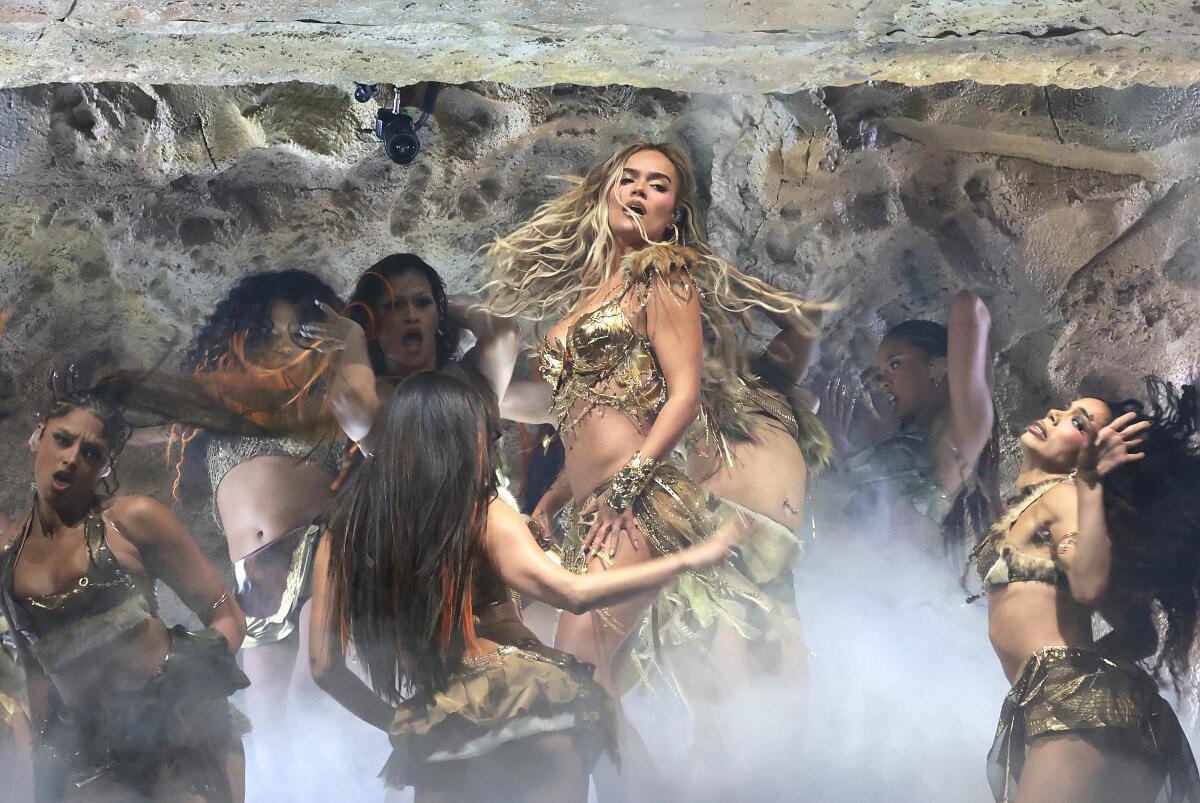
Recently, especially this year, I’ve observed that many of Coachella’s main stage performances seem designed primarily for online viewers. Stages are increasingly elaborate, built for close-up camera shots and filled with pre-recorded video segments, detailed costumes, energetic dancing, and over-the-top visuals – all meant to look good on a screen. While these elements come across well online, they don’t always translate effectively for the live audience. A good example is the criticism headliner Sabrina Carpenter received for a seven-minute monologue featuring Susan Sarandon; attendees couldn’t hear or understand it, but it was perfectly clear on the livestream. Sometimes, the livestream actually reveals the performance as it was intended to be seen.
For many, Coachella isn’t about being there in person anymore. It’s become a huge online spectacle, reaching millions of viewers worldwide – far more than the 125,000 people who actually attend each weekend. While final numbers for 2026 aren’t available yet, it’s clear that Coachella generated massive buzz, pushing it to the center of cultural discussion like never before. In fact, data shows that conversations about Coachella and its performers on social media actually exceeded engagement with major news stories like the Artemis II moon landing and the conflict in Iran, with different groups sharing and reacting to the event in various ways across different platforms.
The Coachella livestream isn’t just a live concert for people who can’t be there in person. It shapes how we understand the festival, deciding which moments are important and how it will be remembered. Sometimes the livestream offers a better, more exciting experience than being at the festival itself. Other times, it simplifies everything for easy viewing. Essentially, the livestream has turned into a major annual broadcast, much like a TV show – carefully planned, paced, and watched accordingly.

The shape of Coachellas to come
The YouTube livestream is increasingly becoming a key part of the Coachella experience. While the first weekend creates memorable moments and the second weekend builds on them, the livestream is how those moments are shared with the largest number of people.
Together, they start to look less like a single festival and more like a system.
Coachella’s changes aren’t just random or a quick fix. After a period of rapid growth and with the music industry and media landscape constantly shifting, the festival has had to evolve to stay relevant and successful. Today, people get their cultural experiences through social media and online platforms that demand constant updates and easily shareable moments, so Coachella is responding to that shift by focusing on meeting audiences where they already are online.
You know, even though Coachella 2026 was all about these incredibly polished, technologically advanced performances, some of the most exciting moments felt like a total rebellion against that. Bands like Creepy Nuts, Pawsa, Geese, and Slayyyter, and even bigger names like Jack White and Turnstile, weren’t aiming for perfection. Their sets were raw, loud, and really felt more than they looked – super energetic and a little messy in the best way. Even Bieber’s set seemed to play with that idea, ditching the usual Coachella spectacle. It’s funny, because we’re living in a time where AI can create flawless experiences, but there’s something really thrilling about seeing artists embrace imperfection and a little bit of chaos. It felt like a real shift, and honestly, it was a blast.
Even this trend towards rawer, more spontaneous experiences doesn’t exist separately from the festival itself – it simply becomes another part of it. With our attention spread thin and life feeling increasingly fragmented, it’s natural that Coachella would reflect this, offering many different experiences that each feel complete in their own way.
Read More
- Last Furry: Survival redeem codes and how to use them (April 2026)
- Clash of Clans: All the Ranked Mode changes coming this April 2026 explained
- Gold Rate Forecast
- Brawl Stars April 2026 Brawl Talk: Three New Brawlers, Adidas Collab, Game Modes, Bling Rework, Skins, Buffies, and more
- Gear Defenders redeem codes and how to use them (April 2026)
- COD Mobile Season 4 2026 – Eternal Prison brings Rebirth Island, Mythic DP27, and Godzilla x Kong collaboration
- Total Football free codes and how to redeem them (March 2026)
- The Mummy 2026 Ending Explained: What Really Happened To Katie
- Razer’s Newest Hammerhead V3 HyperSpeed Wireless Earbuds Elevate Gaming
- Honor of Kings April 2026 Free Skins Event: How to Get Legend and Rare Skins for Free
2026-04-26 20:02