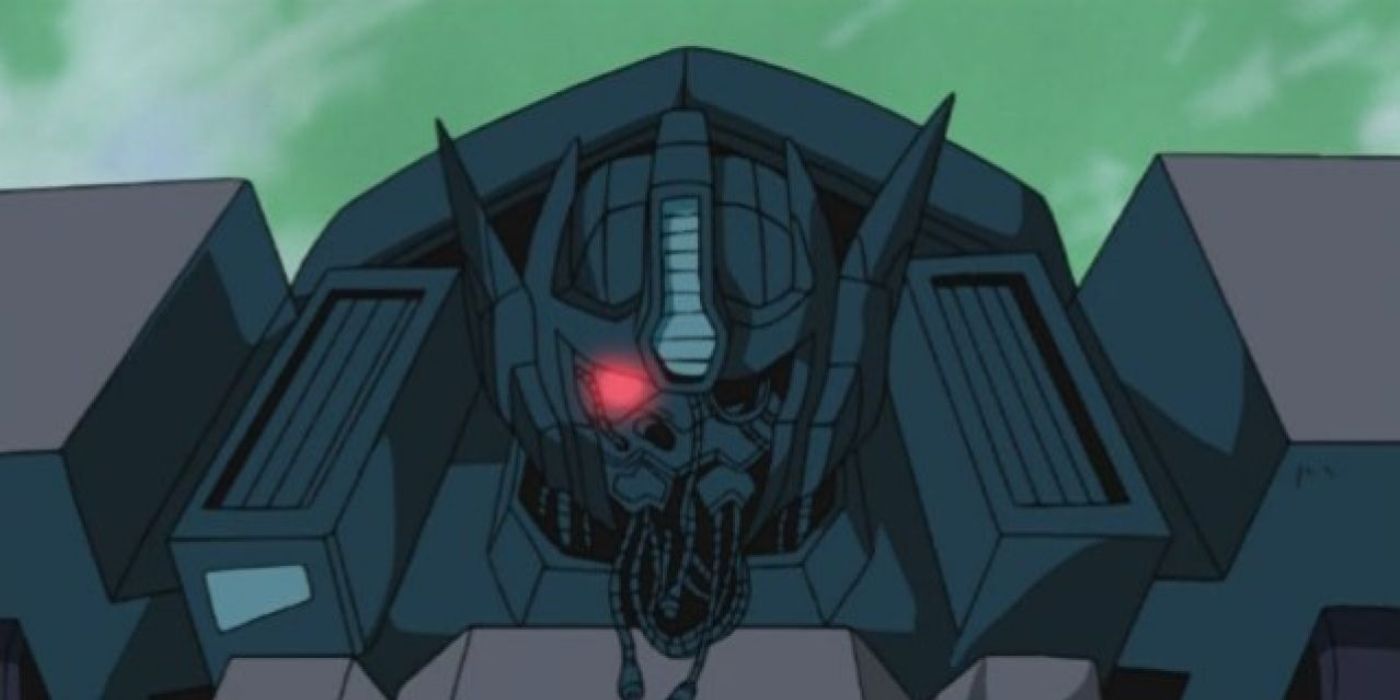
The original first generation of the franchise remains the most popular version, and many newer iterations are still based on it. This has been especially true for the last few decades, as fans often look back fondly to how the series started. The anime adaptations were particularly important in reviving and maintaining the franchise’s popularity, and their influence is still visible today.
The first Transformers anime series significantly changed the direction of the franchise after its initial run in the United States, helping it stay popular and even inspiring a completely new series of robot-based shows. The Unicron Trilogy from the 2000s is another often-overlooked gem. Considering all the anime-style Transformers content, it’s just as important and deserves recognition alongside the original Generation 1 series.
The First Transformers Anime Temporarily Saved the Brand in Japan
After the 1986 movie, interest in the Transformers franchise began to decline in the United States. The animated series had a shortened fourth season and rushed to introduce many new characters in its last episodes. The Marvel comic book, though continuing for another four years in its own separate storyline, also saw its peak popularity pass.
Fortunately, Japan continued to release new Transformers toys, largely because Takara, the company handling the brand in Japan, decided to move away from the fourth season of the original cartoon. Instead, they created Transformers: The Headmasters, which presented the ideas and characters from that season in a significantly different way. This series also benefited from better production quality and fresh ideas, making it feel distinctly like a Japanese product.
The series continued with Transformers: Super-God Masterforce and Transformers: Victory. Victory especially leaned into its anime roots, featuring storylines and character designs typical of the Super Robot genre. Notably, the new Autobot leader, Star Saber, was created by Kunio Okawara, a designer known for his work on Mobile Suit Gundam.
The property’s popularity also declined in Japan, but it continued with new projects like an OVA, manga, and toys that were promoted through magazine stories. This development felt more natural compared to what happened in the West. For example, the Japanese anime version of ‘Headmasters’ was considered a better fit for the story than the alien ‘Nebulans’ introduced in the American cartoon and comics.
Although the original series had a short run and didn’t fully succeed, its concepts were quickly adapted and reused. Following the conclusion of Transformers in Japan, Takara and Sunrise launched the Brave mecha anime franchise, which openly embraced the ‘Super Robot’ genre. Many of the Brave toys were actually redesigned versions of Transformers figures, and during a decade known for its strangeness, these more lighthearted shows offered a welcome bit of optimism.
The idea of robots having close, almost father-like relationships with their human allies appeared earlier in Transformers: Victory. However, these relationships were quite different from the dynamic between the original Autobots and their friend, Spike Witwicky. Transformers: Victory is often forgotten because it was originally released only in Japan, never dubbed into English, and its toys are now rare collectibles. While it was important to a generation of overseas fans, it hasn’t had much impact on the broader international Transformers fanbase.
Transformers Anime Saved the Franchise After the Beast Era
Around the mid to late 1990s, a new take on the Transformers arrived with Beast Wars: Transformers. It was a major departure from previous series, intended to revitalize the franchise. Instead of the classic Autobots and Decepticons, Beast Wars featured their descendants – the Maximals and Predacons.
Instead of transforming into cars, gadgets, or robotic animals, the robots began turning into more lifelike, organic creatures. This created robot forms that looked very different from the blocky designs of the original series. While some fans were initially surprised, this new direction proved incredibly popular, boosted by successful toys and a cartoon created by Mainframe. Unfortunately, this success didn’t continue, and the brand faded towards the end of the 1990s, almost leading to its downfall.
The Beast Machines: Transformers series didn’t go over well with fans and was considered a disappointment for both its cartoon and toys. To get the franchise back on track, Hasbro teamed up with Takara to create a new version, and they released a temporary series in between to transition away from the Beast storylines.
Originally released as Transformers: Car Robots in 2000, this anime series was known as Transformers: Robots in Disguise in Western countries. The show followed a team of Autobots battling both Predacons and Decepticons. The Predacons were based on toys from Beast Wars that didn’t appear in that series, but the show’s realistic vehicle designs and general style were reminiscent of the original Generation 1 Transformers.
Despite being dubbed, the anime’s unique qualities really shone through, particularly its frequent use of humor. While it wasn’t as intense as some fans anticipated, the accompanying toy line was incredibly popular. The action figures were highly detailed, and the Autobots specifically signaled a clear break from the Beast Wars series. This success allowed Hasbro and Takara to create a brand new storyline, which started with the anime Transformers: Micron Densetsu, released in the West as Transformers: Armada.
Transformers Armada is the Most Iconic Anime in the Franchise
The Armada series once again features the Autobots battling Megatron and the Decepticons. It introduced the Mini-Cons, small Transformers that could combine with larger robots to make them more powerful. Many compared this feature to the popularity of Pokémon, but it proved to be a hit with both children and collectors.
The wide variety of toys, available in many sizes and at different prices, made it easy for kids to collect them, helping the brand stay competitive against rivals like Lego’s Bionicle. Sales were so strong that Hasbro had to get creative to meet demand, re-releasing older Beast Wars figures with new paint jobs and adding features to connect with Mini-Cons.
The toys’ simpler designs appealed to younger children, building strong brand loyalty. Demand was so high that Hasbro created a new toy line called Transformers: Universe, which featured updated versions of older toys to attract a new audience.
Armada launched the ‘Unicron Trilogy,’ followed by Transformers: Energon and Transformers: Cybertron. While the first series was successful, Energon faced criticism. Many viewers didn’t connect with the new characters, and the show’s early use of computer-generated imagery wasn’t well-received.
Although parts of the toy line were popular, the “Powerlinx” feature made many of the Autobot figures overly large and cartoonish. This was made worse by the fact that some of the best toys were hard to find. Luckily, Transformers: Cybertron (originally planned as Transformers: Galaxy Force and not even intended to follow the previous series) successfully concluded the trilogy.
The new anime series and its accompanying toys were a clear improvement over the previous version, which had been declining in quality. This renewed interest led to the development of a few years later, and many believe the success of that series helped Hollywood recognize the potential of the original ’80s brand.
Transformers’ Biggest Saviors Are Underrated in 2026
Some fans consider series like Transformers: Robots in Disguise and the Unicron Trilogy to be less important than the original Generation 1 cartoon, Beast Wars, or the live-action films. However, that’s not really true. This perception mostly exists because the movies significantly boosted the brand’s popularity and sales in the late 2000s and 2010s.
The Transformers: Revenge of the Fallen toys in 2009 were a huge success, boosting sales to almost $600 million. However, the earlier ‘Unicron Trilogy’ years typically generated between $300 and $400 million in profits annually, even without the benefit of a major movie to increase their popularity. Importantly, the characters and ideas introduced during the Unicron Trilogy continue to be popular in more recent Transformers iterations.
This applies to both Robots in Disguise and the Unicron Trilogy, which is now remembered more positively than ever before. While the anime was once criticized for its hurried dubbing and production quality, people now tend to focus on its strengths, particularly its compelling character development, like that of Starscream.
Recent Transformers toy lines often include new versions of the Predacon shark, Sky-Byte, sometimes recreating the original character and other times offering fresh interpretations. Similarly, lines like Universe, Generations, Legacy, and Age of the Primes each feature toys based on characters from the Unicron Trilogy, such as Hot Shot and Sideways.
A recent example of this trend is a new toy that’s modeled after the character from Transformers: Armada and includes the Requiem Blaster, a small, powerful weapon. These Mini-Cons haven’t been featured consistently since they first appeared, but they were a key element in the original toy line’s success. Interestingly, Hot Shot, the energetic young Autobot from Transformers: Armada, was originally planned to have a similar role in the Transformers: Animated series.
He was succeeded by , who had become popular again thanks to recent films. Interestingly, Hot Shot was initially planned as a redesign of Bumblebee, which makes this change quite a twist.
The original Transformers anime series has seen many updates, often through new toys. The more recent series already hinted at the classic Transformers: Victory, featuring a character named Wing Saber in Transformers: Energon who combined the look of Star Saber with Predaking, a combiner from the Generation 1 series. Star Saber remains popular in Japan because of his distinctly anime-inspired design, and how he and his series revitalized the franchise when they first appeared.
I’ve noticed that IDW Publishing gave a grittier take on the character in their Transformers comics, and it looks like we’ll be seeing even more toys based on him and other characters from the original Japanese animated series. It’s interesting to see how people revisiting these older shows really enjoy them for their nostalgic value. Even the Unicron Trilogy, which got a lot of criticism initially, is now appreciated for its stories and characters. While it doesn’t have quite the same level of recognition as the very first Transformers generation, these anime series were incredibly important in keeping the franchise alive and well for many years.
2026-05-16 19:45