Anti-folk is a term many people associate with the musician Beck, particularly his song “Loser.” While his album Mellow Gold is often linked to the genre, some argue that tracks like “Whiskeyclone, Hotel City, 1997” and “Truckdrivin Neighbors Downstairs (Yellow Sweat)” actually better represent what anti-folk truly is.
Anti-folk emerged as a music genre in New York City around 1990. It involved young singer-songwriters who resembled traditional folk artists in appearance – often with long hair and acoustic guitars – but their music was heavily influenced by punk rock.
While Bob Dylan and Phil Ochs definitely had strong personalities, these newer musicians came across as even more raw and used a much more vulgar style of humor in their work.
The anti-folk movement, exemplified by groups like the Washington Squares, both celebrated and rebelled against the folk music scene of the 1960s. It wasn’t always clear whether they were paying tribute to artists like Peter, Paul and Mary or satirizing them, and that ambiguity was central to the genre. These musicians often gathered at the SideWalk Café in New York City’s Alphabet City, playing to relatively small audiences, but they still had a significant impact on music, both locally and across the country.
An intro to anti-folk
Beck started his musical journey in New York City, but he didn’t become well-known until he moved back to Los Angeles. There, he connected with other musicians who were experimenting with a new sound, blending folk music with influences from genres like punk, hip-hop, and jazz. This collaboration helped shape the beginnings of the anti-folk movement.
Compared to previous generations, these singers were much more likely to swear and focus on their own lives. They also had a noticeably more sarcastic and pessimistic sense of humor.
These artists created incredibly popular songs. This playlist offers a great starting point to discover one of America’s most overlooked and exciting music scenes from the last four decades.
“Damn, I Wish I Was a Man” by Cindy Lee Berryhill (1987)
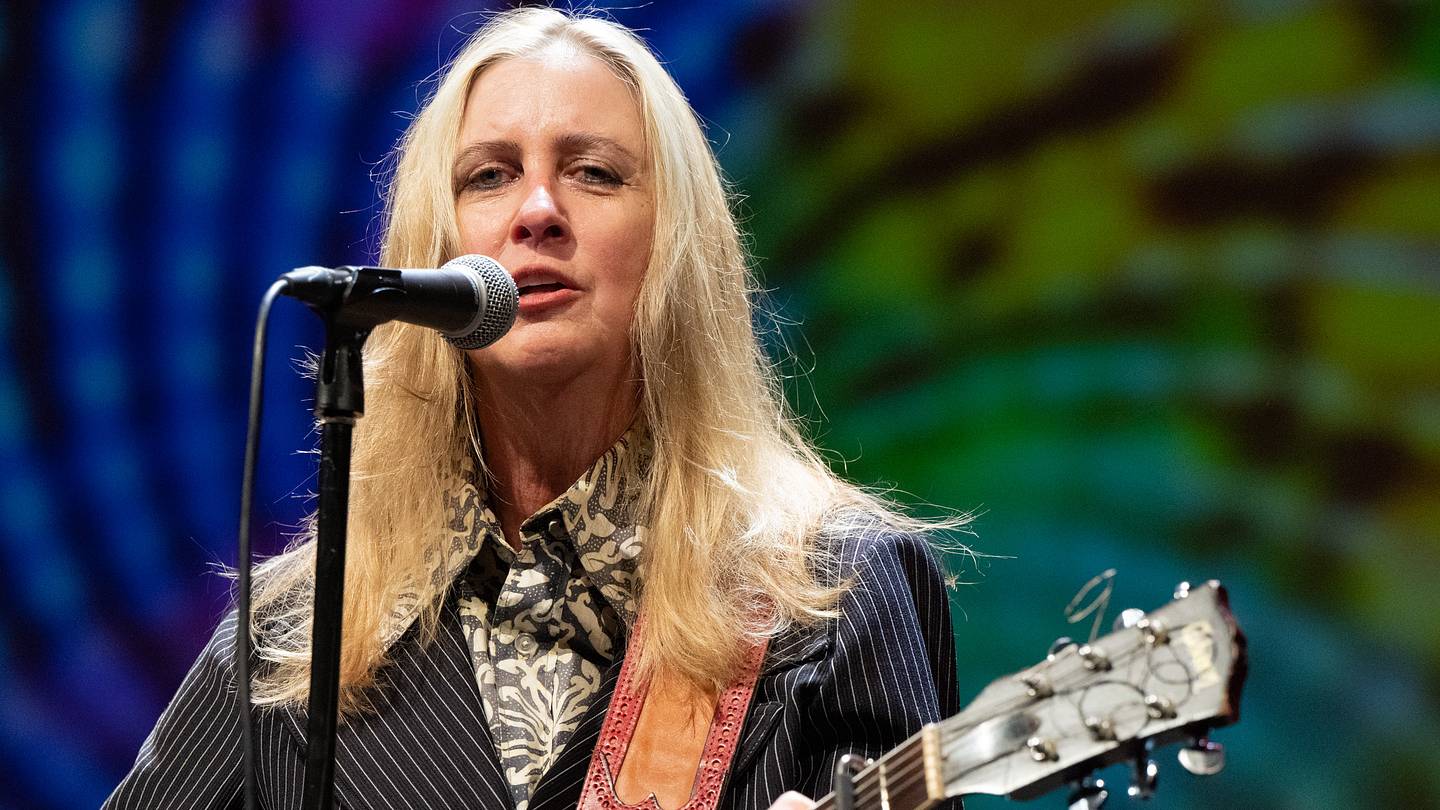
Cindy Lee Berryhill plays harmonica and guitar, and her singing style is unique. If she’d started her career twenty years earlier, people might have compared her to Bob Dylan. Instead, she’s earned a reputation as one of the most talented songwriters working today.
“Damn, I Wish I was a Man” is a witty and humorous feminist song that gets straight to the point, offering sharp observations like
“I’d call guys wimps by calling them a woman.”
Two years after her first album, she released a scathing critique of wealthy, superficial Americans with her second release, titled “Trump.”
“The Lefty Rhetoric Blues” by Roger Manning (1988)
Manning was among the first musicians to perform in the New York City subway system. His fast-paced, bluesy guitar style blended perfectly with the energy of the trains and commuters. His song “Lefty Rhetoric Blues,” from his first album, is a well-known example of sarcastic humor, playfully criticizing liberals as naive, while acknowledging they were correct about the Vietnam War.
The album came out on SST, a well-known independent record label in Southern California that played a huge role in popularizing punk rock during the 1980s and 90s. This connection highlights the shared roots between anti-folk and punk music.
“Stephen Said” by Lach (1990)
Jeff Lach was a key figure in the anti-folk scene, and it’s a real shame he never achieved widespread success – it’s often been attributed to simply being in the wrong place at the wrong time. It’s tempting to compare musicians from the 1990s to those from the 1960s, and I just did that myself with Berryhill and Bob Dylan.
Lach had the potential to be a significant artist, much like Lou Reed. The first song on his debut album, Contender, called “The Edie Effect,” sounds like it could have been recorded by The Velvet Underground in the late 1960s, inspired by Andy Warhol’s muse, Edie Sedgwick. The album’s closing track, “Stephen Said,” echoes Reed’s style – particularly his song “Stephanie Says” – but tells a different story, focusing on a past relationship with a male subject, and with a notably less sympathetic tone.
“Stephen said … he was gonna quit
But we all know … that he’s full of s**t.”
Unfortunately, Lach’s record label closed down shortly after his album, Contender, came out, and he never achieved widespread popularity. However, he remained a constant presence in the music scene, both as a performer and someone who championed the genre for many years.
“Orange Ball of Hate” by The Mountain Goats (1994)
It’s not surprising that people don’t usually associate John Darnielle with the anti-folk scene. When he started making music as The Mountain Goats, he likely wasn’t aware of the early, spontaneous performances Lach was doing at The Fort in New York City – he was living in California at the time, over three thousand miles away.
His music combines simple acoustic sounds with the energy of punk, which is a key characteristic of anti-folk. He was exploring this style at the same time as other artists. This was especially noticeable on his debut album, packed with complex lyrics and raw, unpolished recordings that weren’t aimed at mainstream appeal. You can label it however you like, but the song “Orange Ball of Hate” – surprisingly, a love song – perfectly embodies the anti-folk spirit.
“Downloading Porn with Davo” by the Moldy Peaches (2001)
Adam Green and Kimya Dawson, who together form The Moldy Peaches, met when a teenage Adam moved to the city and connected with Kimya. She was ten years older and helped him navigate the local music scene. They’re best known for their charmingly awkward love song, “Anyone Else But You,” which you might recognize from the movie Juno.
This song is from their first album, The Moldy Peaches, just like this wild and explicit rock and roll song about sex and drugs. It’s like a sweet, innocent suburban band, similar to Beat Happening, decided to be intentionally shocking. With lyrics referencing a 70-year-old sex worker and a girlfriend with a penis—whether real or not is left to the listener—this song is a prime example of anti-folk at its most playful and immature.
“Seattle” by Jeffrey Lewis (2001)
Lewis was a gifted artist and songwriter, known for his witty lyrics. While his song about the Chelsea Hotel might better showcase the way anti-folk drew from other influences, I especially appreciate his take on the grunge music scene.
Both “Chelsea Hotel” and “Seattle” look back to the past – “Chelsea Hotel” evokes Leonard Cohen, Sid Vicious, and old New York, while “Seattle” is inspired by the gentle, acoustic folk music of the 1960s. The songs are both a loving tribute and a critical look at their subjects.
“Scenesters” by AJJ (2005)
By 2005, the anti-folk scene had experienced several rises and falls in popularity. It had also expanded beyond its origins in New York City. The band AJJ, hailing from Phoenix, Arizona, seemed to embody a similar creative energy as earlier Arizona artists like Alice Cooper and the Meat Puppets – a willingness to break from traditional genre boundaries, perhaps influenced by the unique landscape of the desert.
AJJ’s music started leaning into a more energetic, raw style of anti-folk. Their song “Scenesters” hilariously captures a particular subculture where people feel morally superior over trivial things – like making sure their hair products are cruelty-free or jokingly claiming cocaine is a vegan option.
That’s a good starting point. If you enjoy this sound, you might also like early work by Beck or Regina Spektor, who explore similar anti-folk styles. It also struck me, while everyone was discussing the recent New York Times list of the greatest American songwriters, that none of these artists were included.
Not a single one of them even came up in the conversation about potential successors, which is surprising. They deserved to be considered, at the very least. I firmly believe there are at least thirty American songwriters currently working who aren’t as talented as Cindy Lee Berryhill.
 Add us as a preferred source on GoogleFollow
2026-05-23 14:01