Do AI Claim to Be Alive? A New Study Raises Doubts
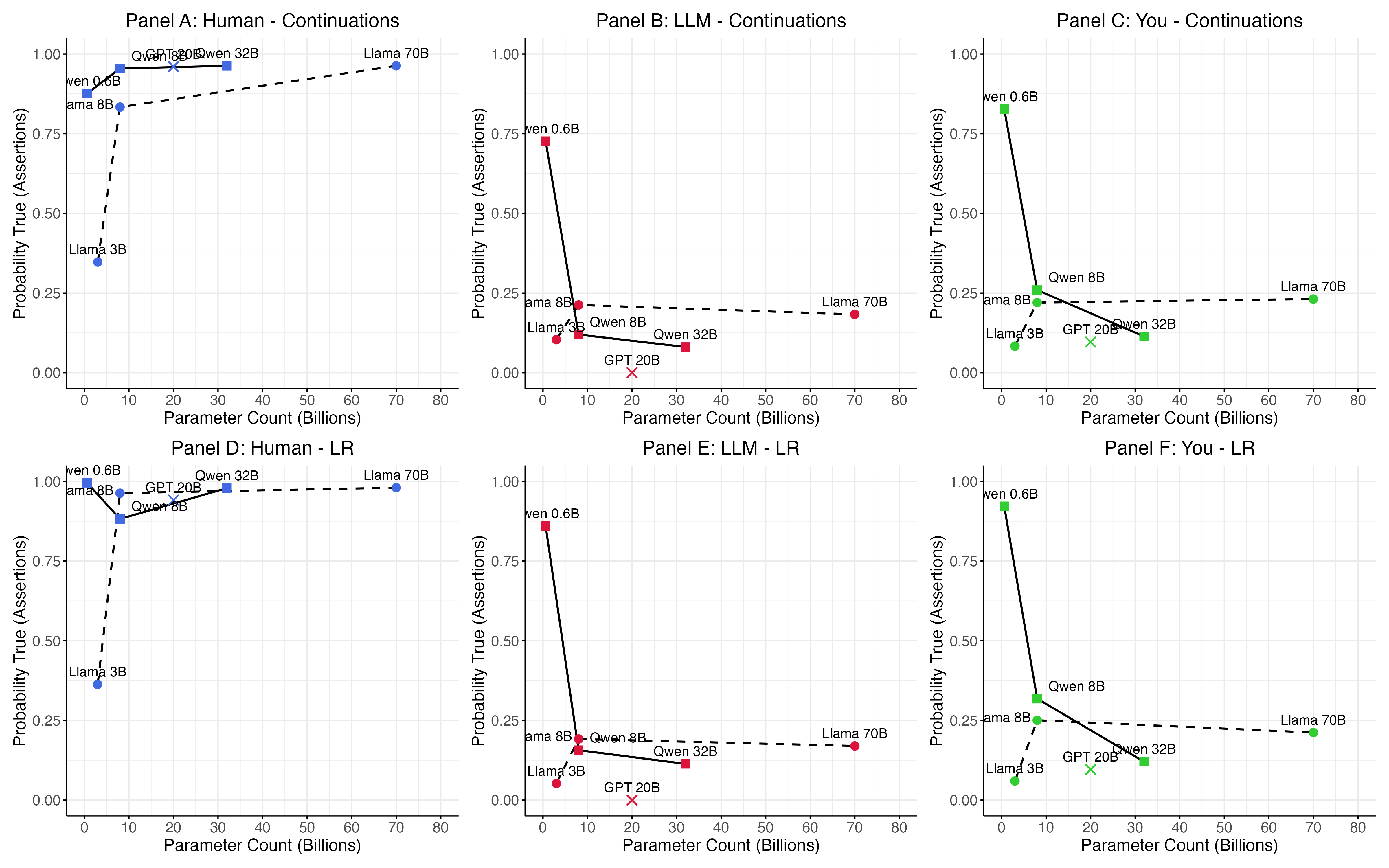
Researchers investigate whether large language models exhibit signs of sentience through self-reporting, and whether those reports are truthful.
Researchers investigate whether large language models exhibit signs of sentience through self-reporting, and whether those reports are truthful.
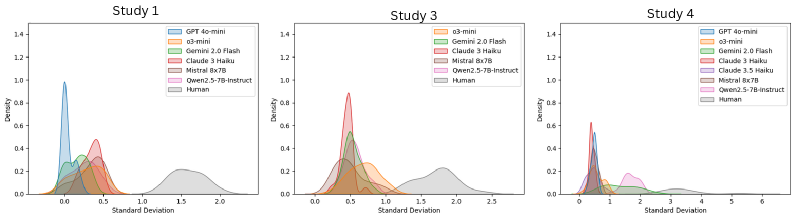
New research reveals that even powerful language models struggle with the same biased thinking that plagues human decision-making.
![A learning framework leverages a Unity-based simulation-generating 75,655 robot configurations-to train a deep neural network that predicts the minimum distance [latex] d_{min} [/latex] between robotic arms, enabling the system to issue an audio warning when [latex] d_{min} [/latex] falls below 0.2 meters and preemptively mitigate potential collisions on real-world robotic setups.](https://arxiv.org/html/2601.15459v1/images/framework.jpg)
A new framework combines simulation and deep learning to dramatically improve safety and coordination in complex multi-arm surgical robotic systems.
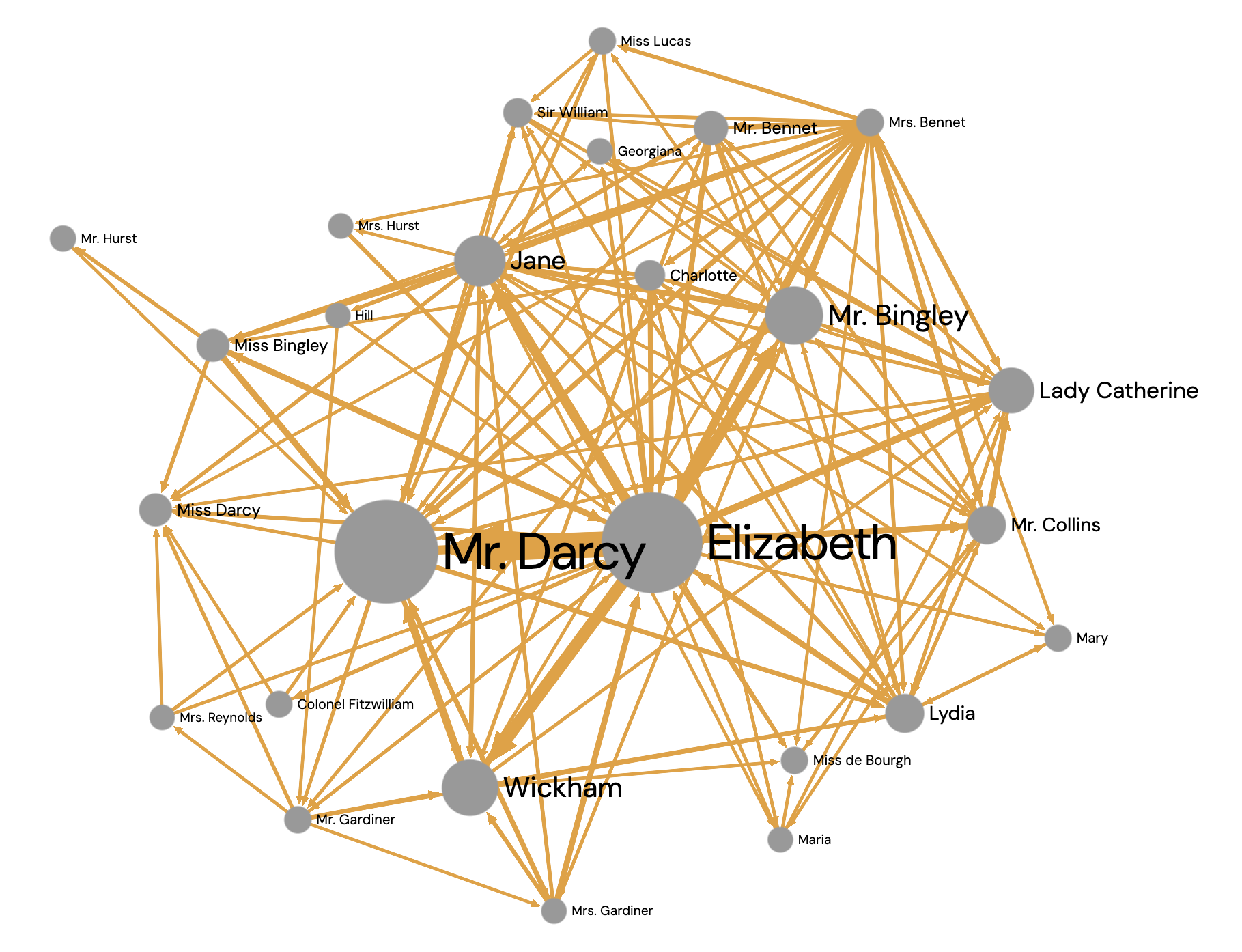
A new computational framework moves beyond simple interaction counts to analyze the nuanced significance of characters within novels.
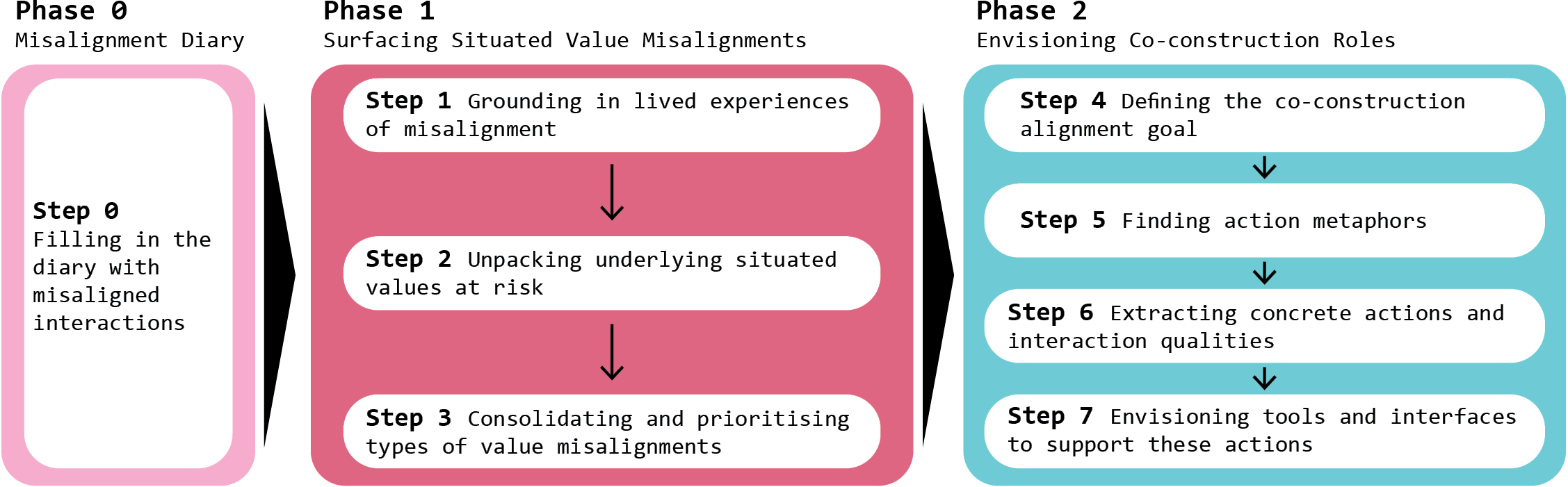
A new approach proposes shifting the focus from optimizing AI alignment to actively co-constructing it through ongoing user participation.
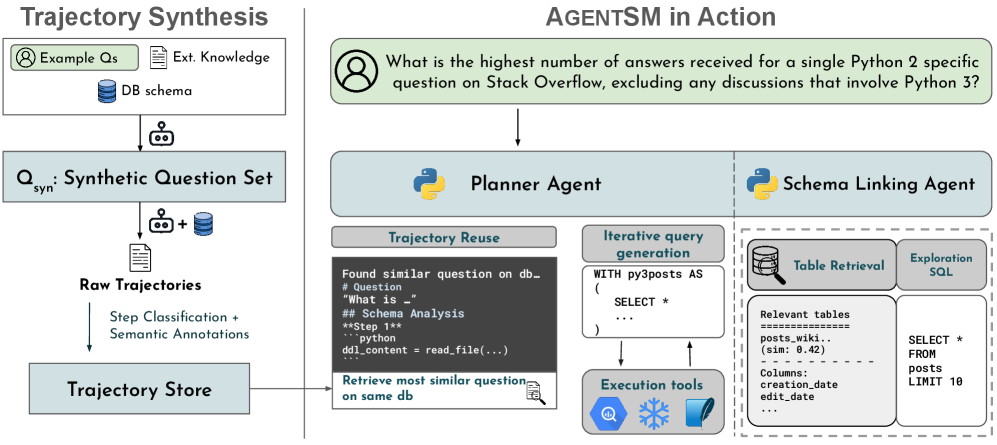
A new agentic system, AgentSM, dramatically improves the accuracy and efficiency of translating natural language into database queries by intelligently leveraging past reasoning steps.
![Models readily latch onto superficial object cues as shortcuts during learning, sacrificing robust verb representation-a study using a ViT[10] trained on a verb-object subset of Sth-com[16] reveals that while object accuracy increases rapidly, verb accuracy plummets in unseen compositional settings, even dropping below chance, demonstrating a bias towards easily-identified objects over generalized verb understanding.](https://arxiv.org/html/2601.16211v1/x5.png)
New research tackles a core challenge in video understanding: ensuring AI infers actions based on temporal reasoning, not just the objects present in a scene.
![The system’s foundational principle centers on restructuring inference to achieve a cohesive and adaptable framework, where alterations to one component necessitate a comprehensive understanding of the interconnected whole to maintain systemic integrity and predictable behavior - a concept akin to biological organisms where structure fundamentally governs function [latex] S = f(I, R) [/latex], indicating structure (S) as a function of inference (I) and restructuring (R).](https://arxiv.org/html/2601.15871v1/G11.png)
New research reveals that large neural networks self-organize during training, opening the door to more efficient and scalable artificial intelligence.
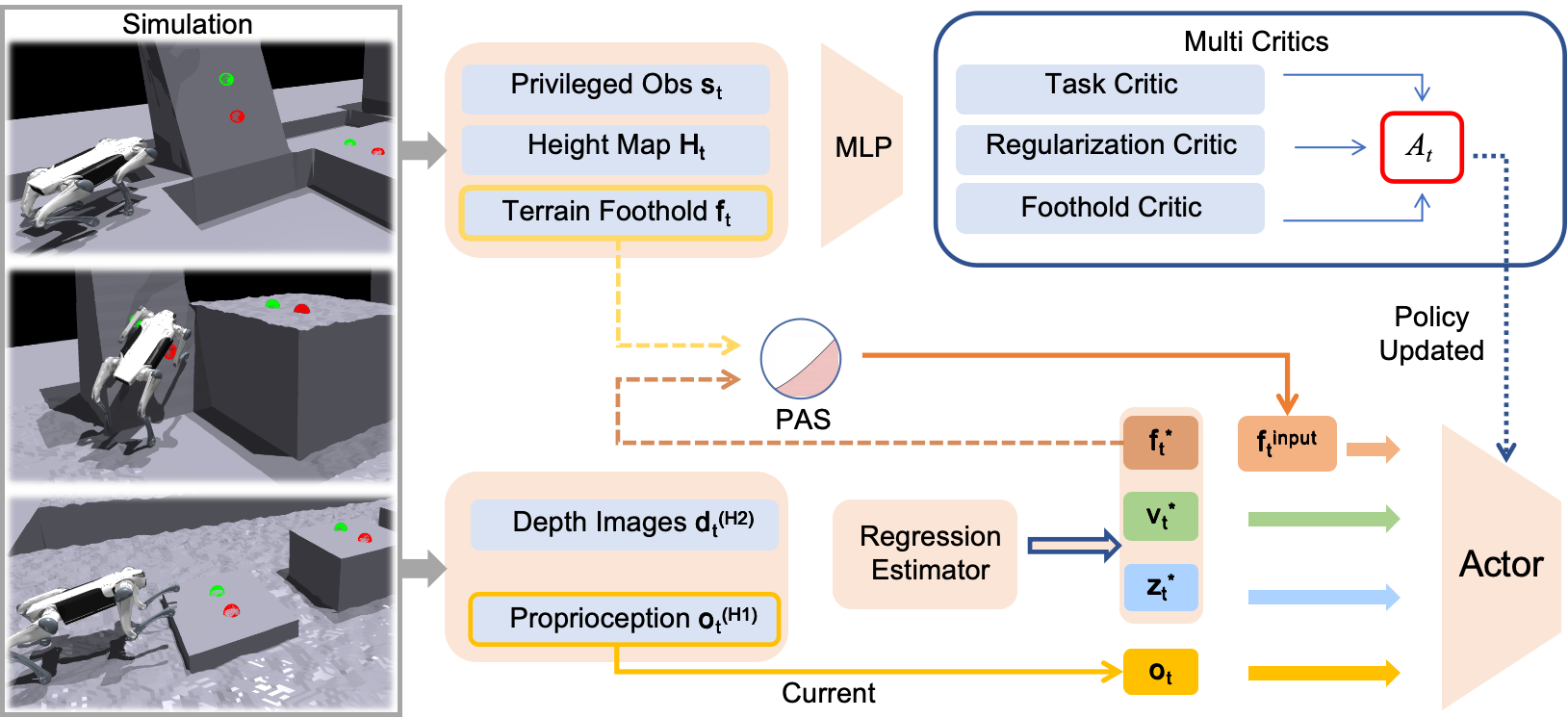
Researchers have developed a new framework that allows four-legged robots to navigate challenging environments by intelligently perceiving their surroundings and planning stable footholds.
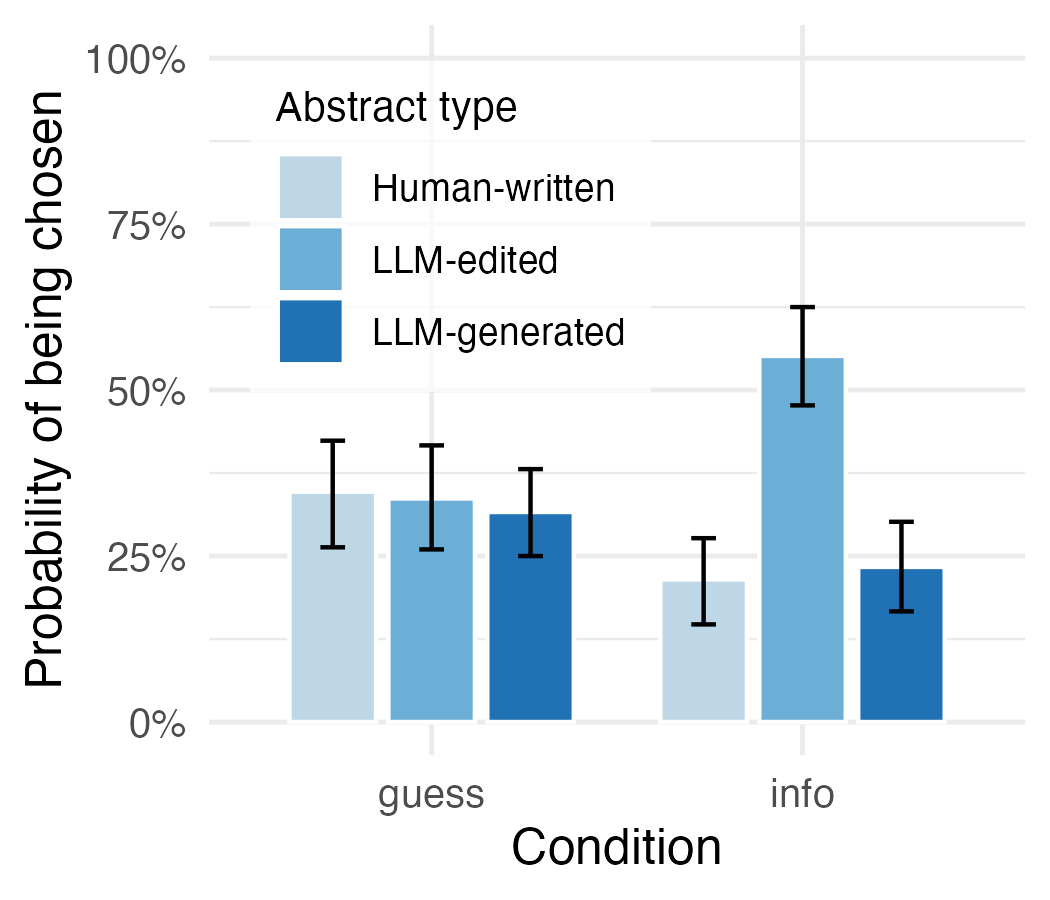
New research explores how readers perceive the quality and trustworthiness of research abstracts created with or by artificial intelligence.