Robots That Understand What You *Mean*
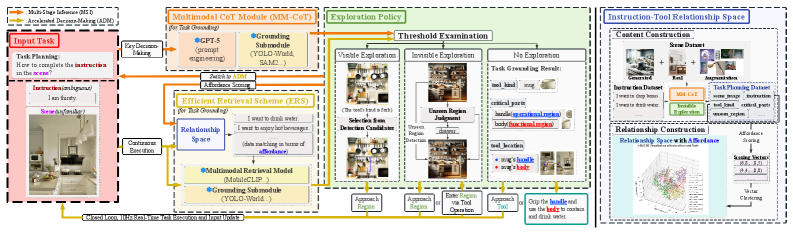
New research tackles the challenge of ambiguous instructions, enabling robots to interpret intent and successfully complete tasks in real-world settings.
New research tackles the challenge of ambiguous instructions, enabling robots to interpret intent and successfully complete tasks in real-world settings.
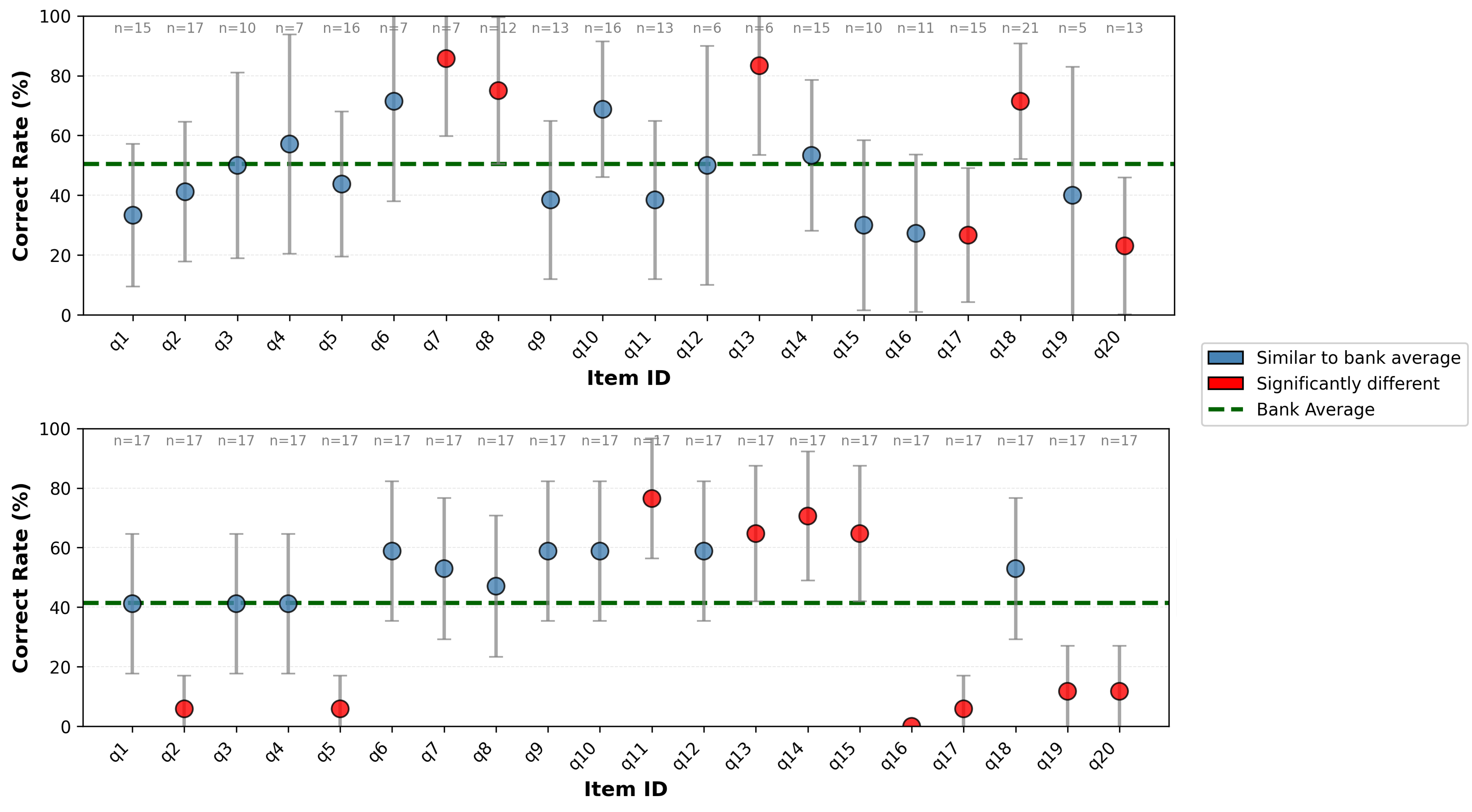
Researchers have developed a system leveraging artificial intelligence to automatically create and verify large numbers of physics problems, paving the way for more robust and scalable educational assessments.
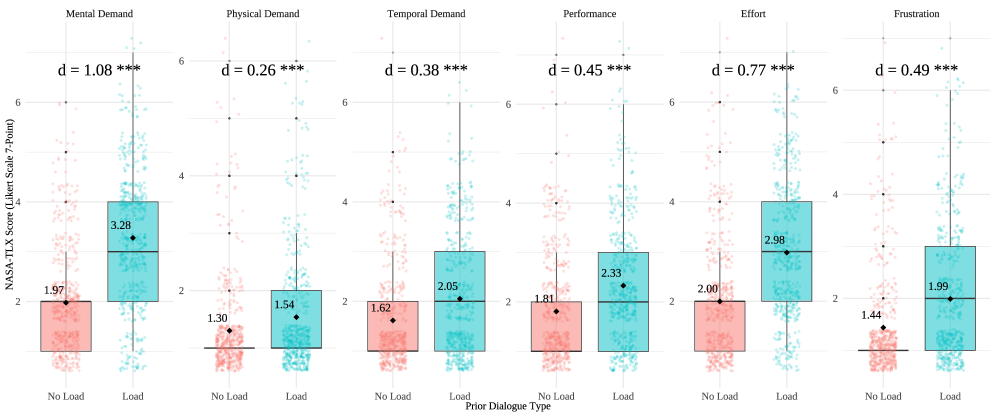
New research shows that conversational AI can surprisingly replicate the irrational decision-making patterns common in human beings.
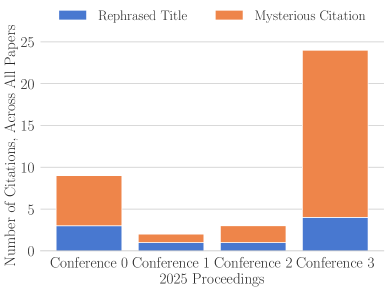
A new study reveals a troubling trend of AI-generated, nonexistent references appearing in published academic papers, threatening the foundations of scholarly integrity.
![Semantic understanding fuels robotic reward: extracted predicates, when applied to linguistic rules, yield confidence values that directly modulate safety and efficiency weighting-as formalized in [latex]Equation 12[/latex]-allowing the system to prioritize task goals based on environmental interpretation.](https://arxiv.org/html/2602.05079v1/Figures/calculate_reward.jpg)
New research combines advanced AI techniques to create more human-like autonomous braking systems for safer navigation in complex urban environments.
A new perspective argues that building strong theoretical frameworks is essential to bridge the gap between science education research and effective classroom practice.
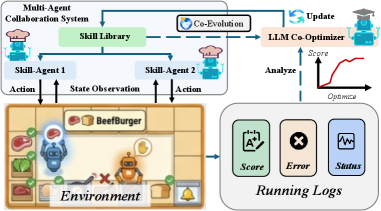
A new framework uses iterative learning and shared skills to dramatically improve how multiple AI agents collaborate on complex tasks.
A new architecture, Hamiltonian Networks, offers a fundamentally different approach to AI by encoding data relationships directly, moving beyond traditional statistical methods.
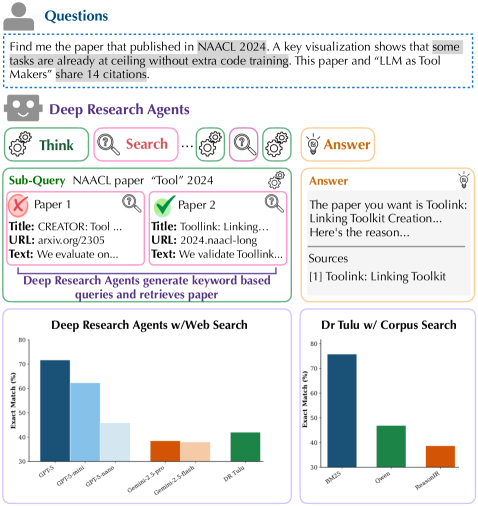
A new study introduces Sage, a challenging benchmark designed to evaluate how well artificial intelligence can retrieve relevant information for complex research tasks.

New research reveals a demand for generative AI tools that empower human collaboration, rather than simply replacing human work.