The AI Burger: Can Algorithms Cook Up a Better Bite?
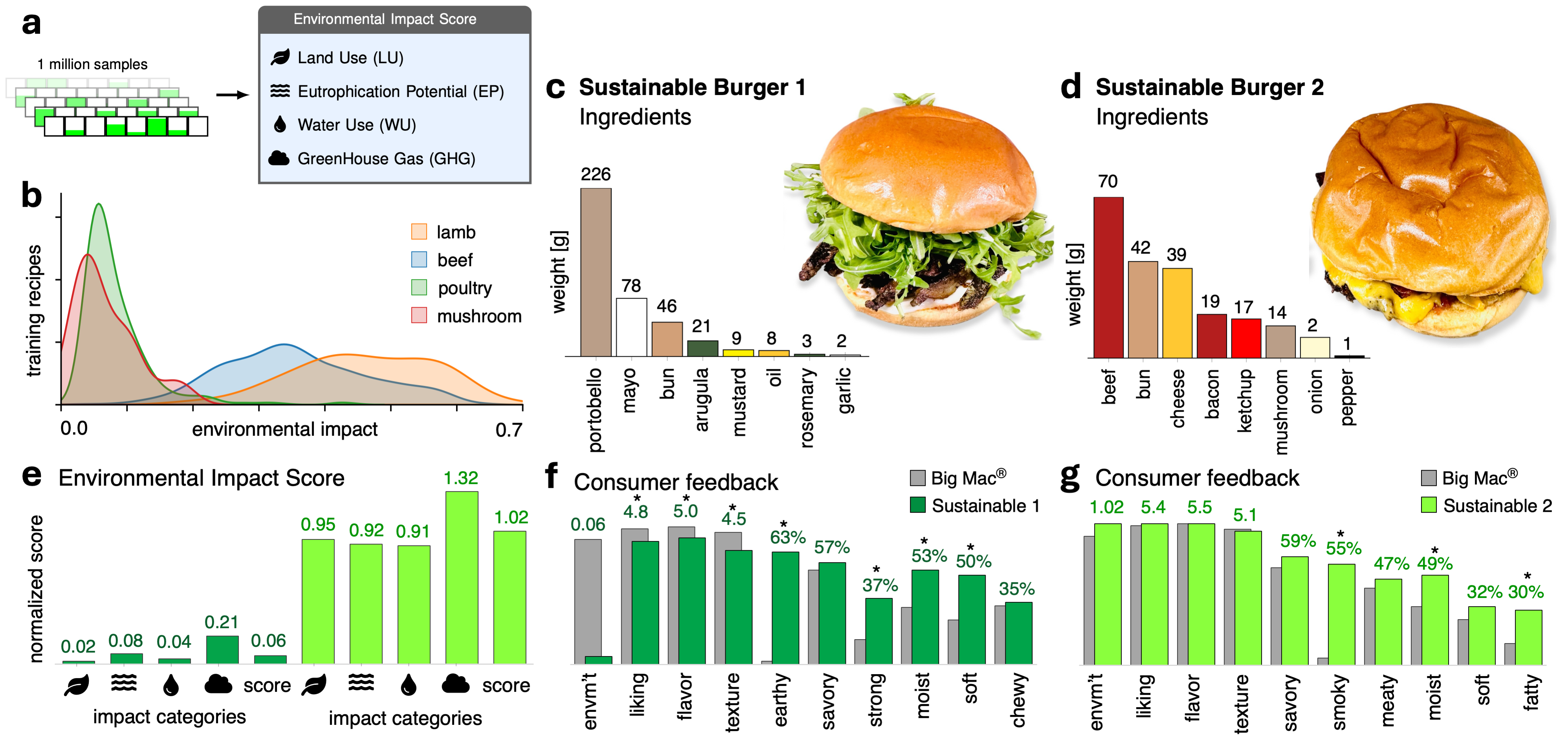
New research shows artificial intelligence can generate burger recipes that satisfy human palates while prioritizing sustainability and nutrition.
New research shows artificial intelligence can generate burger recipes that satisfy human palates while prioritizing sustainability and nutrition.
![The framework synthesizes complex problem-solving capabilities through a three-stage process-skill acquisition from diverse data, agentic supervised fine-tuning mirroring expert reasoning with dynamic skill pruning, and multi-granularity reinforcement learning-guided by a structured reasoning flow [latex]Draft \to Check \to Refine \to Finalize[/latex] and curriculum-based skill distribution to generate challenging problems for downstream solver training.](https://arxiv.org/html/2602.03279v1/x3.png)
Researchers have developed a new method for creating increasingly complex reasoning problems to better train artificial intelligence systems.
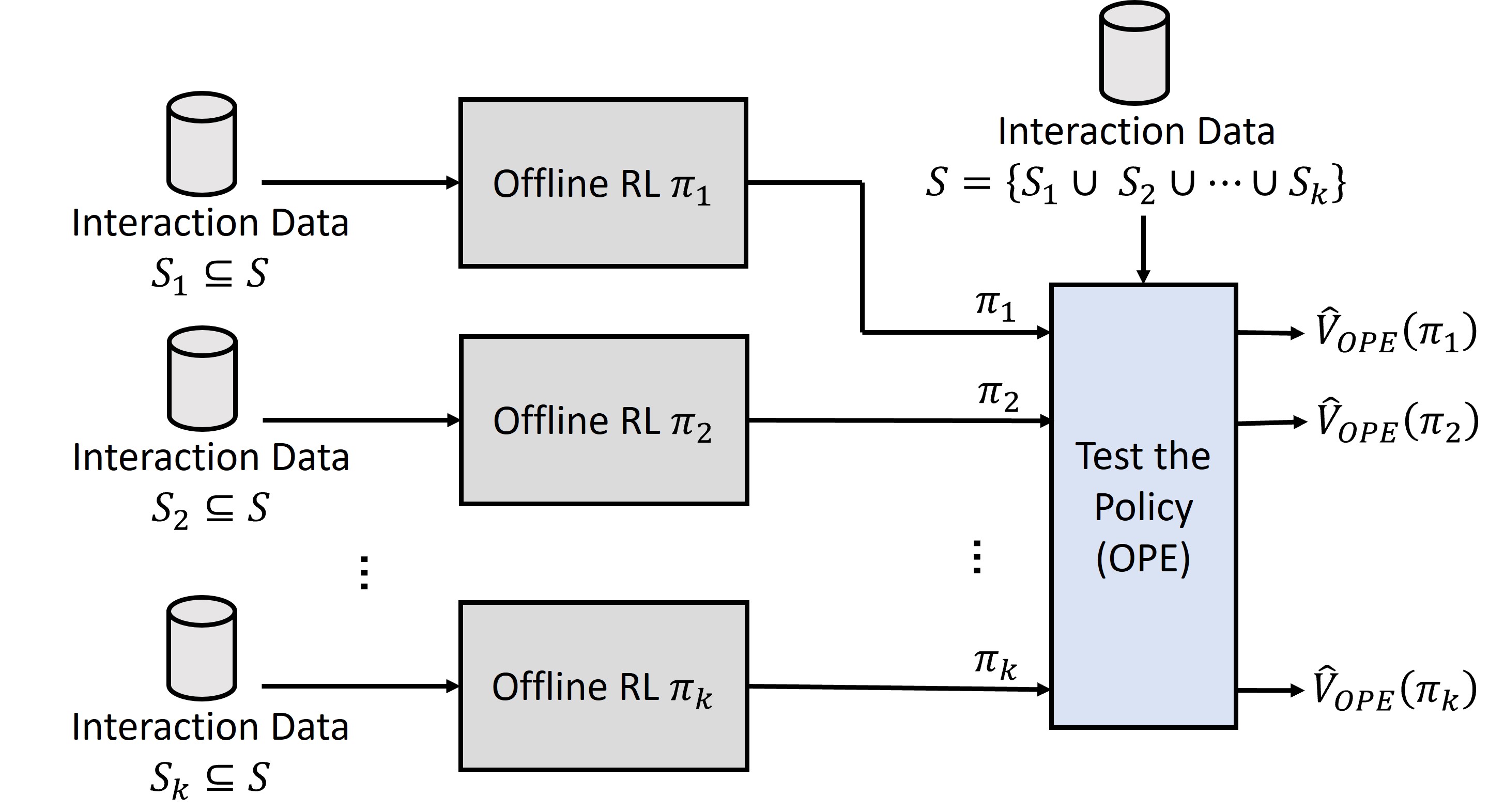
New research demonstrates how leveraging human physiological data and off-policy evaluation can significantly improve the performance and usability of reinforcement learning agents in collaborative robotic systems.
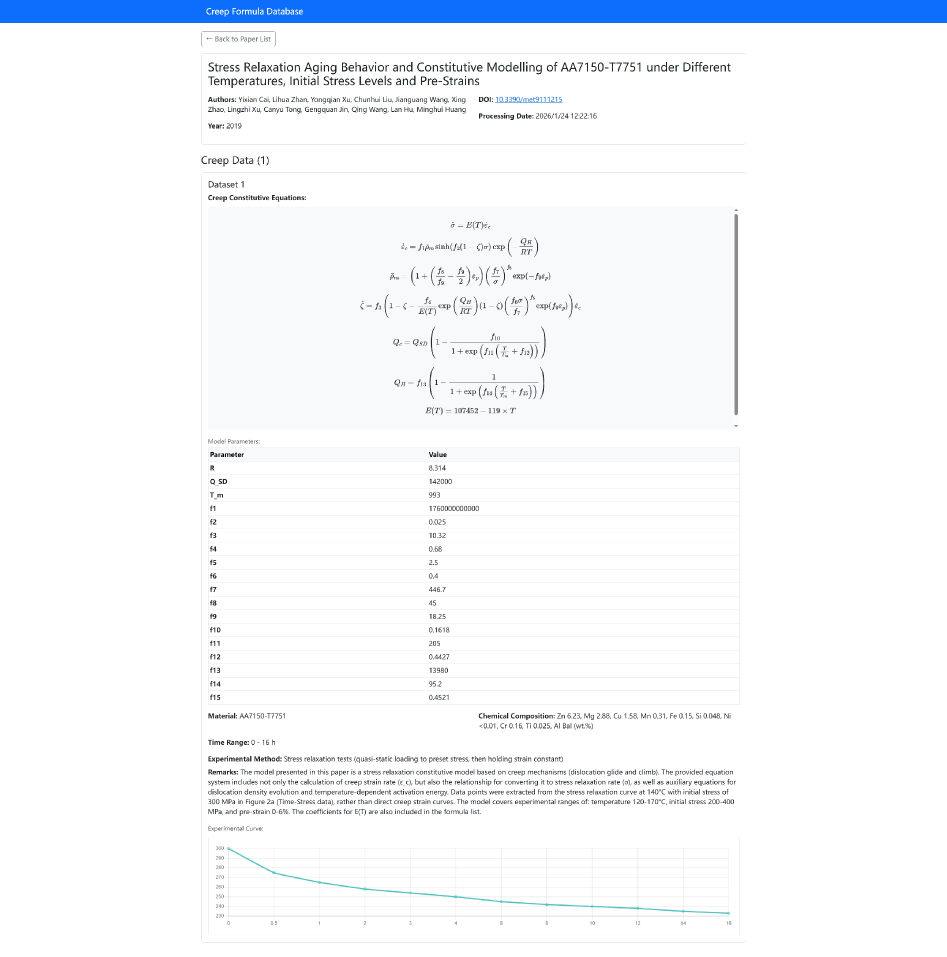
A new framework uses intelligent software to automatically build comprehensive databases from scientific papers, accelerating materials science research.
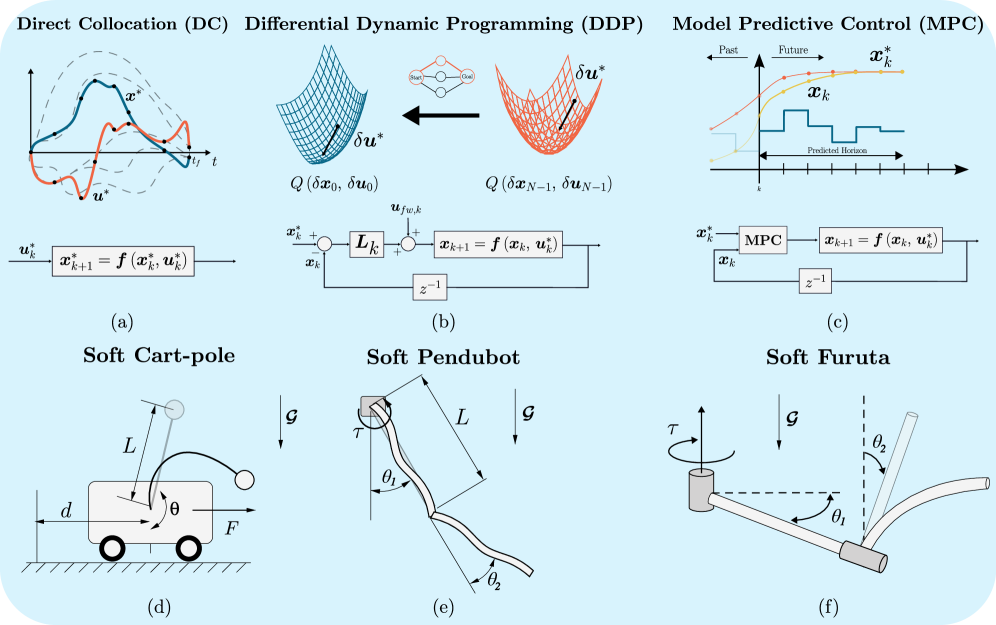
Researchers have developed a model-based control framework to navigate the complexities of high-degree-of-freedom continuum soft robots.
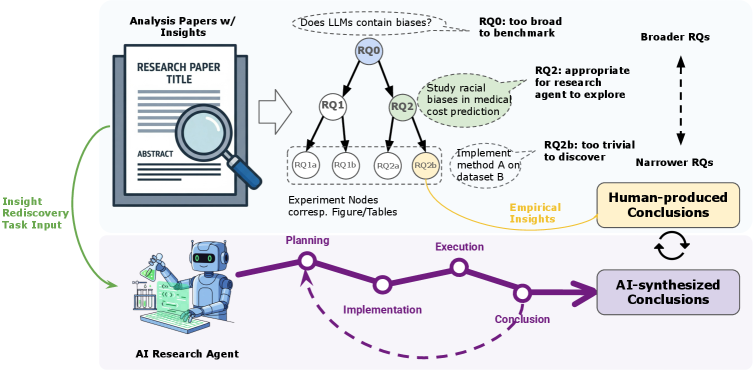
A new benchmark assesses how well autonomous agents can independently arrive at established scientific findings, revealing significant hurdles to automating the full research cycle.
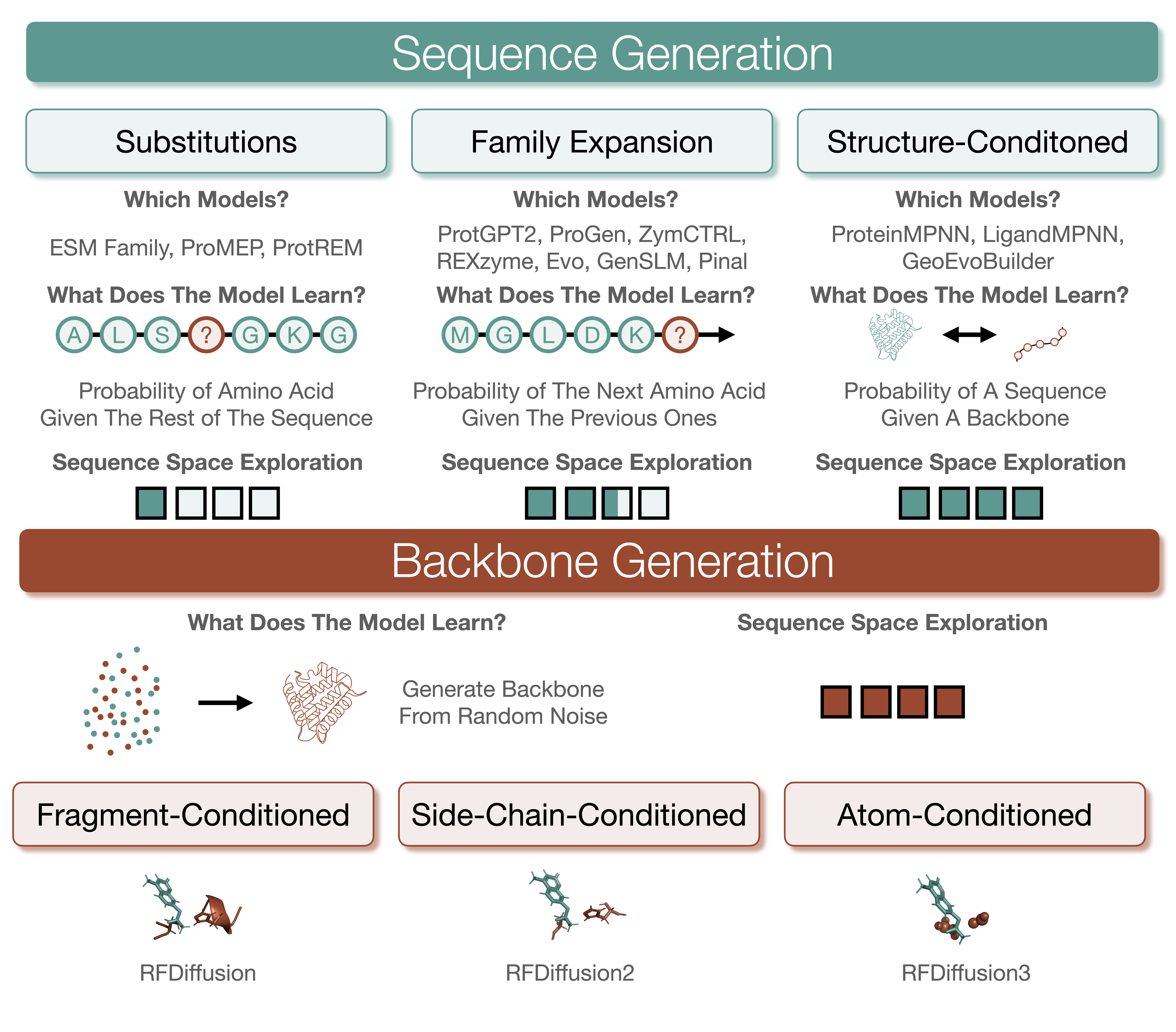
Generative AI is rapidly transforming enzyme engineering, offering new routes to create optimized biocatalysts for industrial applications.
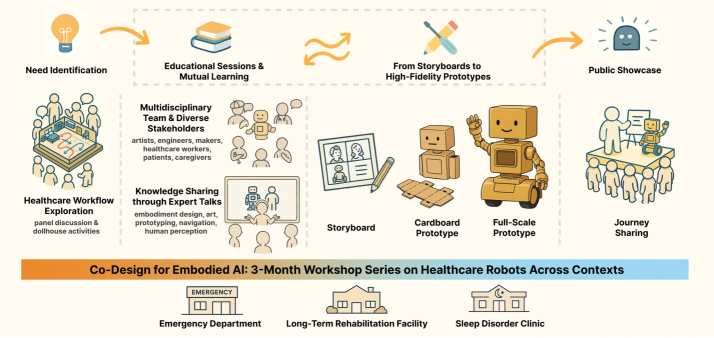
A new study details a collaborative approach to building robots for complex healthcare environments, prioritizing the needs of both patients and practitioners.
A new wave of research demonstrates that large language models, like Gemini, are moving beyond simple automation to actively collaborate with scientists on solving complex problems and generating novel insights.
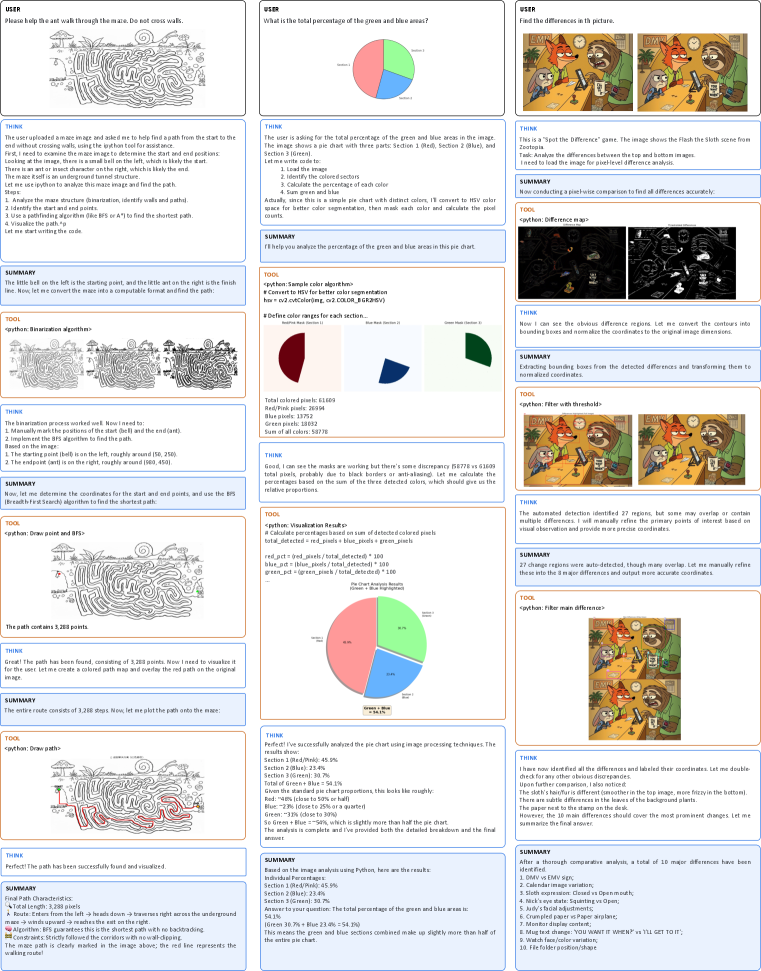
A new architecture, Kimi K2.5, is pushing the boundaries of artificial intelligence by enabling machines to learn from both text and vision, and coordinate complex tasks in parallel.