…
I
I
As a researcher following this situation closely, I’ve observed that the United States continued its strikes against Iran throughout the past week – marking eight consecutive nights of action. Currently, US forces are blocking Iranian ports, and officials in Tehran have stated they are now closing off the crucial strait to any vessels not authorized by them.
This update comes after a CryptoQuant report on June 23rd raised concerns that Strategy Partners was spending its cash quickly despite still buying Bitcoin. Analysts then estimated the company only had enough money to pay dividends for roughly fourteen more months unless it received extra funding.

Crypto analyst CryptoPatel recently pointed out that the $59 level on HYPE’s three-day chart could be a key area to watch. This level combines a few different technical indicators – a bullish order block, a fair value gap, and the 0.382 Fibonacci retracement – making it potentially significant.
Earlier this year, a security incident occurred involving someone using the name “Tyler Knapp” (with the GitHub username *imyugioh*). This person wasn’t a direct employee of Consensys, but rather a consultant hired through another company.
Money doesn’t always flow directly from tech stocks into Bitcoin. When companies report good earnings, it can boost confidence and encourage investment in both the stock market and crypto. However, if earnings are poor, investors might pull back from all risky investments, including stocks, crypto, and other volatile assets.
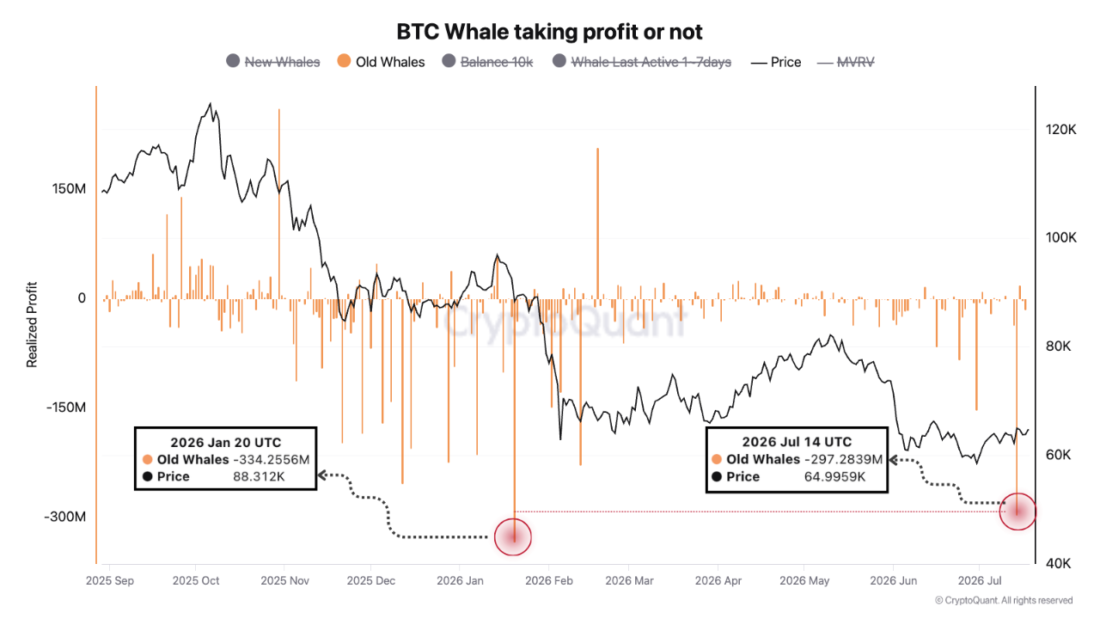
On July 14th, a significant shift occurred in the Bitcoin market. Long-term Bitcoin holders – those who hadn’t sold despite previous price drops since late 2025 – finally started selling at a loss.
On July 17, 2026, Apple stock reached a new daily high, briefly making Apple the most valuable company in the market. While Nvidia experienced a temporary dip, it recovered by the end of the day.
Unlike typical market indexes where larger companies have more influence, the S&P 500 Equal Weight Index gives every stock an equal share. This straightforward approach can significantly impact your portfolio by reducing concentration in a few big names, diversifying across different industries, and potentially lessening the need for frequent trading.