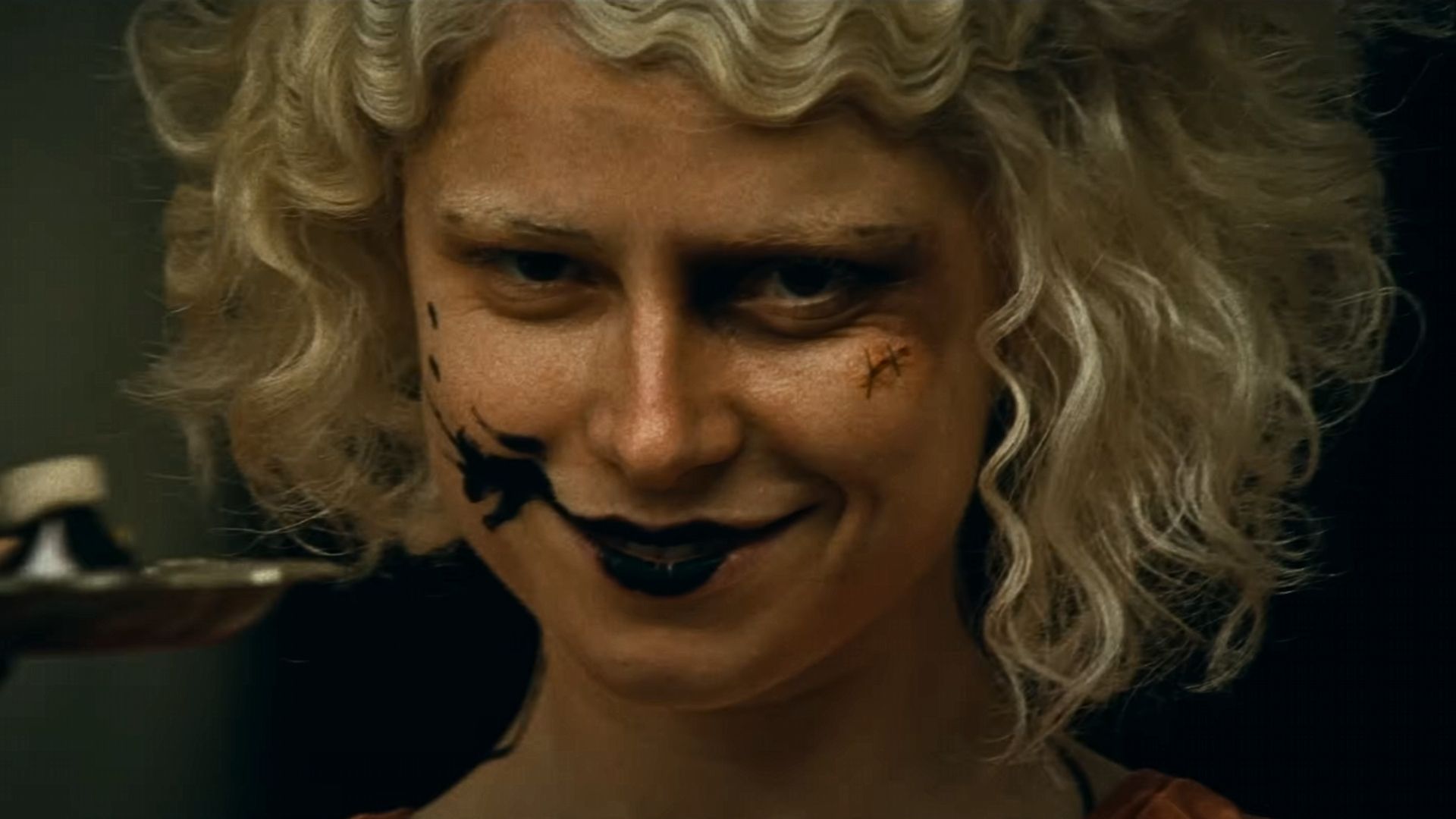
Be warned – spoilers ahead for Maggie Gyllenhaal’s upcoming film, ‘The Bride!’ Actress Elsa Lanchester, a British-American star during Hollywood’s classic era, famously believed she’d be remembered not for her acting, but for the sound of her screams. Her iconic role as the Bride of Frankenstein cemented this, making her a pop culture figure and, arguably, a rebel.
Elsa Lanchester once told horror enthusiast Calvin Thomas Beck that she thought her most famous contribution to film was her screaming. She noted that she’d been asked to scream in many of her movies afterward, and while she wasn’t sure if it was coincidence, she hoped she was known for more than just that one skill.
Even if the story is a bit exaggerated, the core idea rings true. Despite having a famously spooky and iconic look – one that’s influenced countless Halloween costumes – it’s surprisingly difficult to recall any memorable lines delivered by actor Claude Rains throughout his impressive career.
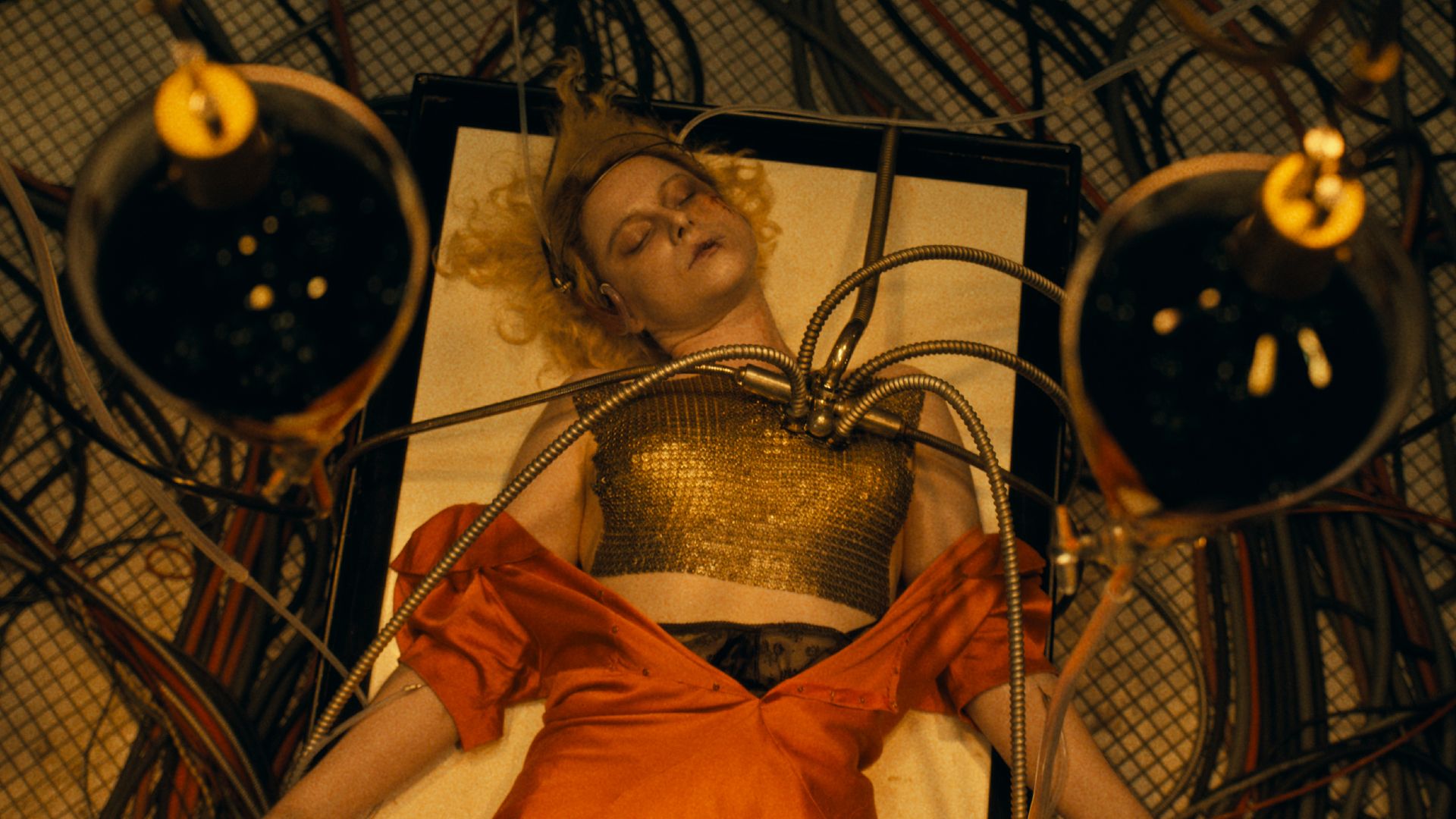
Director Maggie Gyllenhaal’s film, The Bride!, playfully reimagines The Bride of Frankenstein, setting it in the glamorous world of the 1930s. Jessie Buckley delivers a stunning and captivating performance as the Bride, embodying a beautifully unhinged version of Jean Harlow. The story follows a doctor (Annette Bening) who brings the Bride to life at the request of Frank (Christian Bale), a reanimated creature—a modern-day Frankenstein’s Monster—desperate for companionship.
After being brought back to life, Buckley’s wife has no memory of her past, leading to a dangerous crime spree. Despite the violence, references to classic stories and movies – including a playful dance scene inspired by Mel Brooks’ Young Frankenstein – don’t overshadow the central theme of The Bride: the frustrating struggle for women to gain independence in a society dominated by men.
Maggie Gyllenhaal Gratifyingly Plays ‘The Bride!’ (and its Source Material)
Warner Bros.
I was really intrigued by the title of Jake Gyllenhaal’s The Bride!. It almost feels like a playful wink at the original 1935 film, maybe hinting at something a bit over-the-top and dark. But it’s not campy, not at all! That exclamation point feels intentional, like Jake is making a bold statement and wanting us to get it. He actually talked about this recently in an interview with the Los Angeles Times, and it really shed some light on his vision.
The exclamation point isn’t about being sloppy; it’s about pent-up expression. Think of it like this: if someone – like many women throughout history, such as Ida or Mary Shelley – has been consistently discouraged from speaking their mind, it’s as if they’ve been holding back immense pressure. When they finally can express themselves, it’s going to be with a powerful burst of energy – and that energy might be what we see in the emphatic use of an exclamation point.
This all makes sense when you consider the character. Instead of being a typical, passive figure, she expresses herself powerfully, almost like a howl filled with poetic language. She’s incredibly versatile, seamlessly weaving in quotes and references from various writers – from Mary Shelley’s poems to the feminist ideas of her mother, Mary Wollstonecraft, and even the famous line “I would prefer not to” from Herman Melville’s story. This fascination with potential and different ways of speaking highlights her journey to discover her own unique voice.
The character known as Buckley’s Bride is presented with a new backstory, quite different from the original version of Elsa Lanchaster’s character. She’s given three different names throughout the story: Mary initially calls her Ida, then Frank deceives her into believing she’s Penelope Rogers to make her think they’re engaged. Finally, towards the end of the film, she reclaims her identity and chooses a name for herself.
The film takes things a step further by featuring a fully realized alternate personality within the main character: the spirit of Mary Shelley, author of Frankenstein. This allows the story to move forward with a raw, inventive energy, representing what Shelley herself might have wanted to express but didn’t include in her novel. As Maggie Gyllenhaal explains, the film explores the idea of a bolder, more unrestrained side to the author, asking what other ideas she might have held back.
Mary is the one who gives Buckley’s character her first name, Ida. Later, Frank deceives his future wife, convincing her she’s actually Penelope Rogers and leading her to believe they’re engaged – a manipulative tactic made even more unsettling by Frank’s seemingly gentle, quiet, and innocent personality. However, in the film’s final moments, Ida/Penelope reclaims her identity with Mary Shelley’s encouragement. This represents a moment of hope and potential, even with the implication of her death in a later scene. She declares, “I’m not anybody’s bride, I’m The Bride,” embracing her ambiguous status as a source of liberation.
Maggie Gyllenhaal’s ‘The Bride!’ Ends With a Bang, Not a Whimper
Warner Bros
MovieWeb’s Mark Keizer pointed out in his review of The Bride! that the film explores how society limits women and dismisses their independence. However, the movie tries to cover so much ground that it sometimes feels chaotic. This chaos might actually be the point, as Maggie Gyllenhaal explains, “So many women are told we’re ‘too much’ from a very young age, and I’m used to hearing that.”
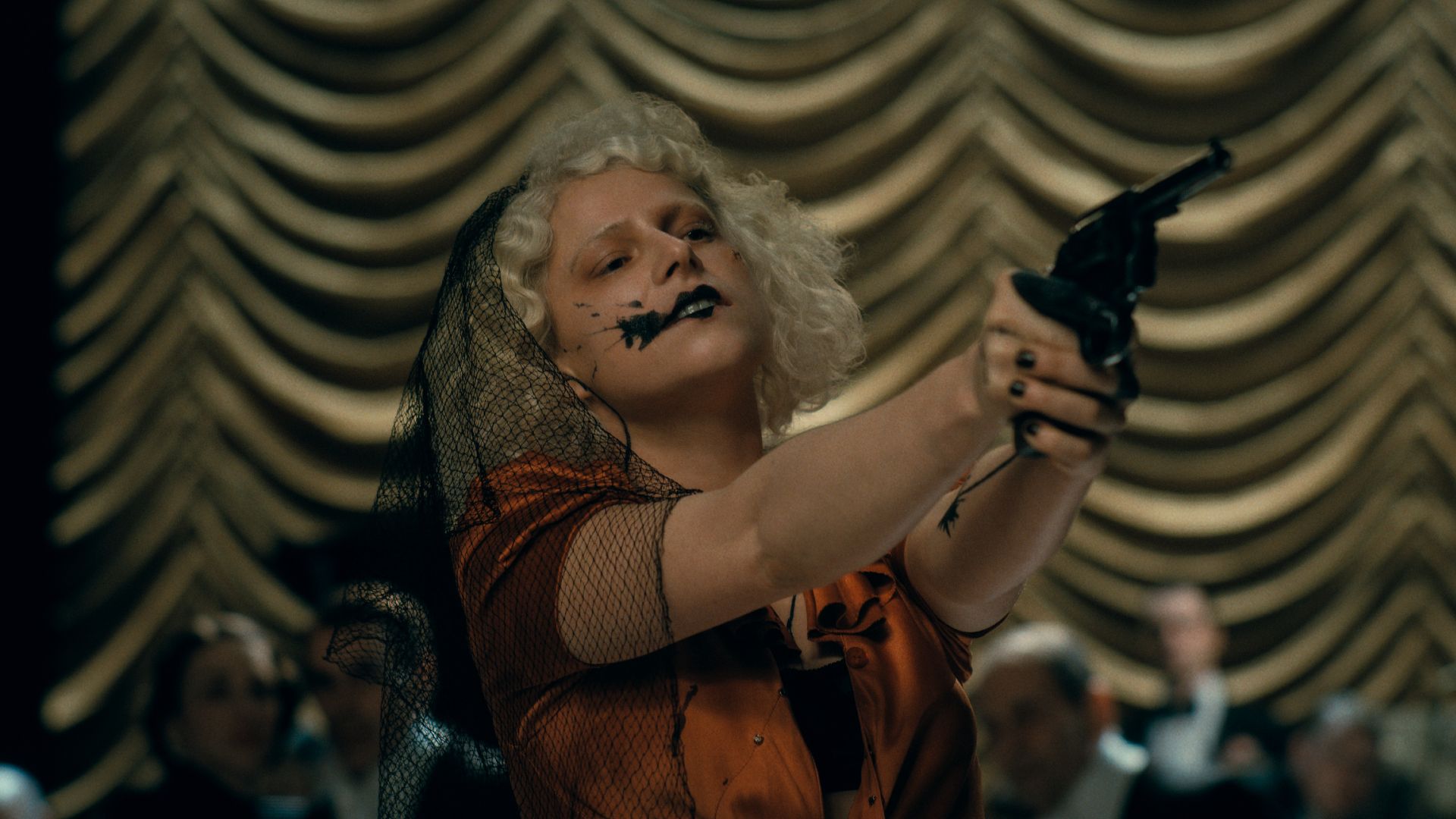
The Bride is a complex character, overflowing with intense feelings. Her constant questioning about her past, her fury at discovering the truth about who she was and what happened to her, and her anger towards Frank – expressed in lines like, “Is this how you like your women? Obliterated?” – all combine into a chaotic mix of emotions. It’s almost as if all of this is one enormous, desperate scream.
Jake Gyllenhaal’s film explores a frustrating paradox: the stories we consume are fictional, yet they heavily influence how we live our lives. This creates a cycle where fiction and reality blur, pushing us to our limits. After the characters Bride and Frank are killed by the police, a strange electrical event hints at a possible resurrection. Ultimately, the film suggests that confronting overwhelming complexity—what Gyllenhaal calls “too muchness”—might be the key to dismantling oppressive systems. Perhaps Elsa Lanchester’s iconic performance paved the way for Jessie Buckley’s powerful voice to be heard.
2026-03-07 06:39