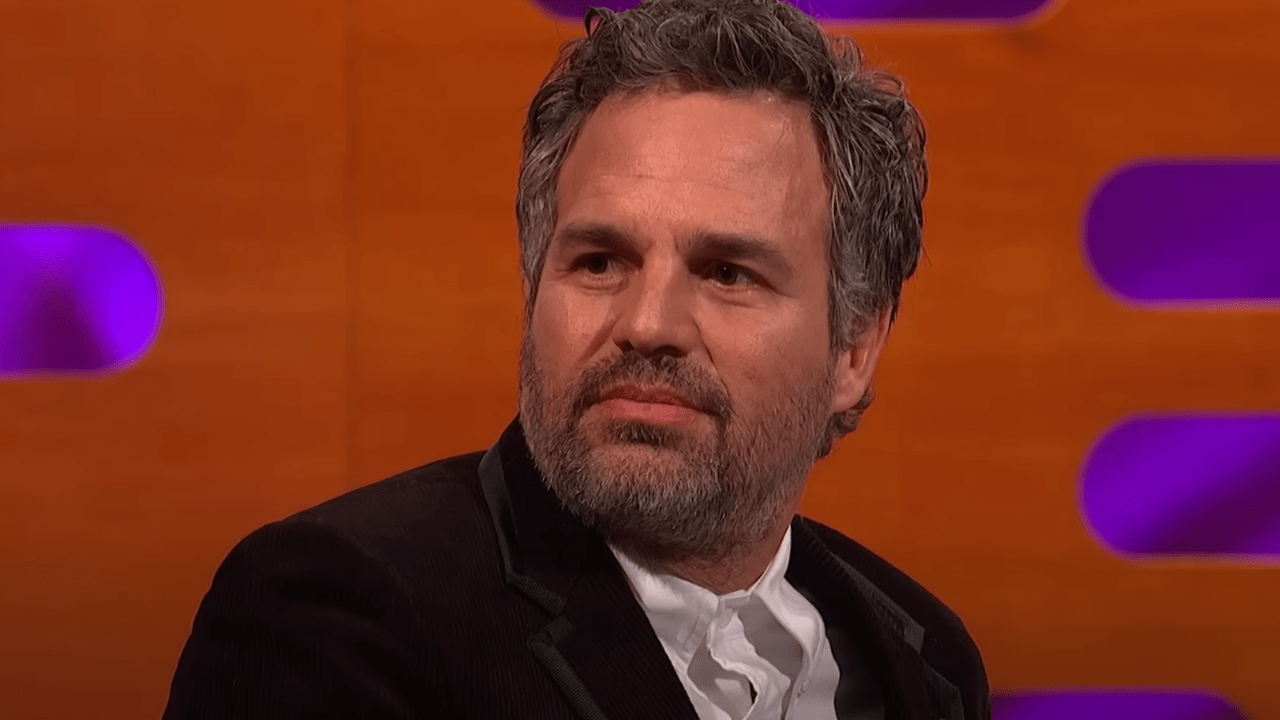
I’ve been really struck by how quiet most Hollywood celebrities have been about everything happening in the Middle East, especially considering how often they joke about Iran. It’s weird to see them so silent while such important and impactful events are unfolding.
We’re hearing from some celebrities like Rosie O’Donnell, Mark Ruffalo, and Jane Fonda, but many big names and rising stars are staying silent. There’s a new financial reason for celebrities to avoid controversial topics that might upset moviegoers – something they haven’t faced in a long time.
There’s been recent talk online suggesting that Paramount Skydance secretly avoids working with celebrities who share political views that might hurt a movie’s success at the box office.
There’s no official proof to support these claims, but the discussion brings up an interesting point about Hollywood today: why haven’t many top actors spoken out about the recent increase in conflict between the U.S. and Iran?
Paramount has been vocal about its stance on the war in Gaza. In September, it was the first major studio to publicly condemn an open letter – signed by prominent actors like Emma Stone and Javier Bardem – that called for a boycott of Israeli film organizations. (Warner Bros. later followed suit, but explained its decision was based on legal concerns.) Sources indicate Paramount also keeps track of individuals it chooses not to work with, though it’s unknown if those who signed the boycott letter are included. (Update, Nov. 7: Insiders say Paramount doesn’t maintain a formal list, but its leadership shares certain principles and isn’t interested in collaborating with anyone who publicly expresses hateful or harmful views.)
— Tatiana Siegel, Brent Lang, Matt Donnelly, Variety
The main topic of conversation is Paramount Skydance – the new company formed when Skydance Media merged with Paramount Global – and its recent purchase of Warner Bros.
A media company supportive of Donald Trump could soon become a major player in film and streaming, potentially surpassing established Hollywood studios. The entertainment industry is facing difficulties, and even celebrities are realizing the landscape has changed – speaking out against the current climate could jeopardize their careers and financial stability.

I’ve always been impressed by how Skydance, under David Ellison, has built a studio that really knows what it’s doing when it comes to making commercially successful films. They’re clearly focused on creating big, popular franchises – you can see it in their work on movies like Mission: Impossible, Top Gun, and Transformers, which everyone seems to love worldwide. And if they go through with buying those assets from Warner Bros. Discovery, it would make them an even bigger force in blockbuster filmmaking and getting those movies into theaters everywhere.
As a film fan, I’ve been hearing a lot of talk lately about how actors who speak out on controversial issues might be getting overlooked for big blockbuster roles. Basically, the word is that studios are hesitant to cast people who could potentially turn off a large part of the audience. It’s not an official policy, of course, but it seems like expressing views that some viewers disagree with could quietly hurt your chances of landing those major parts.
Today’s big-budget movies often cost over $200 million to make and promote, so studios rely heavily on ticket sales worldwide to earn back that money. International markets, like those in the Middle East and Asia, are especially important sources of revenue. Because of this, any public scandal involving a movie’s star can significantly hurt advance ticket sales, sponsorships, and theaters’ willingness to show the film.

Hollywood has often swung back and forth between openly supporting causes and playing it safe to make money. During the Iraq War, some actors and actresses faced negative consequences for speaking out. Lately, studios are relying more and more on data to predict what will be successful and avoid risks.
Today, marketers are using tools to understand public opinion on social media, assess global risks, and ensure brand safety. It’s not necessary to have an official list of prohibited topics for these factors to influence creative decisions. Simply believing a company prioritizes commercially safe content over work with strong viewpoints can be enough to change how people behave and what they create.
It’s striking how little celebrities are talking about the current conflict in the Middle East. Usually, when international conflicts happen, famous people quickly share their opinions on social media like X and Instagram, often causing strong reactions. This time, however, there’s been a noticeable lack of public statements from well-known figures.
I’ve been thinking about why so many in the industry stay quiet on certain issues, and it seems like there could be a few reasons. One is simply a calculated decision to remain neutral. Another is that many people, especially those working with franchises, have contracts that require them to maintain a certain public image and promote things in a specific way – they’re essentially obligated to stay on message. And then there’s a more worrying thought – that people might be afraid to speak out, especially with studios becoming so powerful and consolidated.
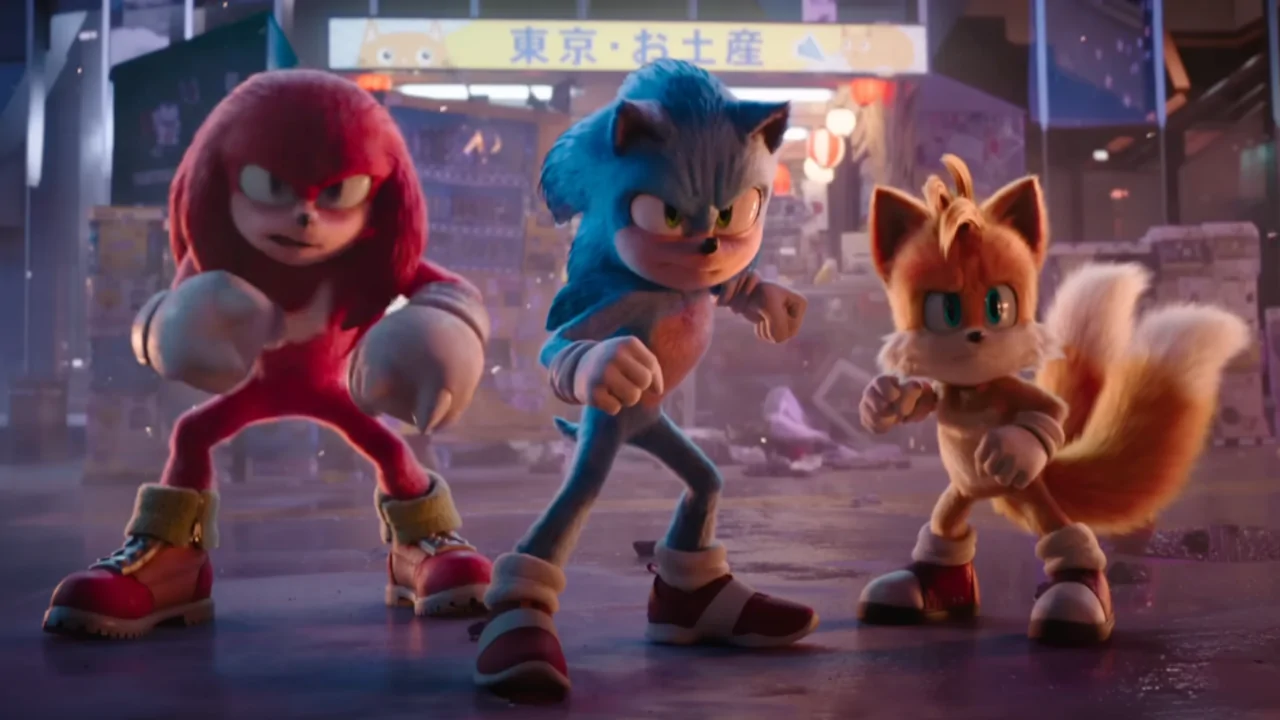
While popular children’s entertainer Ms. Rachel may be speaking out about possible propaganda, anyone currently trying to make a movie is keeping quiet.
If Skydance takes control of Paramount Global and then acquires or heavily influences parts of Warner Bros. Discovery, the combined company would dominate major movie releases, streaming content, and how films are distributed.
In this situation, an actor considered a potential risk could find their job options limited. Even without direct instructions, casting directors are motivated to avoid anything that might create problems when releasing a project internationally.
Despite claims to the contrary, there’s no official, public list of people excluded from working in Hollywood. While major studios insist they don’t keep such lists, the industry has historically engaged in practices that harmed careers, like the blacklisting era of the mid-20th century. Today’s situation isn’t the same, and isn’t as extreme. However, the way market forces and company consolidation can lead to self-censorship is a new issue that deserves attention.
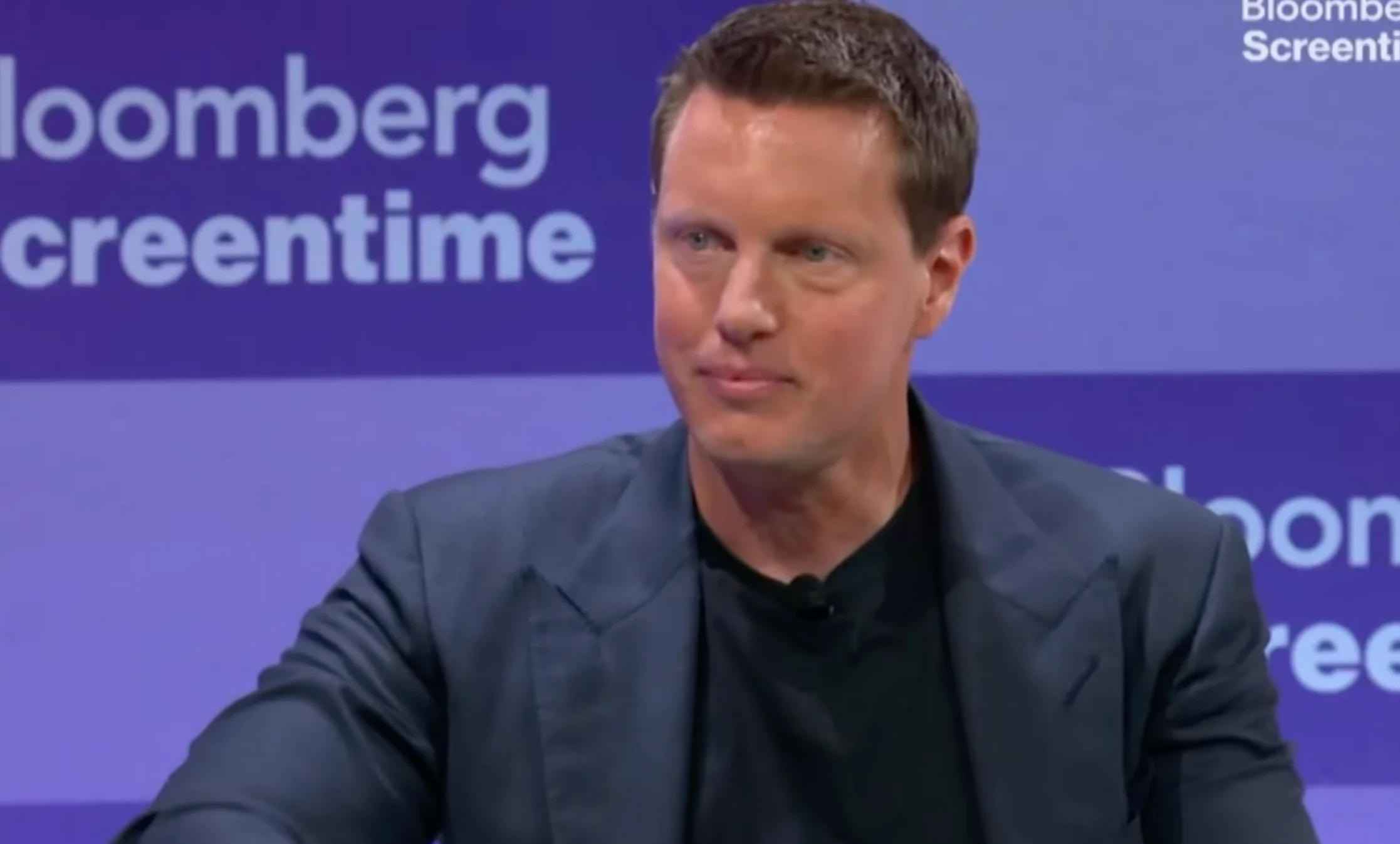
It’s unclear why celebrities are staying quiet about current conflicts – are they being careful, truly unsure what to think, or worried about their careers? The reasons likely vary from person to person.
It’s becoming increasingly obvious that Hollywood, driven by franchises and big corporations, now favors safe bets over originality. Trying to create something different or take risks – what some call ‘woke’ entertainment – seems like a financially difficult and isolated path for any actor or filmmaker who chooses to pursue it.
Often, when celebrities don’t publicly share their opinions, it’s not necessarily because they don’t care, but rather because the way the entertainment industry is structured discourages them from doing so.
2026-03-02 19:58