
Mark Ruffalo criticized James Cameron after Cameron cautioned politicians that Netflix buying Warner Bros. Discovery could seriously harm movie theaters. Ruffalo shared his reaction on Threads, shifting the focus of the argument and adding a political dimension to an already tense debate within the film industry.
Ruffalo Fires Back
Following James Cameron’s letter to Senator Mike Lee expressing worry that the Netflix-Warner deal would harm movie theaters, Mark Ruffalo wondered if Cameron was raising the same concerns about all similar deals.
Mark Ruffalo tweeted a question for David Cameron, asking if he opposes the potential monopoly that would result from Paramount buying up more of the media landscape, or if his concerns are limited to Netflix’s dominance.
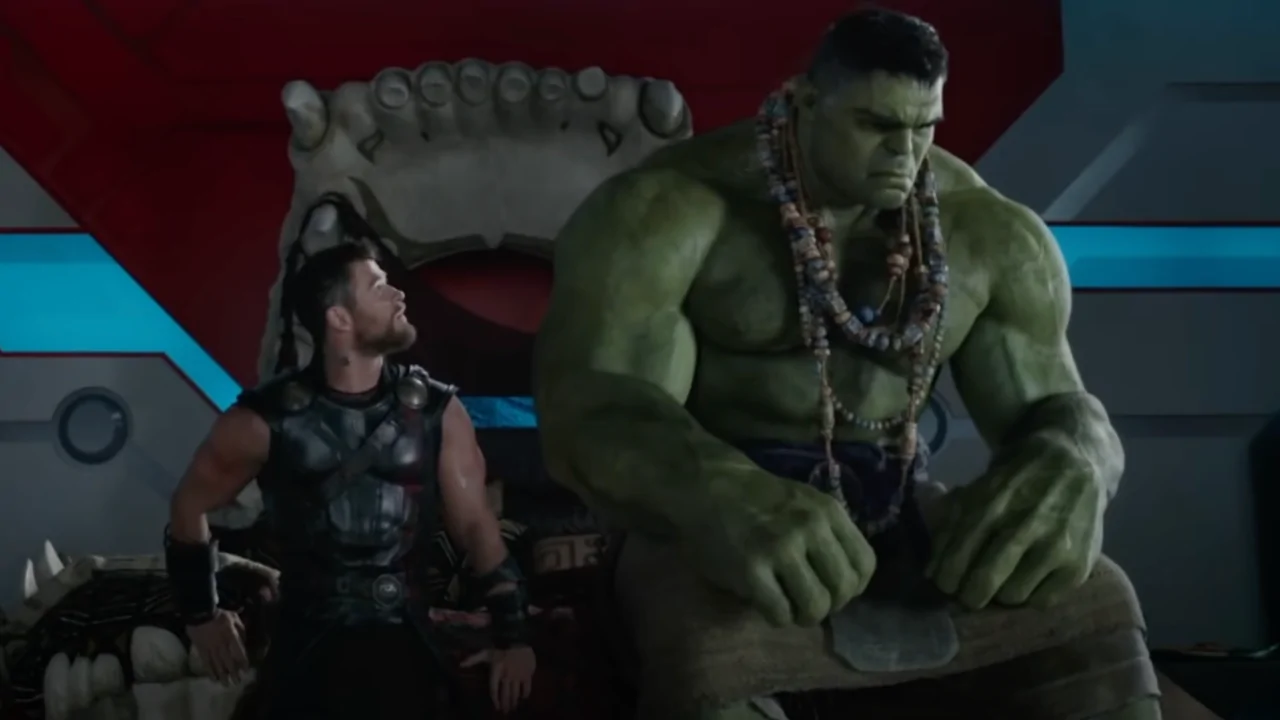
He added that the film community is eager to know if Mike Lee also opposes the proposed sale of Paramount, just as he does with Netflix. He believes this question needs to be addressed right away, speaking for filmmakers around the globe.
The comments immediately gained attention within the entertainment world, mainly because they seem to change the conversation from Cameron’s original worry – keeping movie theaters alive – to bigger questions about fair competition and monopolies.
What Cameron Actually Warned About
Cameron didn’t initially focus on Netflix creating a monopoly. His main point was that Netflix’s way of doing business simply doesn’t work with how movies are usually released in theaters.
According to Cameron, if Netflix acquires Warner Bros. Discovery:
- “Theaters will close.”
- “Fewer films will be made.”
- “The job losses will spiral.”
He also cautioned that Netflix prioritizing streaming over traditional movie theaters harms the film industry and the many Americans who work in it.
In other words, Cameron’s concern is structural — not purely antitrust-driven.
A Familiar Ruffalo Playbook
Mark Ruffalo often shares his political opinions. He’s been a vocal activist in Hollywood for years, regularly speaking out about important issues like government policies, elections, and the power of media companies.

Mark Ruffalo has often faced criticism online and in political discussions for expressing strongly biased opinions and an intense dislike of Donald Trump. This reputation continues to follow his public statements. His recent post is now being seen by some as another instance of this tendency, especially since he shifted the focus to Republican Senator Mike Lee instead of responding directly to concerns about the movie’s release.
The Real Industry Fault Line
What’s especially noteworthy about this disagreement is that Cameron and Ruffalo seem to be misunderstanding each other, as if they’re not really addressing the same points.
- Cameron’s argument: Netflix’s model threatens theaters and film production economics.
- Ruffalo’s argument: Why single out Netflix if other consolidation (like Paramount) is also possible?
These two ideas both relate to the larger trend of companies merging in Hollywood, but they highlight different issues.
And that distinction matters.
Movie theaters are still a key point of contention between the old studio system and the rise of streaming services. James Cameron has consistently championed the value of seeing films on the big screen, and he’s held this belief even before the recent changes and mergers within the industry.
The Bigger Picture
Hollywood is bracing for increased pressure as Warner Bros. Discovery shareholders prepare to vote on a potential takeover by Netflix, while Paramount Skydance remains a possible rival bidder.
I keep hearing from Netflix’s Ted Sarandos that they’re committed to still releasing some movies in theaters. He even went as far as to jokingly offer a ‘blood oath’ that their current approach – a mix of theatrical and streaming releases – won’t be changing much. It’s reassuring to hear, honestly, as I really enjoy seeing certain films on the big screen.
However, some people aren’t persuaded, and that’s partly because Sarandos has previously suggested that the old way of releasing movies in theaters is no longer relevant.
Bottom Line
The disagreement between Mark Ruffalo and James Cameron points to a larger debate within Hollywood: is the biggest problem the increasing power of major companies, or Netflix’s approach of focusing primarily on streaming?
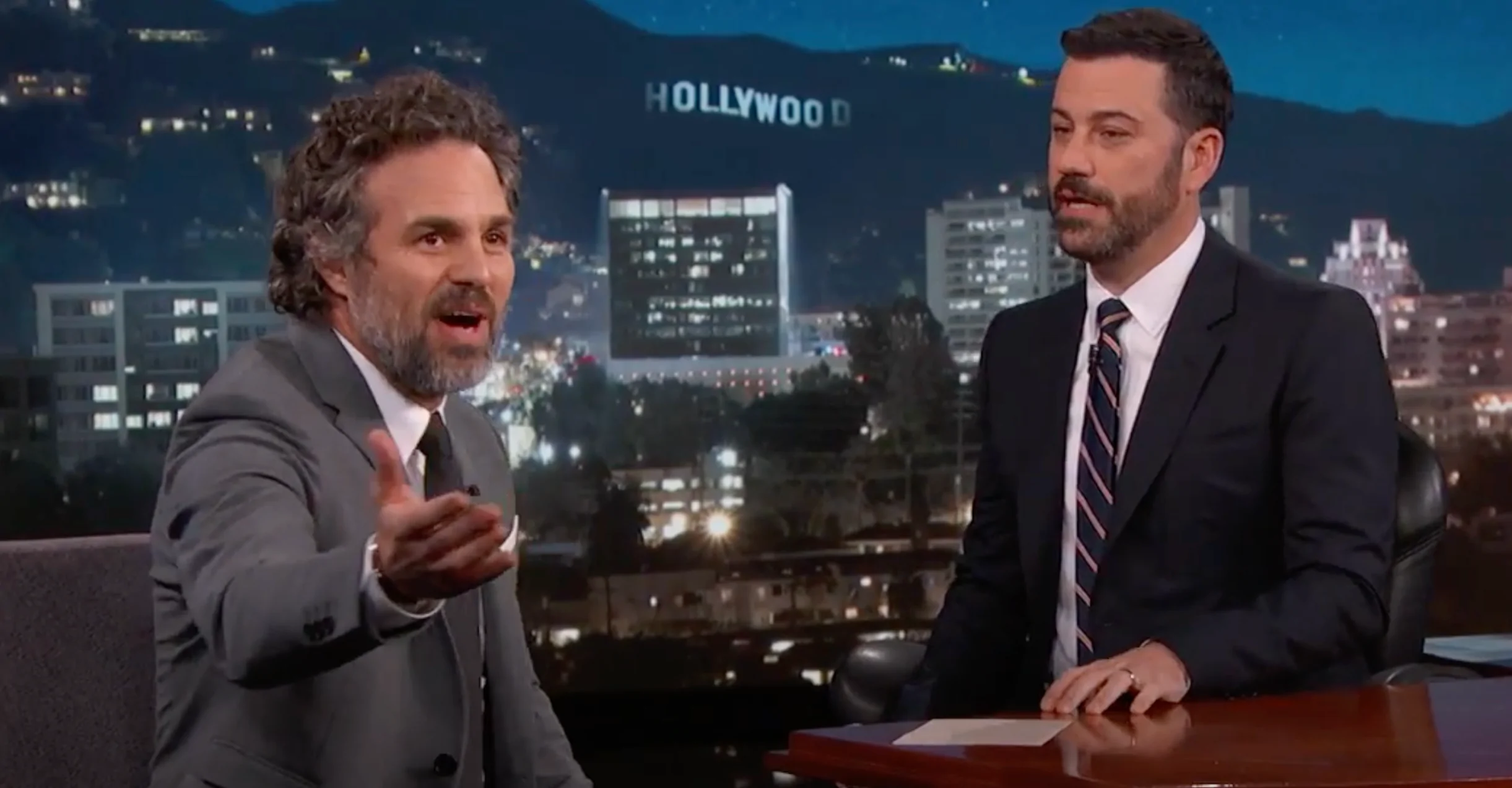
The debate about what’s next for movie theaters has moved out of private meetings and into the spotlight, becoming a major issue for the entire film industry and attracting public and political attention.
2026-02-22 20:57