The BlackRock IBIT Bitcoin ETF has recently sold around 100,000 Bitcoins to fulfill investor requests for withdrawals. It now holds a little over 733,000 BTC. Meanwhile, the price of Bitcoin has increased by nearly 10% after dropping to below $57,000 in early July 2026 – a significant decrease from its peak above $126,000 in October 2025.
According to Bloomberg Intelligence ETF analyst Eric Balchunas, looking at the past performance of gold ETFs can help us understand what’s currently happening with Bitcoin ETFs. He suggests that the 22-year track record of gold ETFs offers a valuable comparison for anyone invested in a Bitcoin ETF right now.
Bitcoin exchange-traded funds (ETFs) are expected to follow a similar path to gold ETFs – experiencing both successes and setbacks. A look at the 22-year history of gold ETFs provides valuable insights for those investing in Bitcoin ETFs. Both types of funds hold assets that don’t produce income, relying instead on price appreciation, which creates unique challenges for investors.
— Eric Balchunas (@EricBalchunas) July 17, 2026
This isn’t just noticing that markets are struggling. It’s a deeper look at how emotions drive investment in certain types of assets, and what that means for how long investors will hold on and how market cycles usually play out.
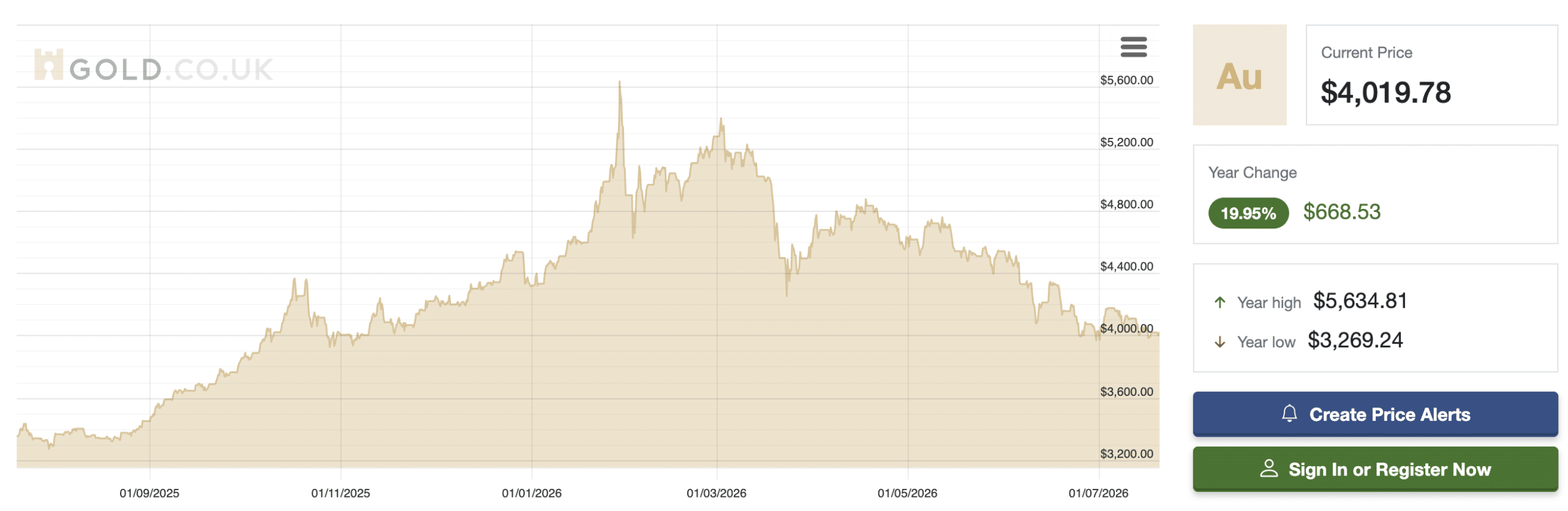
Now, the key question isn’t *if* Bitcoin ETFs will experience price drops, but whether investors realize that even gold, a traditionally safe asset, went through a long period of little to no growth – eight years, in fact – before eventually reaching record highs.
The Mechanism: Why Non-Yielding Wrappers Follow Sentiment, Not Fundamentals
(SOURCE: gold.co.uk)
In a recent Bloomberg article from July 17th, James Balchunas pointed out that both gold ETFs (like GLD) and Bitcoin ETFs don’t generate income on their own; instead, their prices rise and fall based on what investors *think* about them, not because of any earnings or dividends.
This causes gold prices to fluctuate wildly, quickly responding to shifts in buying and selling without being tied to its underlying value. While gold, through the GLD ETF, briefly held the title of the world’s largest exchange-traded fund in 2011, it has faced difficulties returning to that position in subsequent years.
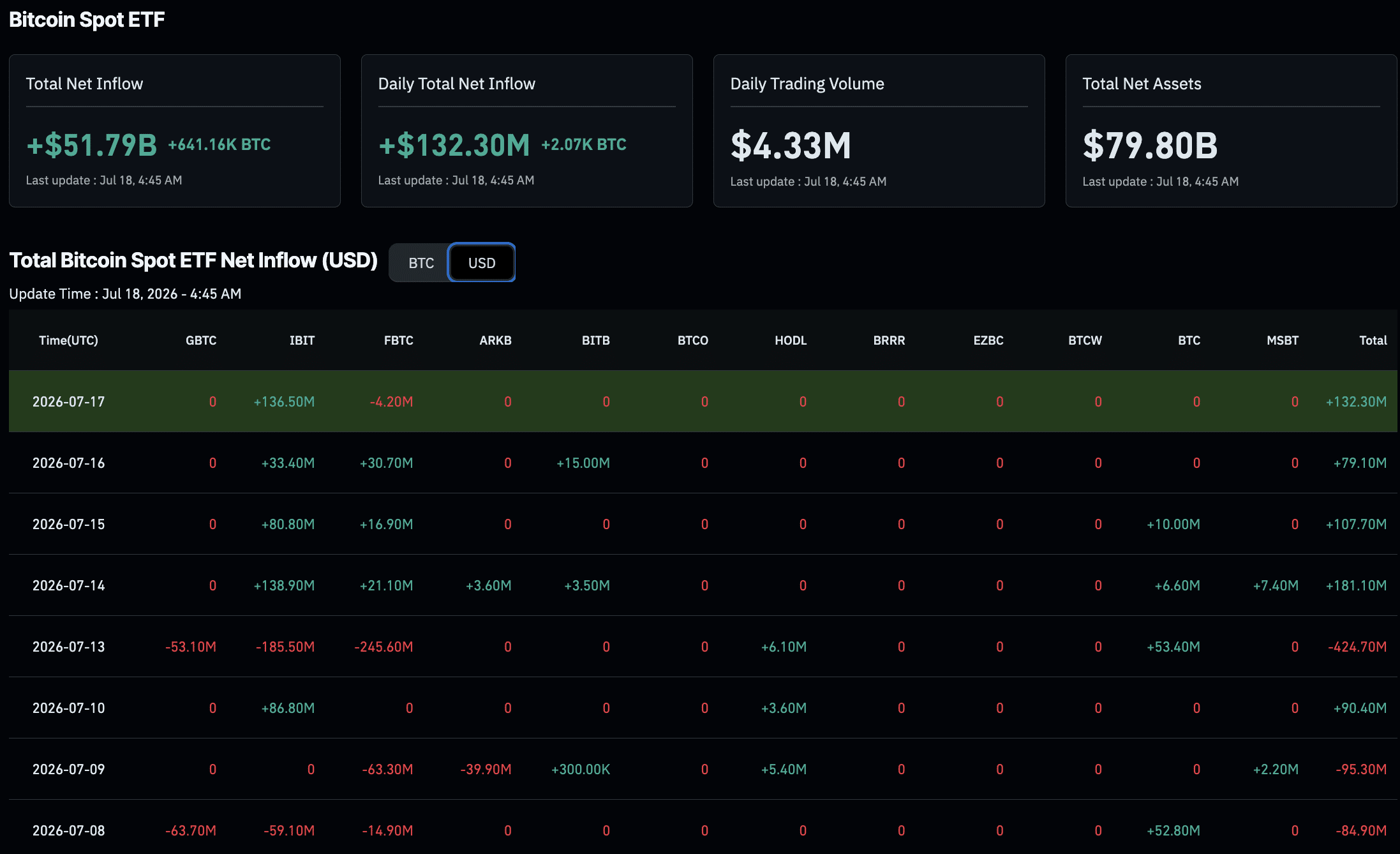
He pointed out that demand isn’t always consistent, using IBIT as an example. U.S. spot Bitcoin ETFs, which launched in January 2024, have already attracted around $38 billion in investments, making them some of the most quickly growing funds ever.
Since gold ETFs launched in 2004, the total value of gold has grown to almost $28 trillion, suggesting a positive long-term outlook despite any current difficulties.
EXPLORE: Best Meme Coins to Buy in July
Institutional Demand: The Stabilizing Variable in the Current Bitcoin ETF Drawdown
(SOURCE: CoinGlass)
Recent data on redemptions from the IBIT ETF is an important sign of potential market stress. Analysts point out that investor money flowing into ETFs is key to Bitcoin’s price going up. IBIT recently sold almost 100,000 BTC to fulfill requests for withdrawals, demonstrating how quickly negative feelings can lead to selling in a difficult economic climate. Experts at Bitfinex caution that more large-scale withdrawals could threaten the recent gains Bitcoin has made.
According to Simon-Peter Massabni at XS.com, there’s strong interest in Bitcoin from institutions – even more than current trading volumes suggest. He noted that the new spot Bitcoin ETFs are consistently bringing in investments, which is helping to stabilize prices when the market dips.
This idea backs up Balchunas’ argument that money from institutions investing in Bitcoin ETFs might be steadier than individual investors’, possibly resulting in a less severe and shorter price dip compared to the eight-year period of stagnation seen with gold. However, recent selling activity with BlackRock’s IBIT ETF hasn’t yet proven whether this will actually happen.
The High-Water Mark Thesis: Each Gold Cycle Set a New Peak
$BTC tried to reclaim $65,000 but failed again.
As long as Bitcoin stays below it, sellers will be in control.
— Ted (@TedPillows) July 20, 2026
Balchunas predicts a positive future for gold ETFs despite current difficulties. He notes that each previous cycle has reached new peaks, leading him to believe the recent drop in Bitcoin (from over $126,000) is just a short-term dip and not a sign of lasting problems.
For those investing in crypto ETFs, the big question now is what will revive interest after this recent slowdown. Will it be triggered by broader economic changes, such as a change in policy from the Federal Reserve? Or will trading activity simply level off, similar to what happened with gold ETFs (GLD) after 2012?
Bitcoin’s bounce back from below $57,000 supports Balchunas’ predictions, but it’s still too early to say for sure if those predictions will come true. Looking at gold as an example, a lack of interest or returns isn’t necessarily a problem; what really matters is how people *feel* about the asset, and that positive feeling tends to return naturally over time.
DISCOVER: Best Meme Coins to Buy in 2026
2026-07-20 14:39