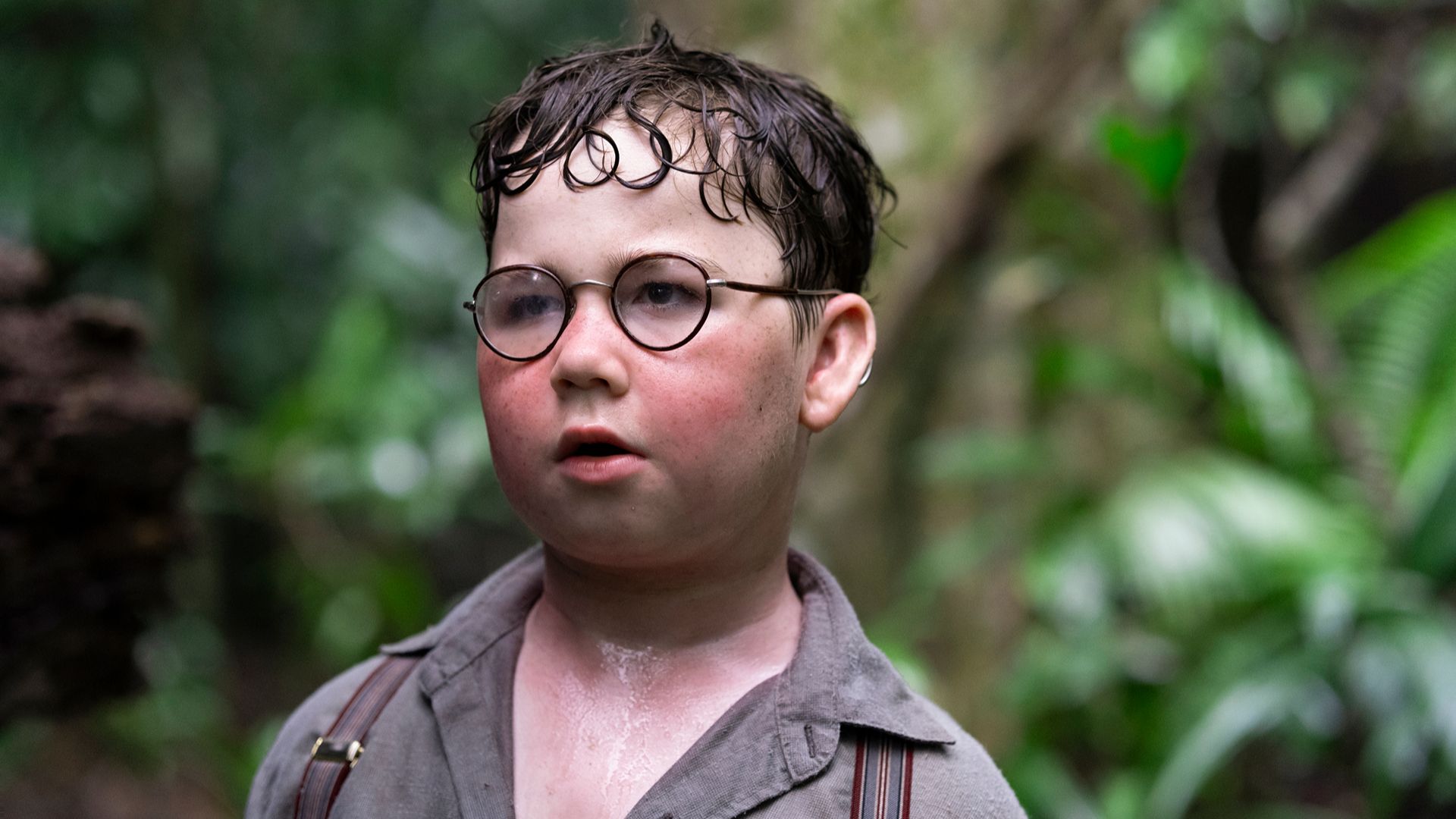
Be warned – this article contains spoilers for the Netflix series Lord of the Flies! Every death in the new Netflix adaptation of William Golding’s 1954 novel is important to the story. While there have been several versions of Lord of the Flies, each one is a little different. However, they all explore the same core idea: the struggle between order and primal instincts, and the potential for darkness within people. These shocking deaths are essential to conveying that message.
The novel Lord of the Flies suggests that the main characters weren’t aware of all the deaths that occurred on the island. The story begins after a plane crash leaves a group of evacuating children stranded, and while all the adults perished, some children likely died in the crash as well. By episode 4, Ralph has lost count of how many boys are even on the island. With all the chaos of fires, hunting, and fighting, it’s possible other children disappeared without anyone noticing.
The deaths in Lord of the Flies show just how chaotic things become for the boys on the island, but each loss of life also reinforces the novel’s central message. These deaths create a harsh and unsettling picture of the potential for darkness that exists within everyone, even those who seem innocent.
The Pilot

It’s chilling to think about what almost happened – the entire plane crew could have been lost when it crashed before the story of Lord of the Flies even began. Thankfully, the boys only discovered the pilot, still secured in his seat, which must have broken free during the impact. They quickly realized they needed to deal with the body, but it was too heavy for them to move down to the beach. That’s when Jack, played by Lox Pratt, suggested the horrifying solution of simply pushing the body over the cliff.
Even before the group of boys completely broke down, this incident was the first hint of the violence that would emerge in Lord of the Flies. Piggy was disturbed by how they were treating the pilot’s body, believing it was disrespectful. Jack defended their actions by blaming the pilot for the plane crash. Ultimately, it became clear the boys were simply fascinated by watching the corpse fall—a small but telling sign of the wildness growing within them.
The Littlun With The Birthmark

The first major tragedy in the four-part series of Lord of the Flies happened when a large fire blazed out of control. Piggy had cautioned the boys that they were using too much dry wood, but they ignored his warning. Soon, flames spread across half the island. A cliff face thankfully prevented the fire from spreading to the entire island and saved most of the boys, but several of the younger children were asleep on the side of the island where the fire was raging.
Ralph, Piggy, and the older boys tried their best to rouse everyone and account for the younger children, but they weren’t sure how many had been sleeping near the trees. Piggy realized the boy with the birthmark—the first to spot what he thought was the beast—was nowhere to be found. His death highlighted the dangerous reality of life on the island. In Lord of the Flies, the fact that everyone quickly forgot about him showed how easily people are overlooked and forgotten during times of trouble.
The Parachutist

In Lord of the Flies, a parachutist falls onto the island, either dead on arrival or dying from the impact. His body gets tangled in the trees and remains there for days or weeks. As it decomposes, the corpse, combined with the swaying parachute fabric, appears increasingly frightening. This is why the boys mistakenly believe they’ve seen a monster.
The parachutist floated down from a battle fought in the sky, symbolizing the violence and brutality of the adult world as it played out on a smaller scale on the island in Lord of the Flies. Seen as the “beast,” he wasn’t a monster himself, but a physical representation of the boys’ growing fear. His dead body ultimately drove the boys to complete savagery, revealing that the true source of evil lay within themselves.
Simon
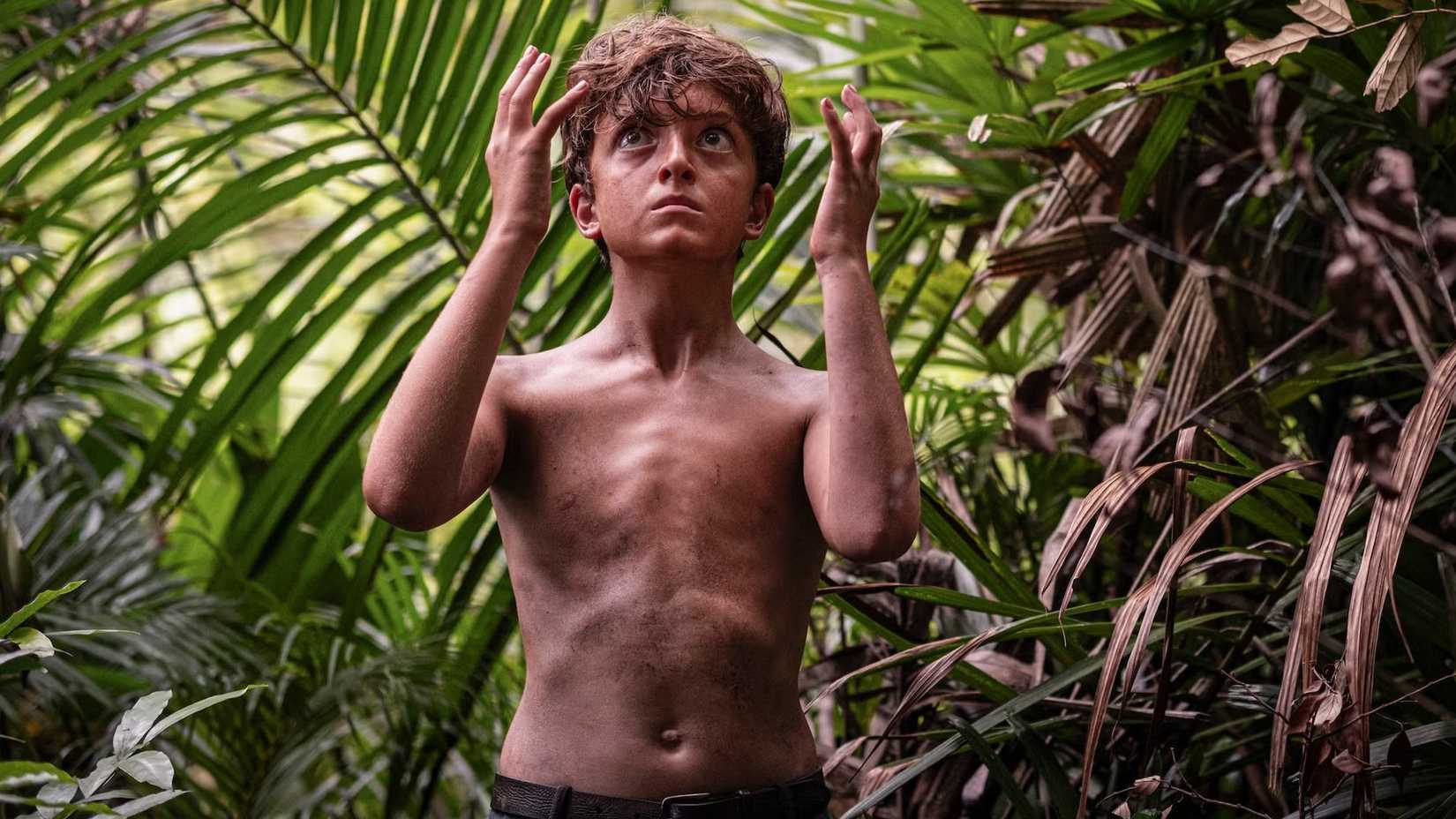
Simon’s death in Lord of the Flies marked the complete loss of innocence and the triumph of savagery. He discovered the truth about the ‘beast’ – it was actually a dead parachutist – but tragically, he was killed before he could share this knowledge. The other boys, caught up in a wild, frenzied state during a storm and a hunt, mistakenly attacked and killed him, believing him to be the creature they feared.
In William Golding’s Lord of the Flies, Simon embodies pure goodness and innocence. He consistently shows kindness and understanding, even towards Jack, despite being mistreated. Simon uniquely realizes the true “beast” isn’t a physical creature, but the evil within the boys themselves – a realization symbolized by his encounter with the pig’s head. If only Ralph, Piggy, or anyone had heeded his warning, the tragic outcome might have been avoided. Sadly, Simon was killed and his body washed out to sea.
Piggy

Piggy’s death marked the complete breakdown of order and reason on the island in Lord of the Flies. Following Simon’s death, Jack and his group secretly raided Ralph’s camp, stealing Piggy’s glasses. Hoping to reason with Jack one last time, Piggy and Ralph went to the hunters’ camp with the conch shell, a symbol of civilized rules and discussion. However, things quickly turned violent. Roger threw a large rock at Piggy, and as Piggy fell, the conch shell was destroyed, signifying the final loss of order and democracy.
In the novel Lord of the Flies, Piggy dies instantly when Roger hits him with a rock. But this TV version shows his death as a much longer and more emotional scene. Ralph desperately tries to help Piggy, and even in his final moments, Piggy remains smart and likeable. He ultimately dies from blood loss. Piggy symbolized logic and intelligence, qualities – like Simon’s kindness – that are destroyed by savagery. Without the guidance of either Piggy or Simon, Ralph couldn’t defeat Jack in Lord of the Flies.
Read More
- Last Furry: Survival redeem codes and how to use them (April 2026)
- Clash of Clans “Clash vs Skeleton” Event for May 2026: Details, How to Progress, Rewards and more
- Clash of Clans May 2026: List of Weekly Events, Challenges, and Rewards
- Gear Defenders redeem codes and how to use them (April 2026)
- Neverness to Everness Hotori Build Guide: Kit, Best Arcs, Console, Teams and more
- Brawl Stars Damian Guide: Attacks, Star Power, Gadgets, Hypercharge, Gears and more
- Total Football free codes and how to redeem them (March 2026)
- The Division Resurgence Best Weapon Guide: Tier List, Gear Breakdown, and Farming Guide
- Brawl Stars April 2026 Brawl Talk: Three New Brawlers, Adidas Collab, Game Modes, Bling Rework, Skins, Buffies, and more
- Clash Royale Season 83 May 2026 Update and Balance Changes
2026-05-06 03:39