Many truly great movies aren’t immediately popular. Some of the most famous films were actually ignored, disliked, or even rejected when they first came out. They might not have made much money, critics might have panned them, or they simply weren’t released at the right time. Luckily, over time, people’s opinions can change, and these films can gain the recognition they deserve.
Over time, movies can gain new appreciation as audience preferences shift, critics look at them more closely, and people watch them at home. Qualities that were once considered weaknesses or unattractive can later be recognized as daring, innovative, or even groundbreaking.
Often, it takes time and perspective for people to truly understand a movie’s intentions. Many films, from horror movies that weren’t initially well-received to box office failures that later gained a following through home video and streaming, demonstrate that initial reactions aren’t always accurate – and can sometimes be completely off the mark.
The Shawshank Redemption (1994)
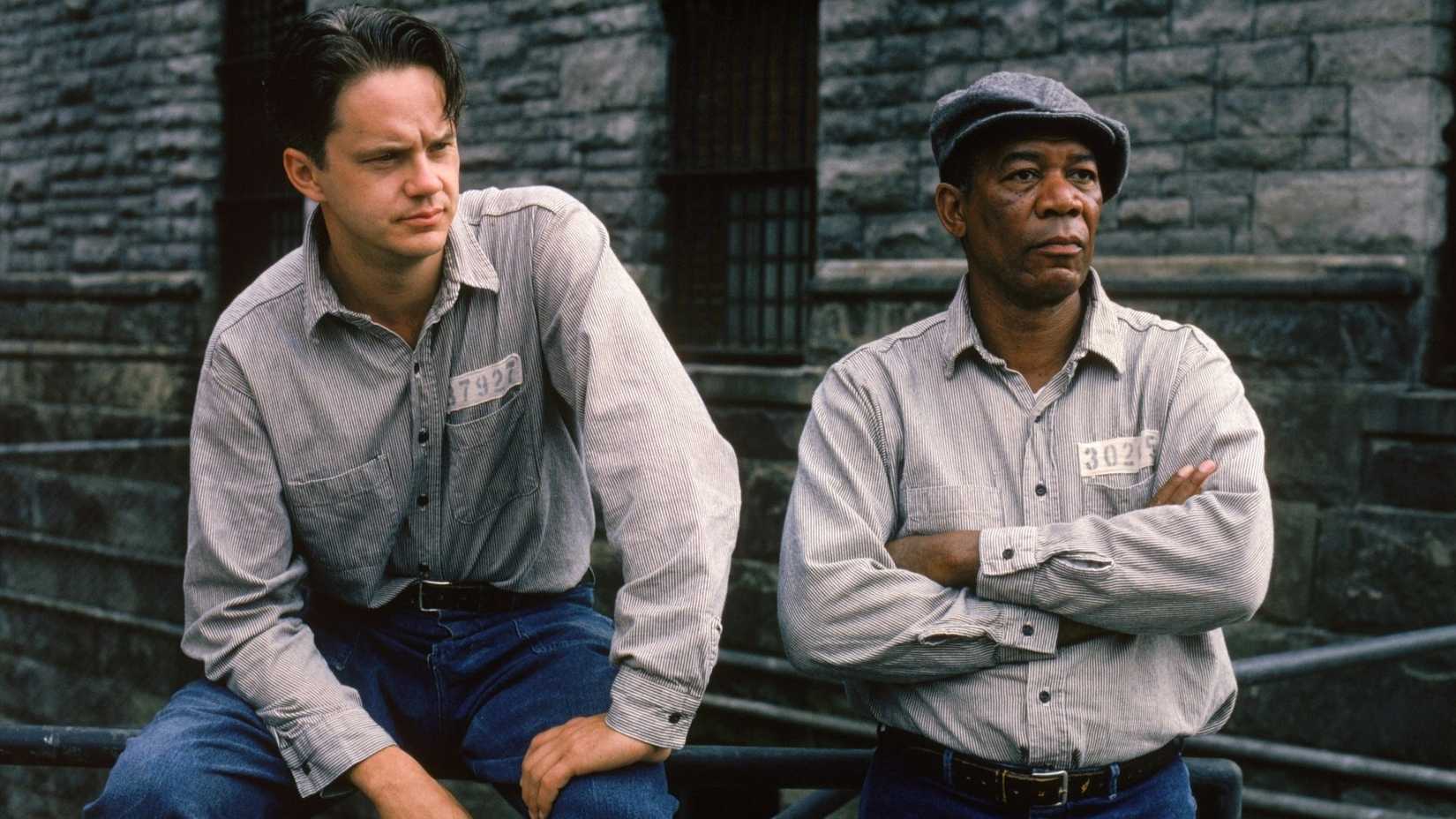
While The Shawshank Redemption is now considered one of the best films of all time, it wasn’t a hit when it first came out. Despite positive reviews and strong performances from Tim Robbins and Morgan Freeman, the movie didn’t attract many viewers in theaters (according to The Guardian).
Initially, The Shawshank Redemption faced challenges due to its release timing and competition, and its marketing wasn’t very prominent. However, the film gained a much larger audience when it became available on home video and television. These platforms allowed its powerful story about hope and determination to connect with viewers on a deeper level.
Eventually, people started talking about the movie, and it became incredibly popular. The Shawshank Redemption is now consistently ranked among the best films of all time and often wins audience votes – showing that sometimes a great movie just needs to find its audience.
The Thing (1982)
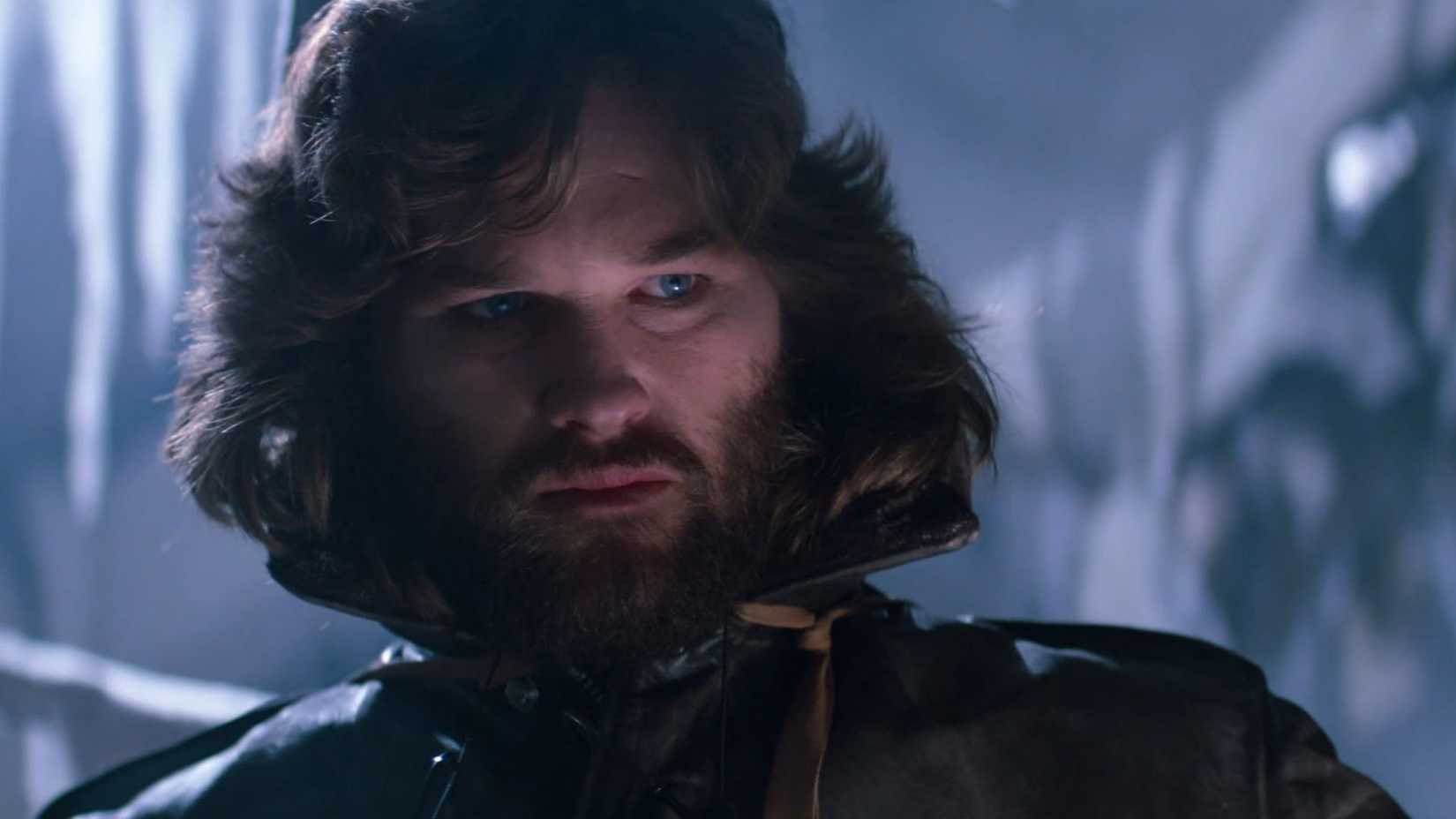
When John Carpenter’s The Thing came out, it initially received a lot of criticism, which was unexpected. Its dark mood, realistic and gruesome special effects, and intensely unsettling feeling of paranoia weren’t what audiences were looking for back then.
Reviewers generally disliked the film, calling it over-the-top and unpleasant, and some even labeled it “instant junk” (according to Variety). A major reason for the negative reaction was its dark and pessimistic outlook, combined with the absence of a traditional hero – a contrast to the more hopeful science fiction films popular in the early 1980s.
When The Thing first came out, its incredibly realistic and disturbing creature effects were actually considered too much for some viewers. But over time, the film has gained a huge following and is now considered a science fiction classic. People now celebrate it for its suspense, innovative special effects, and ability to create a lasting feeling of fear. It’s a film that was initially dismissed, but is now considered a must-see.
The Shining (1980)
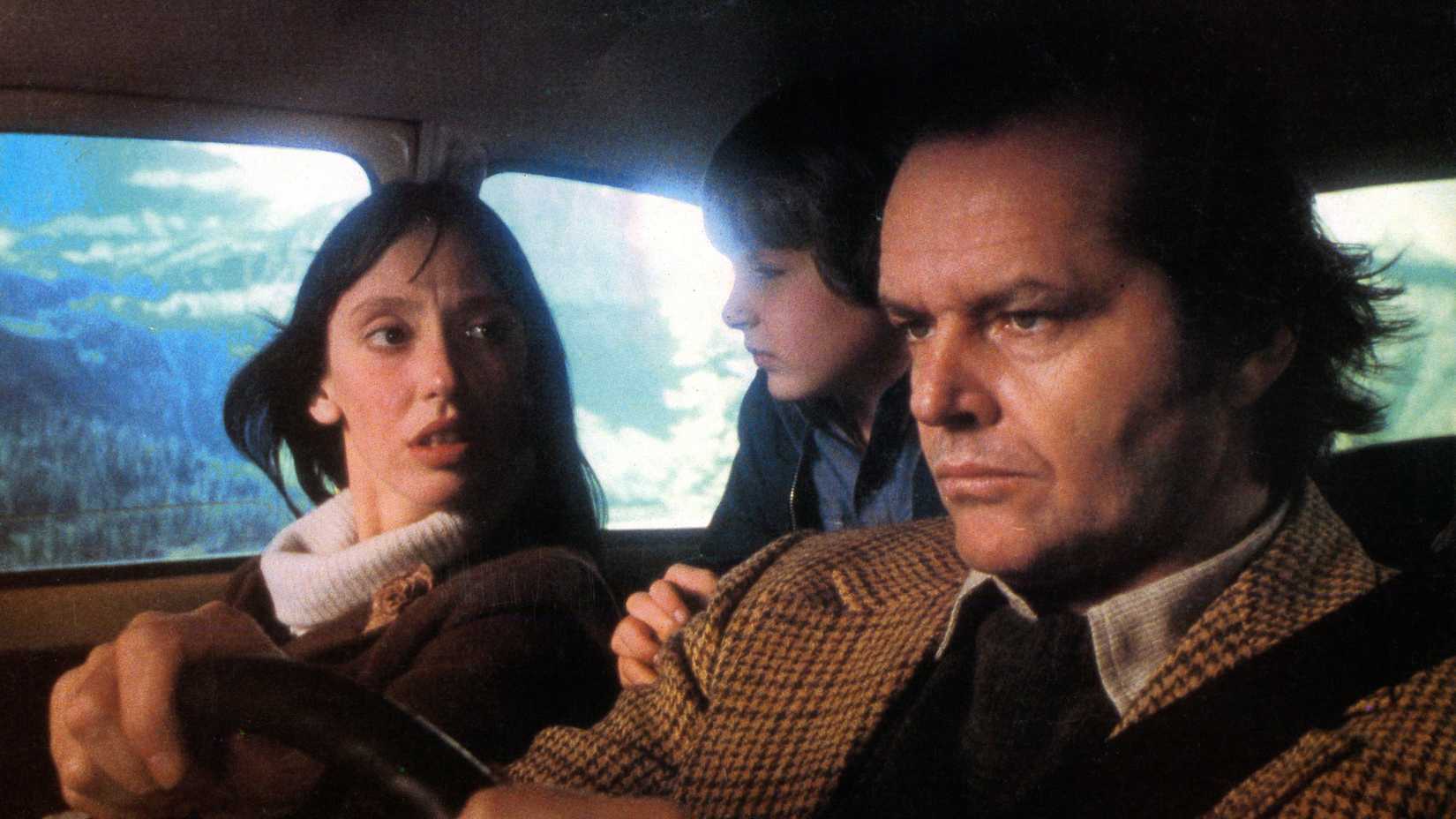
Although it’s considered a classic today, Stanley Kubrick’s film The Shining—based on the Stephen King novel—wasn’t initially well-received. Reviews were mixed to negative, and it didn’t do as well in theaters as expected, according to Variety.
When the film was first released, reviews were mixed, with some finding the slow speed, unclear plot, and unconventional horror elements problematic. Even Stephen King, the author of the original story, wasn’t a fan. However, those same qualities that bothered viewers initially have now become a big part of what makes the movie so beloved.
Over time, The Shining has become recognized as a hugely important film in the psychological horror genre. Its memorable and disturbing visuals, creepy mood, and complex story have established it as a classic – a far cry from how it was initially received.
Vertigo (1958)
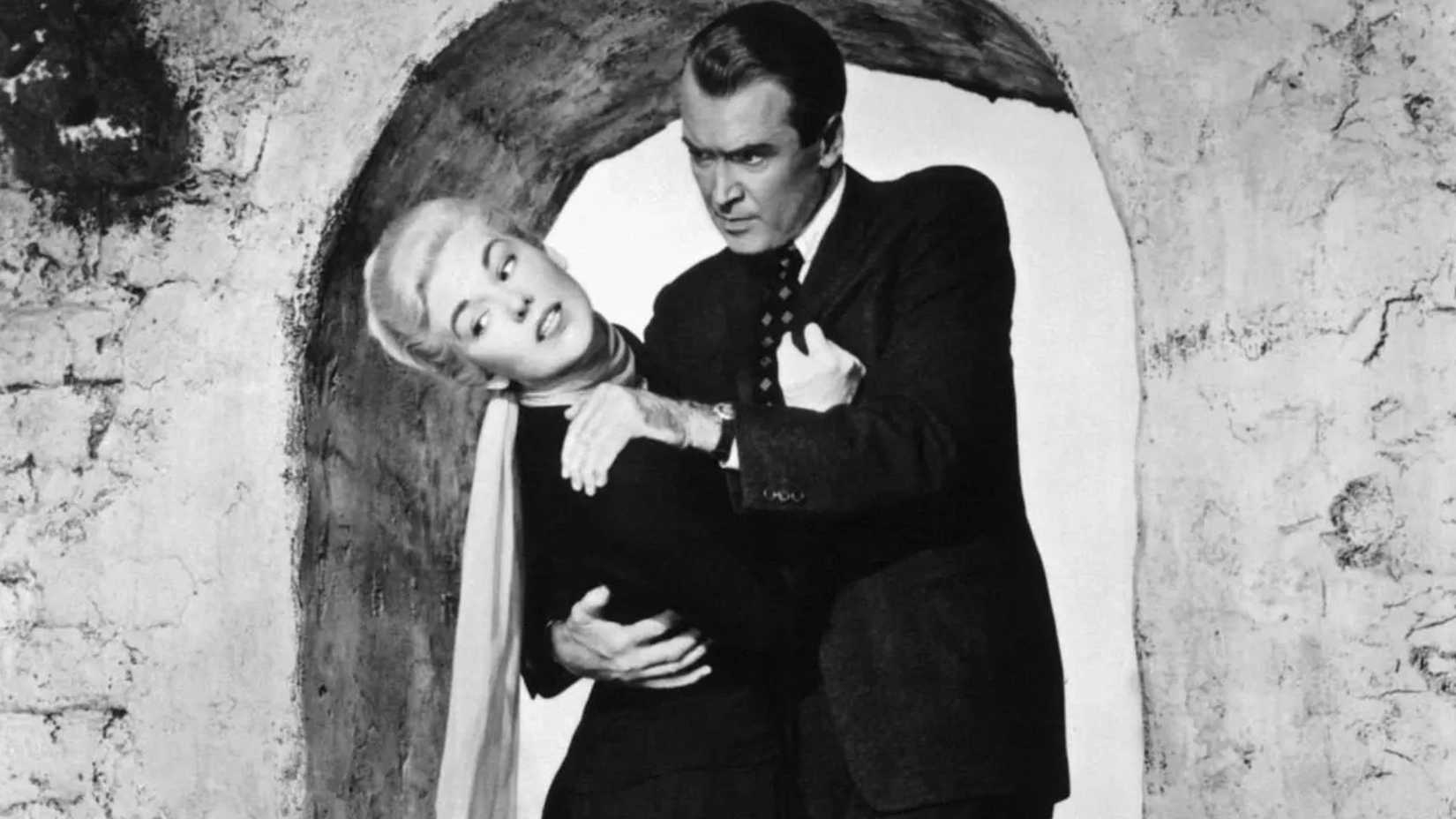
When Vertigo first came out, it actually got a pretty mixed reaction from critics – which is so surprising now, considering how highly regarded it is today! People at Variety said it felt slow, a little too complicated, and that it didn’t really connect with you emotionally. It’s amazing how opinions have changed on this Hitchcock and James Stewart classic!
When it was first released, audiences weren’t quite ready for the film’s complex themes and unusual storytelling. It also didn’t do well at the box office, which led many to see it as one of Hitchcock’s less successful movies.
Though it initially received a mixed response, Alfred Hitchcock’s Vertigo experienced a major critical reevaluation years later. Now, it’s celebrated for its innovative look at themes like obsession, what makes us who we are, and the nature of reality, and has inspired generations of filmmakers. Today, Vertigo is widely considered a cinematic masterpiece and one of the most important films ever created.
The Night Of The Hunter (1955)
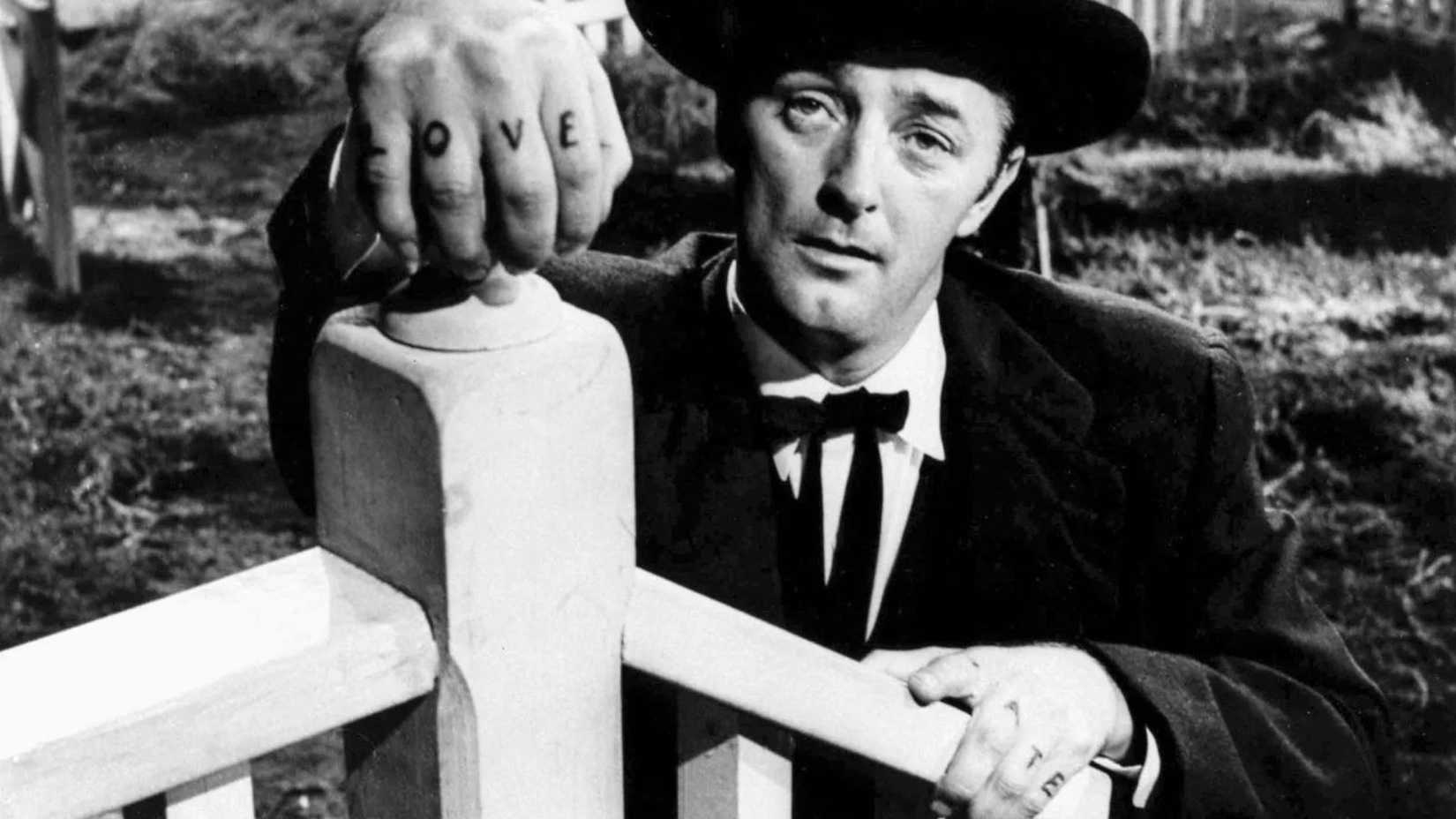
Despite being considered a classic today, Charles Laughton’s Night of the Hunter wasn’t well-received when it was first released. Critics and audiences were disturbed by its dark atmosphere, unusual visual style, and the chilling performance of Robert Mitchum, leading to a box office disappointment (according to Variety).
The film’s unusual mix of fantasy and frightening elements didn’t appeal to most audiences when it was released, and it wasn’t well-received. This failure deeply affected Charles Laughton, and sadly, he never directed another movie. Considering his talent, it’s a particularly disappointing outcome.
Over the years, The Night of the Hunter has become recognized as a cinematic masterpiece. Today, people widely celebrate its striking images, daring narrative, and memorable acting, solidifying its reputation as one of the most original and important films ever created.
Twin Peaks: Fire Walk With Me (1992)
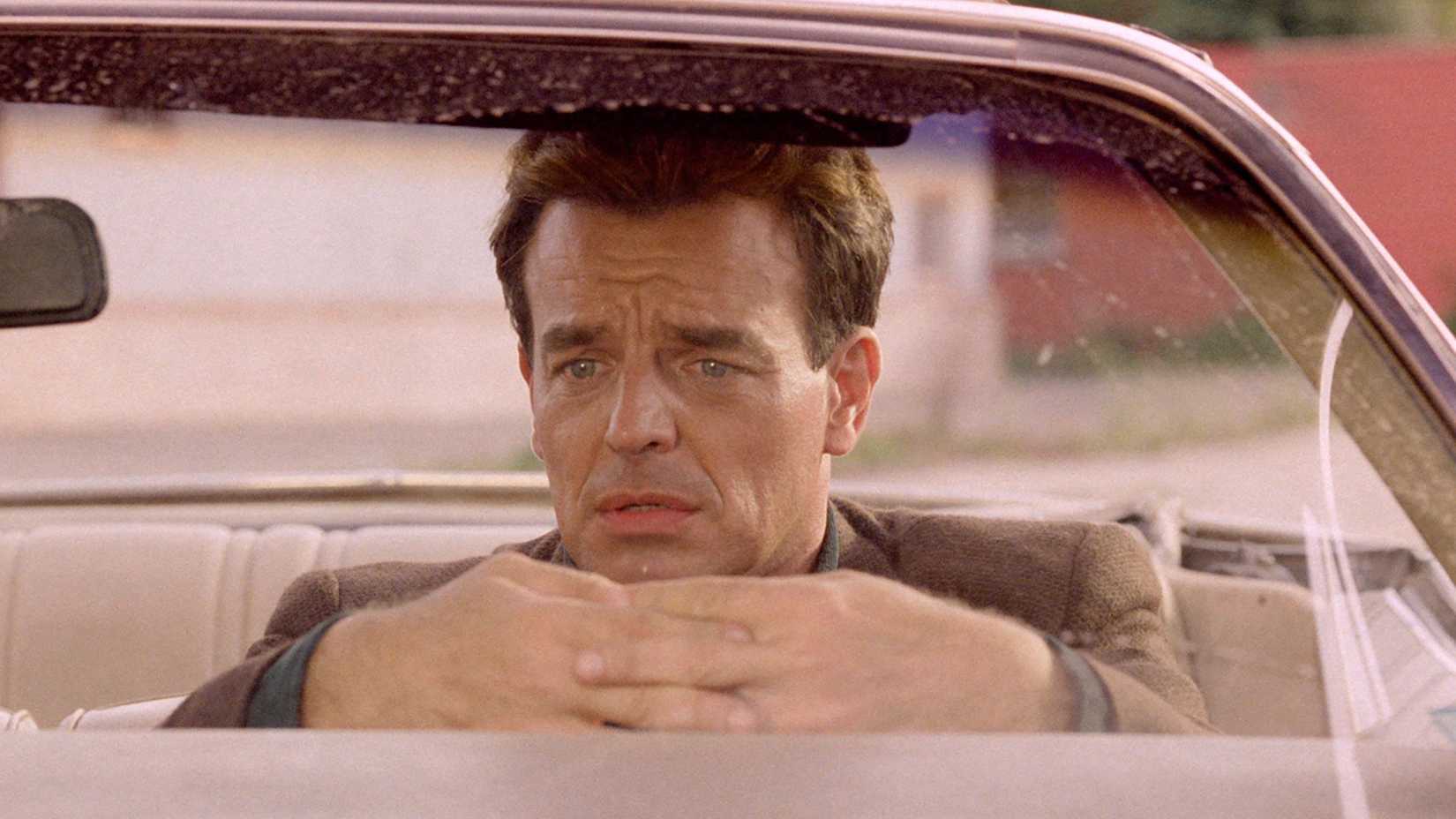
When David Lynch’s film Twin Peaks: Fire Walk with Me came out, it was met with surprisingly negative reviews. Though intended as a backstory to the popular TV show Twin Peaks, it didn’t quite live up to audience expectations.
Okay, so the movie really surprised me. Instead of picking up the main mystery from the show, it dove deep into Laura Palmer’s story – she always felt more like an idea than a real person on TV, and here, she became one. They also left out a bunch of characters I really loved, and honestly, it got way darker and more unsettling than the series ever did. It was a much more intense and, frankly, uncomfortable watch.
Initially, the film received mostly negative reviews from critics and mixed reactions from audiences (according to the LA Times). But over time, it’s been recognized as a vital part of the Twin Peaks story. People now widely praise its emotional power and unique, bold approach.
It’s A Wonderful Life (1946)
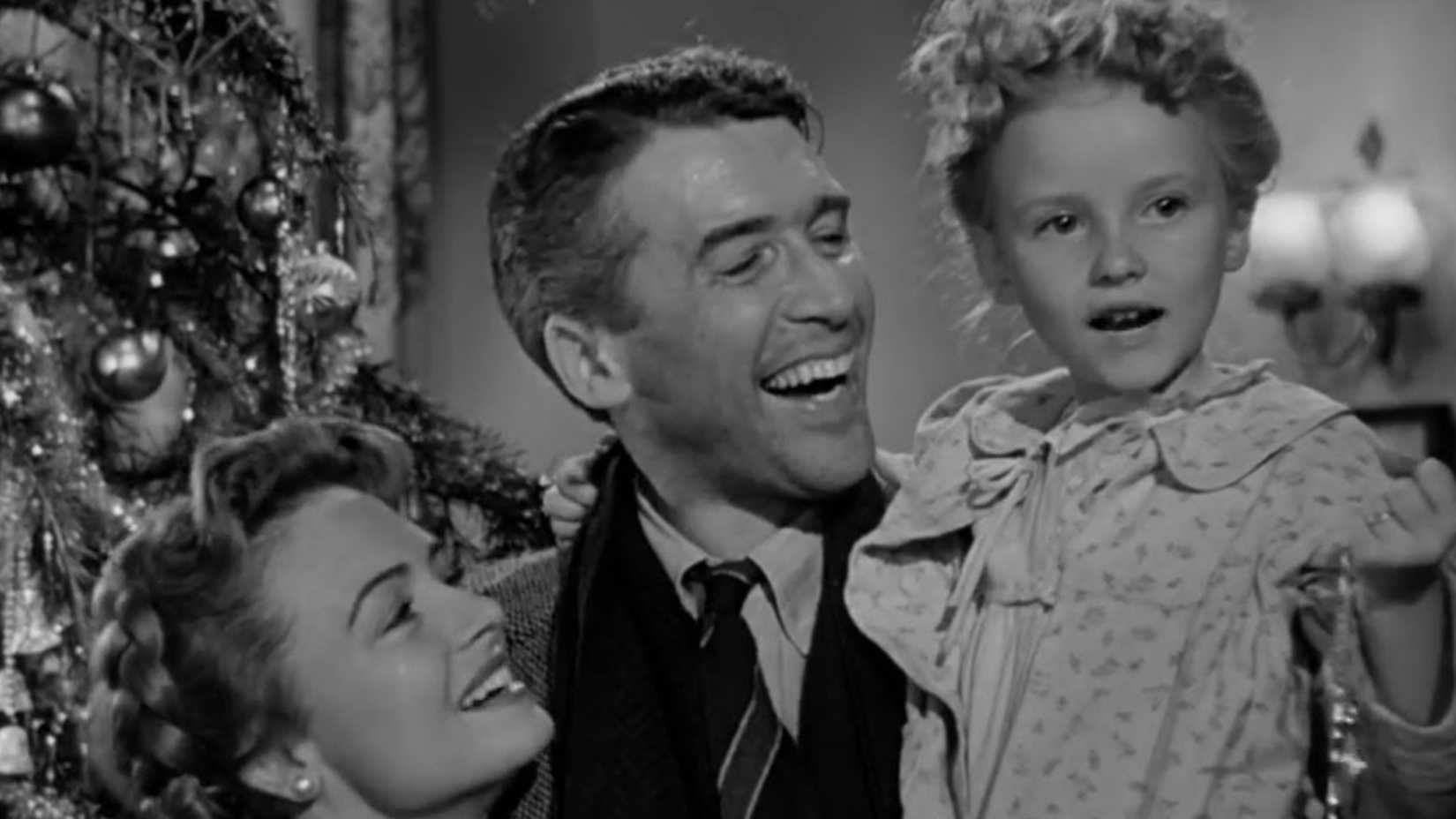
Today, It’s a Wonderful Life is a classic holiday movie, but when it first came out, it wasn’t a hit. Directed by Frank Capra and starring James Stewart, the film received several Academy Award nominations, including for Best Picture, but audiences didn’t immediately embrace it.
When the film was first released, critics had varying opinions, finding it a strange mix of heartwarming moments and more serious, troubling subjects. It didn’t do well in theaters and was largely forgotten over time (according to The New York Times).
The movie became popular over time thanks to being shown on television again and again, reaching new audiences. Its touching story about the importance of community, being kind to others, and appreciating every life made a lasting impression. Today, It’s a Wonderful Life is considered a classic film and a beloved tradition during Christmas.
Eyes Wide Shut (1999)
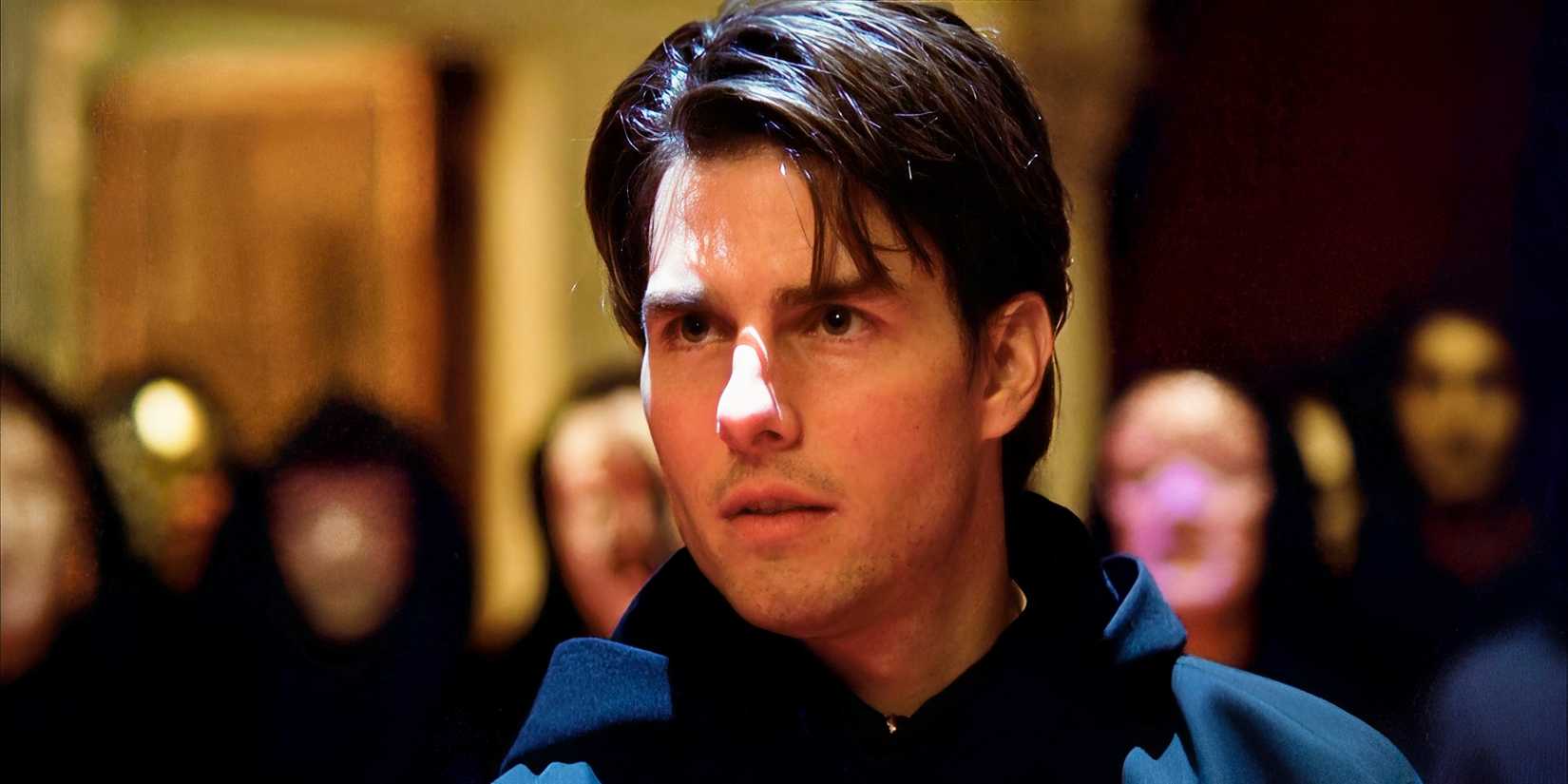
When Eyes Wide Shut was first released, it came with a lot of hype. Being Stanley Kubrick’s last movie, and featuring Tom Cruise and Nicole Kidman as a married couple both on and off screen, it was promoted as a steamy and thought-provoking drama. But the film that viewers actually saw was much more subdued, unusual, and open to interpretation.
When the film was first released, many critics found its slow pace frustrating, feeling it made the characters’ actions seem awkward and unrealistic. Some were also disappointed that the movie didn’t explore its suggested themes of sexuality as much as they expected, according to CNN. Even the famous orgy scene didn’t live up to the hype, with many finding it bland instead of exciting.
You know, when Eyes Wide Shut first came out, a lot of people – myself included, honestly – were a little let down. But over the years, I’ve really come to see it differently. What initially felt like flaws now seem… deliberate. The movie’s dreamlike quality, that creeping sense of unease, and the way it digs into complicated feelings about wanting and feeling vulnerable… it all adds up. Now, I think of it as a really powerful, complex final film from Kubrick, and it’s stuck with me in a way few movies do.
American Psycho (2000)
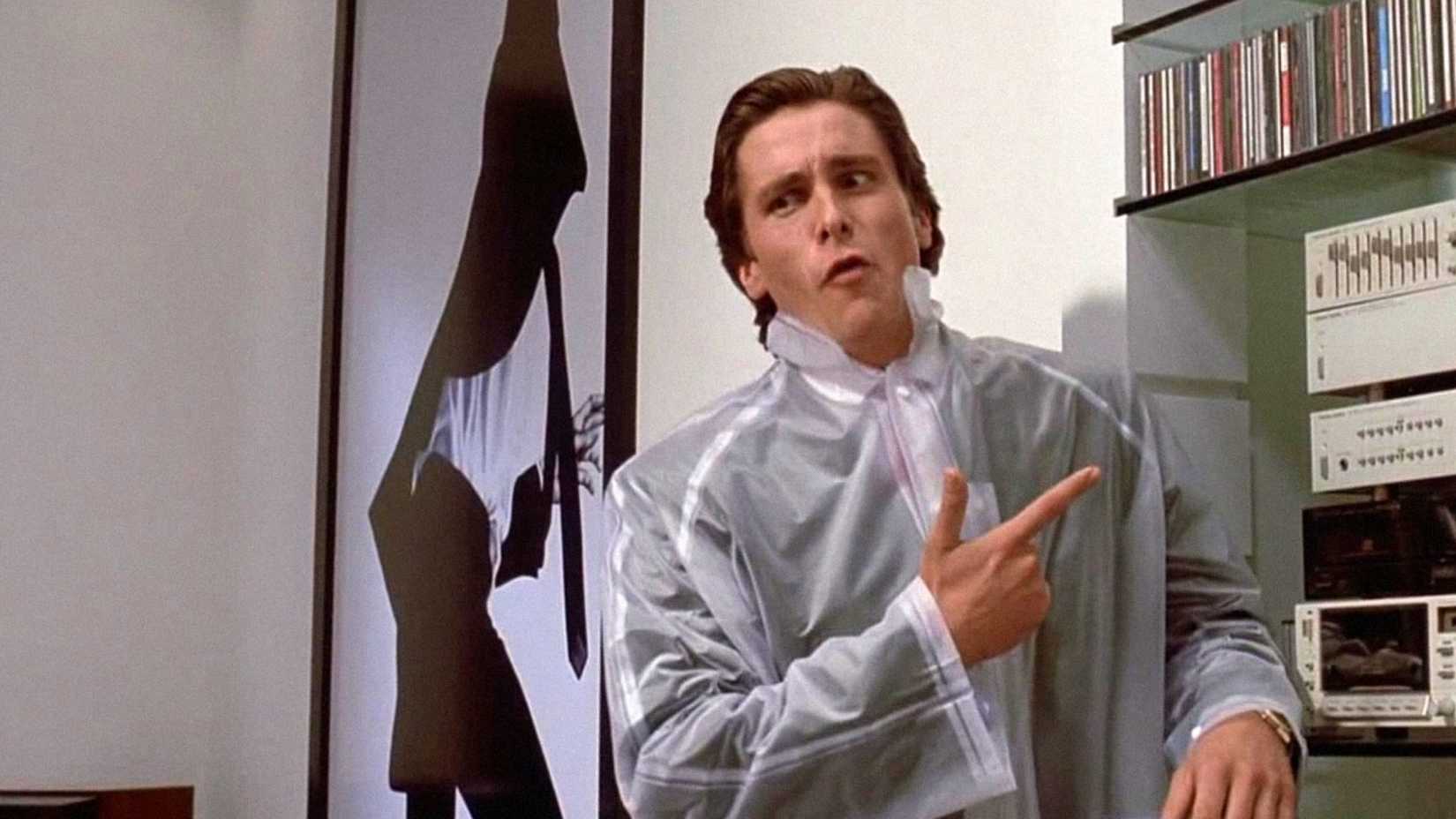
While not a complete failure, the initial reaction to American Psycho was mixed. The film, directed by Mary Harron and starring Christian Bale, sharply divided viewers with its blend of intense violence and dark comedy. Some critics felt it was simply shocking without any real depth, dismissing it as style over substance (according to the Washington Post).
Many critics debated whether American Psycho offered genuine insights into issues like materialism, the pressure to conform, and hatred of women, or if it just showed off excessive behavior. The film didn’t perform exceptionally well in theaters, indicating it didn’t fully resonate with most moviegoers.
I’ve noticed a huge shift in how people view American Psycho over the years. Christian Bale’s performance is now rightfully celebrated, and honestly, the film’s satire feels more relevant and cutting than ever before. It’s really become a cult classic – I see quotes and analyses everywhere, and it’s clear how powerfully it critiques our obsession with consumerism and what it means to even have an identity these days.
Starship Troopers (1997)
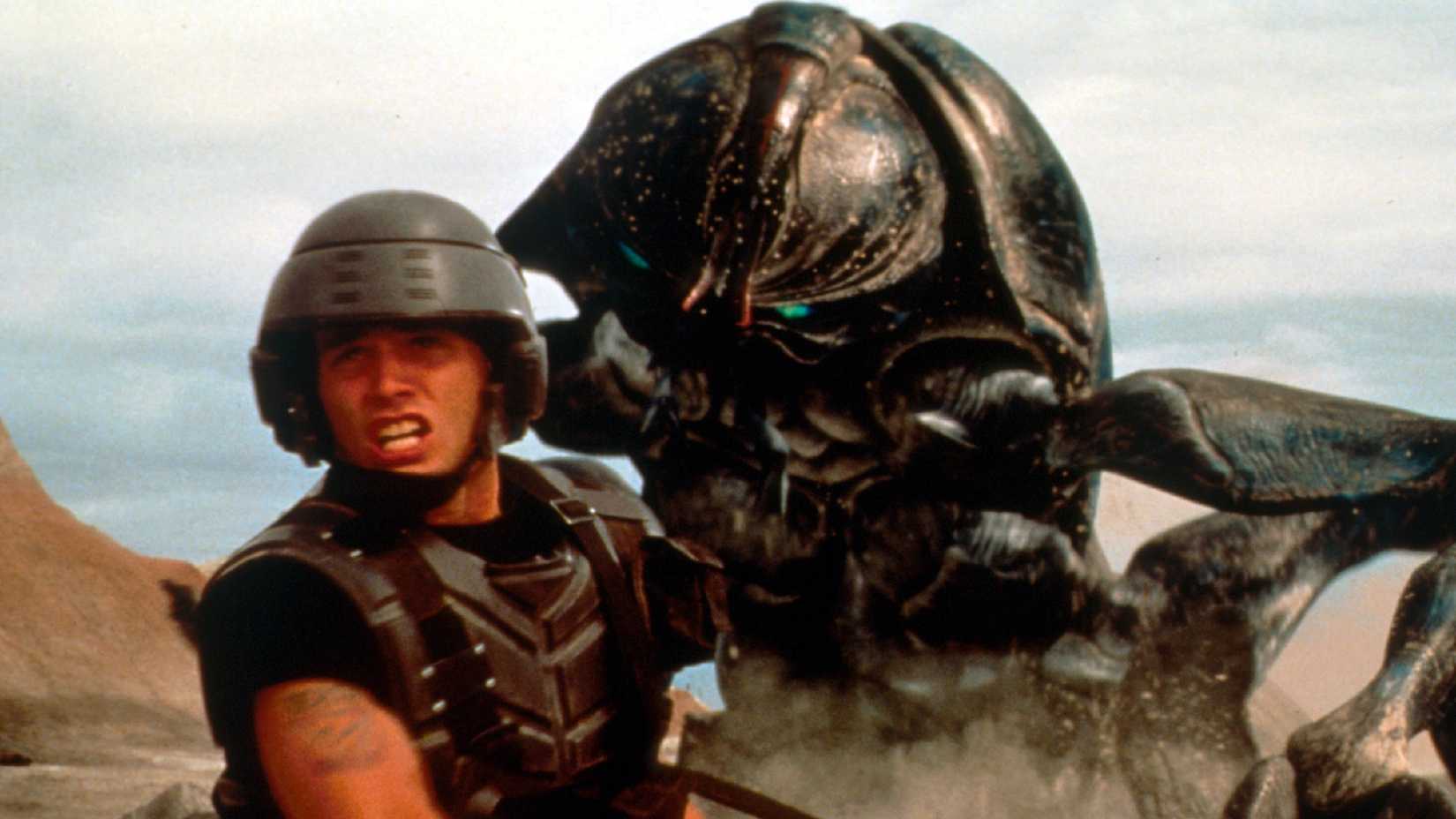
When Starship Troopers first came out, it was largely misinterpreted and faced a lot of criticism. Director Paul Verhoeven actually intended it as a satire – a commentary on militarism and fascist ideas. However, many viewers and critics missed the satire, and wrongly believed the film supported fascism, taking its visuals and overall style at face value instead of recognizing the irony (according to SyFy).
The game focused so much on stylish characters and exciting fights that some critics felt it was actually promoting the things it was trying to make fun of. Even people who understood it was meant to be satire often thought the message was too unclear or confusing to really make an impact.
Initially, Starship Troopers wasn’t very well-received. But over the years, people have come to see it as a clever and sharp science fiction satire. Now, its over-the-top propaganda and daring themes are widely praised, and it’s become a beloved cult classic.
Read More
- Last Furry: Survival redeem codes and how to use them (April 2026)
- Brawl Stars April 2026 Brawl Talk: Three New Brawlers, Adidas Collab, Game Modes, Bling Rework, Skins, Buffies, and more
- Gold Rate Forecast
- Gear Defenders redeem codes and how to use them (April 2026)
- Clash of Clans: All the Ranked Mode changes coming this April 2026 explained
- The Mummy 2026 Ending Explained: What Really Happened To Katie
- All 6 Viltrumite Villains In Invincible Season 4
- Total Football free codes and how to redeem them (March 2026)
- Razer’s Newest Hammerhead V3 HyperSpeed Wireless Earbuds Elevate Gaming
- COD Mobile Season 4 2026 – Eternal Prison brings Rebirth Island, Mythic DP27, and Godzilla x Kong collaboration
2026-04-25 20:24