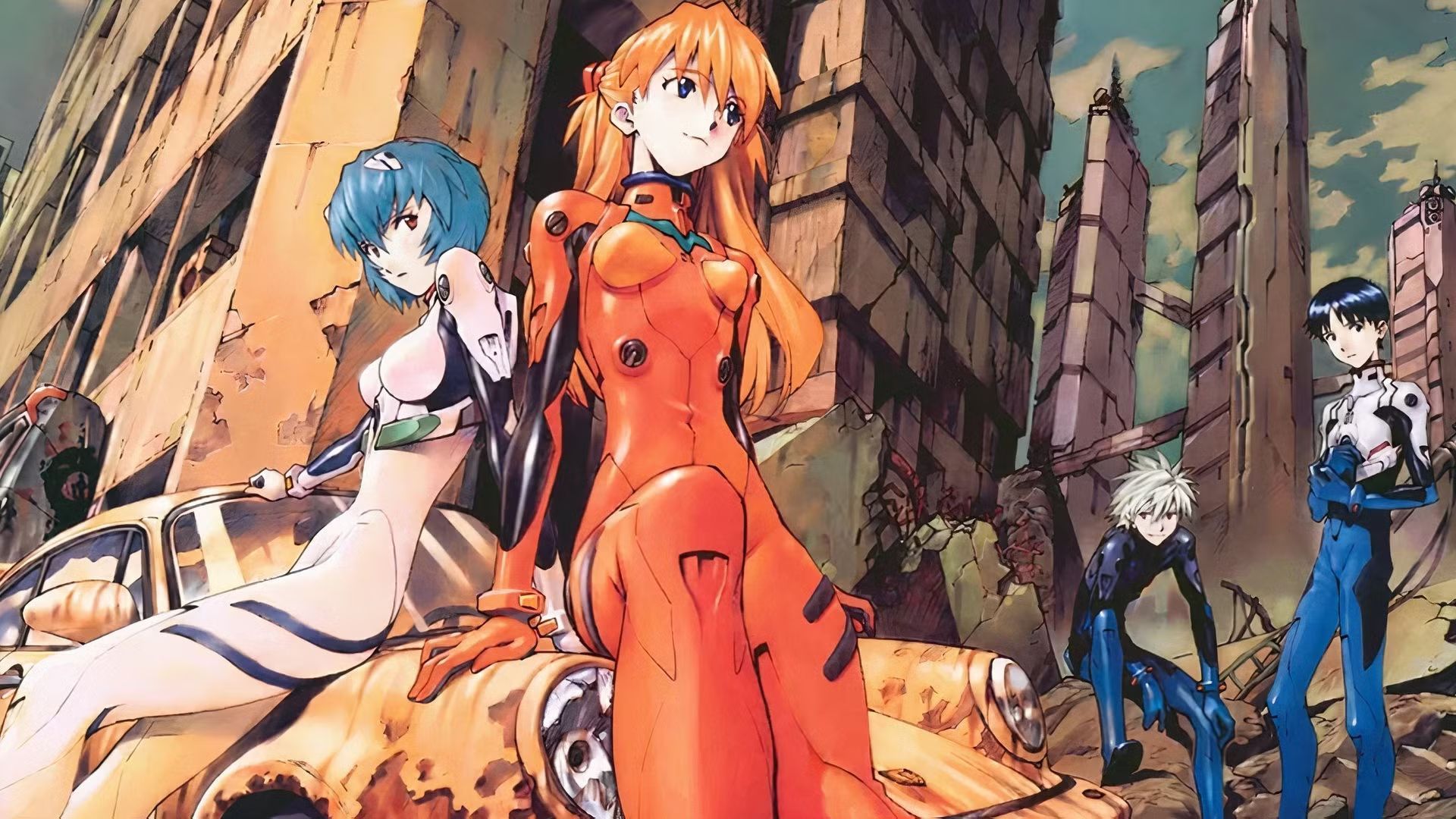
Stories can be amazing in almost every way, with incredible worlds, exciting action, compelling villains, and deeply moving moments. However, a common weakness is poorly developed female characters who don’t measure up to the quality of the rest of the cast. This flaw often goes surprisingly unnoticed despite all the story’s strengths.
It’s particularly annoying because many of these anime actually have interesting female characters. They often introduce women who are well-designed, have compelling personalities, and could drive the story forward. Unfortunately, the writing often fails them. Instead of being fully developed characters, they’re reduced to roles like love interests, helpers for the male characters, or simply exist for fanservice or to evoke emotion. Despite their potential, these anime seem unsure how to utilize half of their characters effectively.
Naruto Gives Its Women Big Introductions and Small Payoffs
Many action-packed anime shows aimed at young boys face criticism for how they portray female characters, but Naruto is frequently singled out – and deservedly so. The series introduces a lot of interesting women, and the creator, Masashi Kishimoto, was good at designing them and giving them compelling starts. However, these characters rarely lived up to their potential. Sakura, for example, constantly wavers between genuine development and being simply annoying, which is a recurring issue throughout the show.
Despite becoming stronger and achieving great feats, she repeatedly gets stuck in repetitive emotional patterns, which ultimately makes her less interesting. Even supporting characters like Hinata, Ino, and Temari seem to have more untapped potential. The story gives the male characters more complex inner struggles and compelling journeys, while often limiting female characters to roles focused on loyalty, respect, or romance.
Death Note Treats Its Female Characters Like Tools Instead of People
Death Note is known for being a clever and suspenseful anime, which makes its portrayal of women particularly frustrating. The series focuses heavily on themes of control, ambition, and psychological battles, but many of its female characters primarily serve to advance the plot of the main character, Light Yagami. Misa Amane is a prime example – while she’s a striking and unforgettable character, the story relies too much on her infatuation with Light, ultimately limiting her own development.
Misa had the potential to be a major unpredictable force in the show, but she often feels like a genius only when the story needs her to be. Naomi Misora is even more disappointing; she starts as a confident and skilled investigator, immediately making an impression, but the series sidelines her before her character can truly develop.
Bleach Has Stylish Women but Doesn’t Write Them Well Enough
Initially, Bleach appears to treat its female characters better than many other action anime. Characters like Rukia are very popular, and Yoruichi is known for being awesome. Rangiku, Unohana, Nel, and Soifon all have distinct designs and are fan favorites. However, Bleach often relies too much on simply having these characters without giving them much substance. Being visually striking or memorable doesn’t equal good writing. Rukia is the exception, as she’s given real emotional depth and a meaningful role in the story.
Even when female characters are initially present in Bleach, the story often shifts focus to Ichigo’s increasing power, sidelining them. Orihime is a prime example – while seemingly important, her storylines frequently leave viewers feeling frustrated rather than emotionally invested. Many of the female characters in Bleach seem capable of playing larger roles than they ultimately do.
Fairy Tail Loves Strong Women Until It’s Time to Take Them Seriously
When people talk about anime with strong female characters, Fairy Tail often comes up, and it’s easy to understand why. Characters like Erza are incredibly powerful, Lucy plays a key role in the plot, and the guild features many women who are both fighters and emotional centers. However, the series frequently weakens its own female characters through excessive fan service and repetitive storylines. With Erza, for example, the writing often focuses so much on her appearance that it avoids fully developing her emotional depth.
Lucy stands out compared to many female characters in action anime because she remains an important part of the story. However, the show too often relies on jokes about her body, which undermines any real sense of her strength. That’s the confusing thing about Fairy Tail – it seems to want to portray its female characters as powerful, but it can’t stop treating them as objects, preventing it from fully embracing that idea.
Dragon Ball Z Barely Knows What to Do With Women Once Power Levels Take Over
I’ve always thought Dragon Ball Z had some really memorable female characters. Bulma is a classic supporting character, and Android 18 consistently ranks high with fans – and for good reason. Videl also made a strong impression when she first appeared. However, I noticed something as the series went on: once DBZ really focused on the power-ups and battles of the Saiyans, the women characters seemed to get pushed to the side. Bulma was an exception, though. She continued to be helpful to the plot, providing practical support, which kept her involved.
Android 18 and Videl are both strong and interesting characters, but the story doesn’t fully develop them beyond being well-remembered. While DBZ is famous, it often limits which characters get to truly grow and remain central to the plot.
Sword Art Online Keeps Introducing Great Girls Just to Flatten Them Around Kirito
Sword Art Online excels at initially presenting female characters as strong, independent, and emotionally complex. However, the show often fails to maintain these qualities once the story focuses on Kirito. Asuna is a prime example – she starts as a well-developed, capable character who feels like a true partner to Kirito, but her development suffers as the story progresses.
I’ve noticed a frustrating trend in this series. It often starts with promising female characters who seem capable and interesting, but they consistently end up feeling like supporting players, never quite reaching their full potential. It’s not just happening with this one character either – I see the same thing with a lot of the girls throughout the whole franchise. They come in with a lot of energy and possibilities, but ultimately, they seem to exist mainly to highlight Kirito’s journey. It feels like Sword Art Online has a tendency to diminish its female characters, turning them from fully realized people into just pieces of Kirito’s story.
The Seven Deadly Sins Makes Its Problems With Women Hard to Excuse
I’m a big anime fan, and it really bothers me when shows subtly undermine their female characters. But with The Seven Deadly Sins, what’s wrong is right there on the surface, and honestly, it just gets more frustrating as you watch. Elizabeth is supposed to be a key character, but the show keeps using her as the butt of jokes instead of treating her like a real person. It’s the same deal with Diane, too – they just fall into these really tired tropes.
Even when female characters are important to the plot, the show repeatedly puts them in awkward or unpleasant situations. This problem persists largely because of Meliodas’s behavior, which the series often treats as comedic. This lighthearted approach negatively impacts how viewers perceive characters like Elizabeth, making it difficult to see the female characters as well-developed when they are constantly viewed through that problematic lens.
Neon Genesis Evangelion’s Women Are Brilliantly Built and Still Deeply Misserved
Characters like Rei, Asuka, and Misato are complex and open to interpretation, making them endlessly debated among fans. However, Neon Genesis Evangelion frequently presents these characters from a male perspective. This tension is a key reason the show’s writing continues to spark discussion. While Asuka is a compelling character, her journey often involves painful experiences and emotional breakdowns that some viewers interpret as reflecting the creators’ viewpoint rather than her own inner life.
Rei is a fascinating and complicated character, but her personality is often defined by her relationships with the male characters. Misato feels like the most well-rounded of the three, yet even she is often seen through the lens of Shinji’s trauma, rather than being fully explored as an individual. While Evangelion certainly gives its female characters more complexity than many anime, it also sometimes relies on their suffering and objectifies them, which can be upsetting to watch.
Found an error? Send it so it can be corrected.
Read More
- Last Furry: Survival redeem codes and how to use them (April 2026)
- Brawl Stars April 2026 Brawl Talk: Three New Brawlers, Adidas Collab, Game Modes, Bling Rework, Skins, Buffies, and more
- Gold Rate Forecast
- Gear Defenders redeem codes and how to use them (April 2026)
- All 6 Viltrumite Villains In Invincible Season 4
- The Mummy 2026 Ending Explained: What Really Happened To Katie
- Total Football free codes and how to redeem them (March 2026)
- Razer’s Newest Hammerhead V3 HyperSpeed Wireless Earbuds Elevate Gaming
- The Division Resurgence Best Weapon Guide: Tier List, Gear Breakdown, and Farming Guide
- COD Mobile Season 4 2026 – Eternal Prison brings Rebirth Island, Mythic DP27, and Godzilla x Kong collaboration
2026-04-24 19:51