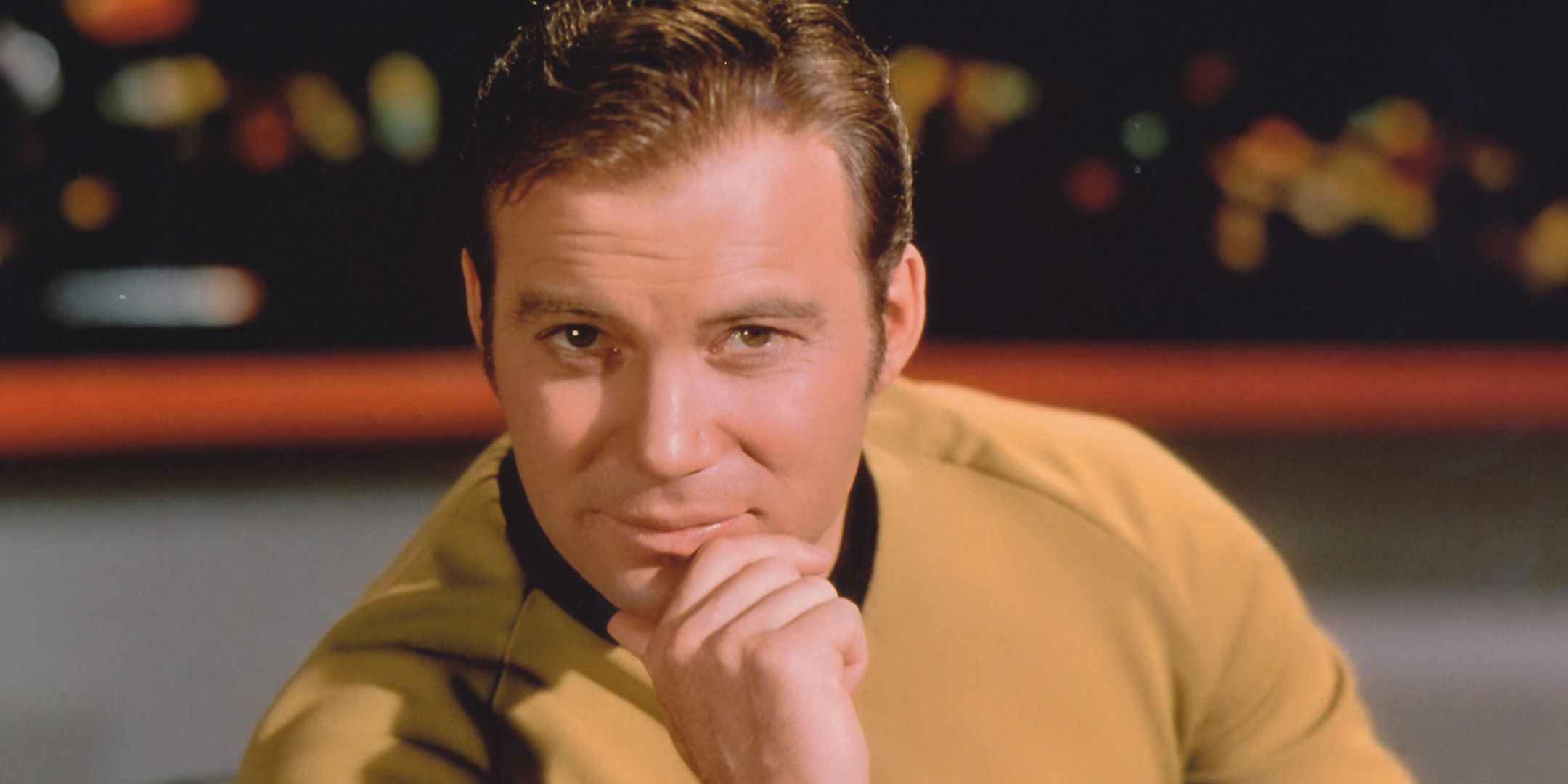
Though known for its hopeful outlook and adventures, the series hasn’t shied away from darker themes and even moments of horror. A prime example is the early Season 2 episode, “Wolf in the Fold,” where Scotty (played by James Doohan) finds himself suspected of murder on the planet Argelius II.
The episode focuses on Redjac, a terrifying creature that thrives on fear and controls people, forcing them to commit murders. By tapping into common anxieties – like losing control and the idea that evil can be hidden and take many shapes – “Wolf in the Fold” has become known as one of the most frightening installments in the series.
Wolf in the Fold is One of Star Trek’s Scariest Episodes
Okay, let’s talk about “Wolf in the Fold,” the fourteenth episode of Star Trek‘s second season. It starts off with a bit of downtime for Kirk, McCoy, and Scotty – they’re enjoying some shore leave and watching a belly dancing performance. But things quickly take a dark turn when one of the dancers, Kara, is found murdered, and poor Scotty is found nearby, completely unable to remember anything. Naturally, suspicion falls on him, and it quickly escalates as more bodies pile up – Lieutenant Tracy and Sybo both become victims, and Scotty finds himself accused of all three killings. It’s a really tense setup, and immediately throws you into a mystery where you’re not sure who to believe.
Kirk tries to clear Scotty’s name by investigating the murders. He enters Sybo’s dying words into the ship’s computer and discovers the killer is Redjac – a being without a physical form that takes control of people to commit crimes. They also learn Redjac has been behind other unsolved murders, including those attributed to Jack the Ripper.
As a lifelong fan of classic horror, I was genuinely creeped out by this episode. Knowing it was written by Robert Bloch, the author of Psycho, definitely set the stage, and it delivered unsettling moments throughout. But what really got to me was hearing John Fielder – yes, the original voice of Piglet from Winnie-the-Pooh – screaming “Die, die, everybody die!” It was deeply disturbing. And the whole concept of evil being something that can jump from one person to another? That just adds another layer of unease. It’s a truly unsettling piece of television.
Redjac embodies the senseless violence that can erupt within anyone, acting as a symbol for the hidden, darker parts of our minds. Fueled by negative emotions like fear, envy, and hatred of women, it represents the evil that exists within us all. Like the real-life killers it mirrors – such as Jack the Ripper – Redjac thrives on causing fear, specifically targeting women because it believes they experience and express terror more intensely, creating a greater sense of horror. Ultimately, Redjac is a physical manifestation of pure evil.
The truly frightening part isn’t what Scotty and the others do when possessed, but the deep-seated fear of losing control of yourself. Scotty blacks out during each attack and, even without remembering, knows he’d never be capable of such violence on his own. Given the nature of the entity possessing them, it’s disturbing to realize that anyone – even a kind person like Scotty – can be overwhelmed by strong feelings and lose themselves.
Wolf in the Fold’s Focus on Loss of Control Intensifies Its Horror
During its three seasons, Star Trek: The Original Series occasionally ventured into horror, with episodes like (Season 1, Episode 9) and “The Enemy Within” (Season 1, Episode 5). However, “Wolf in the Fold” is the episode most often talked about and considered one of the scariest in Star Trek history. With a 7.2 rating on IMDB, and reviews consistently pointing out its dark subject matter and murder mystery plot, it’s frequently ranked among the top 10 scariest episodes of the entire franchise.
Fans have long pointed out that the show’s enduring appeal lies in its ability to tap into fundamental, universal fears. The series also has a tradition of cleverly using horror to address current events and social issues, as seen in the episode about AI and deepfakes (Season 4, Episode 23).
These episodes can be disturbing, but how much they affect viewers often depends on personal connection. For example, someone who embraces technology probably won’t be bothered by an episode critical of it, and someone who doesn’t worry about fake news likely won’t be affected by an episode about misinformation.
The enduring appeal of “Wolf in the Fold” lies in its exploration of a deeply relatable and universal fear. While the specific scenario – a malicious entity controlling someone to commit terrible deeds – might seem far-fetched, the underlying emotions it evokes are surprisingly familiar to most viewers.
The story plays on our fear of losing control of our own thoughts and emotions – whether through mental health struggles, unwanted thoughts, or overwhelming feelings. It suggests that anyone, even someone normally logical, can be driven to do unexpected things under intense pressure. It also hints at the disturbing possibility that the potential for violence can originate from inside ourselves.
The episode is particularly impactful because Scotty, a typically composed character, loses control. This highlights how powerfully Redjac’s negativity can affect anyone, even those who seem strong, and underscores how vulnerable we all are.
Online and in analyses of the story, people often compare the creature Redjac to mental health struggles. Fans have pointed out that the way Redjac takes over someone’s mind and pushes harmful thoughts forward closely mirrors the symptoms of mental illness.
This episode mainly examines how intense thoughts can lead people to act in ways they normally wouldn’t, though it presents this in a very dramatic fashion. Whether viewers connect with this personally or are simply disturbed by the idea that anyone could be capable of such actions given the right circumstances, “Wolf in the Fold” is still considered one of the most compelling installments in the series.
Read More
- Total Football free codes and how to redeem them (March 2026)
- Last Furry: Survival redeem codes and how to use them (April 2026)
- Clash of Clans May 2026: List of Weekly Events, Challenges, and Rewards
- All Mobile Games (Android and iOS) releasing in May 2026
- First Look at Bad Bunny’s Exclusive Zara x Benito Antonio Collection
- ALLfiring redeem codes and how to use them (May 2026)
- Silver Rate Forecast
- PUBG Mobile x Harley-Davidson Partnership to introduce new Motor Cruise event with rewards and Skins
- Pixel Brave: Idle RPG redeem codes and how to use them (May 2026)
- Light and Night brings its beloved otome romance experience to SEA region with a closed beta test starting May 20, 2026
2026-04-28 13:17