Bridging the Reality Gap: Robots Learn from 3D Scenes and Language
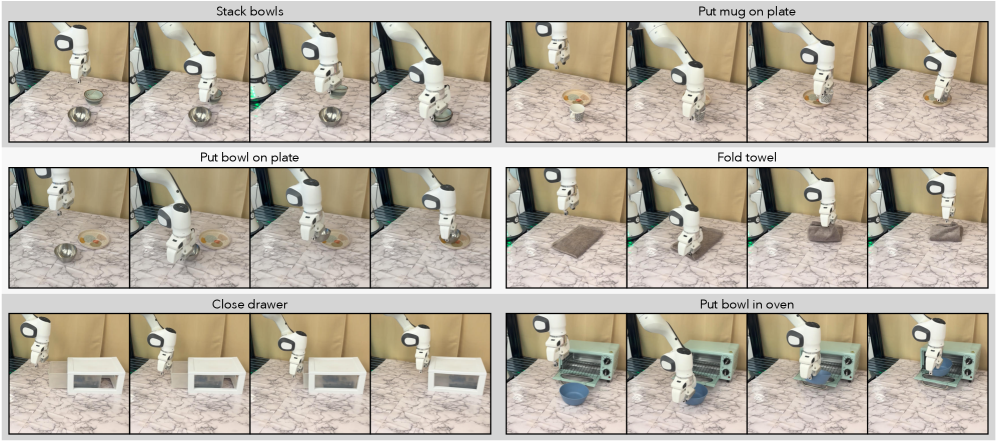
A new framework leverages unified 3D scene representations and large language models to enable robots to perform tasks in the real world with minimal real-world training data.
A new framework leverages unified 3D scene representations and large language models to enable robots to perform tasks in the real world with minimal real-world training data.
New research evaluates the ability of artificial intelligence to identify causal relationships within complex datasets, revealing both promise and limitations.
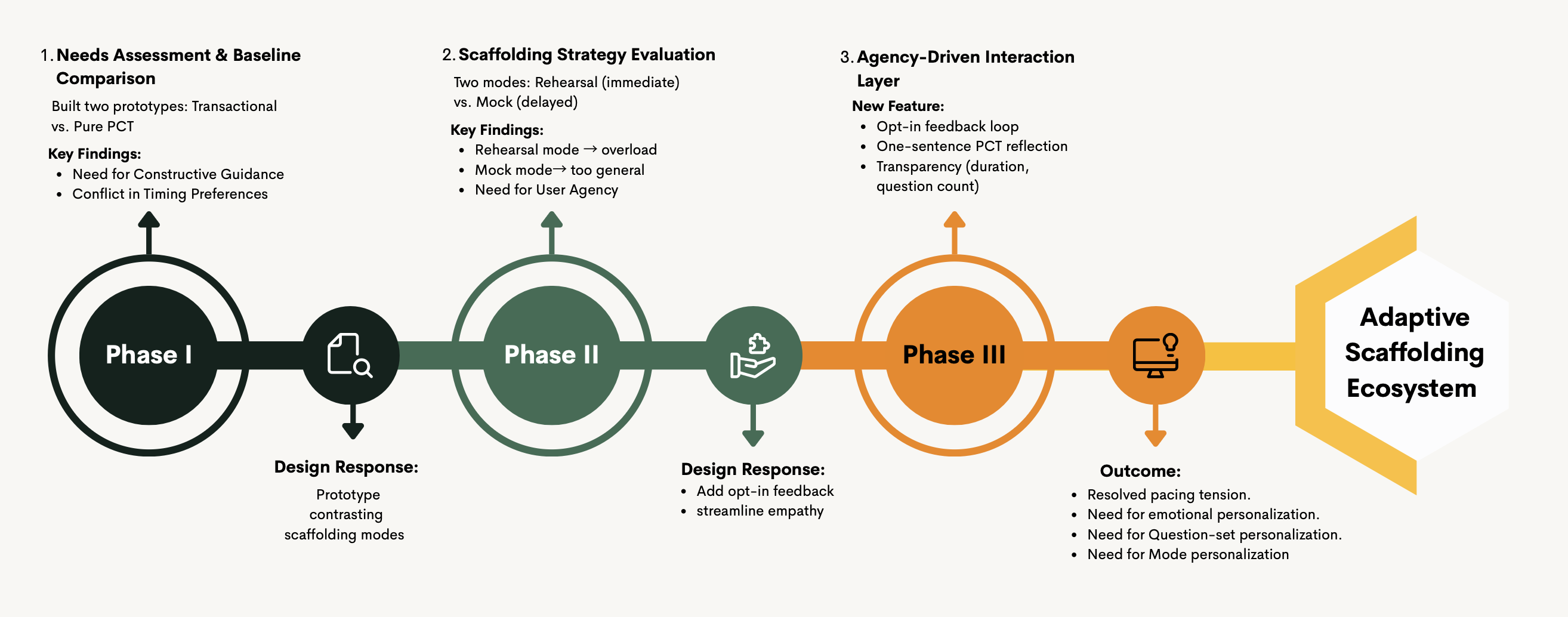
New research explores how socially intelligent robots can provide personalized guidance and emotional support to help individuals confidently navigate job interviews.
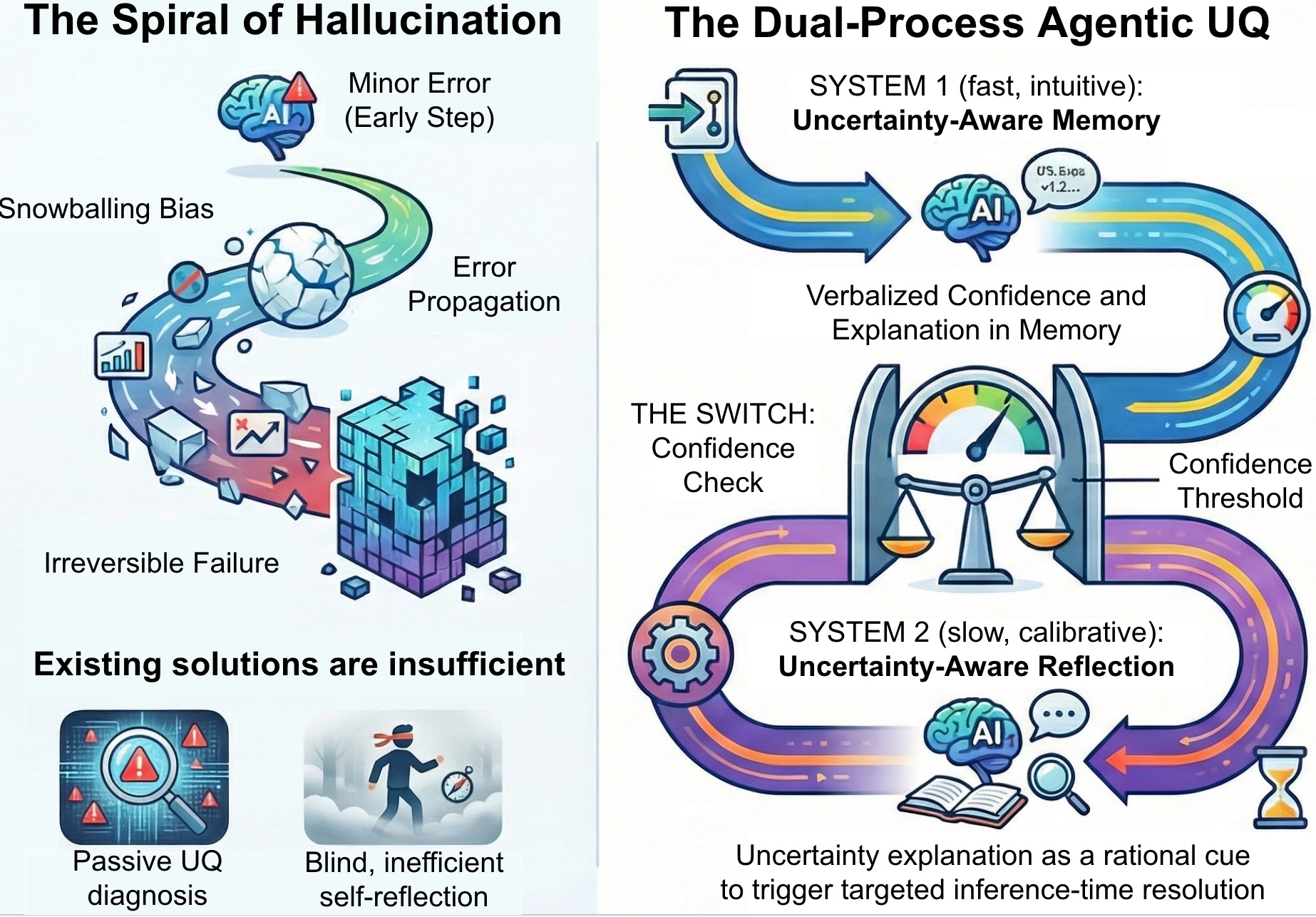
Long-horizon AI systems need to know what they don’t know, and this research introduces a framework for quantifying and acting upon that uncertainty to improve performance.
Researchers have developed a magnetically controlled, soft robotic device mimicking the elegant undulation of a cownose ray for precise underwater navigation.
A new mathematical framework moves beyond traditional distance-based models to provide a more flexible and nuanced representation of biological systems and their dynamic states.
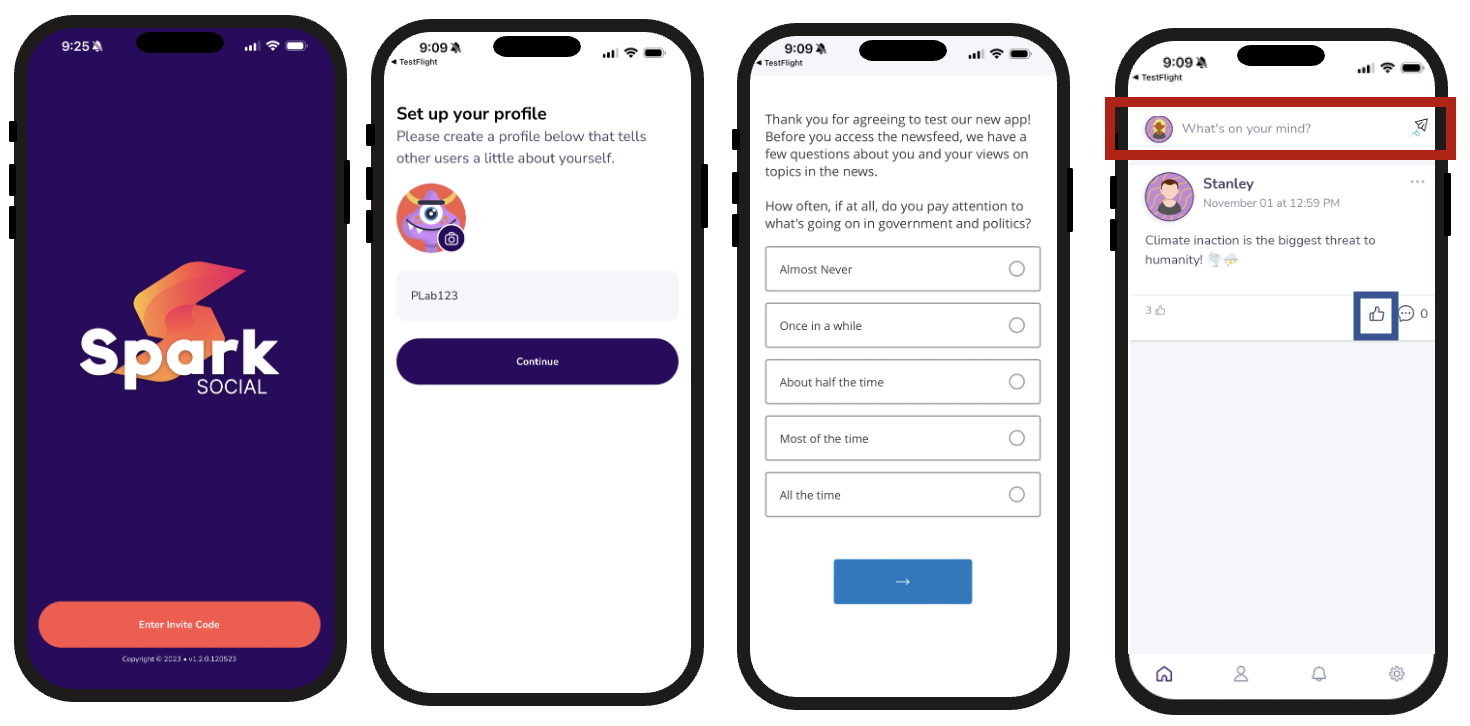
New research reveals how thoughtfully designed social media platforms can foster more inquisitive behavior and reduce negativity among users.
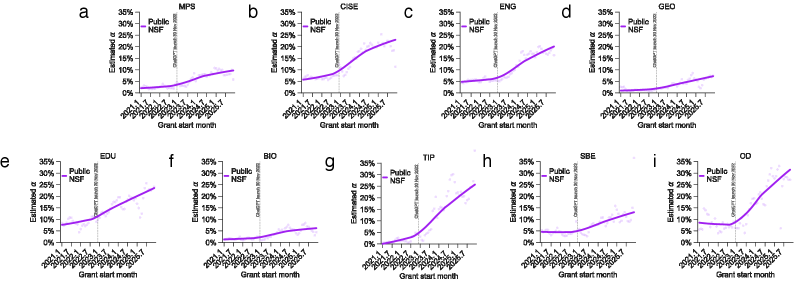
A new analysis reveals that the surge in artificial intelligence capabilities is demonstrably altering the landscape of federal research investment.
A new robotic system combines tactile sensing and reinforcement learning to autonomously locate and characterize embedded objects with greater precision than manual methods.
As artificial intelligence transforms healthcare, ensuring robust security and patient privacy is paramount to realizing its full potential.