Smart Calibration: AI-Powered Posture Selection for Ankle Rehabilitation Robots
![The study formulates a posture selection problem guided by D-optimality, effectively prioritizing configurations that maximize information gain and minimize uncertainty in subsequent estimations [latex] \mathbf{x} [/latex].](https://arxiv.org/html/2601.15707v1/method.png)
A new approach uses reinforcement learning to intelligently select robot poses, dramatically improving the efficiency of open-loop calibration.
A new approach uses reinforcement learning to intelligently select robot poses, dramatically improving the efficiency of open-loop calibration.
Researchers now have a streamlined solution for creating and validating metadata, boosting the FAIR principles and ensuring long-term data accessibility.
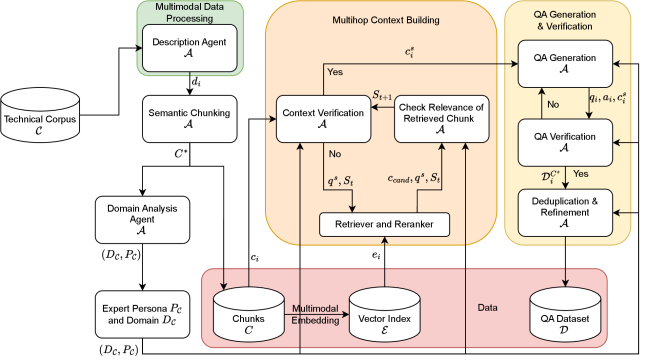
A new framework generates complex, multimodal question-answer datasets to push the boundaries of Retrieval-Augmented Generation evaluation.
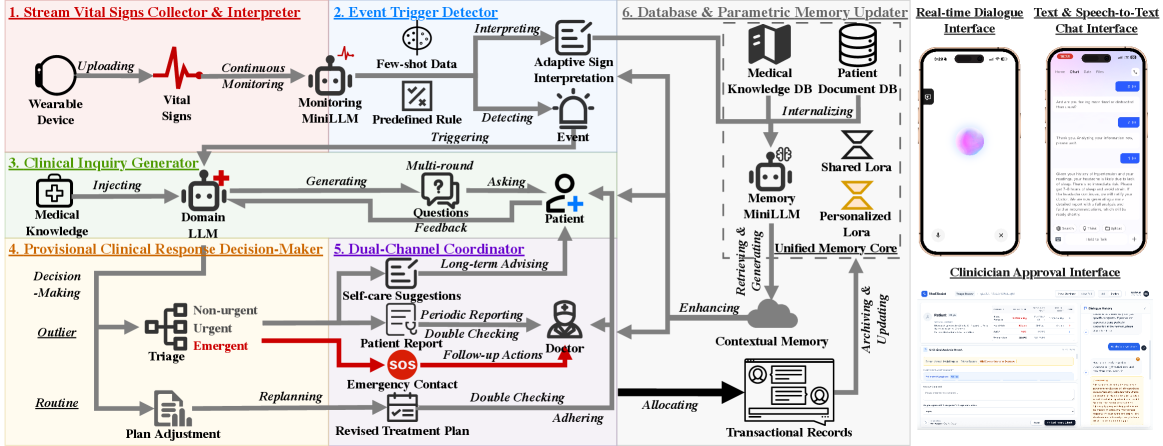
A new AI-powered system continuously analyzes wearable data to shift chronic care from reactive monitoring to proactive, personalized support.
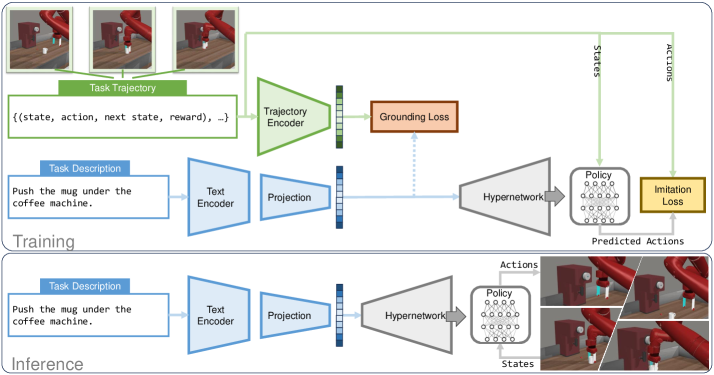
A new framework translates human instructions directly into efficient robot control policies, enabling versatile performance across a range of tasks.
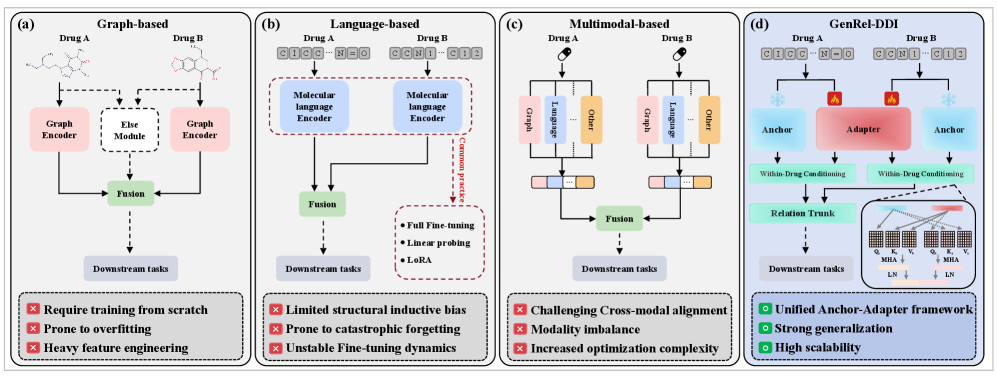
Researchers are shifting the focus from simply predicting drug-drug interactions to building a more generalizable understanding of how molecules interact with each other.
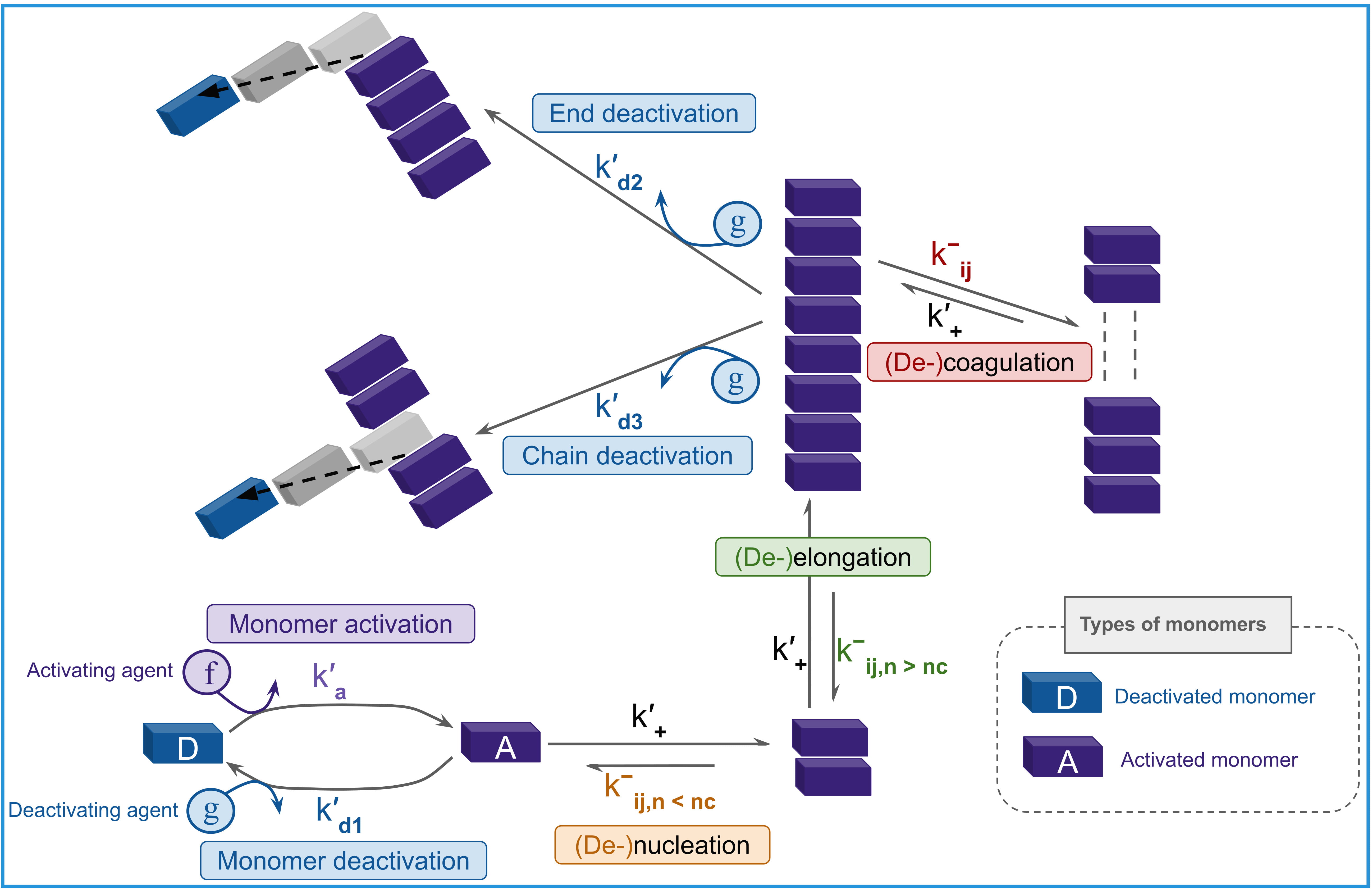
New research demonstrates how a simple chemical system can spontaneously create complex, dynamic patterns resembling those seen in living matter.
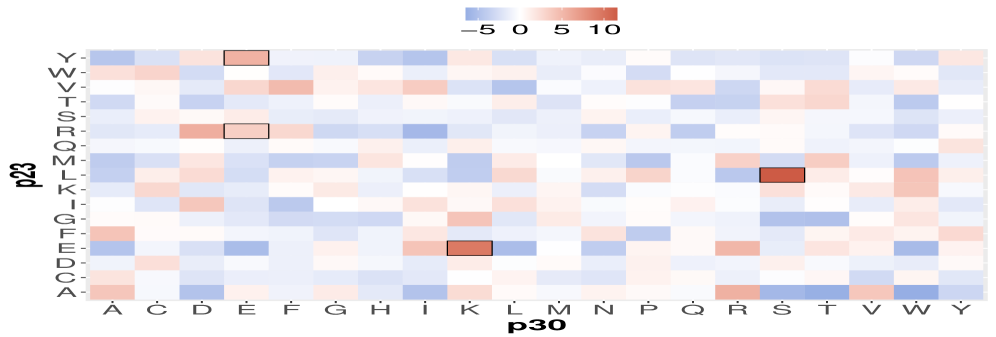
A new statistical framework analyzes patterns of amino acid relationships to predict protein interactions and understand the impact of genetic changes.
![The system’s transition from disorder to collective order hinges on the introduction of halting interactions; without them, a disordered state remains stable, but with interactions set to a value of seven, ordered dynamics emerge as evidenced by trajectories of order parameters [latex]m, v_m, v[/latex] and phase plane analysis of a mean-field model-simulations with [latex]N=500[/latex] particles and parameters [latex]s_S=s_M=s_C=c_S=c_C=0.2[/latex], [latex]h\in\{0,7\}[/latex], and [latex]c_M=2[/latex]-demonstrate this shift.](https://arxiv.org/html/2601.15362v1/x2.png)
Researchers have discovered that simple ‘stopping’ interactions between individuals can surprisingly give rise to robust, synchronized flocking behavior.
![The system adapts a pre-trained model θ - initially trained on attribute set <i>X</i> - during inference to incorporate newly discovered attributes [latex]\tilde{X}[/latex], such as YWHAG and MI recently identified as significant factors in Alzheimer’s disease prediction, thereby aiming to enhance predictive performance through incremental knowledge integration rather than complete retraining.](https://arxiv.org/html/2601.15751v1/x1.png)
Researchers have developed a method to seamlessly integrate new features into existing tabular learning models during inference, boosting performance and adaptability.