Beyond Physics: Rewriting the Rules of Life
A new perspective argues that understanding living systems, particularly neuronal function, demands a departure from conventional physics and the embrace of ‘non-ordinary’ laws.
A new perspective argues that understanding living systems, particularly neuronal function, demands a departure from conventional physics and the embrace of ‘non-ordinary’ laws.
Researchers have developed a unified model that excels at both understanding and generating images and text, bridging the gap between visual and language intelligence.
![Biology-informed optimization of parameters consistently yields solutions-evidenced by [latex]R^2[/latex] values exceeding chance levels as determined through 10,000 permutations-that robustly predict behavioral traits across distinct resting-state networks, including fluid reasoning ability, inwardly directed problems, and outwardly directed problems, as quantified by associated <i>p</i>- and <i>q</i>-values.](https://arxiv.org/html/2602.11398v1/x3.png)
New research shows that training whole-brain simulations with a biologically-inspired learning strategy significantly improves their ability to generalize and predict individual cognitive traits.
A new framework, HybridRAG, enhances chatbot responses by proactively preparing answers from unstructured documents, even scanned PDFs.
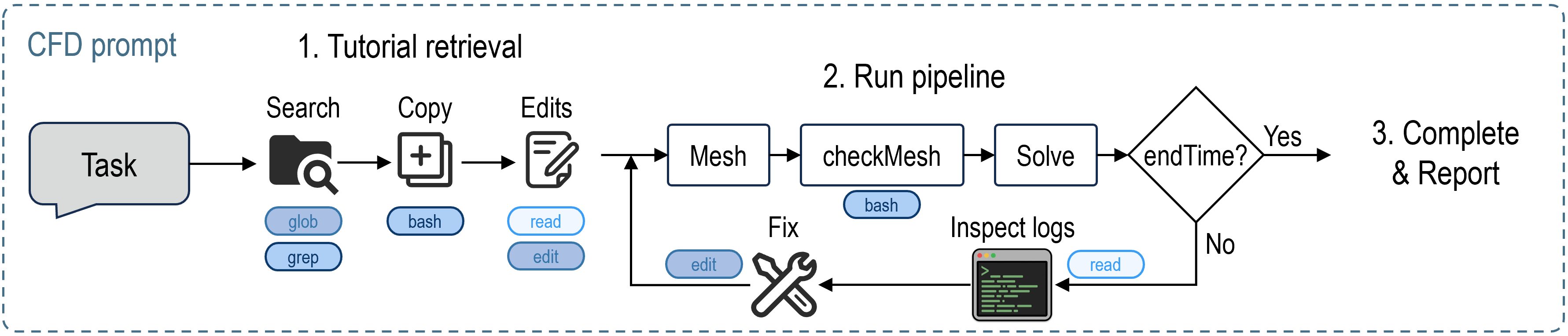
This research investigates automating computational fluid dynamics workflows with artificial intelligence, aiming to improve the reliability of complex engineering simulations.
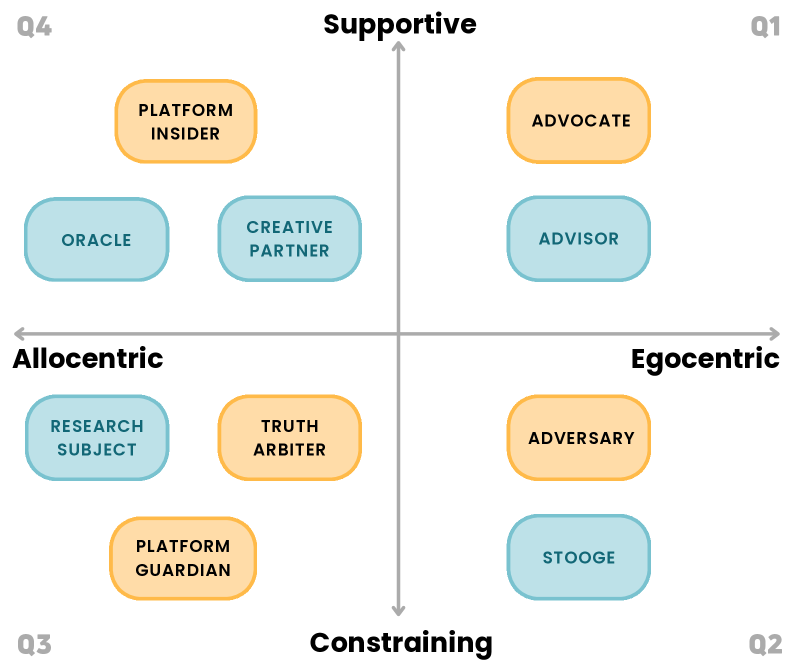
A new study examines how users are interacting with the Grok large language model on X, revealing the distinct social roles the AI is beginning to assume.
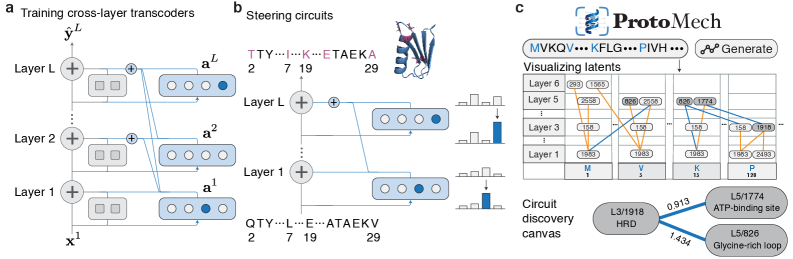
Researchers have developed a new framework to dissect the inner workings of protein language models, revealing the computational circuits that drive biological function.
![The PRIME framework establishes a system where reasoning steps are continuously vetted for consistency, with a coordinating mechanism managing iterative refinement through a state-based backtracking process informed by Group Relative Policy Optimization [latex] GRPO [/latex], acknowledging that even robust systems require ongoing recalibration to maintain integrity over time.](https://arxiv.org/html/2602.11170v1/figures/fig9_algorithm1.png)
A new framework combines the strengths of multi-agent systems and iterative refinement to dramatically improve the ability of AI to solve complex problems.
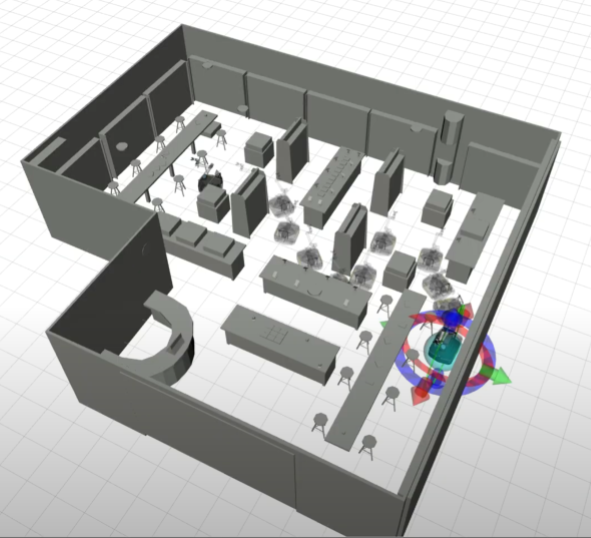
A new motion planning framework dramatically improves efficiency by simultaneously exploring multiple potential paths for robots operating in complex, high-dimensional spaces.
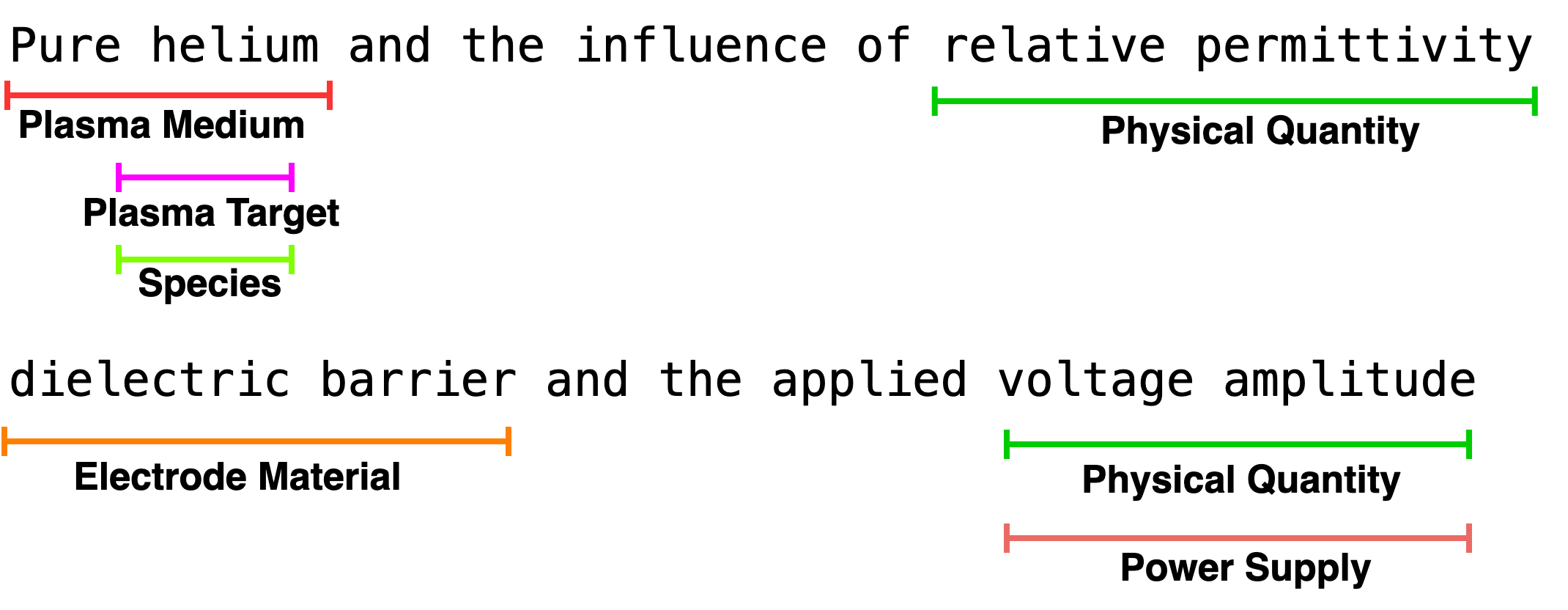
A new approach to information extraction leverages artificial intelligence to identify and categorize key concepts within complex research articles.