Can AI Truly Understand What You’re Thinking?
New research suggests that even the most advanced artificial intelligence, like GPT-4o, struggles with the core cognitive ability to understand the mental states of others.
New research suggests that even the most advanced artificial intelligence, like GPT-4o, struggles with the core cognitive ability to understand the mental states of others.
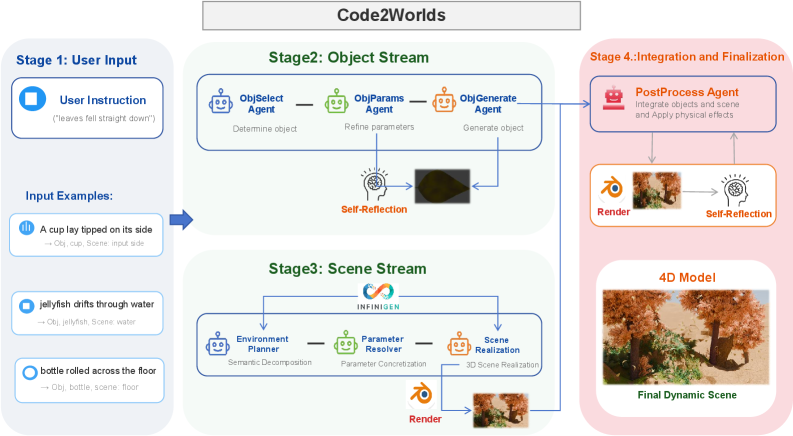
Researchers have developed a new framework that translates natural language into complex, physically-simulated environments.
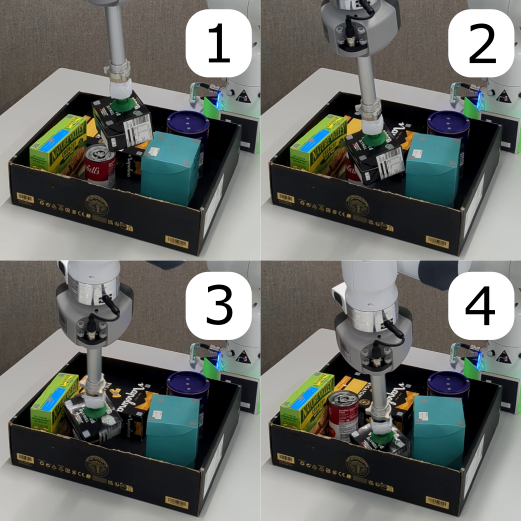
A new robotic system demonstrates the ability to strategically manipulate objects and pack them into partially filled containers, opening doors for automation in unstructured environments.
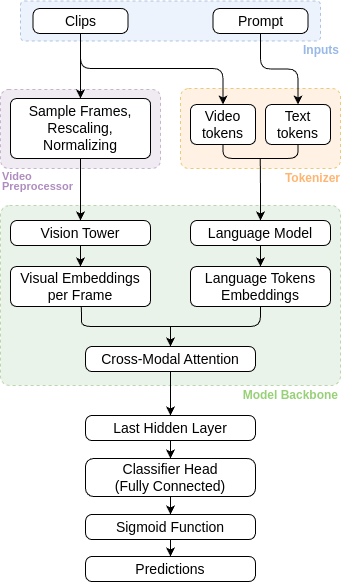
New research shows that combining vision and language processing can significantly enhance the accuracy of activity recognition during critical moments of newborn care.
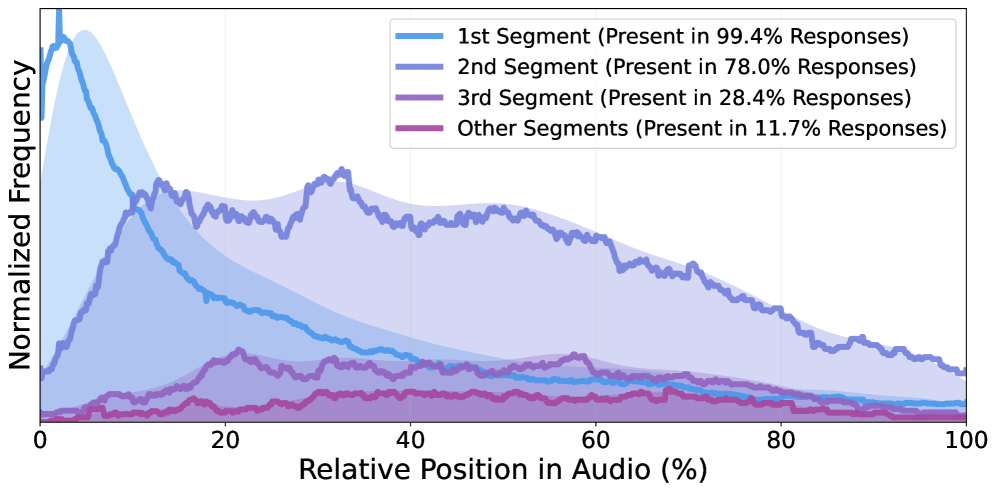
Researchers are developing language models that can continuously process and reason about audio, moving beyond simple transcription to true comprehension.
New research reveals that the success of open-source projects hinges less on code quality and more on the subtle dynamics of team collaboration and individual motivations.
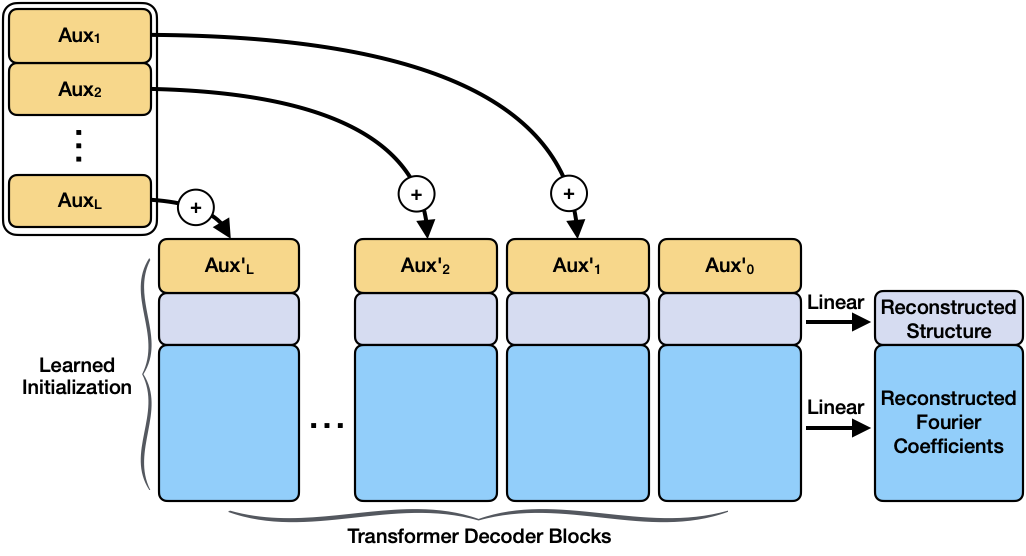
Researchers are leveraging the power of diffusion models and Fourier transforms to design and create novel crystalline structures with unprecedented efficiency.
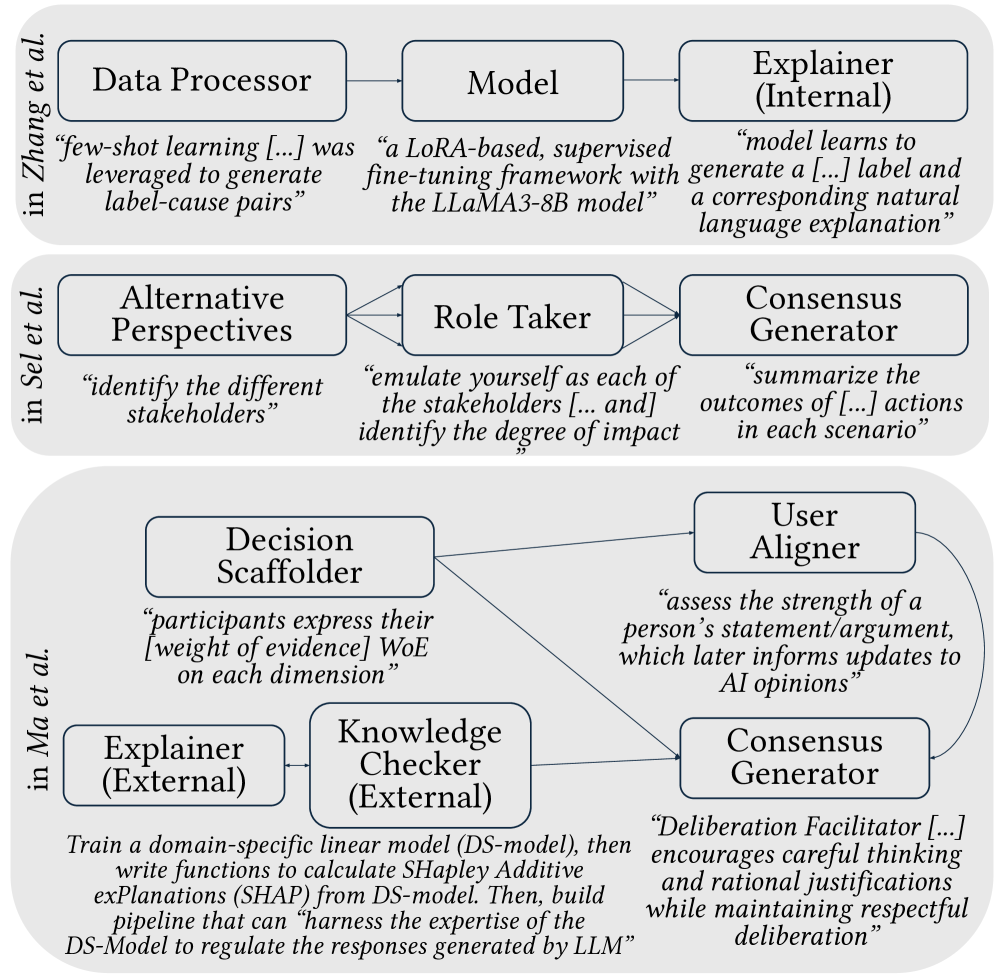
A new framework categorizes the diverse roles humans and large language models play in collaborative decision-making.
As AI agents become increasingly powerful, ensuring their security and reliability is paramount, and new approaches are needed to defend against emerging threats like prompt injection.
Researchers have released a comprehensive dataset combining visitor movement, gaze patterns, and demographic information to unlock deeper insights into how people interact with museum exhibits.