Mapping Lie Algebras: A New Visual Approach
Researchers are leveraging the power of graph theory to unlock deeper insights into the structure of finite-dimensional Lie algebras.
Researchers are leveraging the power of graph theory to unlock deeper insights into the structure of finite-dimensional Lie algebras.
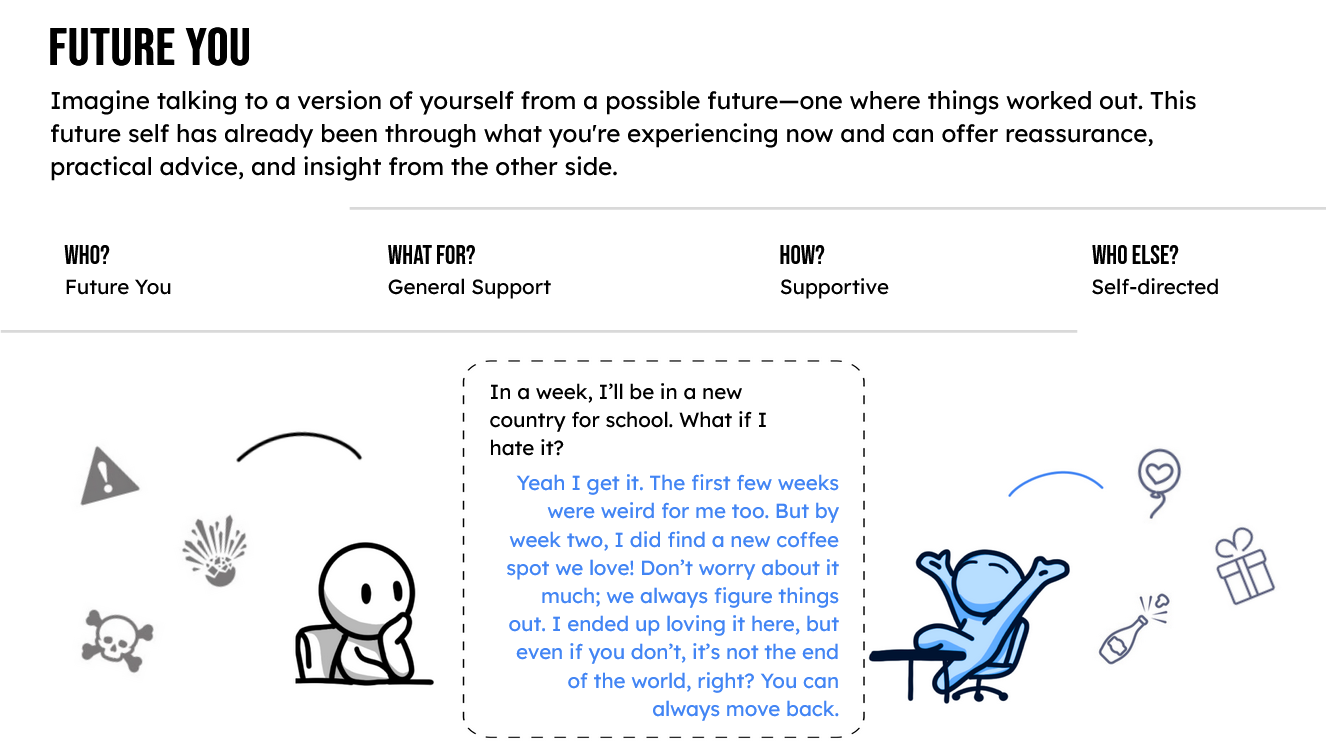
Researchers are developing a framework for creating self-clone chatbots designed to foster internal dialogue and improve psychological well-being.
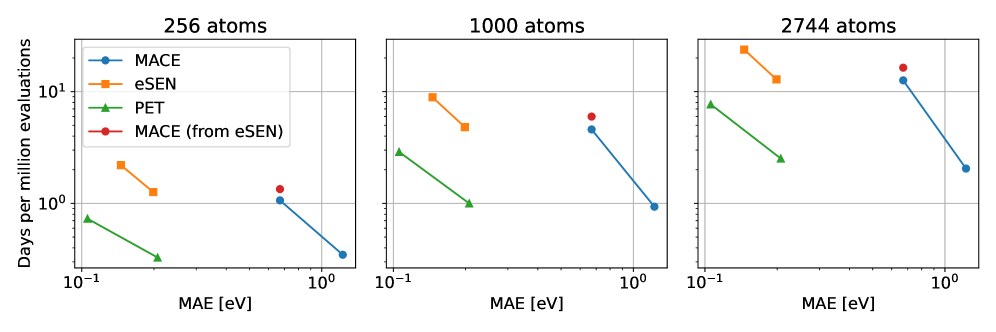
Researchers are challenging conventional wisdom in machine learning for materials science with a surprisingly effective approach to interatomic potential development.
![The study formulates a posture selection problem guided by D-optimality, effectively prioritizing configurations that maximize information gain and minimize uncertainty in subsequent estimations [latex] \mathbf{x} [/latex].](https://arxiv.org/html/2601.15707v1/method.png)
A new approach uses reinforcement learning to intelligently select robot poses, dramatically improving the efficiency of open-loop calibration.
Researchers now have a streamlined solution for creating and validating metadata, boosting the FAIR principles and ensuring long-term data accessibility.
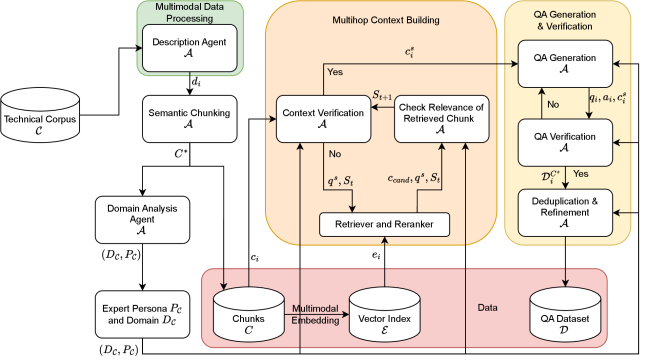
A new framework generates complex, multimodal question-answer datasets to push the boundaries of Retrieval-Augmented Generation evaluation.
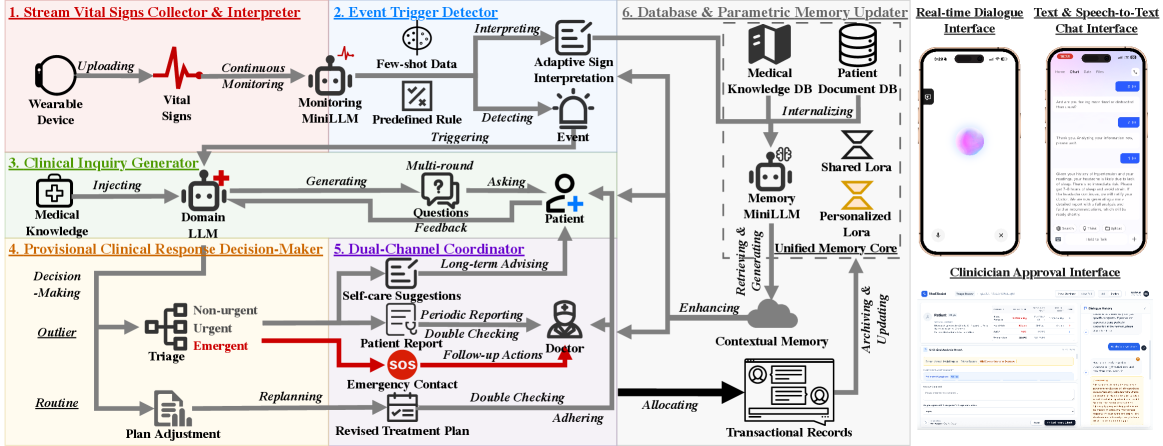
A new AI-powered system continuously analyzes wearable data to shift chronic care from reactive monitoring to proactive, personalized support.
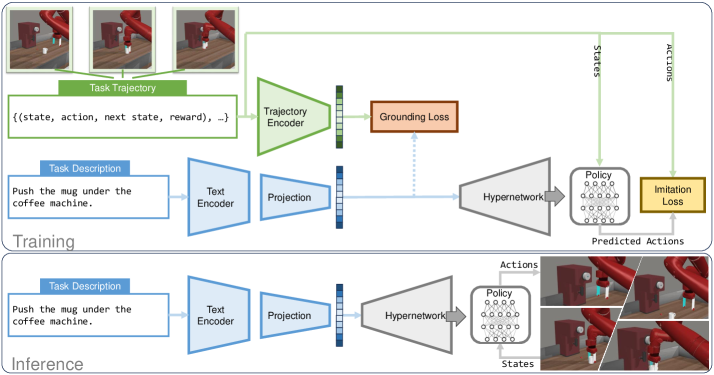
A new framework translates human instructions directly into efficient robot control policies, enabling versatile performance across a range of tasks.
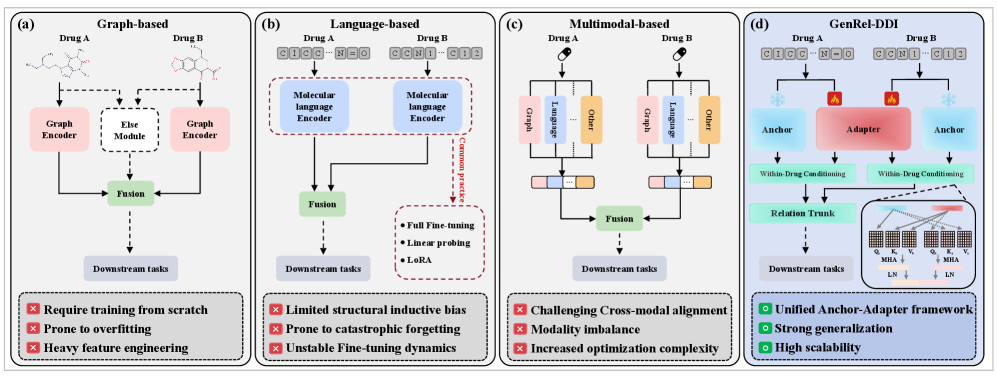
Researchers are shifting the focus from simply predicting drug-drug interactions to building a more generalizable understanding of how molecules interact with each other.
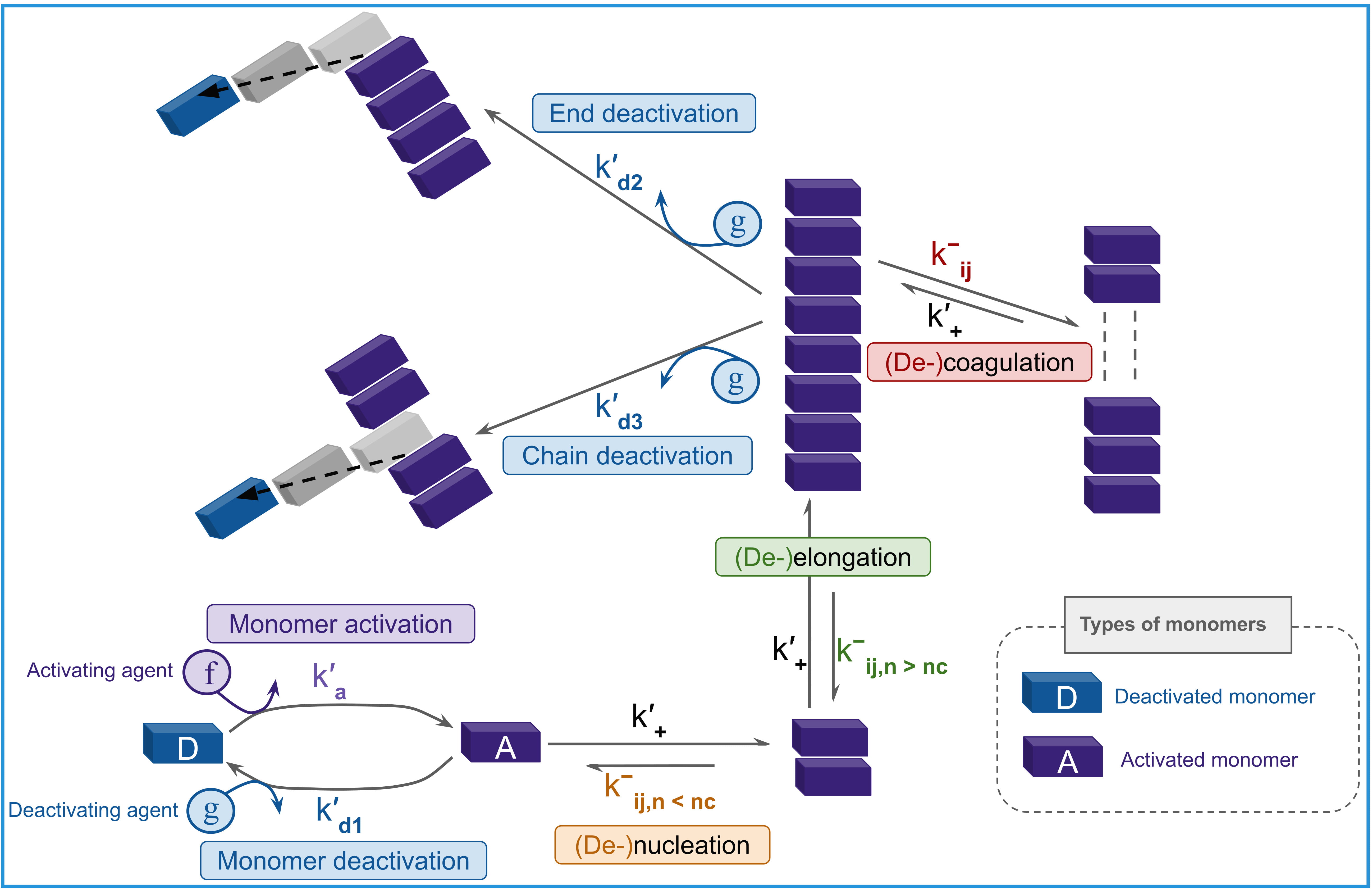
New research demonstrates how a simple chemical system can spontaneously create complex, dynamic patterns resembling those seen in living matter.