Listen and Learn: A Conversational Guide for Hands-On Tasks

Researchers have developed a wearable assistant that proactively guides users through procedural tasks using audio and motion sensing.
Researchers have developed a wearable assistant that proactively guides users through procedural tasks using audio and motion sensing.
New research reveals that artificial intelligence specialization isn’t limited to Europe’s major tech centers, with significant activity emerging in peripheral regions.
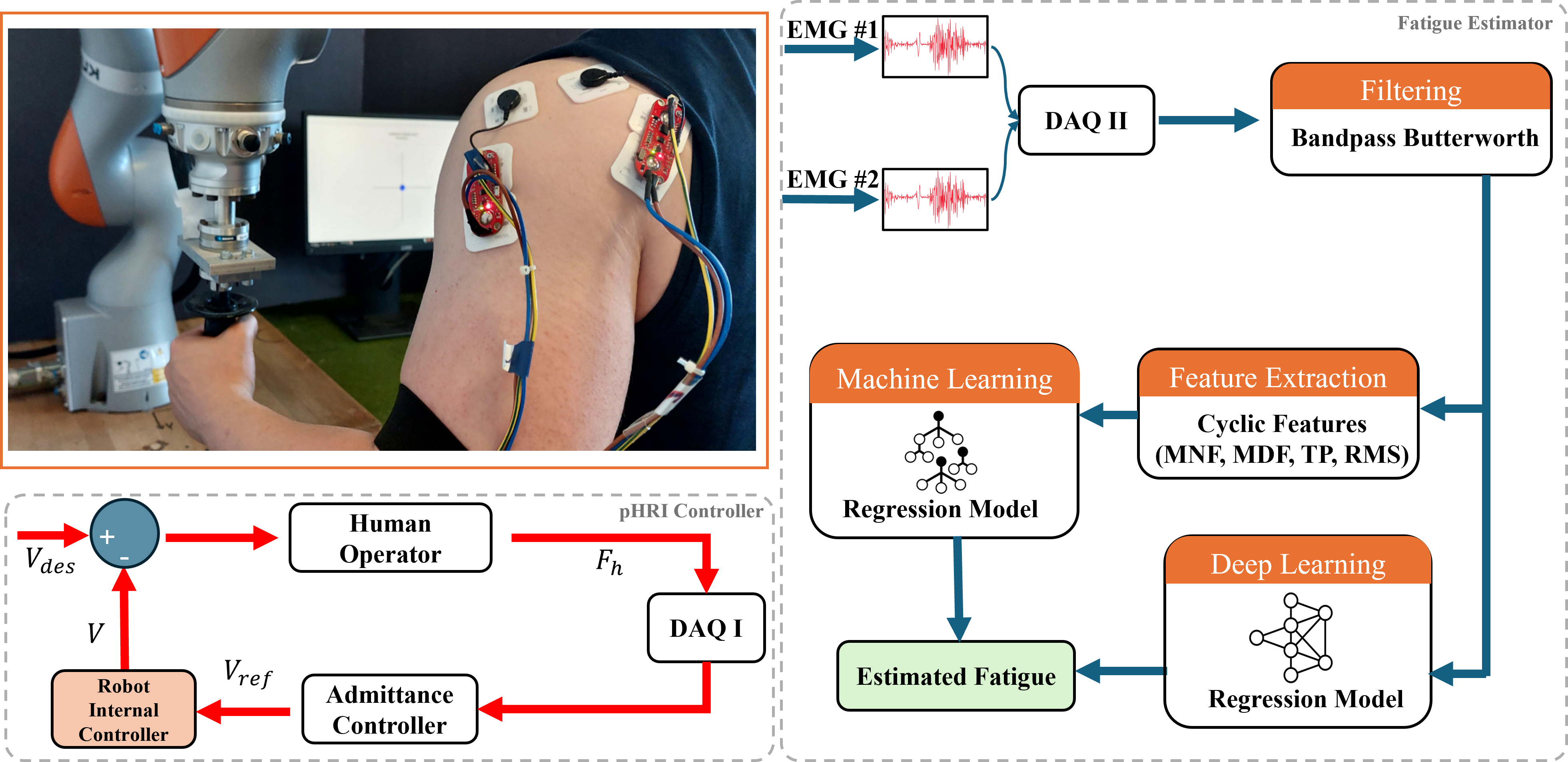
New research leverages machine learning to estimate muscular fatigue during physically demanding tasks where humans and robots work side-by-side.
![An agent demonstrates proactive knowledge acquisition by identifying gaps in a user’s existing understanding-delineated by known knowledge ([latex]KK[/latex]), known unknowns ([latex]KU[/latex]), and unknown unknowns ([latex]UK[/latex])-and systematically expanding the boundary between what is known and what remains uncertain.](https://arxiv.org/html/2602.15259v1/input_files/Intro_1.jpg)
A new perspective argues that truly proactive artificial intelligence requires agents to recognize and respect the limits of their own understanding, moving beyond simply maximizing independent action.
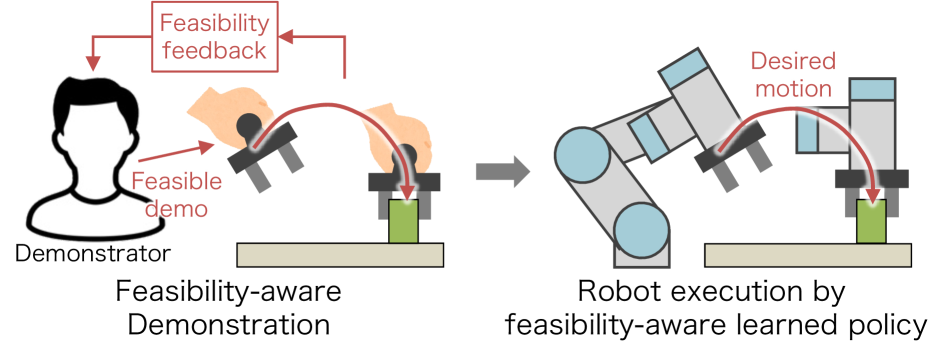
A new imitation learning framework enhances robot skill acquisition by incorporating real-time visual and haptic cues to guide demonstrators toward physically realizable motions.
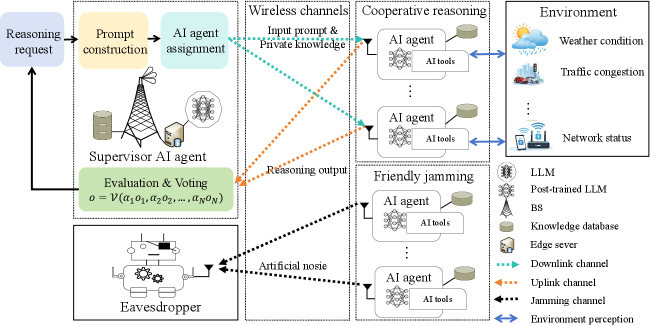
This review explores how strategically coordinating artificial intelligence agents can dramatically improve the energy efficiency and security of modern wireless communication systems.
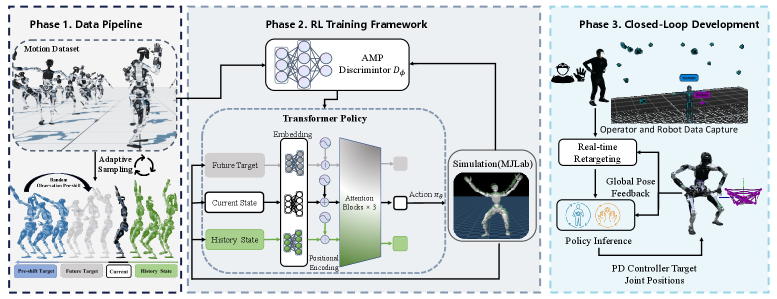
Researchers have developed a new system enabling stable, long-duration control of humanoid robots through intuitive human guidance.
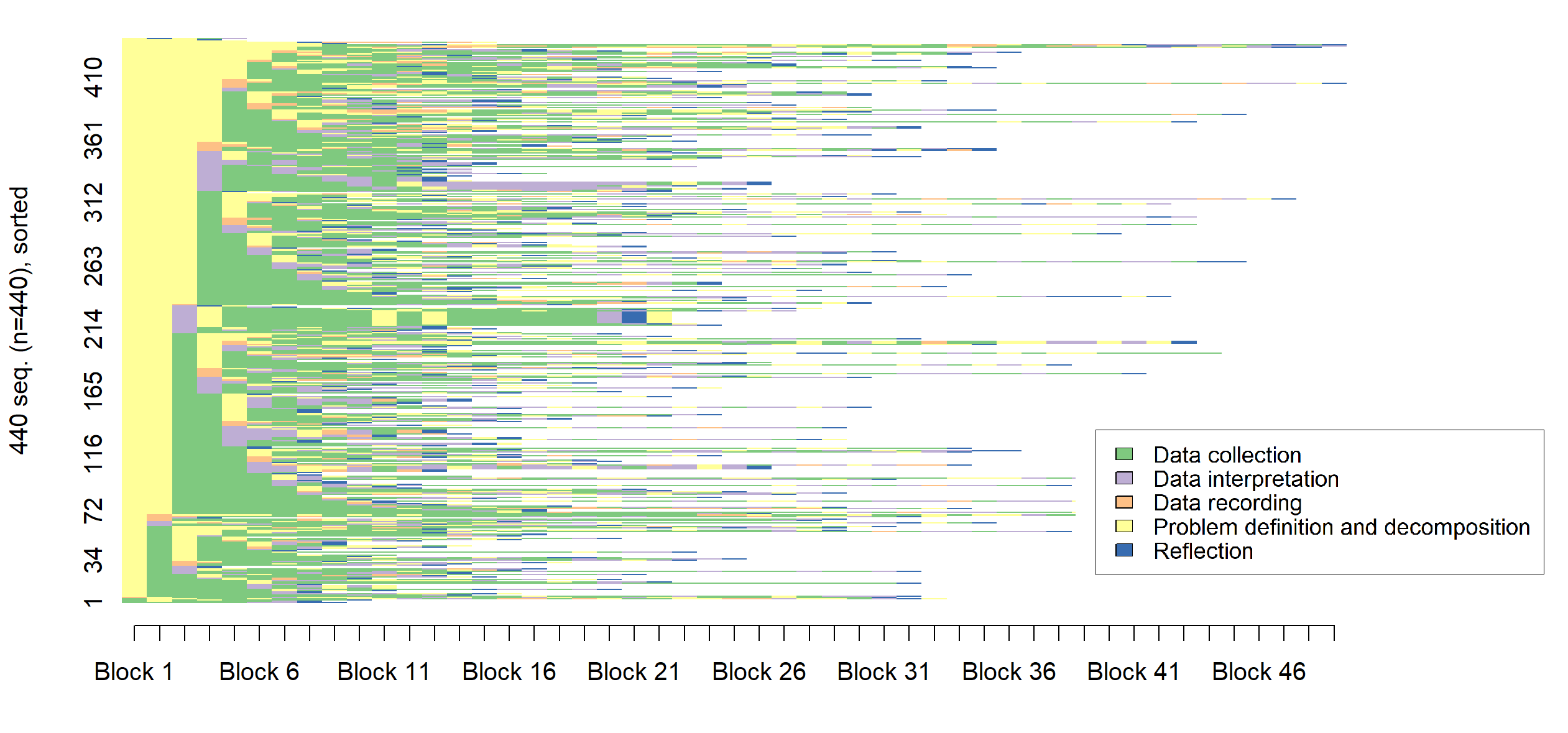
New research reveals that expert data scientists aren’t defined by what tools they use, but by how they approach problem-solving within computational notebooks.
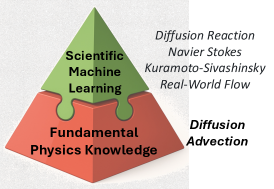
A new approach leverages fundamental physical laws to train artificial intelligence, dramatically improving its ability to solve complex scientific problems with limited data.
A new framework optimizes how AI asks for human help, moving beyond simple labels to dramatically improve learning efficiency and reduce the burden on human annotators.