Ethereum Just Won the Tokenization War (And Wall Street Is Watching)
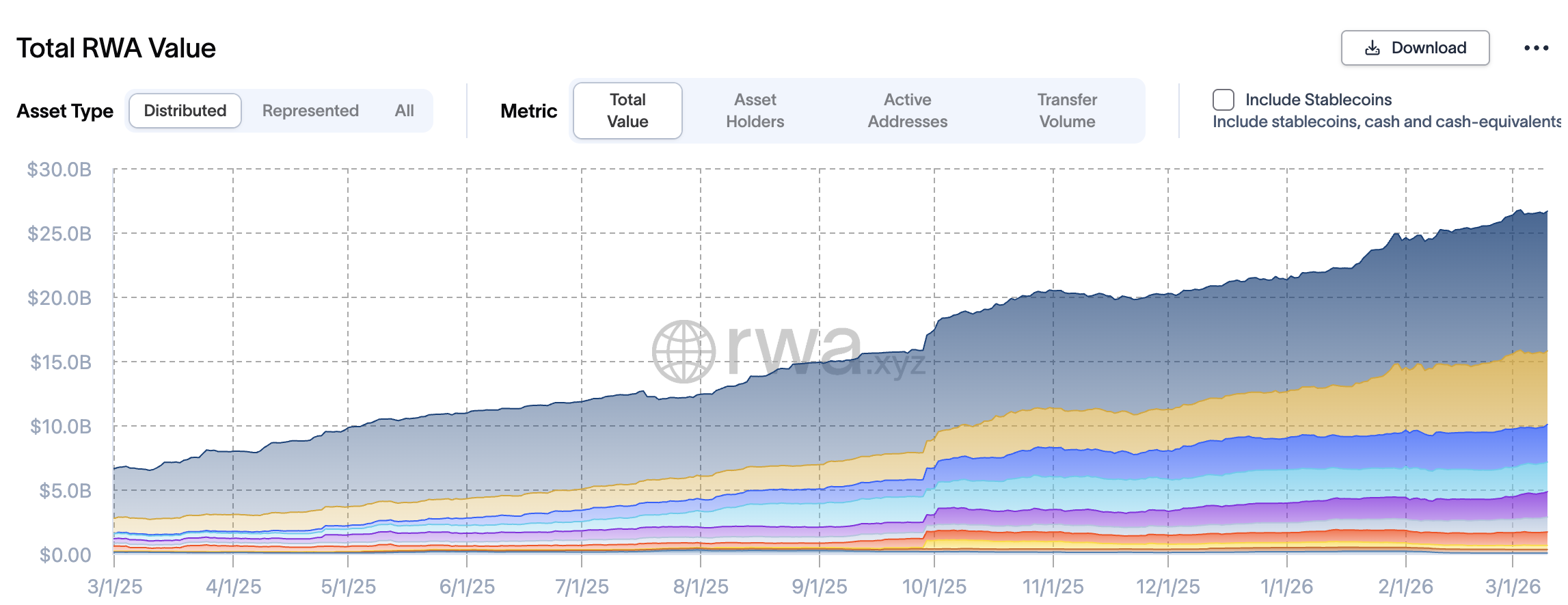
Even with increasing competition from Solana, Ethereum remains the leading cryptocurrency, controlling over half of the market.
Even with increasing competition from Solana, Ethereum remains the leading cryptocurrency, controlling over half of the market.
Porter said the core dispute is no longer just about whether Congress wants to regulate crypto, but on whose terms. President Donald Trump has publicly backed keeping the GENIUS Act intact, Porter noted, which he described as a positive sign for crypto firms. But he argued that support from the White House does not resolve the deeper standoff with banks, especially around stablecoins and the issue of rewards programs that banks view as a threat to deposits.
In a recent appearance on the Coin Stories podcast, Arthur Hayes made it clear that if he had $1 to invest today, it wouldn’t be going into BTC. He’d be waiting for the Fed to start printing money like it’s a hobby. Because, let’s be real, the only thing more exciting than a geopolitical crisis is a central bank with a printing press.
one core base asset (ATOM), one primary liquidity venue (Osmosis on Hub), and unified governance. For Osmosis, the move could widen its addressable user base if ATOM’s brand and distribution outweigh the loss of a standalone token. A gamble as risky as betting on a horse named “Sure Thing.”
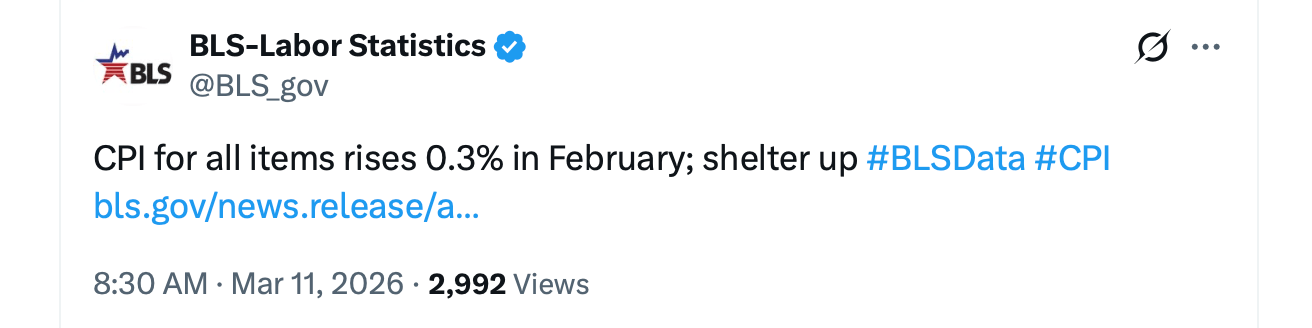
The February Consumer Price Index (CPI) report, that most reliable of horoscopes, revealed inflation’s unyielding grip at 2.4% year over year, matching January’s reading and economist expectations, according to the Bureau of Labor Statistics (BLS). On a monthly basis, headline CPI increased 0.3% in February, slightly faster than January’s 0.2% gain, while core CPI – which excludes food and energy – rose 0.2% for the month and 2.5% from a year earlier.
On March 10, Senator Adam Schiff (California’s resident fun police) and Representative Mike Levin (CA-49, clearly not busy enough) introduced the DEATH BETS Act. Because, you know, nothing screams “legislative priority” like banning people from wagering on whether Nicolás Maduro will still be sipping chai in Caracas next Tuesday. The bill targets prediction markets tied to terrorism, assassination, war, or anyone’s untimely demise on platforms registered with the CFTC. Kalshi, Polymarket, and their crypto cousins? You’re on notice.
AI assistants are expected to handle a massive increase in payments. Predictions suggest they could process one million times more transactions than humans currently do, potentially leading to a yearly cryptocurrency transaction volume of $400 trillion, according to some experts.
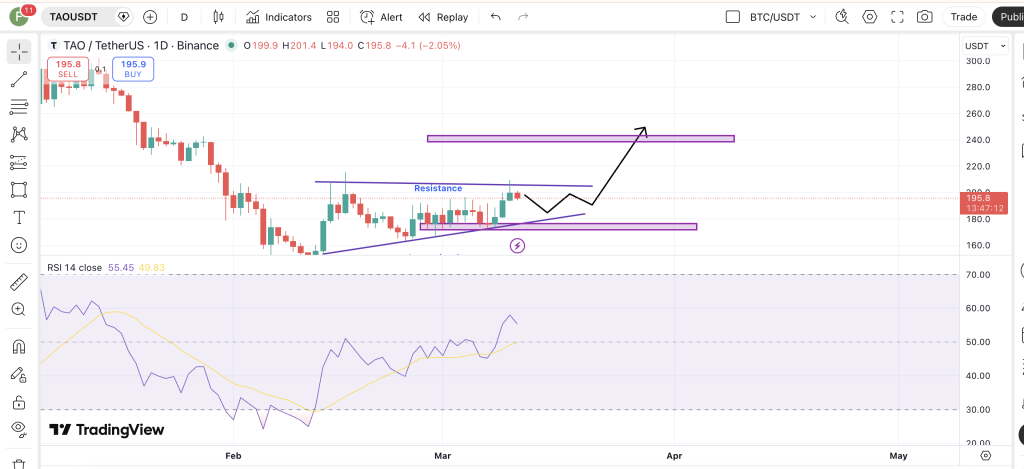
But ah! With the revelation of NVIDIA’s February earnings, a delightful array of Artificial Intelligence (AI) coins, such as TAO, NEAR, ICP, and their equally charming companions RENDER, FET, and Virtuals, have danced and twirled with a most exciting volatility. One would do well to watch with keen eyes how these coins perform in the coming weeks, for they are as unpredictable as the winds of fate itself.
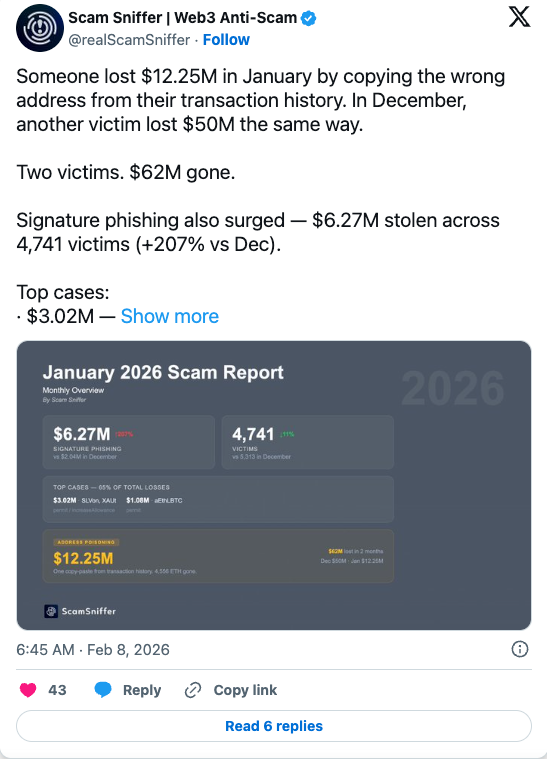
But let us not dwell on this alone. For in December, a similar charade saw $50 million vanish like smoke, a testament to the audacity of those who peddle digital sleight-of-hand. Truly, the era of the “honest thief” has arrived.

According to CryptoQuant’s analysis, the number of active Ethereum addresses has climbed to heights rivaling the social ascent of a Coward heroine. Increased participation across the ecosystem, you say? How positively bustling!