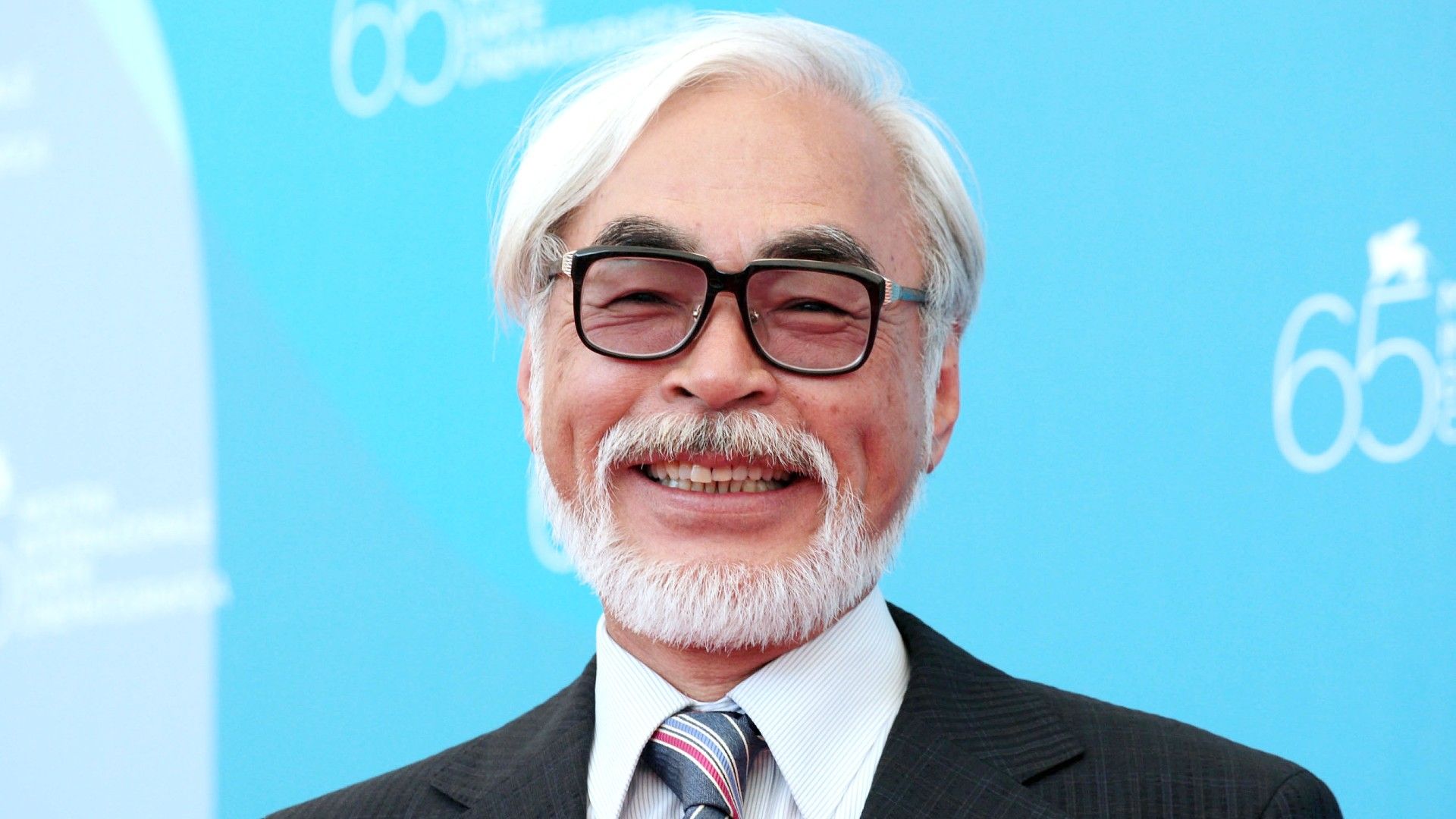
Hayao Miyazaki is widely considered one of the most influential filmmakers of all time, and the films he’s known for were crucial to his growth as an artist. He began his career as an animator in Japanese television during the 1960s and 70s, and in 1985, he helped establish Studio Ghibli. This led to the creation of beloved classics such as My Neighbor Totoro and Princess Mononoke.
Because Miyazaki isn’t limited by the rules of live-action films, his movies have a wonderfully imaginative and playful feel. He finds beauty in everyday life, even when telling fantastical or supernatural stories. Films like Spirited Away demonstrate what animation can achieve, and Miyazaki is one of the best at using its possibilities.
Miyazaki’s art is truly unique, but it’s easy to see what inspired him. He’s often talked about the films he loves and that influenced his work. While he enjoys over twenty movies, just ten of them really show us what Miyazaki values and how much he loves film.
How Green Was My Valley (1941)
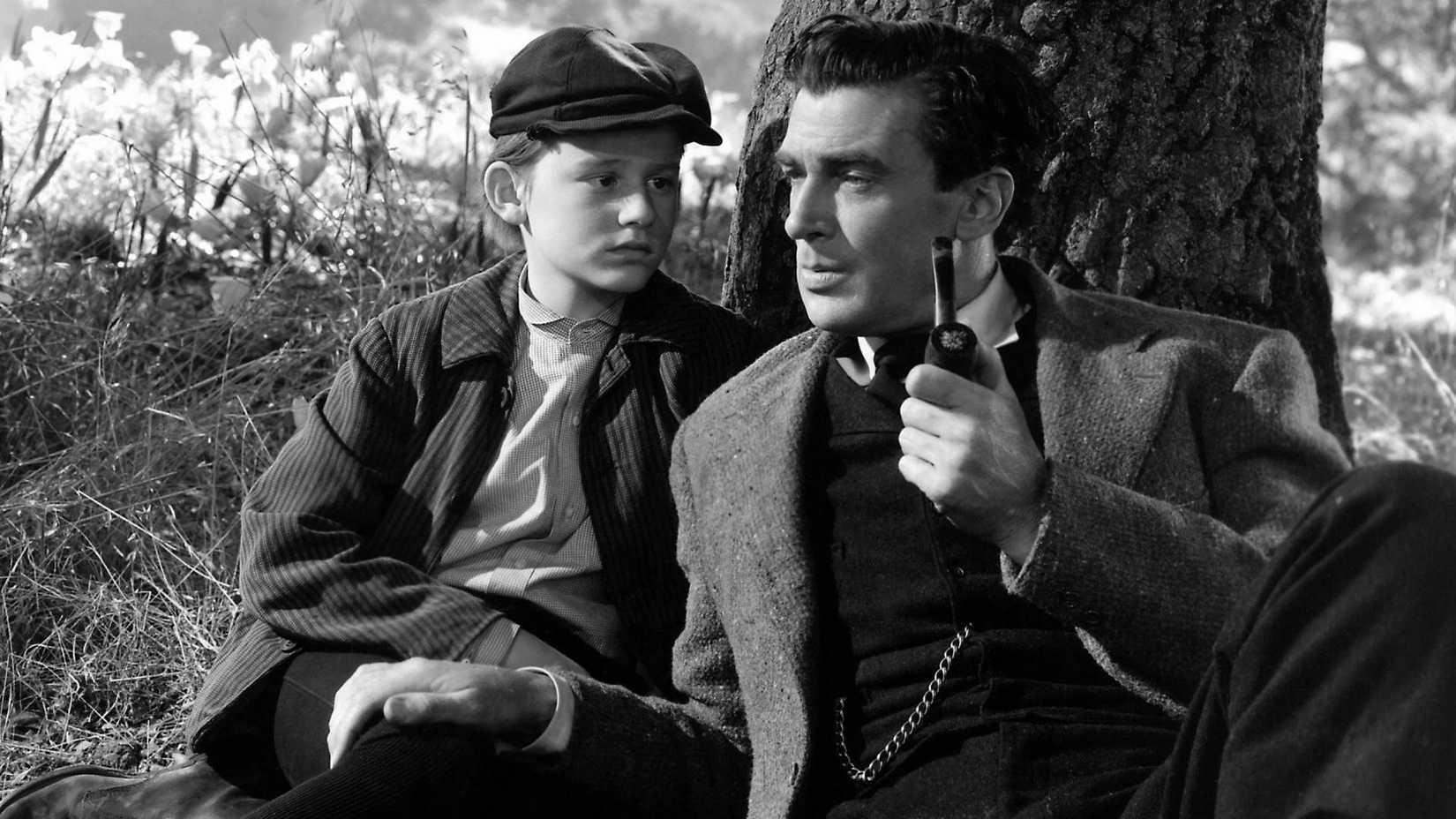
Today, How Green Was My Valley is often remembered for winning Best Picture at the Oscars over Citizen Kane, but this John Ford film is much more than just that upset. Set in a Welsh mining town, it tells the story of the Morgan family and how their lives are affected by the big changes happening at the turn of the century. At its heart, it’s a story about what it means to be human.
It’s easy to see what inspired Miyazaki, and his films often deal with personal feelings against a backdrop of powerful events. John Ford’s How Green Was My Valley is a truly exceptional film – and that’s high praise considering Ford’s overall body of work. The debate around its Oscar win shouldn’t overshadow the fact that this 1941 movie is a deeply moving and classic piece of Hollywood storytelling.
The Old Mill (1937)
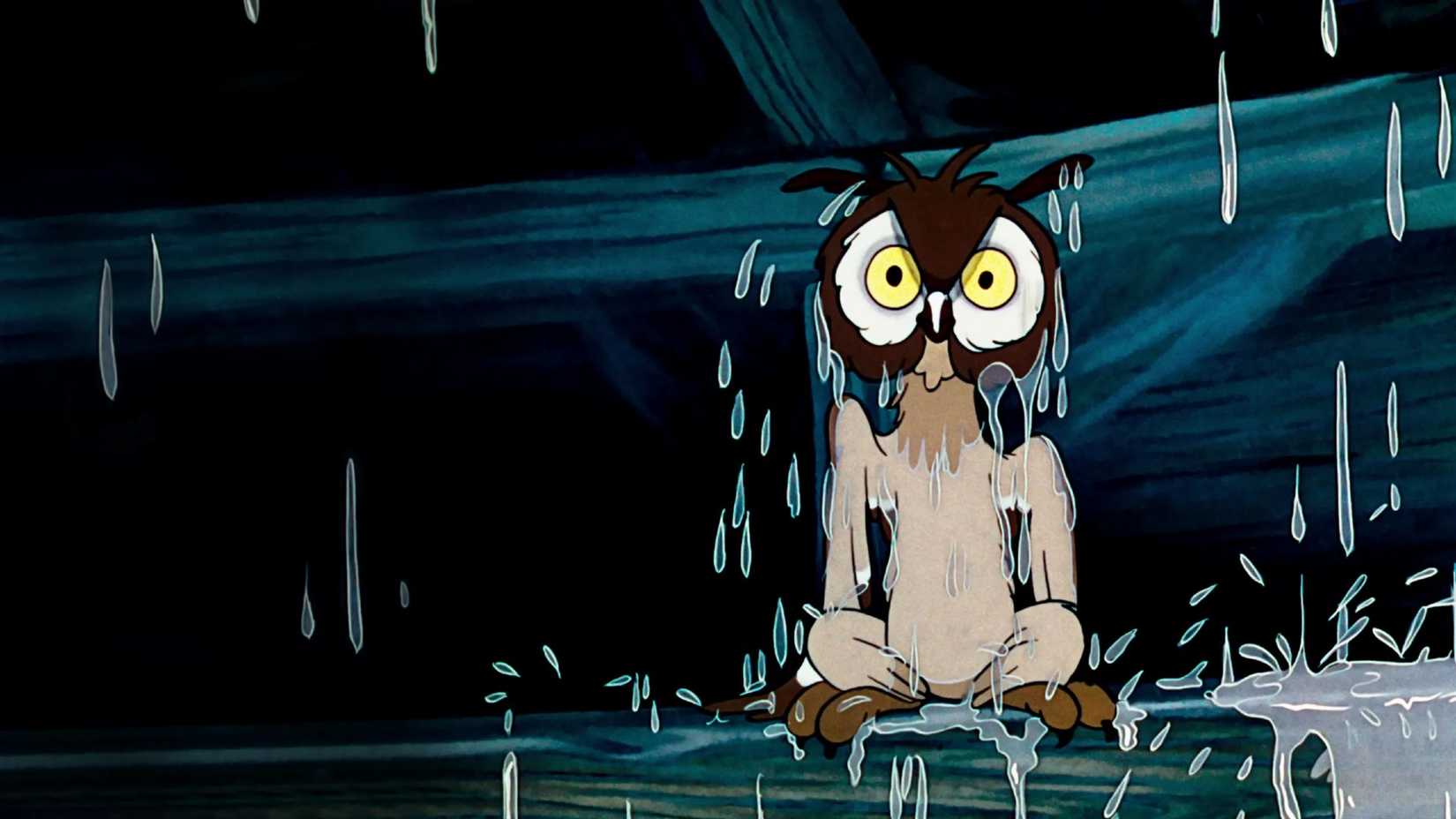
Before Disney became known for full-length movies, their Silly Symphonies shorts were incredibly important, and “The Old Mill” is a standout example. This ten-minute cartoon beautifully depicts animals finding refuge in an old mill as a storm approaches. The animation is stunning and smooth, and the way the story is told through visuals is among the best work Disney did in its early years.
Even though Hayao Miyazaki’s style is very different from Disney’s, he acknowledges the success of “The Old Mill.” The animation is incredibly creative and really demonstrates what’s possible with the art form. Whether you’re a long-time animation fan or new to it, “The Old Mill” is a perfect example of the beauty and skill involved in animation.
Ran (1985)
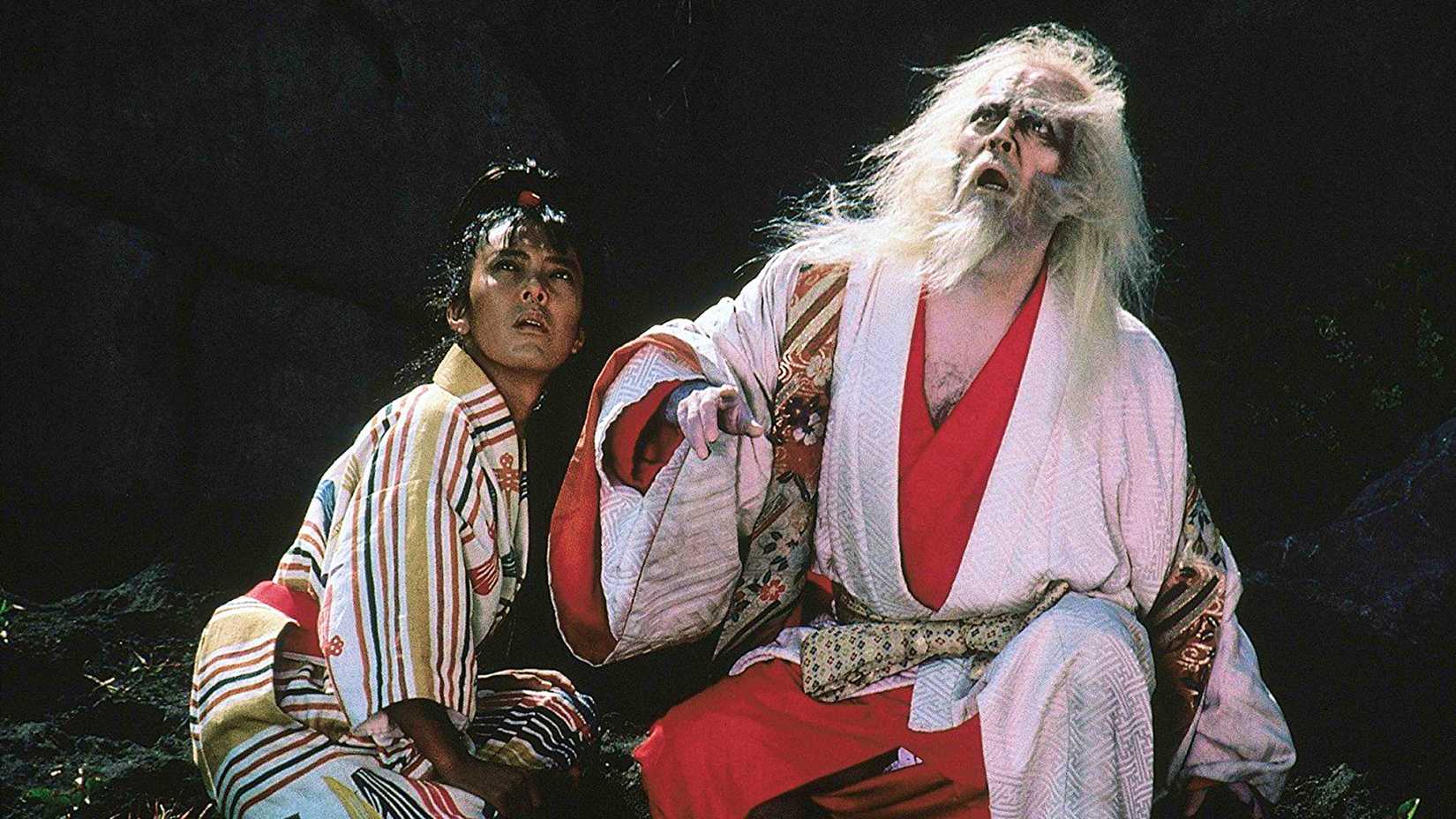
Released in the same year Hayao Miyazaki helped start Studio Ghibli, Akira Kurosawa’s Ran is widely considered the final masterpiece of the legendary director’s career. Inspired by Shakespeare’s King Lear, the film tells the story of a powerful leader who tries to divide his kingdom among his three sons. Though Kurosawa directed three more films, Ran is seen as his crowning achievement.
As a huge movie fan, I’ve always noticed the influence of Akira Kurosawa on Hayao Miyazaki. Kurosawa’s film Ran is a masterpiece of grand scale and detail – it really stays with you. While Miyazaki’s movies are very different in style, he definitely learned from Kurosawa how to make even the most epic stories feel deeply personal and human. Both directors are amazing at putting characters at the heart of everything, and that’s something I really admire.
Peter Pan (1953)
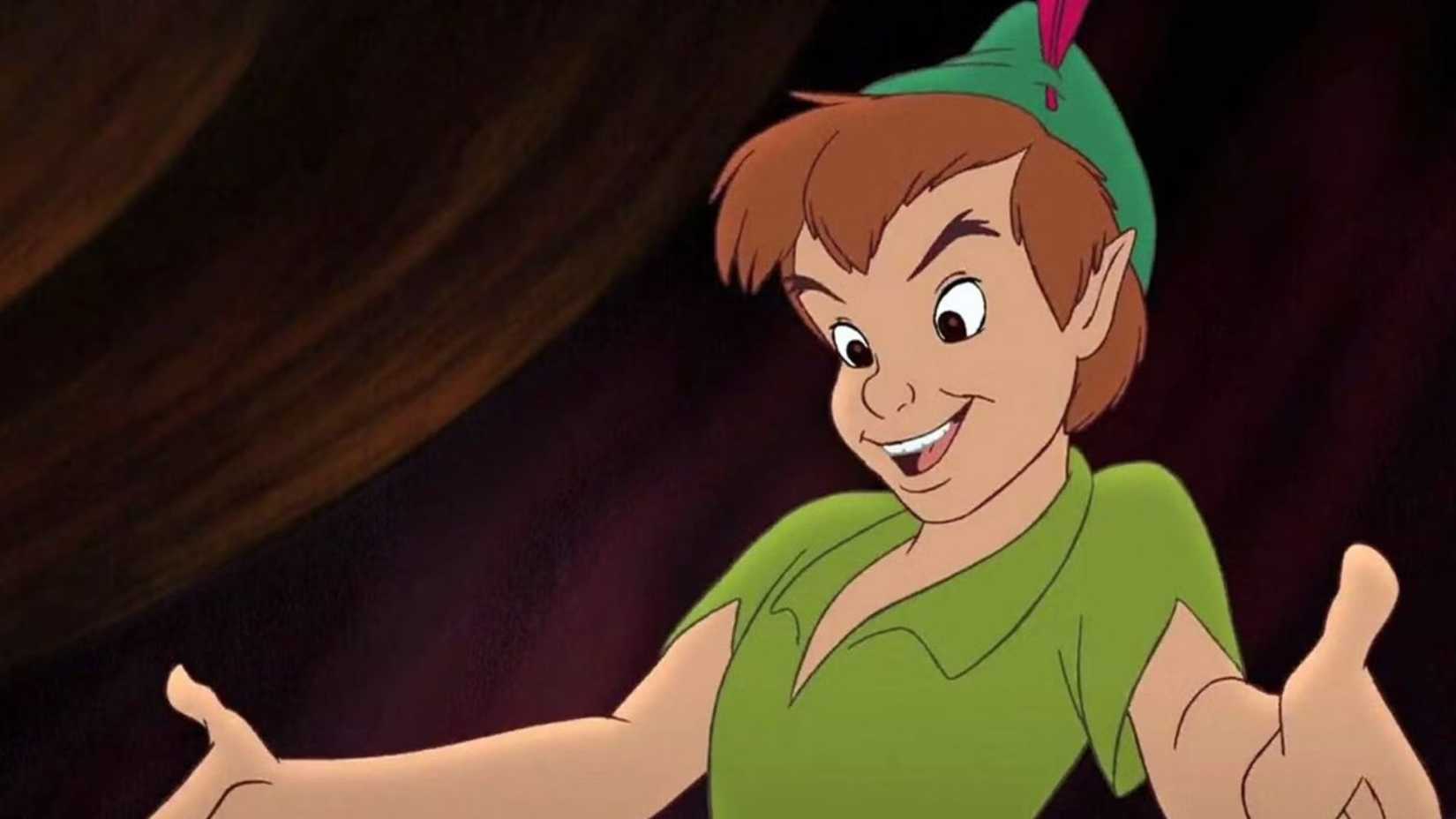
J.M. Barrie’s Peter Pan became world-famous, and Disney’s 1953 animated movie made the story even more popular. The tale follows Wendy Darling and her brothers as they are taken to the magical world of Neverland by Peter Pan, a boy who stays young forever. With its fantastical and creative story, Peter Pan was a perfect fit for Disney’s style of animation.
Even though Miyazaki isn’t always a fan of Disney, his admiration for Peter Pan is clear. Like his film Spirited Away, Peter Pan excels at showing a magical world through a child’s eyes. This allows for unique and creative storytelling. Both Barrie and Miyazaki recognized that imagination is the most important element.
My Darling Clementine (1946)
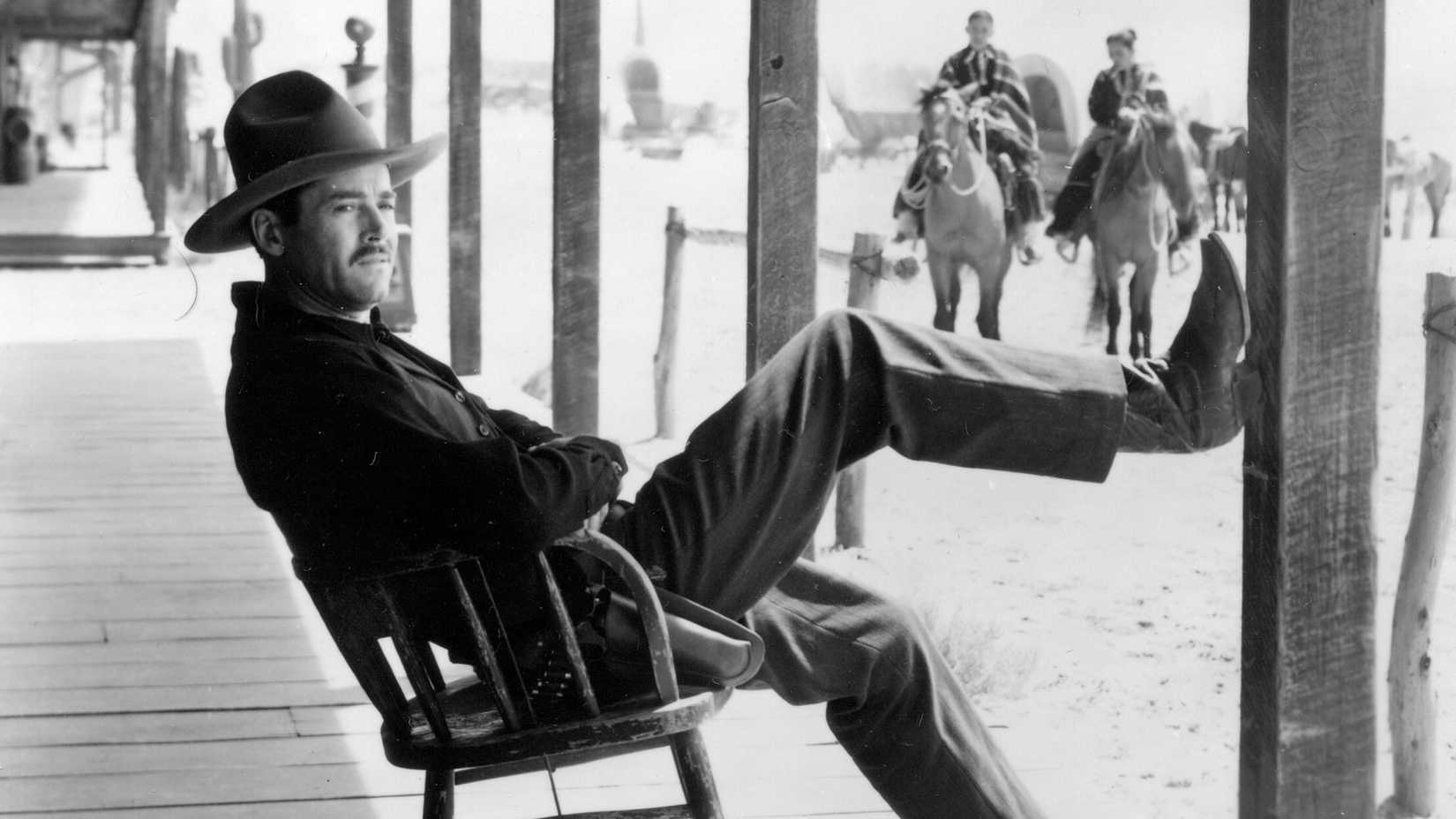
Hayao Miyazaki often cites John Ford as an influence, and he especially loves the film My Darling Clementine. The movie is a retelling of the true story of Wyatt Earp and his brothers when they came to Tombstone and became involved in the famous shootout at the O.K. Corral. While it embodies many classic western themes, it also stands out as a distinctive film within the genre.
While driven by Wyatt Earp’s quest for revenge, My Darling Clementine is a thoughtful and deliberately slow movie. It focuses on the everyday details of life in the Old West – a quality that likely resonated with Miyazaki. Through the realistic portrayal of Earp and his companions, Ford creates a believable and vibrant world. This blend of the ordinary and the fantastical is also a key element in Miyazaki’s own work.
Modern Times (1936)
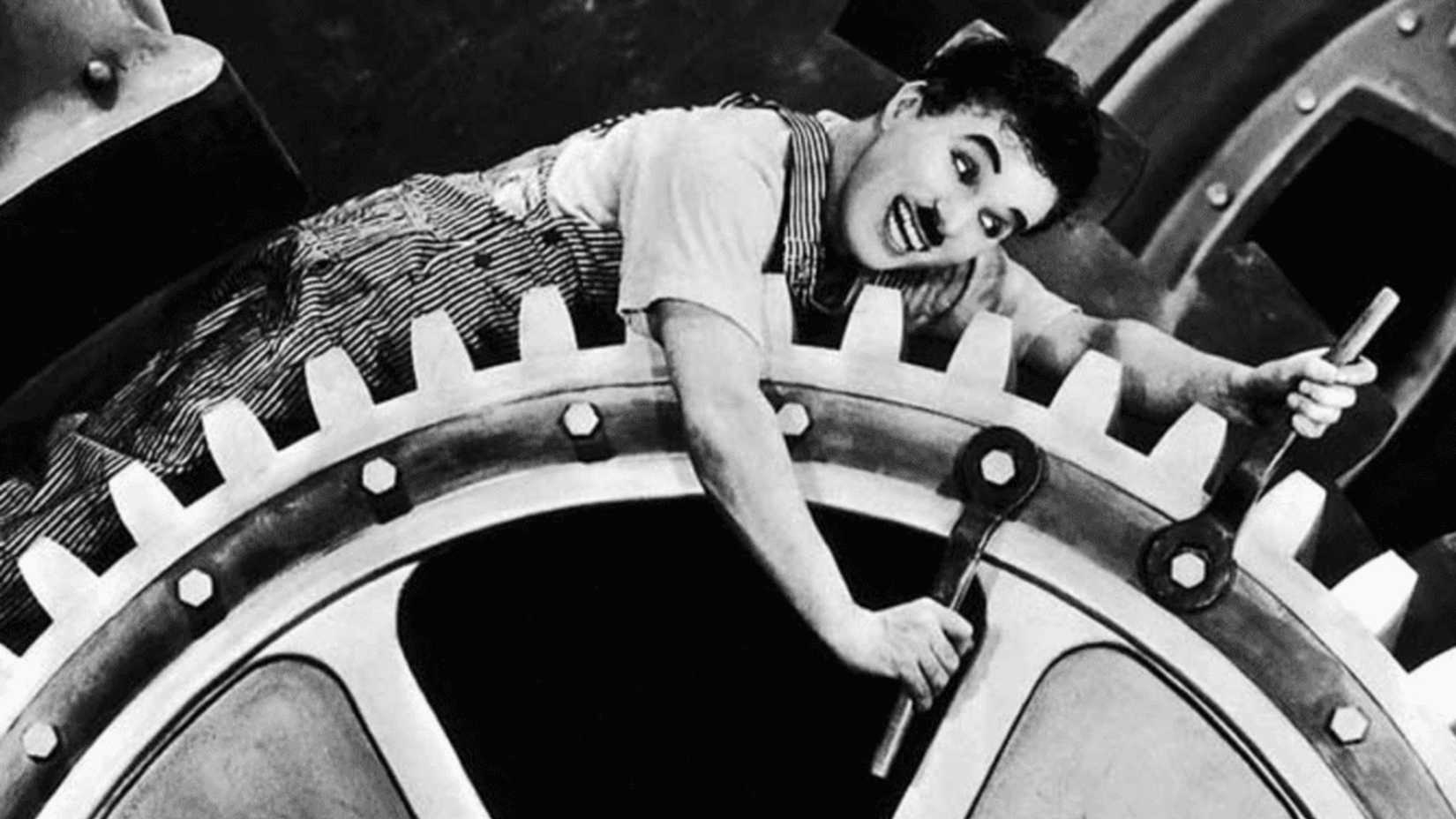
Charlie Chaplin’s Modern Times is widely considered a cinematic masterpiece. Chaplin plays a clumsy factory worker whose job gets increasingly complicated by new technologies, leading to a series of mishaps. Beyond the funny physical comedy, the film offers a sharp commentary on how work can strip people of their humanity.
Chaplin had a huge impact on filmmaking, and Miyazaki was also inspired by him. Chaplin’s Modern Times is funny without sacrificing its important message. Miyazaki’s films do something similar, hiding their deeper themes within beautiful and imaginative worlds, both realistic and fantastical.
Bicycle Thieves (1948)
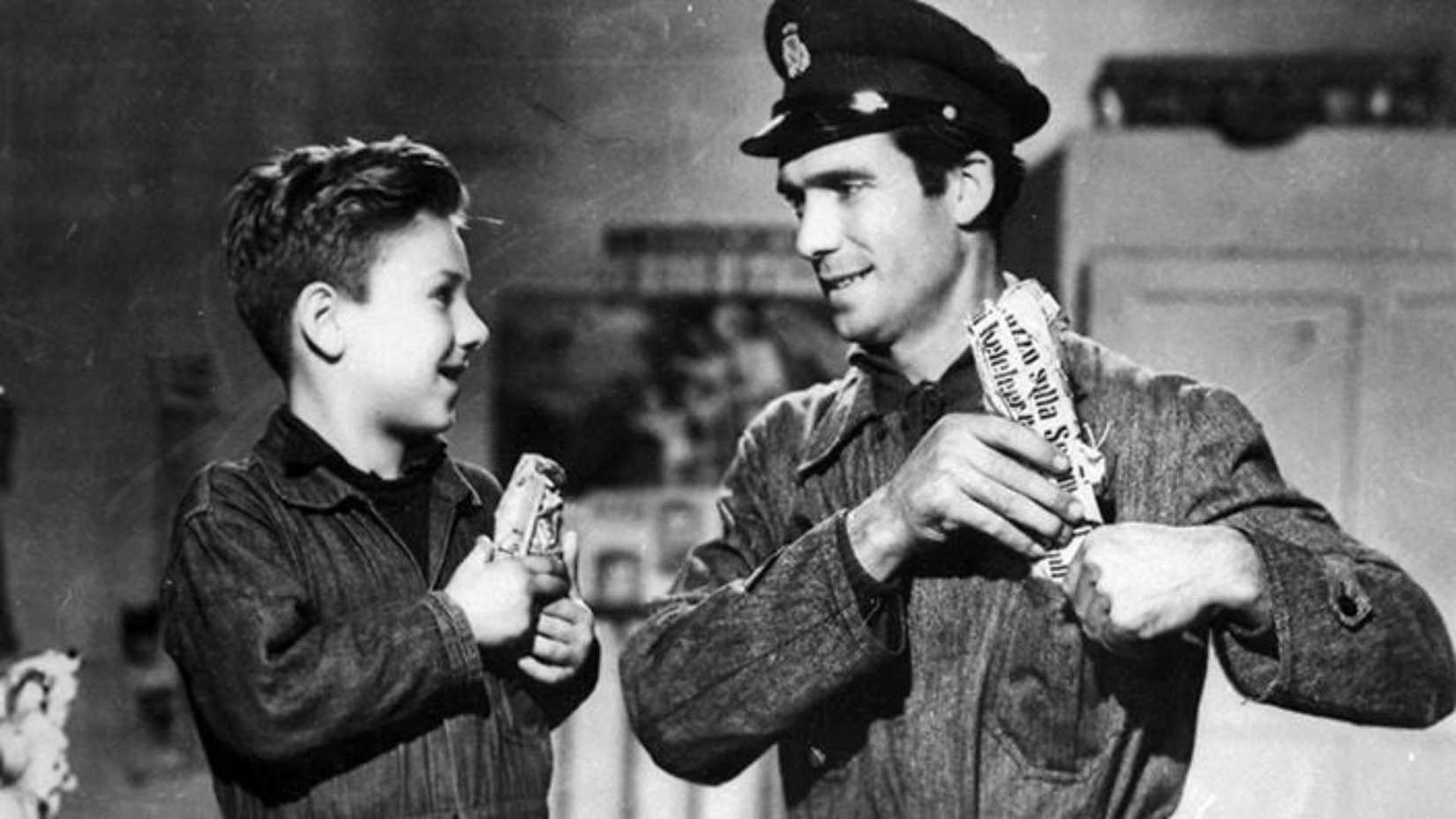
Italy after the war was a difficult place, and the 1948 film Bicycle Thieves honestly portrays that hardship. The story follows a struggling father who relies on his bicycle for work, but when it’s stolen, he and his son desperately try to find it. Vittorio De Sica’s moving film is a perfect example of a realistic, everyday story.
Similar to his inspiration from How Green Was My Valley, it’s easy to see how Hayao Miyazaki was affected by Bicycle Thieves. The film’s honest depiction of life isn’t just powerful filmmaking, it’s at the heart of all good stories. While Miyazaki’s own movies aren’t usually as depressing, they are equally shaped by the ups and downs of real life.
Jaws (1975)
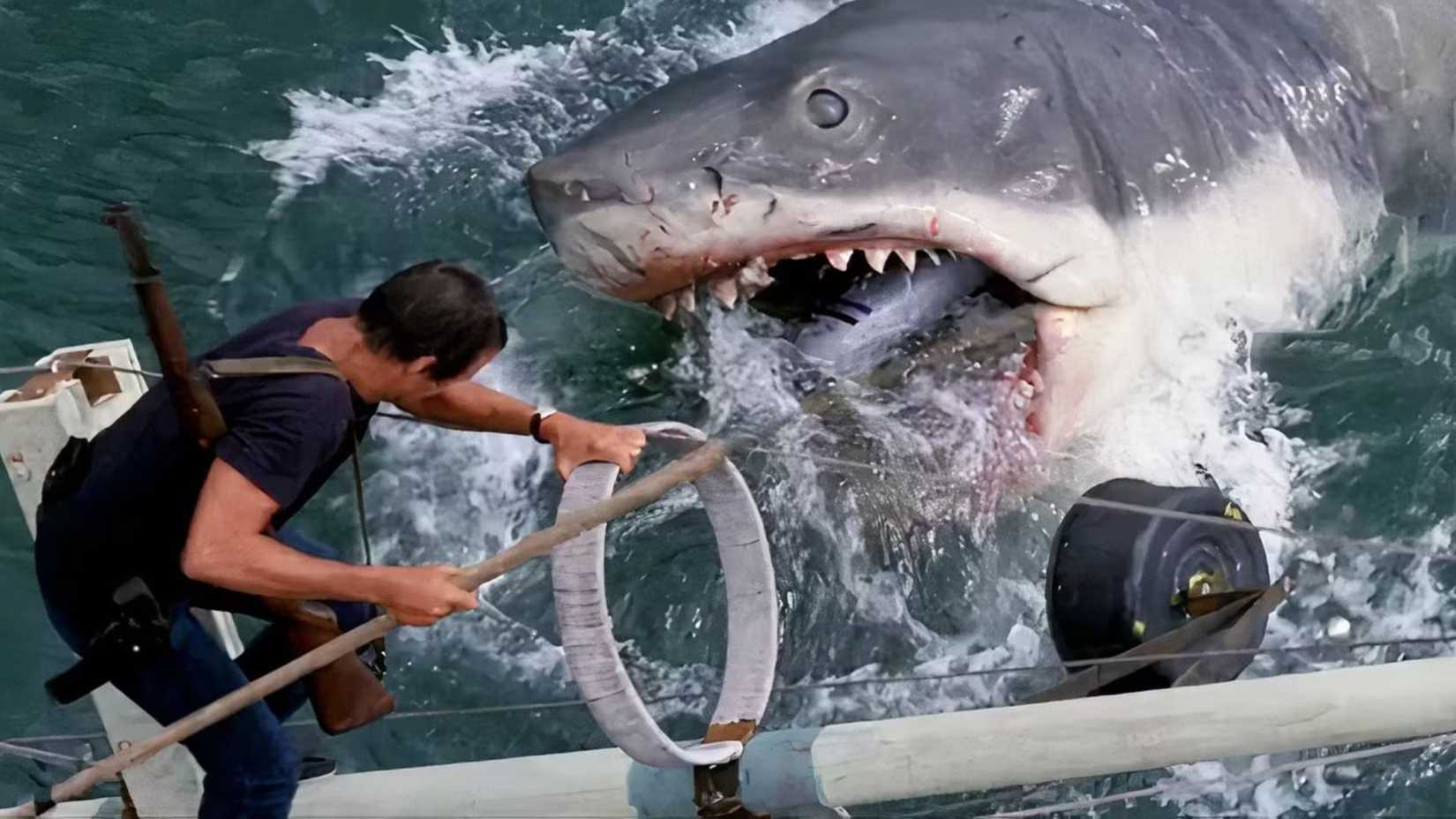
Miyazaki has cited many influences on his films, and while he acknowledges Jaws, it’s unique because it doesn’t directly show up in his work. Jaws, directed by Steven Spielberg, is about a sheriff in a coastal town whose quiet life is disrupted by a dangerous great white shark. The film is a classic example of Hollywood storytelling, elevating the animal attack genre with Spielberg’s masterful direction.
It might not be immediately apparent, but Miyazaki is a clear admirer of the film Jaws. While their movies don’t feel the same, Miyazaki and Spielberg share a similar storytelling style. Both directors subtly weave a touch of playful magic into their films, even when dealing with serious subjects.
Ashes And Diamonds (1958)
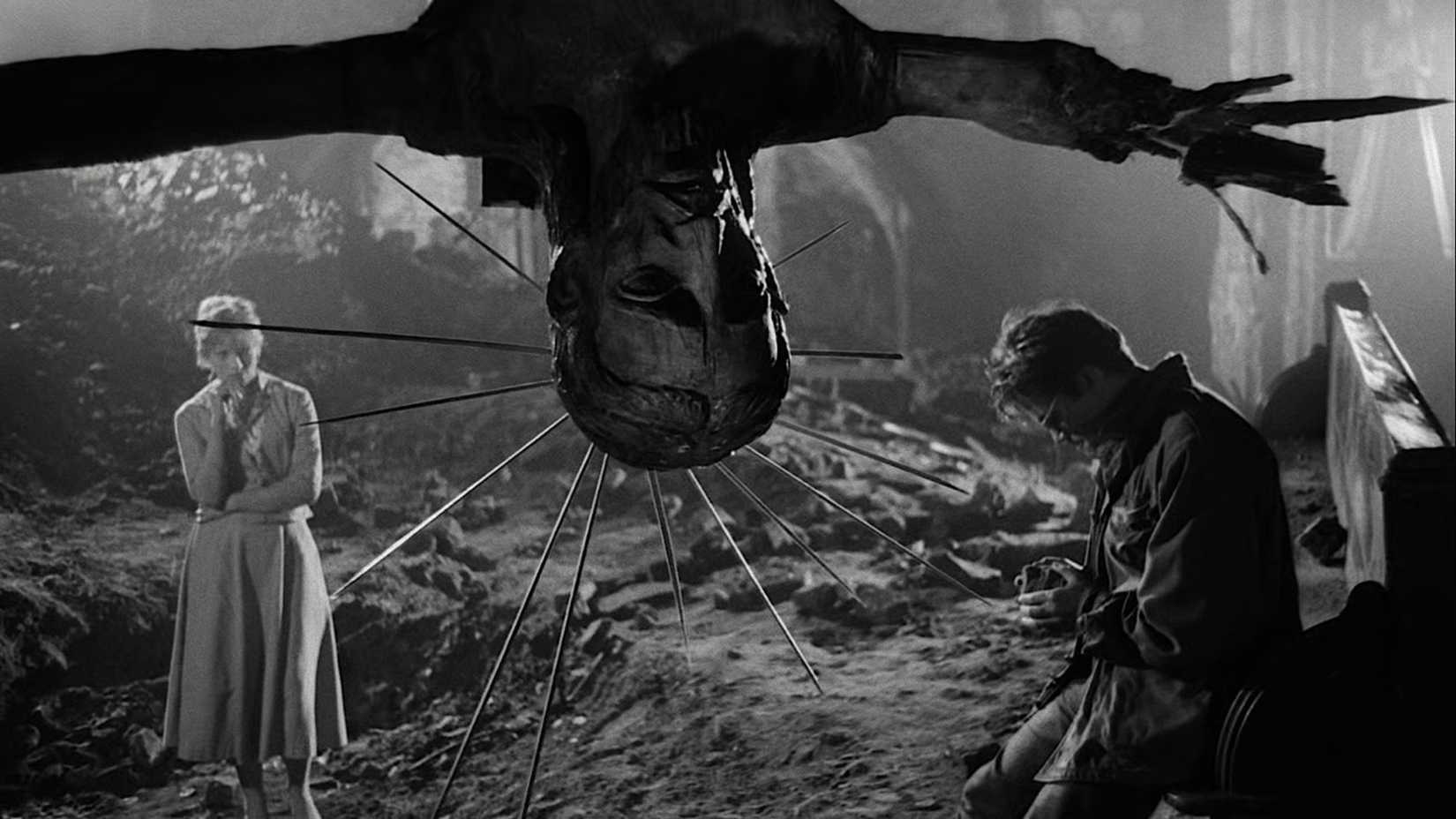
War films often either celebrate or critique conflict, and Andrzej Wajda’s Ashes and Diamonds definitely falls into the latter category. Set just after World War II, the movie follows a Polish assassin assigned to kill a former ally—now a Russian soldier. Rather than a simple action thriller, it’s a deeply psychological story exploring the devastating impact of war.
While Hayao Miyazaki is a brilliant filmmaker, Andrzej Wajda’s Ashes and Diamonds is a more profound work. You can still see Miyazaki’s admiration for it in his own films. What makes Ashes and Diamonds special is its powerful use of symbolism, which clearly resonated with Miyazaki as an animator. He’s taken inspiration from Wajda’s techniques and adapted them to suit his own unique style.
Seven Samurai (1954)
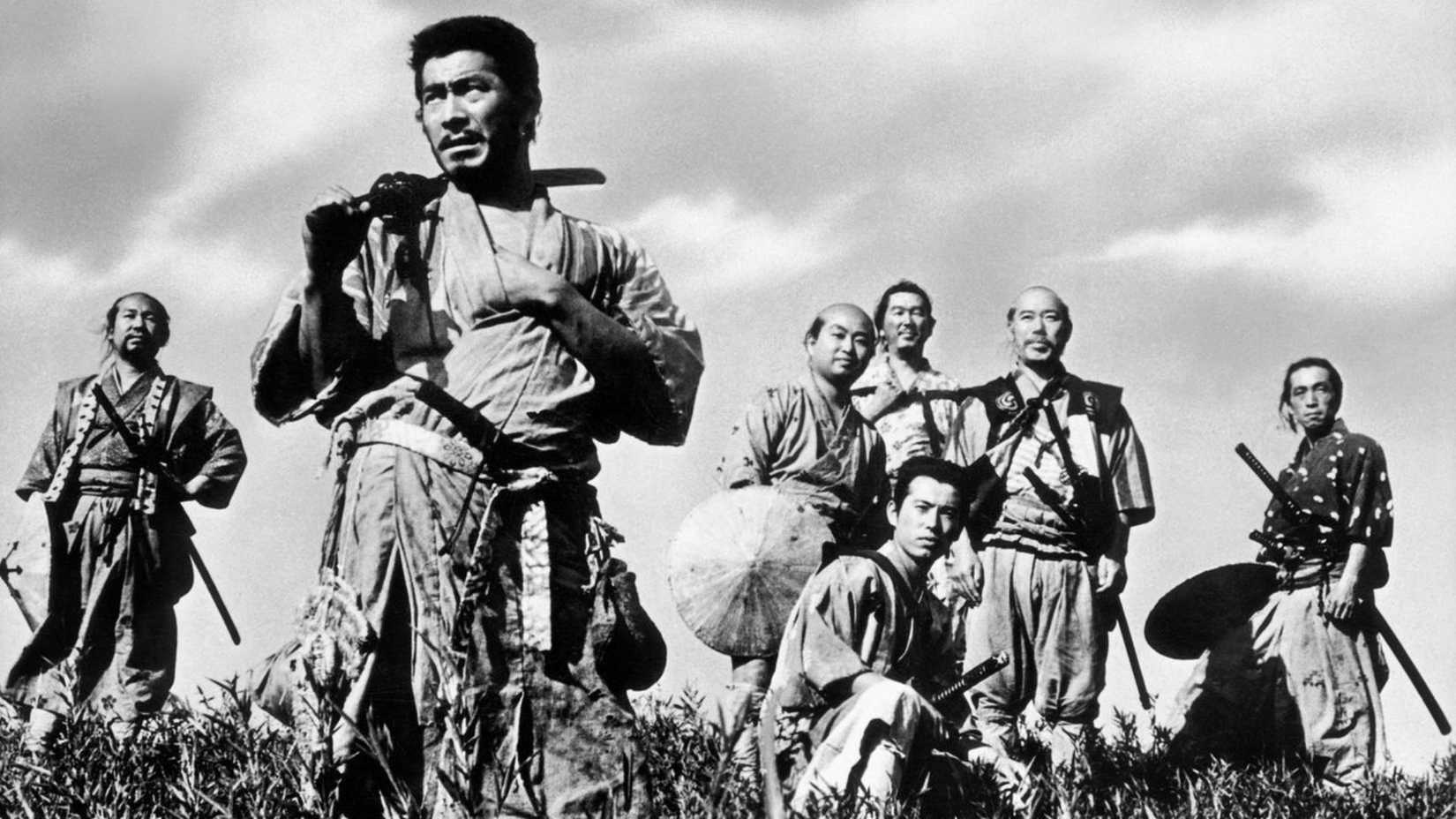
Many consider Akira Kurosawa’s Seven Samurai to be Japan’s most important film and the best example of the samurai movie genre. The story follows a village that hires seven samurai warriors to defend them from bandits and train the villagers to protect themselves. At over three hours long, it’s a truly grand and sweeping film.
It’s well known that Miyazaki admires Kurosawa, and Kurosawa’s Seven Samurai quietly shaped his own films. While epic in scope, Seven Samurai succeeds through its attention to detail. The characters are well-developed and feel like real people, even beyond what the story requires. Hayao Miyazaki’s films do something similar, featuring compelling characters placed within large, dramatic settings.
2026-03-07 20:53