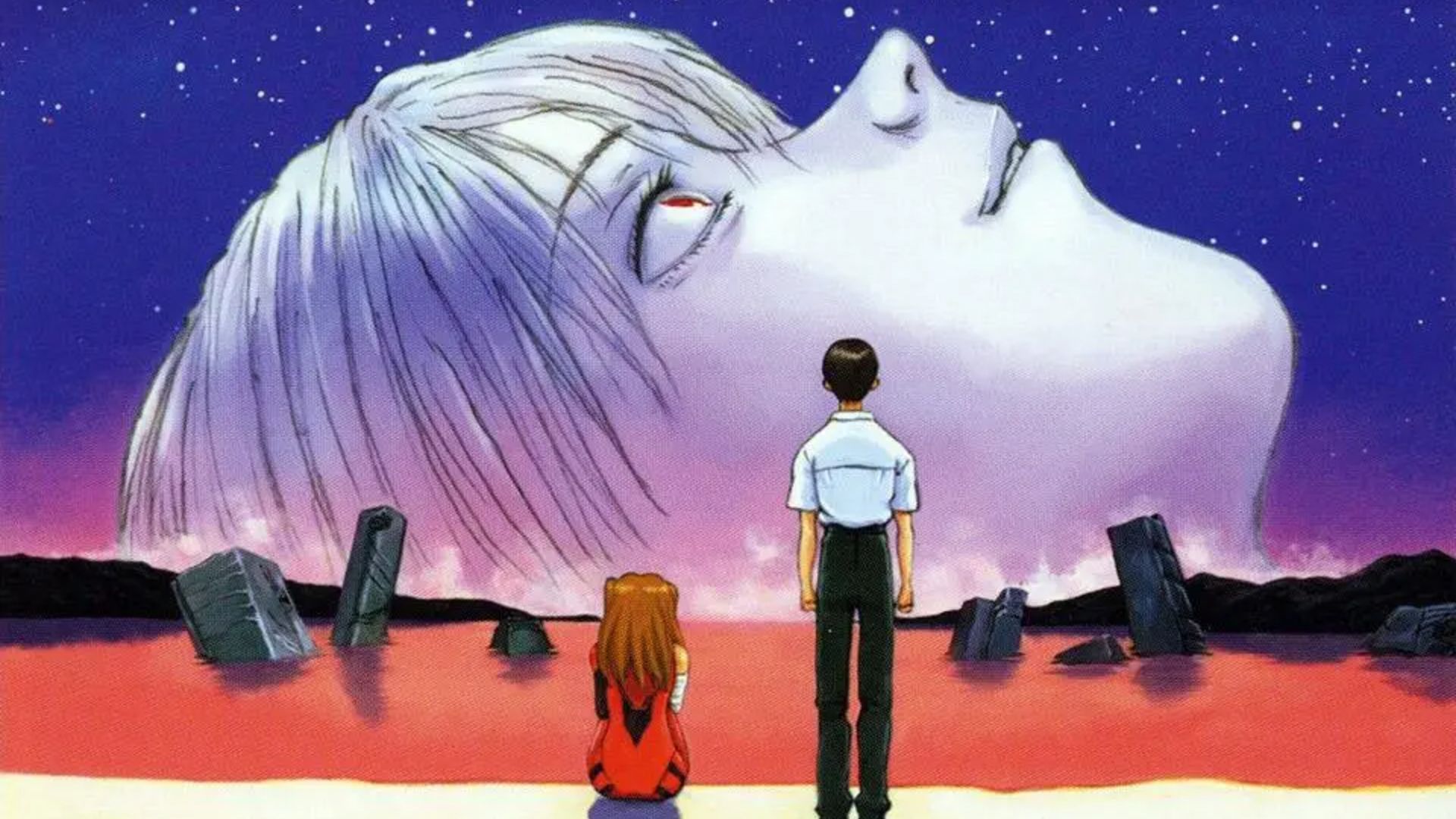
When talking about the greatest anime ever made, Evangelion always comes up. This complex series from the 1990s starts as a classic example of the mecha genre, full of intense battles between giant robots and alien threats. Initially, the story is fairly straightforward: a shy and isolated teenager named Shinji Ikari is forced to pilot a powerful robot called an Evangelion to stop a world-ending event known as Third Impact.
At first, Neon Genesis Evangelion seems like a typical mecha anime, using many familiar ideas. But it quickly takes a much darker and more depressing turn, becoming a psychologically intense horror-drama that divides viewers. As the story progresses, the fun action sequences fade away, replaced by the director Hideaki Anno’s own struggles and exhaustion, which he poured into the story of the world’s end. This is why the anime’s ending is so controversial, even though Neon Genesis Evangelion is a highly regarded series.
Neon Genesis Evangelion’s Original Ending Caused as Much Controversy as Confusion
Neon Genesis Evangelion has a grand finale, but it handles the end of the world in a surprisingly personal way. The ending focuses on Shinji grappling with the concept of Human Instrumentality and deciding whether to allow a catastrophic event, called the Third Impact, to happen. This makes sense given the show’s overall story, as the entire series leads to this moment. However, the creator, Anno, portrays these huge events through Shinji’s internal struggles, with most of the final episodes taking place within his own mind.
Wow, the ending of Evangelion really dives deep into Shinji’s head, doesn’t it? It’s like we’re suddenly inside his thoughts, facing all the things that have been bothering him throughout the whole series. Honestly, it’s a really intense experience – almost overwhelming! It’s so raw and honest to what Evangelion is all about, but I can totally see why it left so many people feeling confused. It doesn’t hold back, and it really makes you feel what Shinji is going through, even if it’s a lot to process.
At first glance, the scene of Shinji being congratulated by his friends and family feels absurd and doesn’t quite fit. But looking closer, it’s a touching representation of Shinji finally finding the acceptance, validation, and happiness he’s longed for. This ending was a bold artistic choice for its time. While it’s now celebrated as visionary storytelling, many fans felt disappointed when it originally aired in the ‘90s, believing the series didn’t receive a satisfying conclusion.
The dissatisfaction with the initial anime finale is what led to the creation of Neon Genesis Evangelion: The End of Evangelion. Now considered a landmark achievement and a classic, this theatrical conclusion arose from disappointment and frustration. Staying true to the spirit of Evangelion, Anno’s revised ending proved to be even more challenging and provocative than the first.
The End of Evangelion Creates an Even More Depressing & Existential Ending
Rather than retell the last two episodes of the anime, The End of Evangelion shows what actually happens leading up to the catastrophic event known as Third Impact. While it offers a more complete sense of resolution through Third Impact’s activation, the film isn’t a simple or easy-to-follow story.
For decades, fans have debated the meaning of the final scenes between Shinji and Asuka. Surprisingly, the ending of The End of Evangelion is even more bleak and disturbing than the anime’s last episodes. While Shinji ultimately chooses to embrace his individuality and accept a painful life, beloved characters still meet tragic ends. He realizes that pain is an unavoidable part of existence, something to be faced rather than avoided. It’s a difficult conclusion, but it’s one that solidified the anime’s place as a work of art.
The ending of The End of Evangelion isn’t a happy or easy resolution. Instead, it’s deeply unsettling and psychologically challenging, which disappointed many fans who were hoping for a more satisfying conclusion. The new ending deliberately creates discomfort and almost seems to dismiss the audience’s desire for a neat and improved finale.
The original ending of Neon Genesis Evangelion caused a lot of debate, but The End of Evangelion is even more forceful and challenging, even seeming to criticize its own fanbase at times. The film includes a strange and unsettling scene featuring real-life audience reactions, meant to reflect on the Evangelion community itself. While fans who enjoyed the series’ complex and emotional themes likely appreciated The End of Evangelion after understanding it, many others felt alienated. Ultimately, the movie deepened the divide within the Evangelion audience instead of broadening its appeal.
The Rebuild of Evangelion Films Drastically Change Shinji Ikari’s Adventure
Even though opinions on The End of Evangelion were divided, most people considered it the final installment of the series. Surprisingly, Hideaki Anno began the Rebuild of Evangelion project ten years later, in 2007. This project was promoted as a four-movie retelling of the original anime, and the first film, Evangelion: 1.0 You Are (Not) Alone, largely stayed true to the original story. However, the later Rebuild films became more and more different, eventually departing significantly from the source material with the third and fourth installments.
The Rebuild of Evangelion films offer a fresh perspective on the original Evangelion story, reflecting creator Hideaki Anno’s personal growth and positive life changes since the initial anime aired – including his marriage. While still maintaining the series’ signature dark atmosphere, the Rebuild films, especially the ending, are noticeably more hopeful and encouraging. This kind of optimistic conclusion would have been unthinkable when the original anime was first released.
The more hopeful ending in Rebuild of Evangelion suggests that Anno recognized how emotionally heavy the original ending was. While this new, positive conclusion doesn’t replace the original, it offers a brighter alternative that complements it. This optimistic tone might also hint at the direction of future Evangelion projects, as the series moves towards an exciting and uncertain future.
Found an error? Send it so it can be corrected.
2026-03-04 04:40