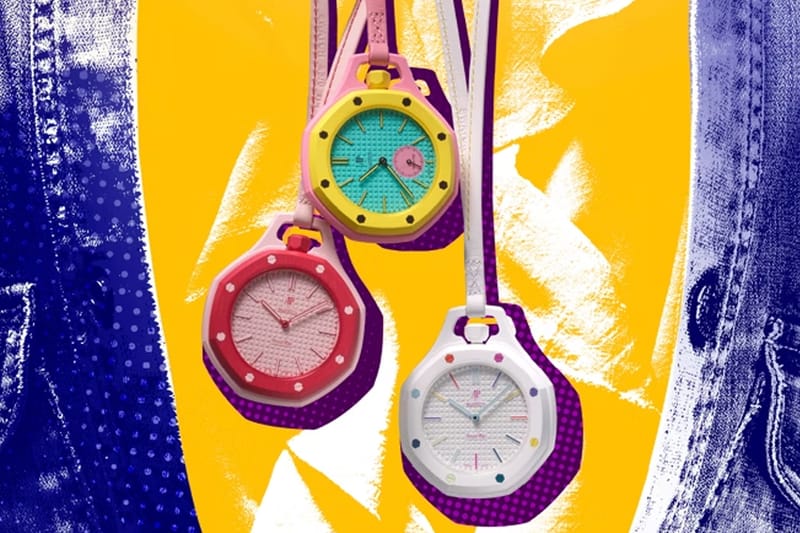
For the past twenty years, Audemars Piguet has skillfully connected high-end watchmaking with popular culture, collaborating with major figures in music, sports, and art like JAY-Z, LeBron James, Travis Scott, and KAWS. They showed that luxury and cultural relevance could go hand-in-hand. But the recent launch of the more affordable Swatch “Royal Pop” watch has changed things significantly. Now, just a week after its release, we’re exploring whether making the famous Royal Oak design accessible to more people will strengthen the brand or damage the exclusive appeal that made it so desirable.
The Vanguard of Cultural Crossovers


To grasp why the Royal Pop collection caused such a stir, it’s important to understand how Audemars Piguet traditionally built its brand image. They were among the first luxury watchmakers to realize that modern luxury isn’t just about a brand’s history, but also about staying current. Years before it was common to see rappers endorsing luxury goods, AP collaborated with JAY-Z in 2006, releasing a limited-edition watch with a pre-loaded iPod featuring all his albums. In 2013, to mark the 20th anniversary of the Royal Oak Offshore, they partnered with basketball superstar LeBron James, launching a 600-piece collaboration at a private event in Miami.
As a fan, it’s been amazing to watch this brand really lean into pop culture! It started with a cool connection to Don Cheadle, and they dropped some unbelievably limited-edition Black Panther and Spider-Man watches. I mean, the Black Panther one sold for $6.2 million at auction – can you believe it? Then, in 2023, Matthew Williams gave the Royal Oak a seriously cool, edgy makeover with all gold. And shortly after that, Travis Scott blew everyone away with the ‘Chocolate AP,’ swapping out the moon phase for his iconic Cactus Jack smiley face. Honestly, each of these collaborations just feels like the perfect mix of incredible craftsmanship, serious hype, and, let’s be real, a lot of money.
High Art as High Horology: The KAWS Phenomenon
A prime example of Audemars Piguet successfully blending art and exclusivity arrived in late 2024 with the KAWS Royal Oak Concept Tourbillon “Companion.” While street art is often seen as rebellious, AP demonstrated that incorporating high art into watchmaking can actually enhance luxury. Limited to just 250 pieces and priced around $225,000, the watch features a 43mm titanium case and seamlessly integrates KAWS’ famous character with the visible inner workings of the movement.
The partnership was a success because it understood what defines luxury. It combined a famous celebrity with the precision and quality of Swiss watchmaking, using only the finest materials and setting a price that appealed to very wealthy customers. This wasn’t simply a watch; it was a collectible piece of modern art, demonstrating Audemars Piguet’s ability to embrace current trends while maintaining its reputation for high-end quality.
The Strategy Shift: Prestige vs. Pop
Let’s consider the Swatch “Royal Pop” pocket watch as a clear contrast. For many years, Audemars Piguet (AP) followed a consistent strategy: they focused on very important people, used expensive materials or advanced technology, and kept prices high to ensure exclusivity. This created a sense of wanting what you couldn’t have, which was a big part of its appeal. When musicians rapped about their AP watches, it was partly because most fans couldn’t afford them.
The Royal watch is a departure from Swatch’s traditional approach. Instead of focusing on luxury, it’s aimed at Gen Z trendsetters and those who quickly resell popular items. Made from a unique material combining ceramic and plant-based plastic, and priced around $400, the watch is much more affordable. This lower price has brought more customers to stores and created a huge buzz on Instagram, making it a viral sensation.
The Pocket Watch Problem
It’s ironic: pocket watches used to be the height of luxury, instantly signaling wealth and status in the 1800s. A gold chain and pocket watch were essential for any well-to-do gentleman. That’s why it’s so surprising to hear both critics and fans describe the Royal Pop as feeling anything but luxurious.
The key to understanding this shift might be how it was done. Audemars Piguet and Swatch took the Royal Oak’s famous eight-sided case, made it from inexpensive plastic, and turned it into a necklace – similar to those given out at concerts. This completely removed the sense of history and prestige traditionally associated with fine pocket watches.
The launch of the Royal Pop watches unfortunately created a very different image than Swatch usually aims for with its luxury products. Instead of an elegant event, the release was marked by crowds, arguments, and even police involvement outside stores globally. The watches quickly appeared on resale markets, being bought and sold as quick profits rather than cherished keepsakes.
The Verdict: Democratization or Dilution?
Luxury is fundamentally about creating a sense of exclusivity. It works by making something difficult to obtain, signaling that someone has achieved significant financial success.
Audemars Piguet’s collaboration with Swatch could be a risky move for the brand. While the Royal Pop watch has been a huge commercial and social media success, it risks damaging the exclusive image that previous collaborations, like those with KAWS and Travis Scott, carefully built. It’s exchanging the quiet prestige of luxury watchmaking for the unpredictable and often chaotic world of hype and trends.
Instead of making Audemars Piguet more accessible, the Royal Pop collection actually harms the brand’s established reputation. While it might attract a younger audience to their classic designs, it also diminishes the sense of true luxury that originally made those designs so desirable.
2026-05-20 16:56