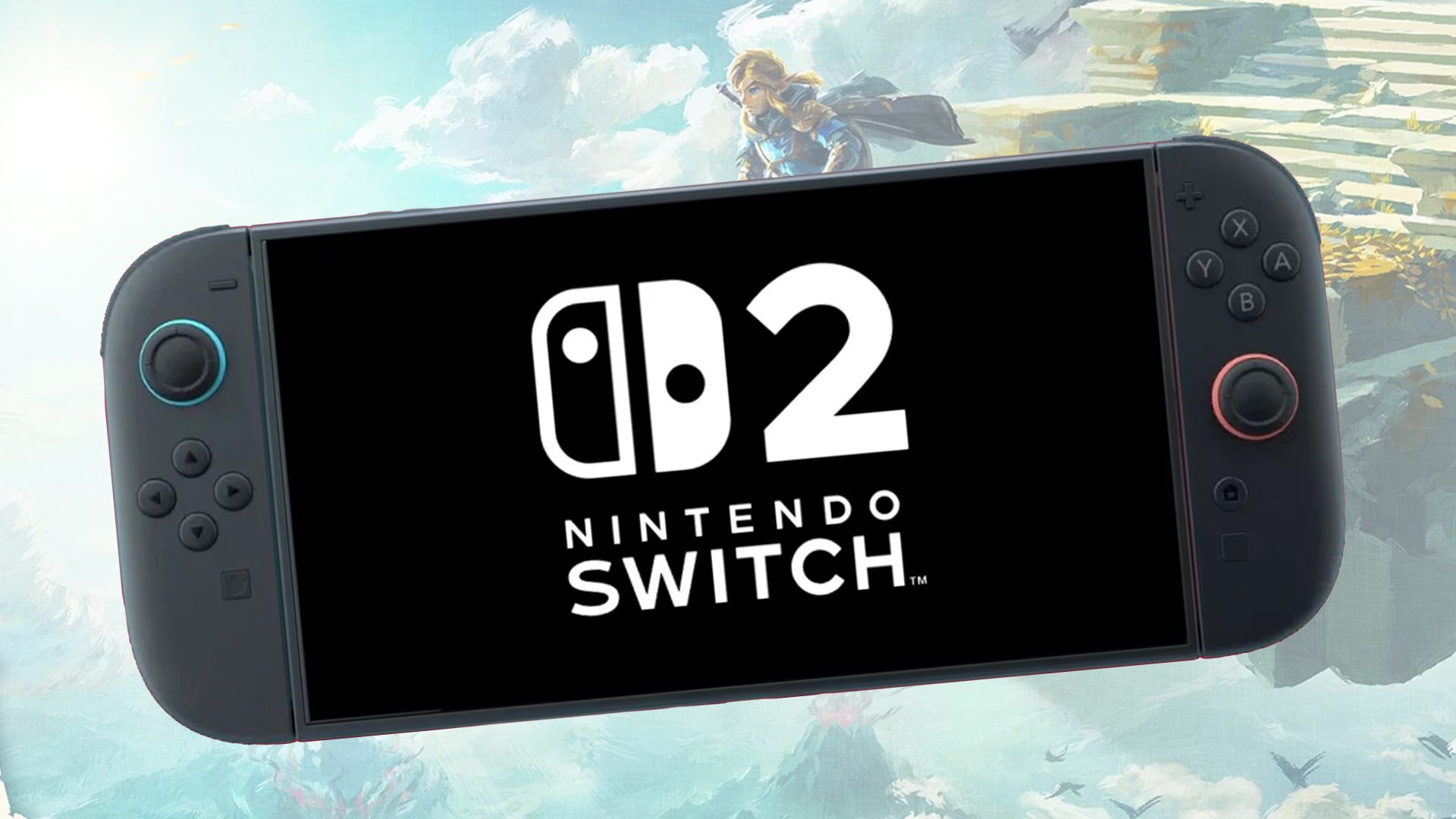
As a gamer, I’ve always admired Nintendo. They’ve been winning in this industry for forty years, and honestly, they do it by pretty much ignoring what everyone else is doing. The Switch launched without all the fancy tech like ray tracing, and they didn’t get caught up in subscription services either. They just gave us solid Joy-Cons, a great Mario Kart package, and a whole lot of confidence – it’s like they don’t even need to ask for approval to be awesome.
Industry experts often predict Nintendo needs to adapt like its competitors and overhaul its approach. Yet, time and again, Nintendo releases a product that proves them wrong. The Switch 2 isn’t a simple adjustment to current trends; it’s the latest step in a long history of innovation that began with the NES and is guided by Nintendo’s own unique vision.
Nintendo’s Switch 2 Design Philosophy Is the Strategy Sony and Microsoft Still Haven’t Cracked
Sony and Microsoft focus on creating powerful consoles with impressive technical features, aiming for a high-performance experience centered around TVs. Nintendo, however, approached the problem differently, asking where people prefer to play games. The Switch 2 is the result of that focus, built and improved over the last ten years.
What initially seemed like a risky move for Nintendo in 2017 has proven to be a great success. Players really appreciate the freedom to enjoy their Nintendo console anywhere – whether they’re traveling, relaxing at home, or even waiting in a parking lot.
The improvements to the Switch 2 – like its better screen, updated dock, and Joy-Cons that can act as a mouse – aren’t just minor upgrades. They show Nintendo is confidently sticking to its own vision, and isn’t paying attention to what its competitors, like Nvidia, are planning.
Nintendo’s First-Party Library Is the Competitive Moat That Sony and Microsoft Simply Cannot Cross
Released with the original Nintendo Switch in 2017, The Legend of Zelda: Breath of the Wild continues to be a popular title. Mario Kart 8 Deluxe has even surpassed all game sales on the PlayStation 5. These aren’t simply successful games; they’ve become part of the cultural landscape, often owned by families even if no one specifically considers themselves a gamer.
Microsoft has Halo, and Sony has God of War, both fantastic game series. However, neither reaches the cultural impact of Nintendo’s franchises like Mario, The Legend of Zelda, Pokémon, Animal Crossing, Metroid, and Splatoon. Each of these Nintendo series creates its own unique world with a dedicated fanbase that spans all ages and gaming preferences. The most popular games on the Switch 2 aren’t just selling the console—they are the reason people want the console.
Nintendo’s Family-First Strategy Remains the Most Underestimated Competitive Advantage in the Console Wars
Game companies constantly promise to appeal to a wider range of players, but Nintendo consistently delivers on that promise. They focus on making gaming accessible not just through marketing, but by designing products that fit seamlessly into everyday life – whether at home, on the go, or for people who’ve never even considered online gaming.
Getting a PlayStation 5 up and running can be complicated – you need a big TV, an online account, software updates, and you have to get used to the menus changing frequently. The new Nintendo Switch, however, is incredibly easy to use. Anyone, from a child to a senior citizen, can pick it up and start playing immediately. In the world of electronics, ease of use is crucial for success, and Nintendo has always excelled at making products that are simple and accessible – ever since the original Wii made gaming easy for everyone.
The Joy-Con Mouse Mechanic on Switch 2 Shows How Nintendo Designs Hardware That Competitors Won’t Dare Copy
This device isn’t a huge technological leap, but it’s surprisingly clever. It’s a controller that also works like a mouse on any surface – you don’t even need a special pad. Nintendo designed it by asking ‘what would be enjoyable?’ instead of focusing on technical specs or marketing claims. That simple change in approach completely reshaped the design process.
The PlayStation DualSense controller is impressive, using vibrations and adjustable resistance to create realistic sensations – like feeling the difference between rain and gravel. However, it only works with PlayStation and needs to be connected to a TV or monitor. Nintendo, on the other hand, has a history of creating surprisingly successful and innovative hardware. Ideas like the touch screen on the DS, the Wii remote, and the original Switch seemed strange at first, but they’ve become popular with both dedicated gamers and casual players.
Nintendo’s Restrained Subscription Model Proves That the Smartest Business Move Is Sometimes Doing Less
Nintendo Switch Online is a relatively inexpensive service that quietly offers online play and a few extra features. It hasn’t attempted to be central to the Nintendo experience, unlike Microsoft’s Xbox Game Pass, which is heavily invested in offering a huge library of games, and Sony’s PlayStation Plus, which has undergone major changes and overhauls in recent years.
Nintendo’s biggest games aren’t part of a subscription service; you buy them directly and can play them for years to come. For example, The Legend of Zelda: Tears of the Kingdom cost $70 and sold over 10 million copies in just its first three days – a new sales record, not just a measure of how many people are playing it right now.
Nintendo doesn’t rely on ongoing monthly payments because they’ve successfully made the initial game purchase appealing enough on its own. They don’t need things like seasonal battle passes or loot boxes – people are still enjoying and discussing the game long after its release.
Nintendo’s 40-Year Track Record Proves That Defying Industry Rules Is the Only Consistent Strategy Worth Copying
Following a period of struggle, many analysts prematurely predicted Nintendo’s downfall. They underestimated the company’s potential for a comeback, misjudged the success of the original Switch, and were incorrect in suggesting Nintendo should abandon hardware and focus solely on software. Instead of changing direction when faced with challenges, Nintendo consistently reinvents itself and tries again.
The list of companies that tried to defeat Nintendo by offering more powerful hardware is a who’s who of failed products: Sega, Atari, 3DO, Ouya, and Google Stadia. They didn’t all lose directly to Nintendo, but they missed the point: sheer processing power isn’t what matters. Nintendo has consistently won console battles by focusing on what makes a game fun and replayable, rather than just impressive technical specs.
Okay, so the Switch 2 isn’t about raw power, and honestly, that makes sense. Nintendo isn’t trying to compete with PlayStation or Xbox on specs – they could, but they know that’s not what really matters. What they’re focused on is making sure they have a ton of amazing, exclusive games – enough to make you want a Switch just for those titles, and then play them again and again. That’s the real goal, and it’s a smart one.
For decades, other companies have been trying to figure out the secret to Nintendo’s success, but while they’re still analyzing the past, Nintendo is already creating the future.
2026-05-17 18:11