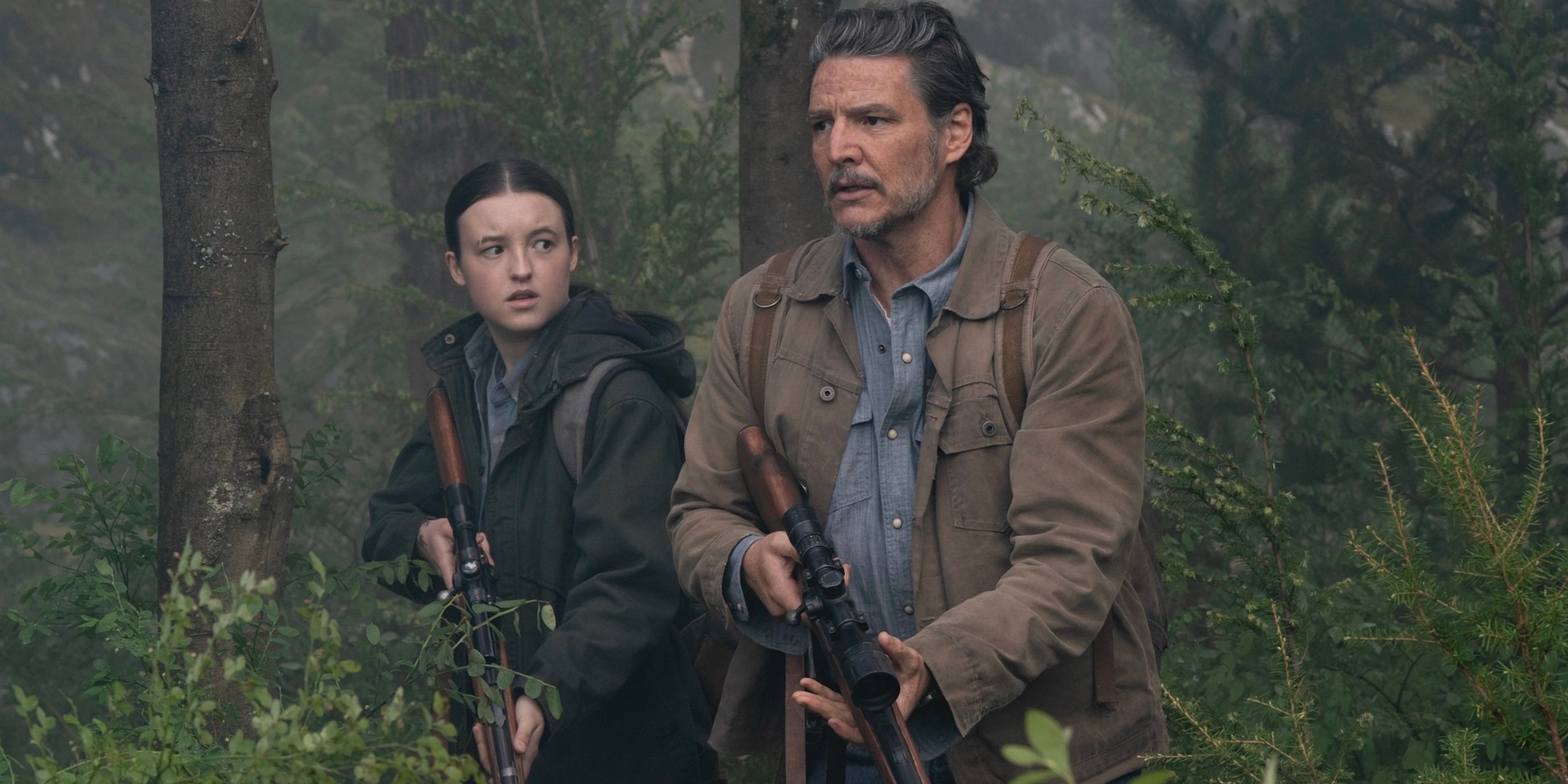
With HBO’s The Last of Us gaining widespread popularity as a top post-apocalyptic series, another show continues to be enjoyed by a loyal fanbase who frequently suggest it to others. Because both shows share similar themes and are available on the same streaming service, people often compare them.
Fans don’t need to choose between The Last of Us and Station Eleven as their favorite HBO post-apocalyptic show. Station Eleven is a great, self-contained series to watch in between seasons of The Last of Us.
The Last of Us and Station Eleven Employ a Popular Apocalyptic Trope
Many TV shows and movies, especially those set after a disaster, frequently feature a familiar storyline: a reluctant adult, often a man, unexpectedly becomes the guardian of a young child, usually a girl, who needs guidance. This dynamic is sometimes called the “Badass and the Child” trope, and it perfectly describes the relationship between the two main characters in The Last of Us.
Joel is a hardened survivor who reluctantly agrees to protect Ellie. Ellie, having spent her life in a quarantined area, is inexperienced and unaware of the dangers of the world outside.
As Joel and Ellie journey across the country, their initial distance fades, allowing Joel to open up and Ellie to grow stronger. Joel’s enduring sadness over the loss of his daughter is key to them forming a connection. The Last of Us doesn’t portray Ellie as simply replacing his daughter, but as a reason for Joel to find purpose and hope again.
In Station Eleven, the idea of a caretaker is taken very directly. Unlike stories where the caretaker is a strong, skilled protector and the person they care for is vulnerable, this story focuses on the simple act of guardianship. Through flashbacks, we see Jeevan unexpectedly become Kirsten’s protector after a devastating flu pandemic sweeps across the globe.
While it might seem similar on the surface, the relationship between Jeevan and Kirsten is quite different from Joel and Ellie’s. Jeevan isn’t a strong, traditionally masculine figure; he often depends on Kirsten to keep him centered as he unexpectedly becomes responsible for her and his brother. Before the world changed, he felt unfulfilled and lacked direction. Now, he finds meaning by helping others, even as society collapses around them.
As a huge fan of both The Last of Us and Station Eleven, I’ve noticed something really interesting. The relationships between Joel and Ellie, and Jeevan and Kirsten, develop in pretty much the same way. They both find a reason to keep going – a purpose – through protecting these kids. But where it differs is how they connect. Jeevan and Kirsten build their bond through art and a desire to help people peacefully, which is a really beautiful contrast.
Comic Books Are an Outlet to Escape the Post-Apocalyptic World
Both The Last of Us and Station Eleven feature a recurring prop used by their young protagonists: a made-up graphic novel. This book serves as a welcome escape from the harsh realities of their worlds. Furthermore, the themes within the graphic novel subtly influence how these young survivors cope with their difficult circumstances.
Ellie lives by the motto “Endure and survive,” using it to help her get through tough times, essentially reminding herself to just take things one day at a time.
The saying is strangely hopeful yet incredibly difficult, because it only makes sense if there’s no future to look forward to. ‘Endure and survive’ only carries weight when there’s actually something worth surviving through.
The world of The Last of Us remains a dangerous, post-apocalyptic landscape filled with infected creatures, violent groups, and those who resort to cannibalism. In contrast, the setting feels more like a world after the apocalypse, where the deadly Georgia Flu that decimated the population still lingers, but is much less common.
Everyone, even those who seem lost or evil, has the potential for redemption. As society gradually recovers, the comic book Station Eleven perfectly reflects this hopeful theme. The comic serves as a hidden connection between Kirsten and Tyler, a boy who later becomes the story’s villain, known as the Prophet.
The graphic novel, a story based on the author’s personal experience with loss during a hurricane, affects its readers in contrasting ways. Kirsten, similar to Ellie, finds solace and escape in its art and story. However, Tyler misuses it, twisting the narrative into a justification for forgetting the past and the world that once was.
Station Eleven Offers an Optimistic Post-Apocalyptic Story
Honestly, sometimes watching Station Eleven is a bit disheartening, because it shows how even after a huge disaster, things don’t always get better right away – which feels weird, considering one of the show’s big themes is about finding hope even in the darkest times. It’s been two decades since the initial outbreak, and the world still feels pretty broken. But what I really appreciate about Station Eleven is that, despite everything, it actually offers a more optimistic vision of what the future could hold.
People connect with each other, and generally feel secure enough to live full lives – raising families, growing old, and enjoying trips with friends. While a new face might raise an eyebrow now and then, it’s nothing compared to the constant dangers Joel and Ellie face in The Last of Us.
The key difference between these two shows lies in the nature of the disasters they portray. In Station Eleven, the flu is a swift and final killer. However, The Last of Us features a fungal virus that turns people into dangerous, cannibalistic creatures who continue to spread the infection – and are hard to stop. This distinction makes it difficult to compare the two shows and decide which one is ‘better’.
Though both shows depict the end of the world, they offer very different perspectives on what it means to be human. The Last of Us is often bleak, but its darkness feels meaningful, while Station Eleven chooses to focus on hope and finding good even in the worst of times.
While The Last of Us examines how love can both harm and strengthen our sense of right and wrong, Station Eleven looks at how art impacts our goodness. Both shows share a common theme: the importance of human connection, even when facing death. If you enjoyed The Last of Us and are looking for a similar, uplifting story, Station Eleven’s ten episodes offer an equally powerful experience.
Read More
- Clash of Clans May 2026: List of Weekly Events, Challenges, and Rewards
- Farming Simulator 26 arrives May 19, 2026 with immersive farming and new challenges on mobile and Switch
- Honor of Kings x Attack on Titan Collab Skins: All Skins, Price, and Availability
- Total Football free codes and how to redeem them (March 2026)
- Gold Rate Forecast
- NTE: Neverness to Everness Original Game Soundtracks: Your Ultimate Playlist Guide
- Clash of Clans “Clash vs Skeleton” Event for May 2026: Details, How to Progress, Rewards and more
- Top 15 Mobile Games for April 2026
- The Division Resurgence Best Weapon Guide: Tier List, Gear Breakdown, and Farming Guide
- Nekopara Sekai Connect Neko Tier List
2026-05-10 22:18