Are you familiar with the well-known speech by Orson Welles in the 1949 film The Third Man? In it, Harry Lime, a remarkably charming and ruthless character, shares his perspective on what drives human creativity with his companion, Holly Martins.
Someone once pointed out the contrast between Italy and Switzerland. Italy, despite enduring thirty years of war, violence, and turmoil under the Borgias, still managed to foster incredible artistic and cultural achievements like Michelangelo, Leonardo da Vinci, and the Renaissance. Meanwhile, Switzerland enjoyed five centuries of peace and democratic stability, but its most famous creation is… the cuckoo clock. It’s a reminder that great things can sometimes come from challenging times.
New York City in the 1970s was just as chaotic and corrupt as Italy during the Borgia era. The issues were many and well-documented – a quick online search will reveal plenty of information.
Your New York City 1970s playlist
During a difficult period in the 1970s, New York City, the largest and most influential city in the nation, faced bankruptcy. Surprisingly, the federal government, led by President Gerald Ford, refused to offer assistance, essentially leaving the city to fend for itself.
But, my, what music that urban decay did bequeath.
Jesse Rifkin’s 2023 book, This Must Be the Place, thoroughly explores the vibrant music history of a city, tracing the origins of punk, new wave, and eventually hip hop through the neighborhoods, clubs, and homes where these genres took root.
I believe modern hip hop came about when the upbeat, feel-good sounds of disco clubs like Paradise Garage mixed with the raw, politically charged energy of early punk bands that were also emerging in and around New York City in the mid-to-late 1970s. However, that’s a topic for another time.
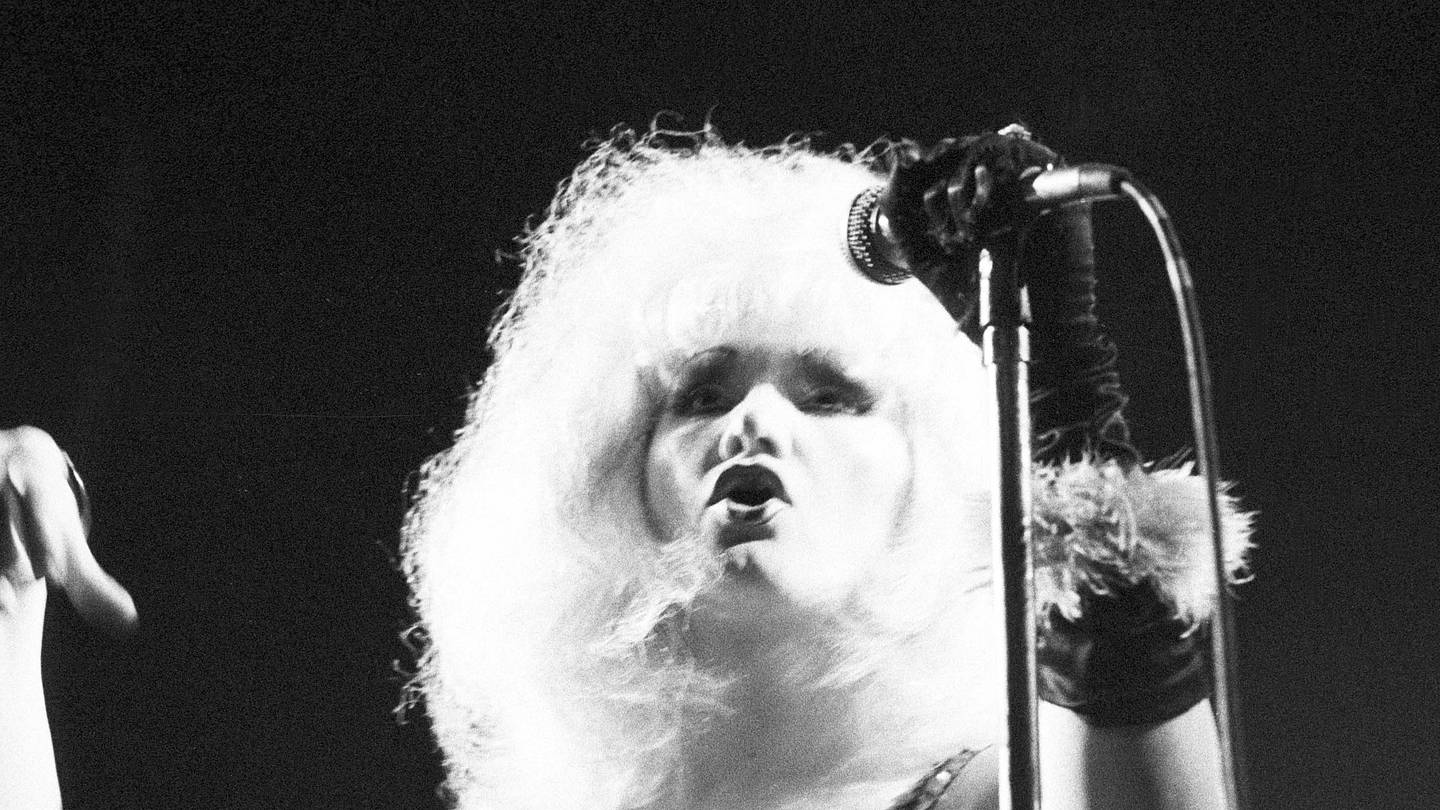
Today, we’ll be exploring how the exciting mix of glam rock, punk, and new wave music dramatically changed the American music scene in the 1970s.
The music was a form of protest – against a corrupt political system and against the stale state of rock and roll itself. It was a challenge to both the government and the music industry.
New York City provided the ideal environment for a creative explosion. It wasn’t just the musicians who were innovative; club owners like Mickey Ruskin and Hilly Kristal, and bookers such as Sam Hood and Peter Crowley, were also key players in fostering this new scene.
Many others shared these qualities too. The most successful ones were good at spotting potential and truly wanted to build a supportive environment. This atmosphere has been portrayed in numerous Hollywood films – though often inaccurately – and is better captured in the many official and unofficial recordings that document the era.
You can’t relive the past, but you can still experience it through music. Here’s a 13-song playlist designed to take you back to the downtown Manhattan music scene of 1975. It’s just a taste of the era, featuring some of the best bands and songs from that time.
“Walk on the Wild Side” by Lou Reed (1972)
Let’s begin with what’s often considered the most well-known song about the beginning of this period. Lou Reed had left his influential band, the Velvet Underground, a few years prior and was starting his career as a solo artist. This song, featured on his second album, was his way of paying homage to the famous people he’d met while working with Andy Warhol.
The back room at Max’s Kansas City quickly became a popular hangout for up-and-coming, unconventional artists, and those curious enough to watch them. We’ll be discussing Lou and Max’s in more detail soon.
“Subway Train” by the New York Dolls (1973)
The Dolls were a hugely popular American band inspired by the glam rock scene that had recently become big in the UK. However, their style was grittier and more rooted in American culture than the more polished sounds of artists like Marc Bolan and David Bowie.
Okay, so the New York Dolls were totally ahead of their time. Their frontman, David Johansen, wasn’t afraid to rock a dress and they played with gender roles, but honestly, their music was raw, early punk. Everyone talks about “Personality Crisis,” and it’s great, but to me, this other song really gets the vibe of the city better. It just feels more authentic.
“Born to Lose” by Johnny Thunders & the Heartbreakers (1977)
Johnny Thunders, the guitarist from the Dolls, had a glamorous style, even if he didn’t like wearing dresses. After the Dolls disbanded in the mid-1970s, he formed his own band and quickly became a popular and exciting figure in the music scene, though his success was short-lived.
Many punk guitarists looked up to Thunders, and his song “Born to Lose” felt like a defiant acceptance of fate. This raises a key question about art created outside the mainstream: can achieving popularity actually make the art less genuine?
“Kids Just Wanna Dance” by the Fast (1976)
Max’s Kansas City started as a hotspot for artists and the scene surrounding Andy Warhol. It briefly closed but later reopened with a new focus – live music. This change moved away from the exclusive atmosphere of its earlier days, and the music it featured was truly groundbreaking.
The song “Fast” is an early and impactful example of punk rock. It originally appeared on the compilation album Max’s Kansas City, which showcased many of the famous bands that performed at the venue in the mid-1970s. The Zone brothers, like many bands of that era, enjoyed some success towards the end of the decade, but their popularity didn’t last long.
“Ruby From the Wrong Side of Town” by Ruby and the Rednecks (1976)
New York City had a music scene for everyone. For Ruby Lynn Reiner, a young woman from Brooklyn who became involved with Andy Warhol’s group, the dramatic flair of Broadway shows heavily influenced her own music.
She was a natural on stage, equally comfortable as an actress and the lead singer of a glam rock band – a perfect fit for a venue like Max’s. Like many of the artists who frequented Max’s, she experimented with early punk music. It’s fun to imagine how stars like Liza Minnelli or Bette Midler might have looked if they’d spent more time in that downtown scene.
“I’m Waiting for the Man” by the Velvet Underground (1972)
Shortly after Lou Reed left The Velvet Underground, effectively disbanding the group (though one album was released without him and is rarely talked about), this remarkable live album came out. It featured recordings from shows at Max’s Kansas City, including the very performance where Reed famously quit the band for good.
This song, first appearing on the legendary album Velvet Underground and Nico, immediately transports you back to the scene. It’s a classic example of Lou Reed’s lifelong fascination with the hidden side of New York City. And we’ll be revisiting his work soon!
“Max’s Kansas City” by Wayne County & the Backstreet Boys (1976)
When this song honoring the club came out in 1976, she was still performing as Wayne. She soon became known as Jayne County. And despite the similar name, her band had nothing to do with the 90s boy band. Jayne County is a hugely influential figure in New York music, connecting the glam and punk scenes and embodying the spirit of independent, do-it-yourself creativity.
This song clearly shows the influence of Lou Reed and includes references to almost every band, both famous and lesser-known, that played at Max’s in the 1970s. Because this playlist can’t possibly include everyone important, listen to the song and create your own list of bands to discover!
“Sheena Was a Punk Rocker” by Ramones (1977)
Max’s Kansas City and CBGB weren’t completely different worlds. While they had distinct vibes, many bands played at both venues – the Ramones being a prime example. CBGB has become famous as the home of punk rock, largely because of its association with bands like the Ramones, and I don’t disagree with that reputation. However, Max’s also played a significant role in the early punk scene and shouldn’t be overlooked.
Man, seeing the Ramones live back in ’77 at CBGBs was something else. They really honed their sound gig after gig, just building and building. By the time Rocket to Russia came out, they were, like, the defining punk band, honestly. And it’s so cool – the album cover is a picture of them right in the alley behind CBGBs, where it all went down.
“Fan Mail” by Blondie (1978)
You know, everyone thinks of CBGB as a punk club, but it’s funny – the bands that first got really popular there were all over the place musically! Blondie, for example, had some punk energy, but they also mixed in surf rock, dreamy sounds, and even early rap… which, honestly, pretty much created New Wave. It’s kinda perfect when you think about it – the club’s name stood for country, bluegrass, and blues, and yet it became the heart of the punk scene!
“No Compassion” by the Talking Heads (1977)
The Talking Heads, similar to influential bands like Suicide and Television that emerged from the same scene, created a unique style of art rock rooted in the raw energy of New York City’s East Village. While their song “Psycho Killer” became their biggest hit, the track “No Compassion” is a much more serious and intense piece of music.
“Gloria” by Patti Smith (1975)
Wow, the first thing you hear on Horses is just incredible – Patti Smith’s voice, reciting this powerful poem about owning your own life and mistakes. She starts with lines like “Jesus died for somebody’s sins but not mine,” and it instantly grabs you. It’s like she’s laying down the rules for this whole new sound coming out of New York. It’s amazing because what sounds like a totally original statement is actually a cover of The Them’s ‘Gloria’ from 1965, but honestly, you wouldn’t even recognize it! It’s been completely transformed.
“Sonic Reducer” by Dead Boys (1977)
Once the first wave of bands from CBGBs became well-known across the country and even internationally, it opened the door for a new group of musicians. Guitarist Cheetah Chrome, drummer Johnny Blitz, and singer Stiv Bators traveled to New York from Ohio hoping to get their start. CBGBs was known for giving new bands a chance, and Dead Boys quickly established a raw, punk sound that built on the foundation the Ramones had created.
“Halloween Parade” by Lou Reed (1989)
Let’s end with one more song by Lou Reed, this one from about ten years after the heyday of the punk and new wave scene. By then, the legendary club Max’s Kansas City had already closed its doors. CBGB, while still open, was past its prime and becoming more of a legendary memory than a vibrant venue. Things had changed; the neighborhoods were being gentrified, largely due to urban renewal projects championed by the current president.
Jonathan Mahler’s upcoming book, The Gods of New York, effectively tells this portion of the story.
In 1989, Reed published his impressive account of the city, titled New York. The second song on the album, similar to Jayne County’s “Max’s Kansas City,” references people who were well-known. However, this song primarily lists non-musicians who had passed away in the previous ten years.
The New York music scene was already evolving, but the AIDS crisis dramatically accelerated that shift. And, as always, Lou was there to document it all.
Oops! I finished making the list but realized I left out “Down at the Rock and Roll Club” by Richard Hell & the Voidoids. Please add that to the list.
 Add us as a preferred source on GoogleFollow
Read More
- Clash of Clans “Clash vs Skeleton” Event for May 2026: Details, How to Progress, Rewards and more
- Clash of Clans May 2026: List of Weekly Events, Challenges, and Rewards
- Last Furry: Survival redeem codes and how to use them (April 2026)
- Gear Defenders redeem codes and how to use them (April 2026)
- Neverness to Everness Hotori Build Guide: Kit, Best Arcs, Console, Teams and more
- The Division Resurgence Best Weapon Guide: Tier List, Gear Breakdown, and Farming Guide
- Brawl Stars Damian Guide: Attacks, Star Power, Gadgets, Hypercharge, Gears and more
- Honor of Kings x Attack on Titan Collab Skins: All Skins, Price, and Availability
- Brawl Stars April 2026 Brawl Talk: Three New Brawlers, Adidas Collab, Game Modes, Bling Rework, Skins, Buffies, and more
- Mapping the Public Mind: Social Media as a Real-Time Sensor
2026-05-07 14:01