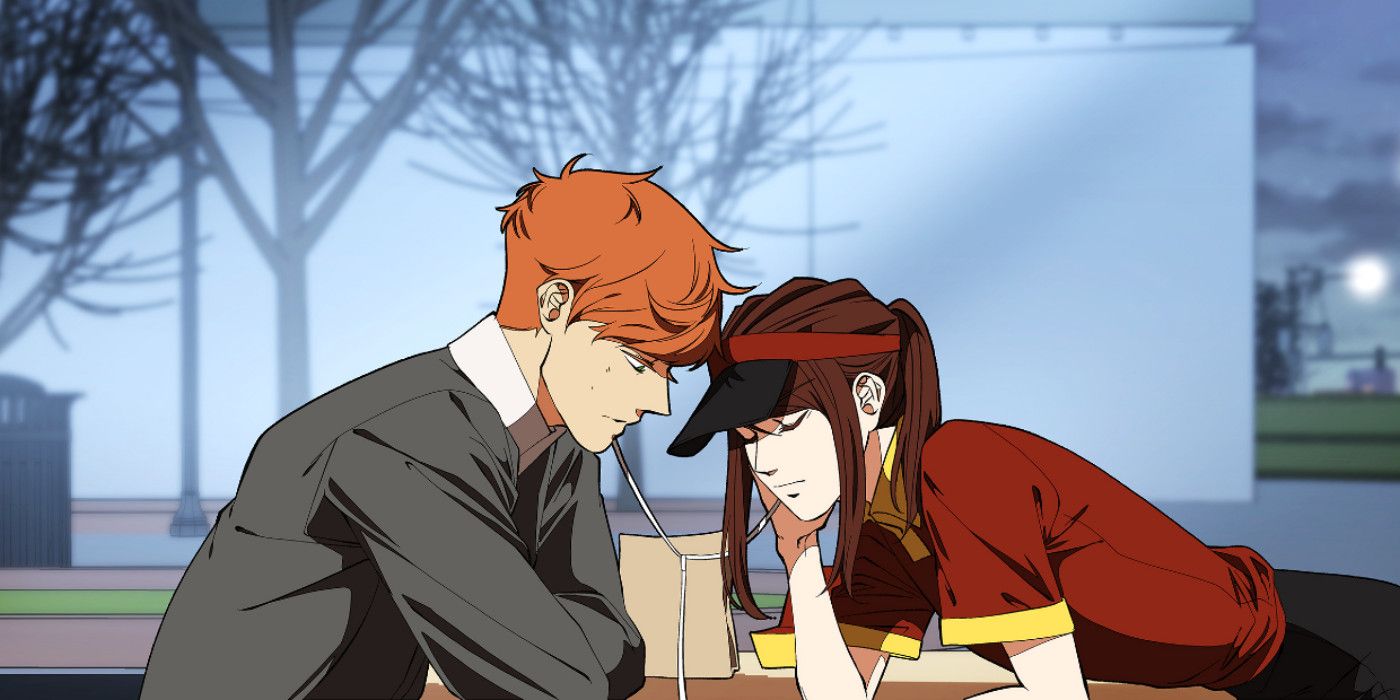
While many webtoons are easy to read, a few are truly exceptional. The best ones stand apart – they avoid common tropes like overly romantic stories, wish-fulfillment power fantasies, and drawn-out, unnecessary plotlines. Over the past decade, we’ve seen webtoons that have pushed the boundaries of the format, demonstrating strong storytelling, consistent tone, and artwork that powerfully enhances the narrative.
These webtoons offer fantastic stories in a variety of genres, including romance, horror, sports, and psychological thrillers. What sets them apart is their impressive range—they feature everything from complex, interconnected anthologies to mysteries that blend seamlessly with romance, and sports stories that feel realistic. These creators are truly honing their skills with thoughtful intention.
True Beauty Redefined the Visual Language of Romance Webtoons
I remember when Yaongi’s True Beauty first appeared on LINE Webtoon in 2018 – it quickly became incredibly popular! Then, just a couple of years later in 2020, it was adapted into a K-drama. What really struck me about the webtoon wasn’t the love triangle, but how skillfully Yaongi used color and the way panels were arranged to show us what Jugyeong, the main character, was feeling inside.
Unlike many shows, True Beauty gives its supporting characters meaningful roles and develops Han Seojun as a complex character with his own feelings, not just as someone who highlights the protagonist’s traits. The show’s look at beauty standards and Jugyeong’s personal journey aren’t presented as simple lessons, but are woven naturally into the entire story, right up to the very end.
Omniscient Reader’s Viewpoint Has a Structure the Webtoon Format Rarely Attempts
The core of the story in Omniscient Reader’s Viewpoint isn’t about gaining power or romantic relationships, but rather the difference between what the main character, Dokja Kim, knows and how he acts on that knowledge. Adapted from a web novel by sing N song, with illustrations by Sleepy-C, and published on Naver since 2020, the story explores this conflict over many chapters without feeling repetitive or predictable.
I’m seriously impressed with how Sleepy-C manages so many characters in Omniscient Reader’s Viewpoint! It’s really tough for webtoons that go on for a long time to keep everyone distinct, but they absolutely nail it. What’s even cooler is that the story feels genuinely ambitious and well-written, and it doesn’t slow down the exciting visuals – it proves webtoons can be both artistically strong and a fast-paced read!
Purple Hyacinth Runs Two Genre Systems in Parallel Without Sacrificing the Other
The art style of Purple Hyacinth strongly evokes the 1920s, giving it a unique look that’s uncommon in similar webtoons. The colors are generally soft and understated, with carefully placed bursts of purple used to move the story forward, rather than just for appearance. Creator Sophiethewitch also steers clear of common mystery tropes that often take a backseat to other plot elements.
What sets Purple Hyacinth apart is its focus on a well-structured plot, even when it means sacrificing typical emotional moments. Unlike many similar webtoons, the story builds suspense through the clashing beliefs of its main characters—a constable and an assassin—rather than relying on romantic tension. Plus, each new mystery cleverly adds layers of meaning to what you’ve already read.
I Love Yoo Wrote Psychological Interiority Better than Almost Anything
Quimchee created Shin-Ae Yoo as a character who avoids feelings and feels angry about social inequality, but these aren’t simply problems she needs to fix with a love interest. The Hirahara brothers don’t try to win her over romantically. Instead, they reveal different parts of her emotional pain, and the story focuses on that pain itself – not just using it as a way to build a romance.
The art in I Love Yoo focuses on showing emotions through characters’ body language, often before they speak. This approach demands a consistently high level of artistic skill, and the creator, Quimchee, delivers that consistently throughout the series.
Let’s Play Doesn’t Treat Anxiety and Creative Work as Character Textures
In Let’s Play, Sam Young’s anxiety isn’t just a small part of their personality—it’s a core element of the story. The book also features a romantic storyline tied to game development, but both the anxiety and the romance are explored in depth, not just mentioned briefly. The author, Mongie, has a background in character design, which is clear in how consistently lively and engaging the characters are throughout the entire story.
Working in the gaming world allowed the author of Let’s Play to explore unique themes rarely seen in romance comics, such as the pressures of protecting creative work, dealing with exhaustion, and managing a public image. This resulted in a story where both the romance and career aspects felt equally important and consistent, rather than one simply serving as a background for the other.
Weak Hero Turned Every Fight Into a Character Study
Throughout its entire run, Weak Hero consistently receives high praise, with no drop in quality of writing or artwork. The series offers a thoughtful look at violence, exploring themes of systemic problems and what it takes to survive, and it consistently reinforces this message even as more characters are introduced. Notably, Weak Hero doesn’t focus solely on the main character, Gray, but frequently shifts perspectives, which enriches the narrative instead of spreading it too thin.
In 2019, Kim Jin-seok and Razen released Weak Hero on Naver Webtoon. The comic’s detailed black and white art style is unusual for webtoons, and Razen skillfully uses panel layouts to clearly show the action in large, complex school settings.
Wind Breaker Treats Cycling is One of the Best Action Webtoons Ever
I noticed while reading Wind Breaker that the cycling felt incredibly authentic. That’s because the author, Jo Yongseok, did a ton of research – things like how bikes are designed, how groups of cyclists move together, and even the best strategies for individual races – before he started writing it back in 2013. This commitment to detail means the races in the webtoon aren’t just exciting, they feel real, with setbacks and improvements happening in a way that makes sense based on how cycling actually works.
The main character, Jahyeon Jo, is naturally gifted, but this actually creates problems for the story instead of helping it. It flips the usual ‘underdog’ story on its head, making things more complicated and interesting. The author, Jo Yongseok, uses the story of Wind Breaker to explore the conflict between wanting to succeed on your own and needing to rely on others, and the setting of road cycling really highlights this struggle.
The Horizon Fits More Into 21 Chapters that Most Webtoons Manage in 200
Before creating the popular webtoon The Boxer, JH published The Horizon on Naver in 2016, finishing it in 21 chapters. What makes The Horizon unique is its lack of traditional storytelling elements – it features very little dialogue, no characters with names, and only three figures known as the Boy, the Girl, and the Man. The artwork is mostly black and white, with moments of complete darkness, and whenever the characters smile, vibrant colors burst onto the page.
The concluding parts of The Horizon feature clear religious imagery, revealing that the story is fundamentally a Christian exploration of crucifixion and renewal. The author, JH, uses narration and dialogue selectively, relying heavily on visual storytelling to convey a broad range of events. A striking example is the changing appearance of one man’s eyes – sometimes appearing compassionate to encourage empathy, and at other times cold and menacing to reflect his frightening behavior.
Sweet Home Collapsed the Monster Horror Genre Into Talks About Despair
In the webtoon Sweet Home by Carnby Kim and Youngchan Hwang, when people transform into monsters, their deepest desires become physically manifest. Unlike many horror stories that lose internal consistency as the stakes rise, Sweet Home maintains a strong connection between a monster’s form and the psychological trauma of the person it was. Each new creature embodies specific emotional wounds, both personal and shared by the characters.
I remember reading Sweet Home online from 2017 to 2020, and then Netflix made it into a series in 2020. But honestly, the webtoon was much more intense. The original artwork, done in black and white by Hwang, didn’t shy away from truly disturbing imagery. The monsters were genuinely unsettling because of their unique and imaginative designs – it wasn’t just the same old creature features, but something completely new and horrifying.
Seasons of Blossom Compressed Grief Across Generations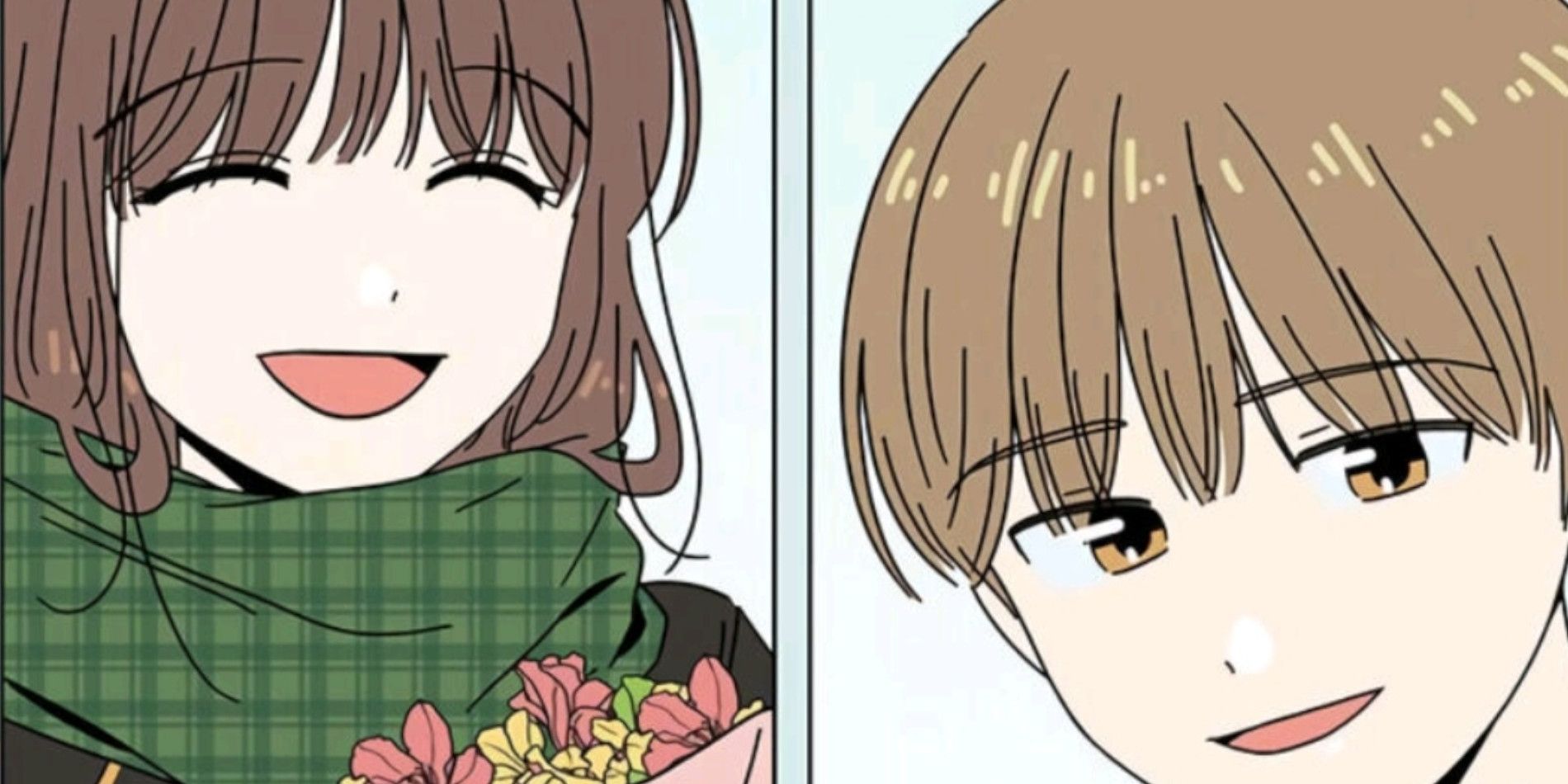
The series Seasons of Blossom weaves together four separate stories, each following a different generation of high school students and exploring a unique facet of youthful grief. Each storyline builds on the themes established in the others, creating a richer overall meaning. Recurring visual symbols connect these seemingly unrelated generations, providing a subtle, understated sense of continuity without relying on dramatic displays.
Many ongoing webtoons struggle to keep readers engaged as they switch between different storylines and characters. However, Seasons of Blossom cleverly avoids this problem by creating a cohesive feel throughout the series, even without directly connecting each story. Its gentle artwork, subtle colors, and deliberate pacing—which uses quiet moments effectively—all contribute to a story that portrays grief authentically, rather than through exaggerated drama.
Found an error? Send it so it can be corrected.
Read More
- Clash of Clans “Clash vs Skeleton” Event for May 2026: Details, How to Progress, Rewards and more
- Clash of Clans May 2026: List of Weekly Events, Challenges, and Rewards
- Last Furry: Survival redeem codes and how to use them (April 2026)
- Gear Defenders redeem codes and how to use them (April 2026)
- The Division Resurgence Best Weapon Guide: Tier List, Gear Breakdown, and Farming Guide
- Neverness to Everness Hotori Build Guide: Kit, Best Arcs, Console, Teams and more
- Brawl Stars Damian Guide: Attacks, Star Power, Gadgets, Hypercharge, Gears and more
- Reverse: 1999 marks its 2.5 Anniversary with Version 3.4 “Spring Unending” on April 16, 2026
- Mapping the Public Mind: Social Media as a Real-Time Sensor
- Brawl Stars April 2026 Brawl Talk: Three New Brawlers, Adidas Collab, Game Modes, Bling Rework, Skins, Buffies, and more
2026-05-07 05:40