The most powerful character redemptions aren’t about villains turning into heroes, but about characters embracing their true selves as their old facades crumble. Moments like Zuko’s betrayal of Iroh, Reiner’s confession about his past actions, and Vegeta’s portrayal of sacrifice as weakness aren’t failures – they make these characters and their stories feel more genuine and believable.
The difference between a truly meaningful redemption and a simple one lies in how much the audience knows about the character’s past mistakes before they start to change. These stories focus not on making the character likeable, but on making their growth feel genuine and deserved.
Endeavor’s Apology Isn’t Enough But He Does Confront His Past
The story of Endeavor in My Hero Academia is compelling because it doesn’t offer a simple, feel-good redemption. He isn’t seeking forgiveness from his family, understanding he’s lost their trust and affection. Even acts of self-sacrifice can’t erase the damage he inflicted, including the emotional trauma he caused Shoto, the pain he brought to Rei, and the troubled path he forced upon Touya.
Endeavor’s path to making things right isn’t about simply fixing his mistakes, but about truly atoning for them. Natsuo’s resentment towards his father is central to this, representing a justified consequence of Endeavor’s actions, not just a challenge to overcome. Even as Endeavor tries to redeem himself, the story doesn’t offer easy forgiveness; the revelation that Dabi is actually Touya highlights the full and lasting impact of his past choices.
Zuko’s Redemption Takes Three Seasons to Happen
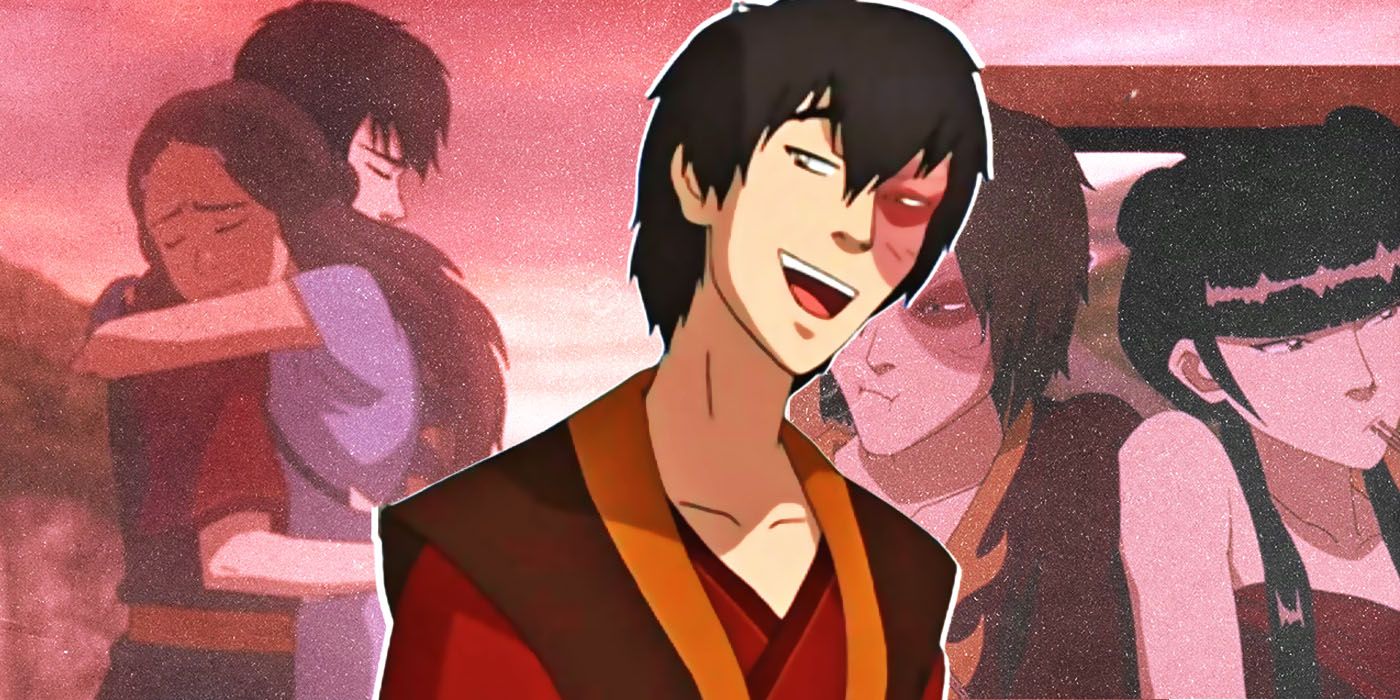
Zuko’s character arc in Avatar: The Last Airbender centers around a growing disconnect between how he sees himself and how others perceive him. He believes he’s doing the right thing, but his actions consistently prove otherwise, creating a widening gap between his self-image and reality. This culminates in a major turning point when, despite his attempts at self-improvement, he sides with Azula, attacking Aang and ultimately betraying his uncle, Iroh.
Zuko’s betrayal of Iroh feels like a point of no return, making his eventual redemption seem unreachable. However, thanks to earlier episodes like “The Storm” and the consistently excellent writing in Book 3, Avatar delivers what many consider to be the best redemption story ever told.
Vegeta’s Pride is Both a Wound and an Engine For His Growth
Akira Toriyama didn’t originally envision Vegeta as a hero in Dragon Ball, and Vegeta himself never sought that role. This makes his character growth feel particularly authentic. Rather than simply losing his arrogance, the story transforms it, shifting his pride from a desire to conquer to a sense of responsibility.
The Buu Saga represents the ultimate turning point for Vegeta’s character. He finally becomes a true hero only after hitting rock bottom. Afterwards, Vegeta is a consistently present father to Trunks, unlike Goku with his own children. A particularly powerful and moving moment is his emotional reaction during the Tournament of Destroyers when he sees Cabba, which stands out as one of the most authentic emotional scenes in Dragon Ball Super.
Itachi Uchiha’s Arc Recontextualizes Sacrifice as an Impossible Inheritance
For a long time in Naruto Shippuden, Itachi Uchiha is presented as a ruthless killer responsible for the deaths of his entire family. But as the story progresses, viewers learn a much more complex truth: Itachi wasn’t a villain, but a young boy who was put in an impossible situation and tragically died before he could explain everything to his brother.
Honestly, Itachi’s choices were heartbreaking, even if he thought he was doing the least bad thing. But seeing him fight even while knowing he was dying… that’s what really got to me. He dragged things out just long enough to protect Sasuke from Orochimaru, and that little head-poke he did, just like when they were kids? It was such a powerful moment, and it really cemented his whole story for me. It showed how much he still cared, even at the very end.
Thorfinn’s Arc Rejects Violence Through Inaction
The first season of Vinland Saga established Thorfinn as a formidable fighter, while the second season explores the consequences of that path. His decision to avoid fighting, even when it might be reasonable, highlights his need to grapple with his past actions and their impact.
Young Thorfinn is haunted by the people he killed and constantly relives his violent past in nightmares. Despite trying to change, he still feels the urge to kill, as demonstrated when he struggles to control himself and protect others on Ketil’s farm.
Reiner Braun Carries Guilt as a Survival Mechanism
Reiner’s story in Attack on Titan isn’t about a hero redeeming himself; it’s a breakdown as he struggles with the consequences of his actions. A key moment, in Season 2, is when he loses track of being the Armored Titan – his roles as a warrior and soldier completely blur together. This scene is important because it reveals Reiner grappling with everything he’s done, even though he no longer believes in the reason he did it.
As the story progresses, particularly when Reiner is with new recruits, his character changes from feeling guilty to simply trying to survive. This complexity stems from the fact that he and Eren are facing similar struggles, reflecting each other’s experiences. Ultimately, Reiner fights for Marley not out of loyalty, but because protecting the younger generation is the only way he can find redemption within the story’s framework.
Meruem Achieves Humanity in Human Connection
I’m absolutely fascinated by Meruem’s entrance into Hunter x Hunter – he’s not just another typical villain! He’s genuinely chilling on an intellectual, physical, and even philosophical level. What really grabbed me, though, was his struggle with Komugi. It wasn’t about power; it was about his entire worldview being challenged. Every game they played chipped away at his belief that the strong should rule, because he found himself desperately wanting this seemingly fragile, blind woman to keep existing. It’s a complete rewiring for someone who’d never given a human life a second thought, and it’s just incredible to watch.
The sadness of Meruem’s story comes from the unfortunate timing of events, as he was striving for understanding, not just survival. His last question – whether he scared Komugi – isn’t the typical line from a villain, but a genuine plea for reassurance that he didn’t hurt anyone.
Reiko Redefines Purpose Through Maternal Sacrifice
Initially, Reiko in Parasyte believes humans are simply biological organisms, and that emotional connections are weaknesses that hinder survival. However, her perspective doesn’t change through a newfound sense of morality; instead, it’s the experience of carrying and delivering a baby that fundamentally alters her in a way she can’t quite understand.
The anime Parasyte: The Maxim avoids making Reiko overly emotional at first, but gradually shows her changing through subtle actions where her usual logical thinking fails. The story’s main point is revealed in her last scene: Reiko doesn’t become more human, she simply embraces her role as a mother. Her decision to protect her baby, even at the cost of her own life, is something her previous beliefs would have considered illogical.
Kaneki Ken Rebuilds His Identity By Breaking a Cycle
Watching Kaneki’s story unfold, it’s clear his journey to finding himself isn’t simple. It’s a repeated pattern of being broken down and rebuilt, shedding layers of who he thought he was over and over again. A major turning point for him came in Tokyo Ghoul when he was captured and brutally tortured by Yamori, which fundamentally changed him into a dangerous predator. Later, in Tokyo Ghoul:re, I saw him living a completely different life as Haise Sasaki, working as an investigator for the CCG and leading a team of half-ghouls – and he had no memory of his past life.
The story really takes a turn with the amnesia arc. Sasaki-Kaneki seems genuinely happier than he ever was as Kaneki, but the narrative won’t allow him to remain that way. This part of the story isn’t about his personal improvement. During his last meeting with Rize, Kaneki realizes everyone is the main character in their own life and understands why people continue to seek love and acceptance, even when the world is harsh.
Scar Redirects His Revenge and Becomes a Great Hero
Scar joins the world of Fullmetal Alchemist: Brotherhood as one of the few people who survived the Ishvalan war, and he deeply resents state alchemists because of the terrible things they did to his people. While his feelings are understandable, the series shows how his pursuit of revenge ultimately harms him and leads to the deaths of innocent bystanders.
Scar’s journey takes a turn when he teams up with Mei Chang and uses his brother’s research to create a way to fight Father. Finishing his brother’s work and finally defeating Wrath leads to a deeply rewarding and satisfying conclusion for his character.
Found an error? Send it so it can be corrected.
Read More
- Last Furry: Survival redeem codes and how to use them (April 2026)
- Gear Defenders redeem codes and how to use them (April 2026)
- Brawl Stars April 2026 Brawl Talk: Three New Brawlers, Adidas Collab, Game Modes, Bling Rework, Skins, Buffies, and more
- All 6 Viltrumite Villains In Invincible Season 4
- The Mummy 2026 Ending Explained: What Really Happened To Katie
- Gold Rate Forecast
- Razer’s Newest Hammerhead V3 HyperSpeed Wireless Earbuds Elevate Gaming
- Total Football free codes and how to redeem them (March 2026)
- The Division Resurgence Best Weapon Guide: Tier List, Gear Breakdown, and Farming Guide
- Clash of Clans: All the Ranked Mode changes coming this April 2026 explained
2026-04-23 19:44