The best science fiction doesn’t try to foresee what will happen; instead, it focuses on today’s world and explores difficult questions we often avoid. Within the genre, ‘hard’ science fiction stands out as particularly thought-provoking. It’s not about fantastical elements like laser swords or time travel; it’s grounded in real science and believable technology. It’s the kind of story that makes you stop and really think.
Traditional science fiction often explores possibilities with a simple “what if?” Hard sci-fi does the same, but it meticulously details how that possibility would actually work, examining all the practical details, consequences, and costs involved. This makes it a more thoughtful, complex, and lasting experience. And currently, it’s incredibly popular. With concerns about artificial intelligence, economic systems, climate change, and a feeling that the world is unpredictable, hard sci-fi has moved from a specialized interest to the genre that feels the most grounded in reality.
‘Millennium’ (1996 – 1999)
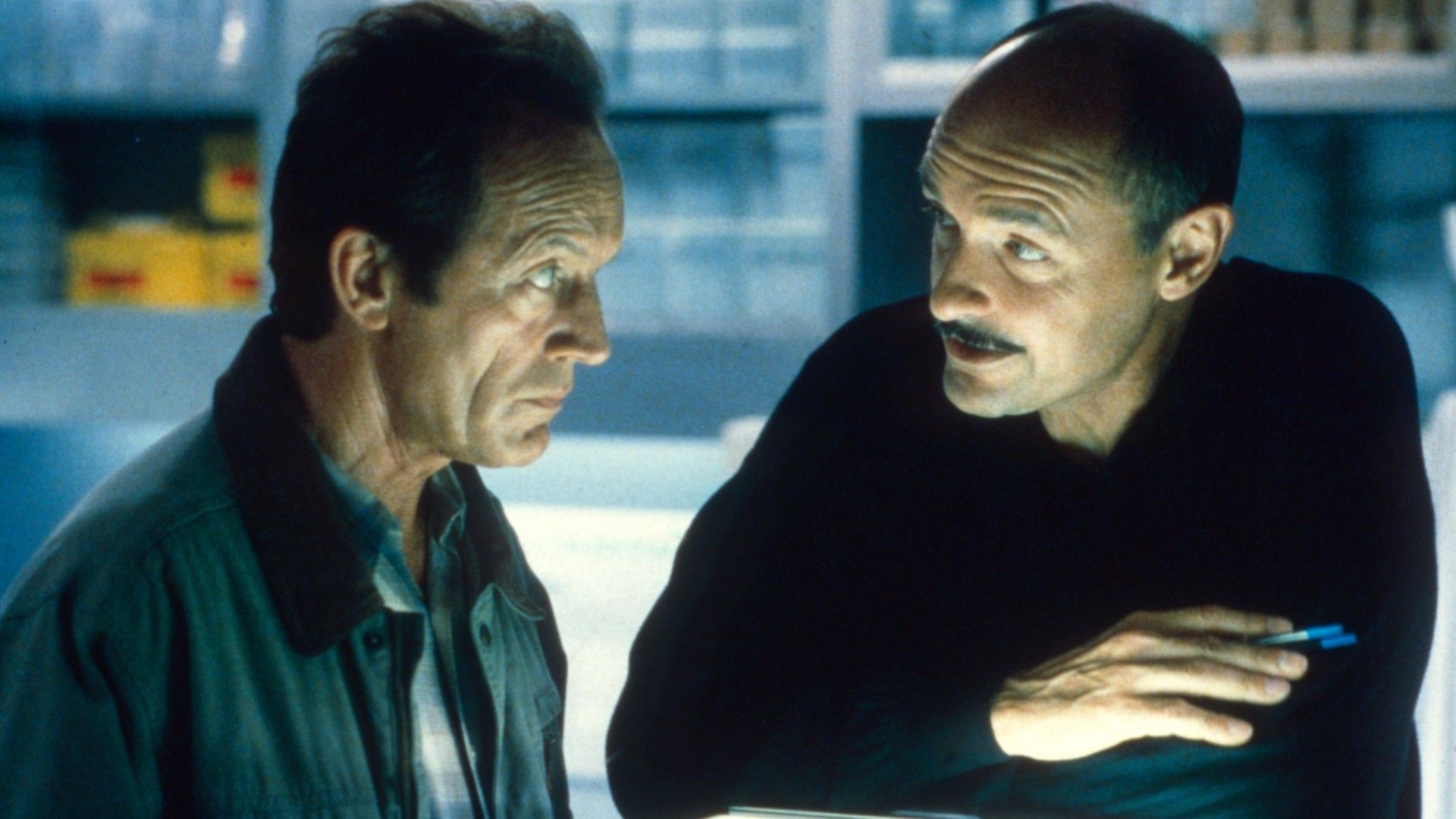
Created by Chris Carter, Millennium is a suspenseful and unsettling ’90s TV show that felt remarkably modern for its time. The series centers on Frank Black (Lance Henriksen), an FBI profiler who has the disturbing ability to experience the world as killers do. A crossover episode connects it to The X-Files. Frank works with a mysterious organization called the Millennium Group as he investigates the darkest sides of human nature.
For three seasons, Millennium combined gripping crime investigations with unsettling supernatural mysteries, building a truly chilling mood. The perpetually rainy setting of Seattle and Mark Snow’s haunting music amplified the feeling of dread. Unlike many shows of the time, Millennium moved away from stories about aliens and focused on a more claustrophobic, internal kind of horror. While the show wasn’t always perfectly polished and could be uneven, that was by design. Creator Chris Carter and the writers realized that fear of the apocalypse is most powerful when it feels personal and immediate. Unfortunately, audiences weren’t ready for that approach, and the show was unexpectedly canceled.
‘Westworld’ (2016 – 2022)
Westworld is a complex and original series that begins in a stunningly realistic theme park. It initially leads you to believe you understand what’s happening, but quickly reveals a much deeper story. Inspired by Michael Crichton’s film, the show centers on incredibly lifelike androids called Hosts, designed to fulfill the desires of human guests. Through the journeys of characters like Dolores and Maeve, Westworld explores thought-provoking themes of consciousness, free will, and the potential for rebellion.
The second season delves deeper into the show’s central mysteries. While seasons three and four sometimes feel disjointed, Westworld consistently captivates with its ambitious scope. As Dolores starts to recall her past, we discover her feelings weren’t truly her own, but were created by another. This leads to a disturbing question: if our emotions are programmed, can we still consider them genuine? It’s a challenging concept, yet it resonates with a surprising truth.
‘Dark’ (2017 – 2020)
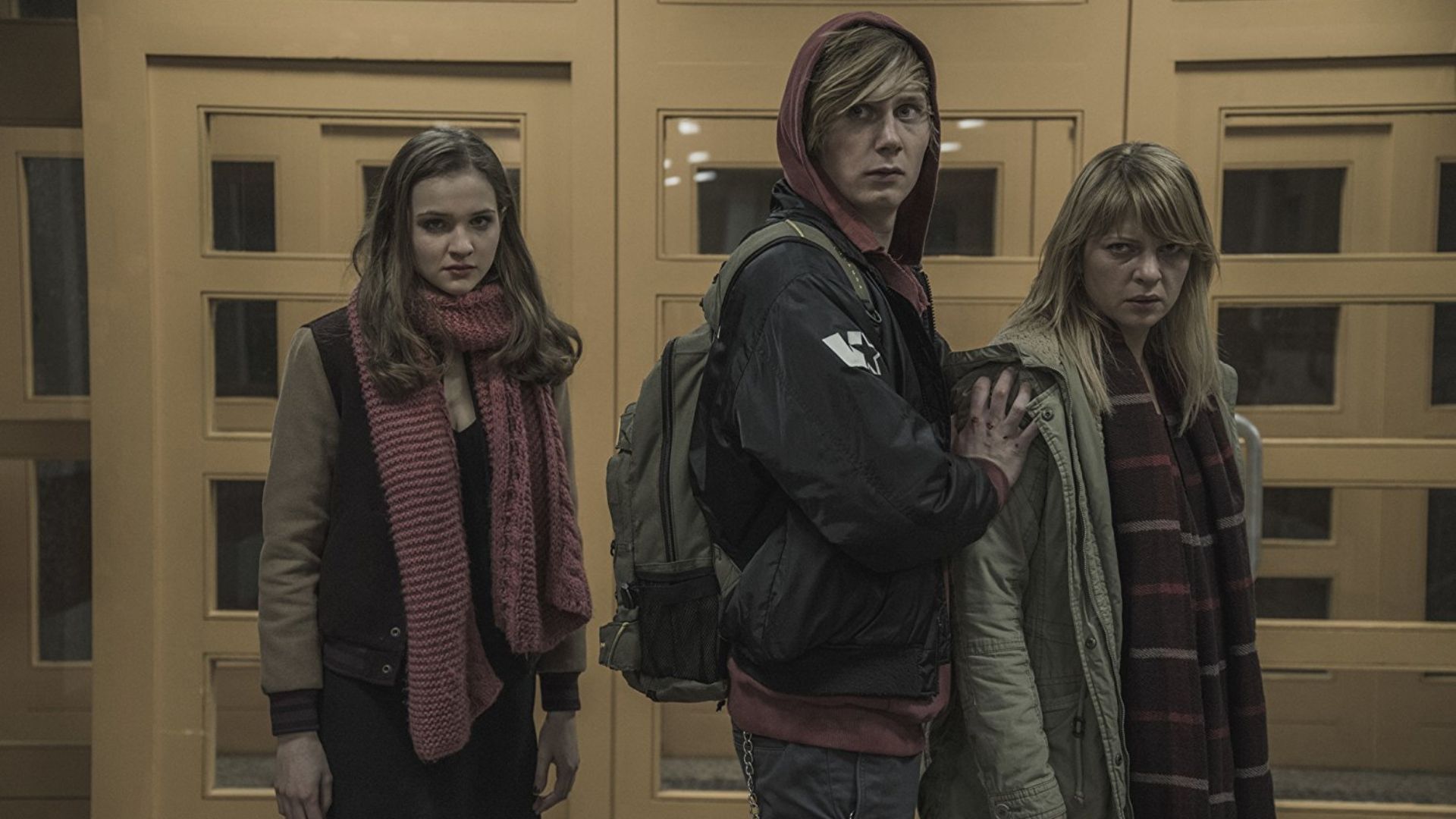
Netflix’s Dark immediately draws you in with its captivating mood, even before the complex story begins to unfold. The show, set in the made-up German town of Winden, starts with a missing child, but quickly evolves into one of the most intricate and mind-bending time travel stories ever filmed. It jumps between four different time periods – 1953, 1986, 2019, and the future – and connects them with remarkable accuracy.
The show features characters at different ages, with younger and older versions appearing together, and events unfold in a way that blurs cause and effect, creating a complex mystery. While the entire German cast delivers strong performances, Louis Hofmann, who plays young Jonas Kahnwald, is especially impressive, convincingly portraying confusion and grief. It took a while for viewers outside Germany to discover Dark, but once they did, it quickly gained a dedicated and passionate following.
‘Years and Years’ (2019)

Russell T Davies created Years and Years as a look at what the near future might hold. The six-part series follows the Lyons family in Manchester over about 15 years, showing how the world around them changes dramatically. It’s fast-paced like a thriller, but also deeply emotional like a family drama. A key character is Viv Rock (played by Emma Thompson), a politician who gains power but whose beliefs are unclear.
The series follows characters navigating rapid technological advancements, economic shifts, and escalating crises, where seemingly minor incidents build into major problems. It’s unsettling how often the show’s predictions have come true. What makes it so impactful is its realistic portrayal of how people adapt, how quickly outrage fades, and how everyday relationships exist alongside extraordinary events. Years and Years isn’t easy to watch; it’s a deeply personal, emotional, and disturbingly plausible story.
‘Halt and Catch Fire’ (2014 – 2017)
We’ve learned that hard science fiction isn’t always about spaceships. The show Halt and Catch Fire is a compelling look at the people behind the birth of the personal computer, showing how their drive matched the rapid pace of technological advancement. Set in the 1980s and 90s, it follows engineers and innovators attempting to create the future while competing with major companies like IBM.
Unlike many tech stories that focus on famous innovators, Halt and Catch Fire highlights the people who helped build the future but remained largely unknown. The show centers on characters like Joe, Gordon, Cameron, and Donna – brilliant individuals who had similar ideas but approached them in unique ways. It’s a compassionate look at their successes and failures. Though critics praised it immediately, the show took time to find a large audience, but it has since gained a dedicated fanbase.
‘Person of Interest’ (2011 – 2016)
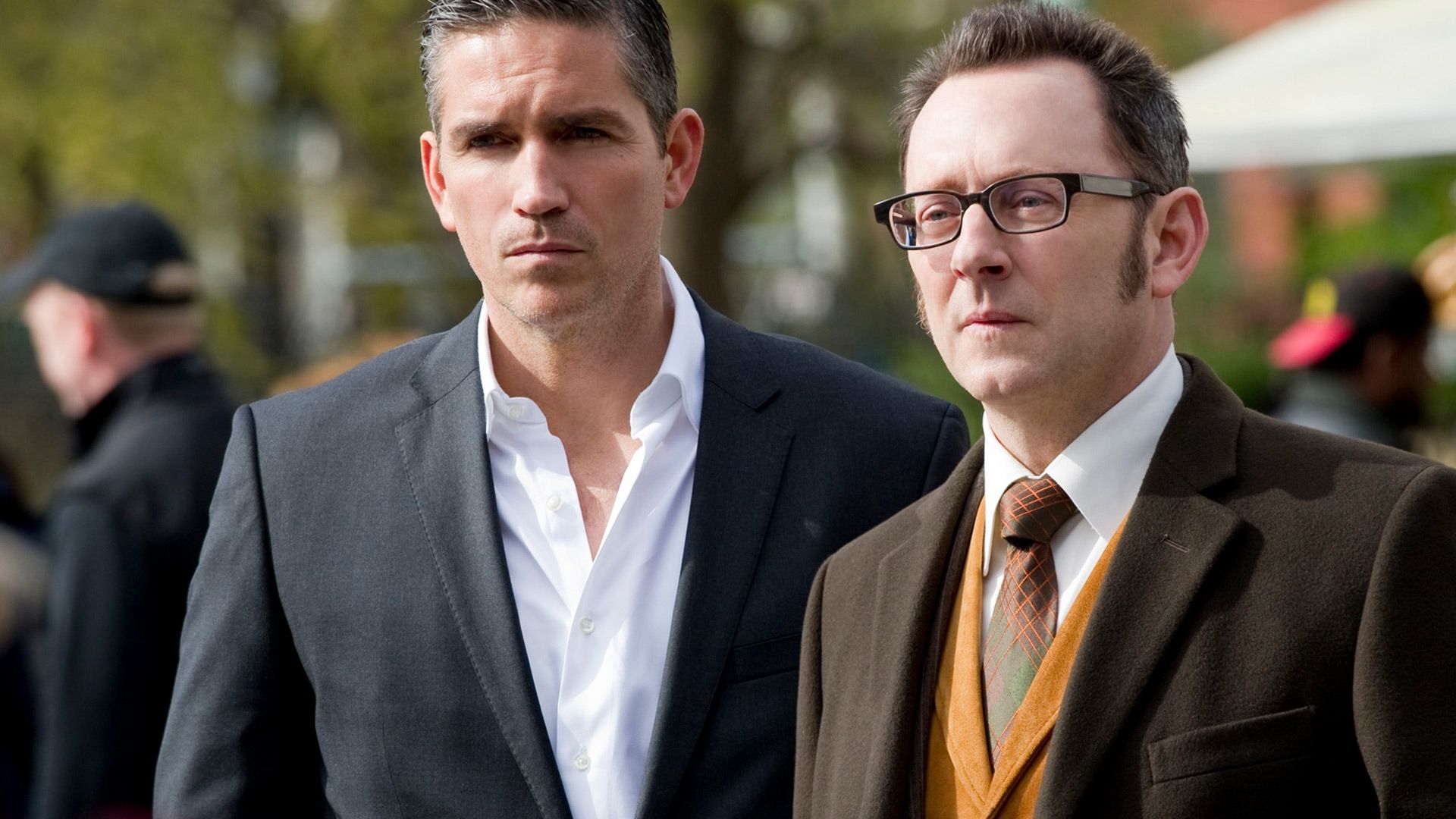
The TV show Person of Interest follows a former CIA agent who partners with a brilliant, private billionaire. Together, they use a secret AI surveillance system to stop crimes before they occur. But starting in Season 2, the show takes an unexpected turn. Jim Caviezel stars as John Reese, while Michael Emerson plays Harold Finch, the creator of the AI, and grapples with the ethical implications of its use.
One of the smartest things the show did was portray The Machine as a character with its own evolving morals and desire to survive. By its fourth season, Person of Interest had become a story about two artificial intelligences with conflicting viewpoints, and the humans caught in the middle. Remarkably, it explored these themes on network television well before AI became a common topic of discussion. The show’s concerns about surveillance and artificial intelligence felt relevant even then, but it took the public a few years to fully grasp the issues the creators were highlighting.
‘Severance’ (2022 – Present)
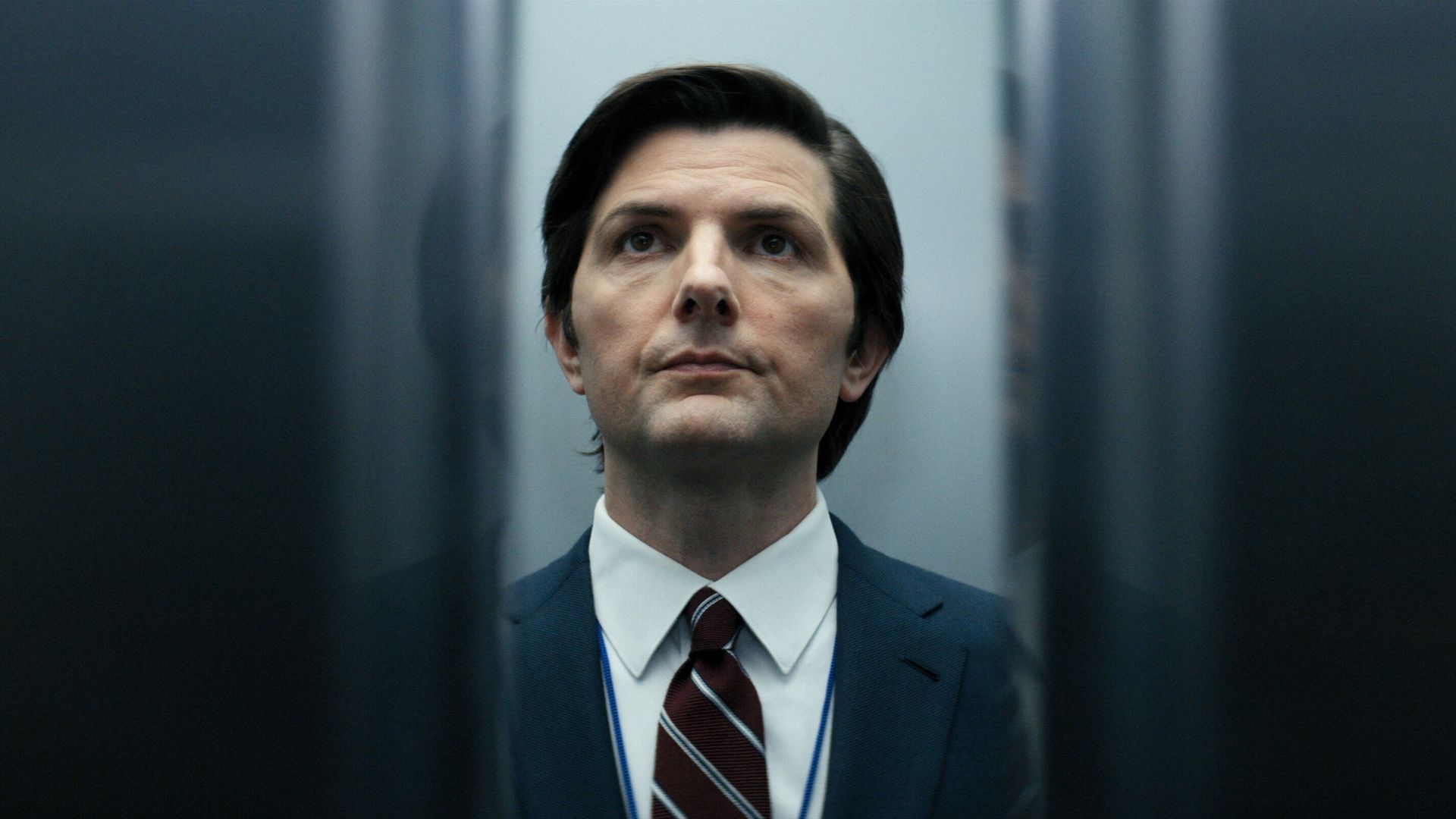
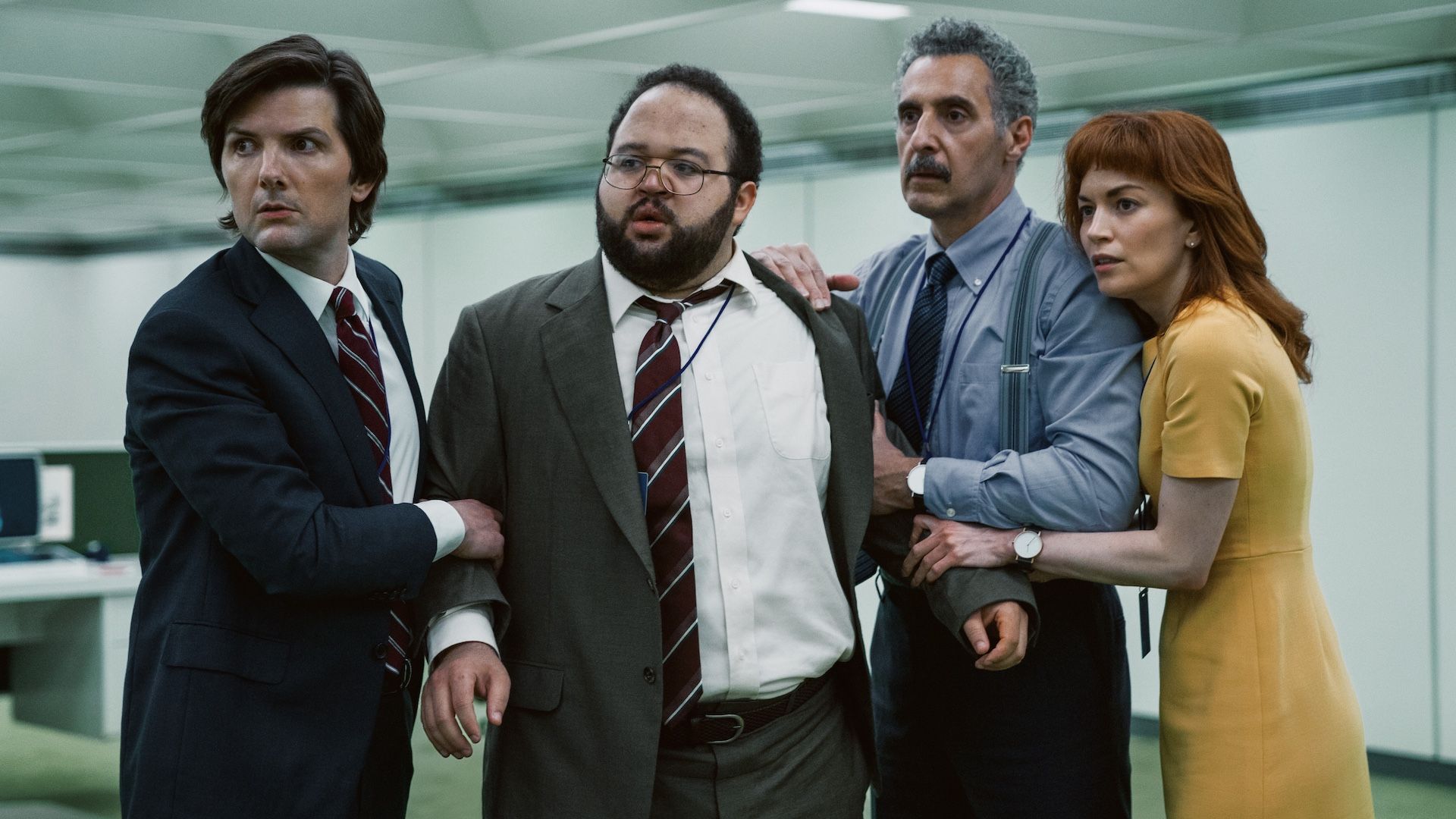
The Apple TV+ series Severance brilliantly captures the anxieties of modern work life. The show, which debuted in 2022, centers on Lumon Industries, a company where employees choose to have their work and personal memories surgically divided. Starring Adam Scott, along with Patricia Clarkson, John Turturro, and Christopher Walken, the series unfolds in Lumon’s eerily sterile and unsettling offices. It’s a compelling blend of workplace satire, psychological suspense, and believable science fiction.
Okay, so the premise of Severance is fascinating, but what really grabbed me was how deeply it explores the idea of mentally separating different parts of your life – something we all do to cope, really. The characters who are ‘innies’ – those who only exist at work and have no memories of the outside world – are incredibly compelling. Watching them forge friendships, build loyalties, and even just subtly rebel against the system felt so authentic, especially considering how limited their world is. Honestly, I’ve never seen a show capture the sheer dread of office life in such a genuine and thought-provoking way. It’s not just about hating your job; it’s about what that kind of separation does to a person.
‘Battlestar Galactica’ (2004 – 2009)
The 2004 revival of Battlestar Galactica wasn’t simply a remake; it was a continuation of the story. Picking up after a devastating attack nearly wiped out humanity, the series followed the last surviving humans as they journeyed through space searching for a new home – Earth. The show was powerfully anchored by Edward James Olmos’s portrayal of Commander Adama and Mary McDonnell as President Roslin, while Katee Sackhoff’s Starbuck and James Callis’ Gaius Baltar quickly became beloved characters among fans.
Though Battlestar Galactica premiered shortly after 9/11 and clearly used symbolism to reflect that time, its strong characters always remained the focus. The show uses science fiction to explore themes of identity, faith, and how groups deal with trauma. It asks fundamental questions about what matters most when you’re struggling—what are you willing to protect, and what are you willing to give up? Ultimately, it’s a grand space adventure with a science fiction feel.
‘The Expanse’ (2015 – 2022)
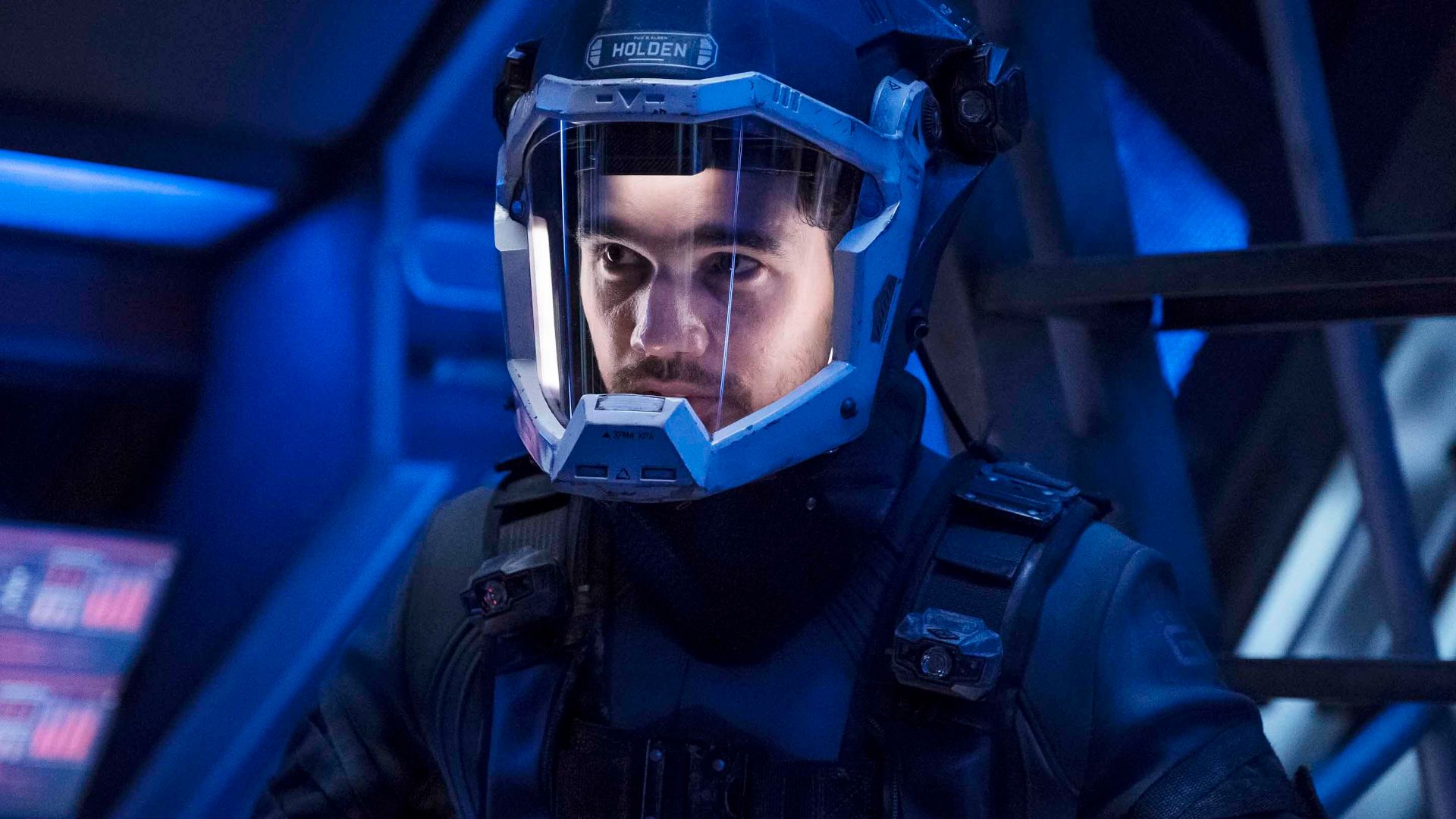
If you enjoy space operas, consider The Expanse. It’s based on the novels by James S.A. Corey and is set in a future where humans have colonized the solar system. Earth, Mars, and the asteroid belt are all caught up in political struggles. The story centers around the crew of the ship Rocinante, featuring characters played by Steven Strait (Holden), Dominique Tipper (Naomi), Wes Chatham (Amos), and Cas Anvar (Alex).
What makes The Expanse so compelling is its realism, achieved through meticulous attention to detail. The show thoughtfully portrays everything from the effects of gravity and the nuances of politics to the complexities of different cultures. You really feel the impact of acceleration on characters, and the show consistently highlights how valuable resources like water and air truly are. Everything feels grounded and purposeful, never just for show. Thankfully, after Syfy canceled it, Amazon stepped in and provided the larger budget the series deserved.
‘Black Mirror’ (2011 – Present)

Charlie Brooker’s Black Mirror is a rare show that’s actually entered our everyday language. If you say something feels “very Black Mirror,” people instantly understand you mean it’s unsettling and deals with the dark side of technology. Episodes like “Be Right Back,” “White Bear,” “USS Callister,” and “San Junipero” all explore complex ideas about how technology impacts us. When the show moved to Netflix, it gained a bigger budget and wider audience, and attracted talented directors like David Slade and Jodie Foster.
People often suggest certain episodes of Black Mirror because its strongest stories explore the difference between our hopes for technology and its potential downsides. It’s not against technology itself, but rather advocates for a realistic view of it. For instance, the episode “The Entire History of You” imagines a world where you can record and replay memories, which can ultimately damage relationships. While not every episode is a hit, the best ones are truly impactful. Many critics compare it to the modern Twilight Zone, and that comparison is fitting.
Read More
- Gear Defenders redeem codes and how to use them (April 2026)
- Annulus redeem codes and how to use them (April 2026)
- Last Furry: Survival redeem codes and how to use them (April 2026)
- All 6 Viltrumite Villains In Invincible Season 4
- The Real Housewives of Rhode Island star Alicia Carmody reveals she once ‘ran over a woman’ with her car
- CookieRun: Kingdom x KPop Demon Hunters collab brings new HUNTR/X Cookies, story, mini-game, rewards, and more
- Clash of Clans: All the Ranked Mode changes coming this April 2026 explained
- Beauty queen busted for drug trafficking and money laundering in ‘Operation Luxury’ sting
- Brawl Stars April 2026 Brawl Talk: Three New Brawlers, Adidas Collab, Game Modes, Bling Rework, Skins, Buffies, and more
- All Mobile Games (Android and iOS) releasing in April 2026
2026-04-21 04:21