Anime opening sequences aren’t just introductions; the most memorable ones are like mini-movies. They often tell a complete story on their own, giving you a strong sense of what the series will be about, and can even stand out as amazing works of art.
Anime openings from the 2020s are some of the greatest ever created, perfectly capturing the feel of each show through its music and style. They effectively set the mood and give viewers a preview of what to expect, preparing them for each episode.
Re:ZERO Season 2 OP Shows Subara’s Mental Unraveling in Real Time
Konomi Suzuki’s singing in the opening of Re:ZERO Season 2 isn’t comforting; instead, it feels fragile and hopeful, as if it might break at any moment. The opening begins with quick, disturbing images of Subaru’s past pain from Season 1, immediately setting the dark and frightening tone of the entire show.
The song ‘Realize’ gradually builds in intensity, reflecting Subaru’s determination to keep pushing forward. Even before she appears, the green butterflies surrounding Echidna establish her as a central figure, and the opening sequence doesn’t rely on nuance – it directly asks the audience to feel the emotional impact.
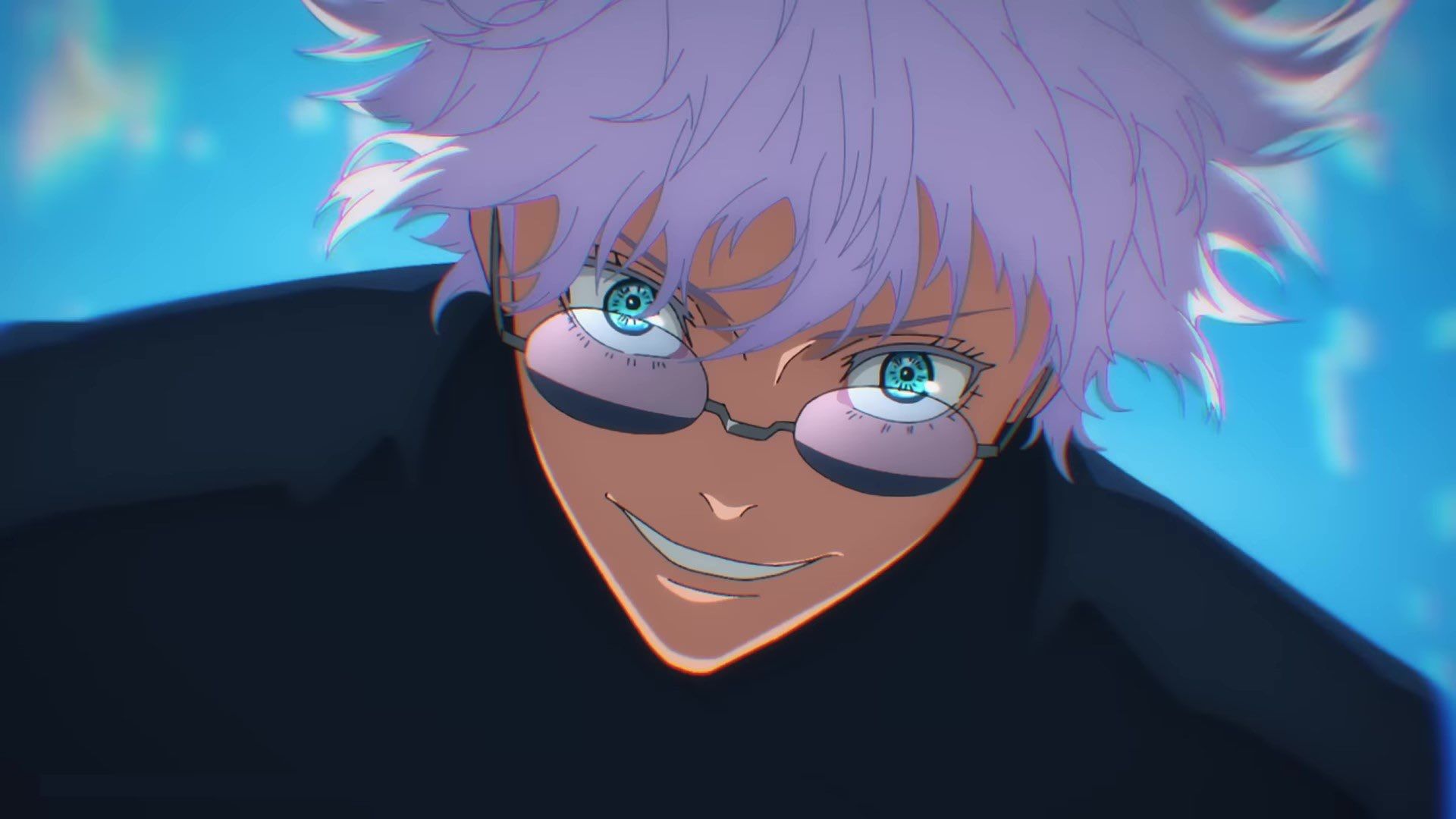
Jujutsu Kaisen Season 2 Turns Nostalgia into Something Devastating Through Ao no Sumika
Tatsuya Kitani created the song “Ao na Sumika,” meaning “Where Our Blue Is,” and the consistent use of blue in the opening credits is intentional. Gojo connects the color blue to spring, youth, and grief. The entire opening showcases Gojo’s memories of Geto, and the ending is particularly impactful. It visually hints at future events by showing Geto’s path growing darker while Gojo’s remains bright.
The episode starts with Gojo asleep in a chair, a clear echo of the beginning of Season 1 where we see Itadori sleeping. The opening theme, “Ao no Sumika,” is very energetic, and the animation is incredibly colorful. This bright and lively start actually makes the events that follow feel even more heartbreaking for the audience.
Attack on Titan Final Season Part 2 Reflects a Total Ideological Collapse
The opening theme for Attack on Titan The Final Season Part 2 reveals major plot points. The visuals echo the powerful opening from Season 2, but with a devastating twist: Mikasa takes off the scarf Eren gave her, something she hasn’t done since they were children. This one scene powerfully conveys the emotional state of the characters and hints at the direction the story has taken since Season 2.
Next comes the devastating scene known as ‘The Rumbling,’ featuring hundreds of colossal titans advancing in unison. Their footsteps obliterate cities, all set to a powerful English metalcore song. The lyrics, written by MAH, express the perspective of onlookers questioning Eren’s motivations and whether he truly believed in his actions. This opening sequence topped the US Hot Hard Rock Songs chart and became the most-watched anime opening on YouTube at the time of its release.
Chainsaw Man Turns Its OP into a Meta-Collage With KICK BACK
In just ninety seconds, the opening sequence of “KICK BACK” is filled with over fifteen references to classic films like Reservoir Dogs, No Country for Old Men, Pulp Fiction, The Big Lebowski, and Once Upon a Time in Hollywood. The sequence cleverly ends with the characters watching these same movies. Throughout the opening, shots of Denji being led on a leash by Makina are mixed with images of plants growing from his body as she reaches for him, visually representing control masked as affection.
The most impactful visual in the opening sequence of Chainsaw Man is Makima giving Denji something green while, simultaneously, chains burst from his head. Viewers who haven’t read the manga might not understand what it means, but manga readers recognize it as a hint at Makima’s hidden manipulation of Denji.
Oshi no Ko Uses Idol to Expose Performance as an Illusion and Survival Strategy
I’m completely blown away by the opening to “Idol” from Oshi no Ko. It’s so clever how the lyrics aren’t sung from one point of view! Instead, you hear snippets from all these different people – fans screaming, her fellow group members, even Ai herself – and it paints this incredible picture of someone who seems totally loved, but is actually completely unknowable. And that moment when the music drops and you hear the crowd chanting? It’s shockingly real. It feels like a super intimate performance, but it’s all surface level – there’s no actual connection behind it, which is just brilliant.
The beginning of Oshi no Ko features recurring images of rabbits, notably with the character Ai dressed in a rabbit costume. The song “Idol” was a massive hit in Japan, staying at number one on the Hot 100 chart for 22 weeks and achieving a record-breaking 100 million views on its music video. Its success was further confirmed by winning Best Anime Song at the Crunchyroll Anime Awards, demonstrating the widespread popularity of both the song and the series.
Frieren: Beyond Journey’s End Builds an OP Around Introspection Instead of Action
YOASOBI’s “YUSHA,” the opening theme for Frieren, seems upbeat at first, but it’s actually quite sad. The song subtly shows how Frieren has dealt with loss over hundreds of years, using flashbacks of her friend Himmel. The animation beautifully complements the song, depicting Frieren traveling through expansive scenery while remembering those she’s lived—and outlived.
The latest episode of Frieren: Beyond Journey’s End encourages viewers to take their time and fully absorb the story. The episode ends with a striking image: Frieren continues walking, while the world around her transforms, highlighting the passage of time and her enduring journey.
Dandadan Embraces Tonal Whiplash to Show the Narrative of the Anime
The opening sequence of Dandadan immediately grabs your attention with quick cuts between close-up shots of the main characters – Okarun, Momo, Seiko, Aira, and Jiji – timed to a repeating chant of “Dan-dan-dan.” Instead of starting with a wide establishing shot, the sequence jumps right into a fast-paced world, which perfectly reflects the energetic and exaggerated style that animation studio Science SARU uses throughout the series.
Okay, so right from the start, this thing throws everything at you – aliens, Japanese folklore creatures, crazy chases, and really touching character stuff. And the way it looks is amazing! It’s got this cool, almost stage-like visual style, and there’s this detail with Momo’s earrings that’s so clever – they blur just like the eyes of those classic Japanese superhero characters. It’s not just flashy, it actually adds to the scene, you know?
Mashle Season 2’s OP Uses Rhythm and Repetition With a Catchy Tune
The opening moments of this video show Mash standing in a spotlight, completely disinterested and not trying to look like a hero. As the video adds more characters, special effects, and elaborate choreography, Mash remains completely unengaged. The humor of the entire opening comes from the contrast between the impressive production and Mash’s lack of reaction.
Next, the song features the energetic “Bling-Bang-Bang-Born” dance, choreographed flawlessly by Mash while he’s still in his school uniform. Brief shots of supporting characters like Lance, Finn, and Dot posing dramatically emphasize how steady Mash remains. Remarkably, the song became a huge hit beyond the anime itself, sparking a popular dance trend in 2024 and appearing in over 400,000 TikTok videos using the original audio.
Bocchi the Rock! Visualizes Social Anxiety Through Seishun Complex
The opening sequence of Bocchi the Rock!, titled “Seishun Complex,” is a visual masterpiece. CloverWorks utilizes a diverse range of animation techniques – including live action and stop-motion alongside traditional animation – to vividly portray Bocchi’s inner feelings in a remarkably genuine way. In just 90 seconds, the opening establishes the core of the show: Bocchi and her guitar, presented without the distractions of crowds, stages, or an audience.
As the song gains momentum, the opening sequence’s images start to come together, hinting at moments where Bocchi feels more sure of herself, though her inner struggles aren’t fully resolved. The sequence concludes with Bocchi bathed in light, her bandmates supporting her, portraying a confident facade masking her fear before a performance.
Found an error? Send it so it can be corrected.
2026-04-16 03:45