Every year, countless new anime series come out, and many of them are truly innovative. However, it’s also important to remember the older, classic shows that helped establish anime as we know it. The 1970s, in particular, were a pivotal decade for the industry, allowing anime to explore a wider range of stories and themes.
The 1970s saw the beginnings of iconic anime series like Tomorrow’s Joe, Future Boy Conan, Galaxy Express 999, and the very first installments of Mobile Suit Gundam and Lupin the Third, both of which are still popular today. While this decade was a period of significant growth and improvement for anime, many of its most creative and enjoyable shows have been largely forgotten and haven’t received the lasting recognition they deserve.
Attack No. 1 Is The Prototypical Shojo Sports Anime
While many sports anime exist today – from ping-pong to synchronized diving – Attack No. 1 is a particularly important series that doesn’t get the recognition it deserves. This anime, with over 100 episodes, was groundbreaking as one of the first sports series focused on a female protagonist. Though female-led sports anime are common now, Attack No. 1 pioneered the genre and remains a standout example of quality sports anime, whether it’s about volleyball or another sport.
Attack No. 1 centers around Kozue Ayuhara, a determined high school volleyball player striving to be the very best. The series delivers exciting sports action while also delving into Kozue’s inner world, exploring her competitive relationships and the challenges of maintaining success once she reaches the top.
Attack No. 1 stands out for showing the difficult side of winning and how being a champion isn’t always joyful. Its thoughtful and realistic portrayal of a dedicated athlete is exceptional, which is why it’s surprising that it isn’t mentioned more often when people talk about great sports anime.
Nobody’s Boy: Remi Is A Stressful, Serialized Story About Family & Belonging
Nobody’s Boy: Remi is a captivating anime that draws inspiration from around the world. It’s based on the classic 1878 French novel, Sans Famille, and became very popular internationally in the 1970s and 80s, especially in countries like the Philippines and Mexico.
Nobody’s Boy: Remi is essentially a dramatic children’s story that follows Remi’s journey with a group of traveling performers. He’s trying to earn money to be reunited with the family that fostered him. Directed by the well-respected Osamu Dezaki, the story is surprisingly moving. While Remi has friends, the show emphasizes his feelings of loneliness and the difficult challenges he faces.
The series uses imaginative, dreamlike sequences and abstract visuals to soften some of the story’s heavier moments, all while showcasing Remi’s distinctive point of view. Nobody’s Boy: Remi excels with its believable characters and straightforward portrayal of the demanding life of traveling performers. It’s interesting that AnimEigo re-released the series on Blu-ray in 2025, though this hasn’t significantly increased its popularity. Still, it’s great that all 51 episodes of this classic anime are now available in high quality, making it accessible to new viewers.
Babel II Explores A Boy’s Ascension As An Extraterrestrial Savior
Mitsuteru Yokoyama was a hugely influential manga artist who played a key role in developing popular genres like giant robot stories with Tetsujin 28/Gigantor and magical girl stories with Sally the Witch. Many of his works are timeless classics that still inspire anime today. However, Babel II, one of his most unique and enjoyable series, is sadly largely forgotten.
Babel II was an early example of the exciting ‘battle shonen’ style of anime. The series centers around Koichi, a boy who discovers he is the reborn form of an alien being named Babel. He inherits Babel’s incredible powers and is helped by three alien companions: a black panther that can change shape, a pterodactyl, and a massive robot that rises from the sea.
Despite only lasting 39 episodes, Babel II features significant character development for Koichi and tells a compelling story with thrilling action. It’s a shame it hasn’t received more attention. The animated adaptation from the 1990s is a bit more well-known than the original from the 1970s, but neither version has achieved widespread popularity.
Aim For The Ace! Is A Stark Look At What It Takes To Be The Best
Aim for the Ace!, sometimes called Aim for the Best!, is an anime about Hiromi Oka, a teenage girl striving to become a professional tennis player. The series follows Hiromi’s challenges as she develops her skills, and also explores the mental and social pressures that can affect athletes. Originally a very popular manga, and an early example of the ‘yuri’ genre, it hasn’t gained widespread popularity outside of Japan.
It’s interesting that Aim for the Ace! remains largely unknown outside of Japan, while Gunbuster—a mecha anime from Gainax—has become very popular internationally. Gunbuster built upon the intense training and themes of Aim for the Ace!, but presented them in the more accessible setting of giant robots. This likely helped it gain a wider audience than a tennis anime with female leads would have. Despite its strong creators and quality, the lack of an English dub has probably limited Aim for the Ace!’s recognition overseas over the years.
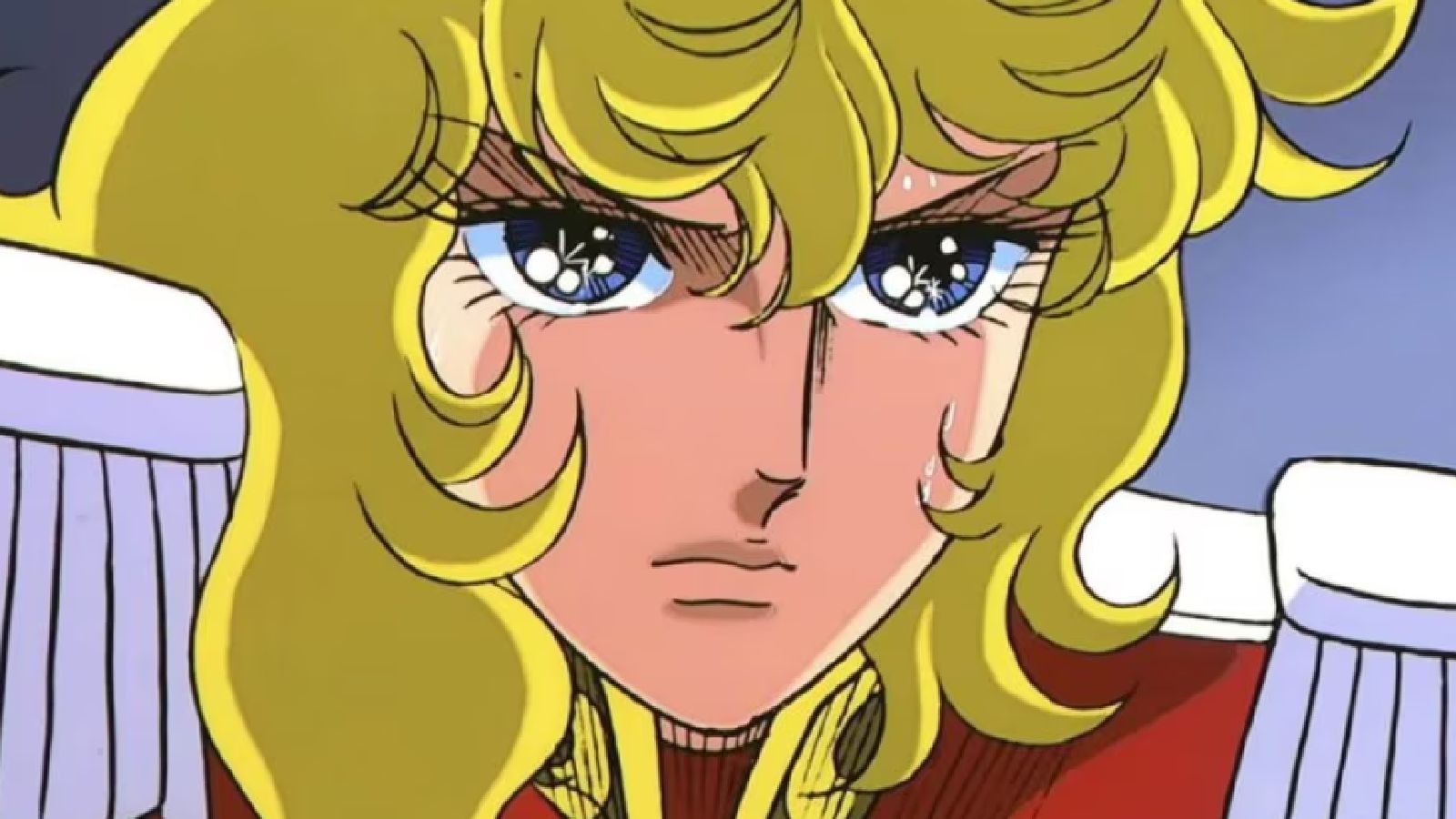
The Rose of Versailles Is Foundational Shojo Storytelling That Remixes History
MAPPA’s 2025 film, The Rose of Versailles, was a major and visually stunning release. This full anime musical tells the story of four people in 18th-century France, including Marie Antoinette. While the film was popular, many viewers didn’t realize it was a remake of a classic anime from the 1970s with the same name. In fact, the 2025 version has largely become the definitive adaptation, overshadowing the original despite their differences.
With 40 episodes, The Rose of Versailles successfully blends historical drama with the emotional storytelling of shojo romance. While the French Revolution might not immediately suggest a romantic backdrop, this anime manages to create both a compelling love story and a mature narrative. It’s known for its complex relationships and heartfelt character development, but also subtly educates viewers about 18th-century history within its romanticized setting.
3000 Leagues In Search Of Mother Depicts A Grueling Journey To Reunite A Family
World Masterpiece Theater was a well-known anime series that featured a new adaptation of a classic children’s book each year. One of its most beloved projects was 3000 Leagues in Search of Mother, which was based on Edmondo De Amicis’ novel Heart, but with a much more developed storyline.
Directed by Isao Takahata with supervision from Hayao Miyazaki before they founded Studio Ghibli, 3000 Leagues in Search of Mother is a surprisingly touching story about a young boy’s long journey from Italy to Argentina to find his mother. Marco’s adventure is challenging, and the film honestly portrays the difficulties he faces.
Marco’s incredible perseverance is truly moving, and the anime culminates in a genuinely heartwarming and satisfying ending. Despite this, 3000 Leagues in Search of Mother remains somewhat overlooked, even among Isao Takahata’s devoted fans. While it did appear on TV Asahi’s 2005 list of the Top 100 Anime (though near the bottom), it hasn’t gained much recognition outside of Japan.
Candy Candy Is A Coming-Of-Age Masterpiece That’s Ripe With Romance
Candy Candy is a classic romance anime from the 1970s, consisting of 115 episodes and two movies. It’s highly praised for its realistic and thoughtful portrayal of Candy’s challenging and ever-changing life.
Candy starts as a happy orphan who is lucky enough to be adopted by a wealthy family. She goes on to attend boarding school and bravely serves as a nurse during World War I. Throughout the story, Candy experiences the joys and awkwardness of first love with several different boys.
I’m a huge fan of Candy Candy, and I really think it deserves more attention! It feels a lot like classic anime such as Heidi, but for some reason, it hasn’t become as well-known. Maybe it’s because the story takes some unexpectedly sad turns. It’s a little frustrating that today, Candy Candy is mostly remembered as the inspiration for Roll, Mega Man’s sister – it’s so much more than that, and it really deserves to be appreciated for its own merits!
Found an error? Send it so it can be corrected.
Read More
- Gold Rate Forecast
- Top 5 Best New Mobile Games to play in May 2026
- FC Mobile 26 TOTS (Team of the Season) event Guide and Tips
- eFootball 2026 Starter Set Show Time Gabriel Martinelli pack: Review, Best Progression Builds, and Skills
- Supercell’s “neo mo.co” update set for the Summer of 2026 and this might save the game
- Zenless Zone Zero version 2.8 ‘New: Eridan Sunset’ update will release on May 6, 2026
- Clash Royale Season 83 May 2026 Update and Balance Changes
- The Boys: Every Marvel & DC Character Parodied In Amazon’s Series
- Clash of Clans May 2026: List of Weekly Events, Challenges, and Rewards
- These Cartoon Reboots Totally Missed the Point of the Originals (& Went Downhill Fast)
2026-04-17 19:52