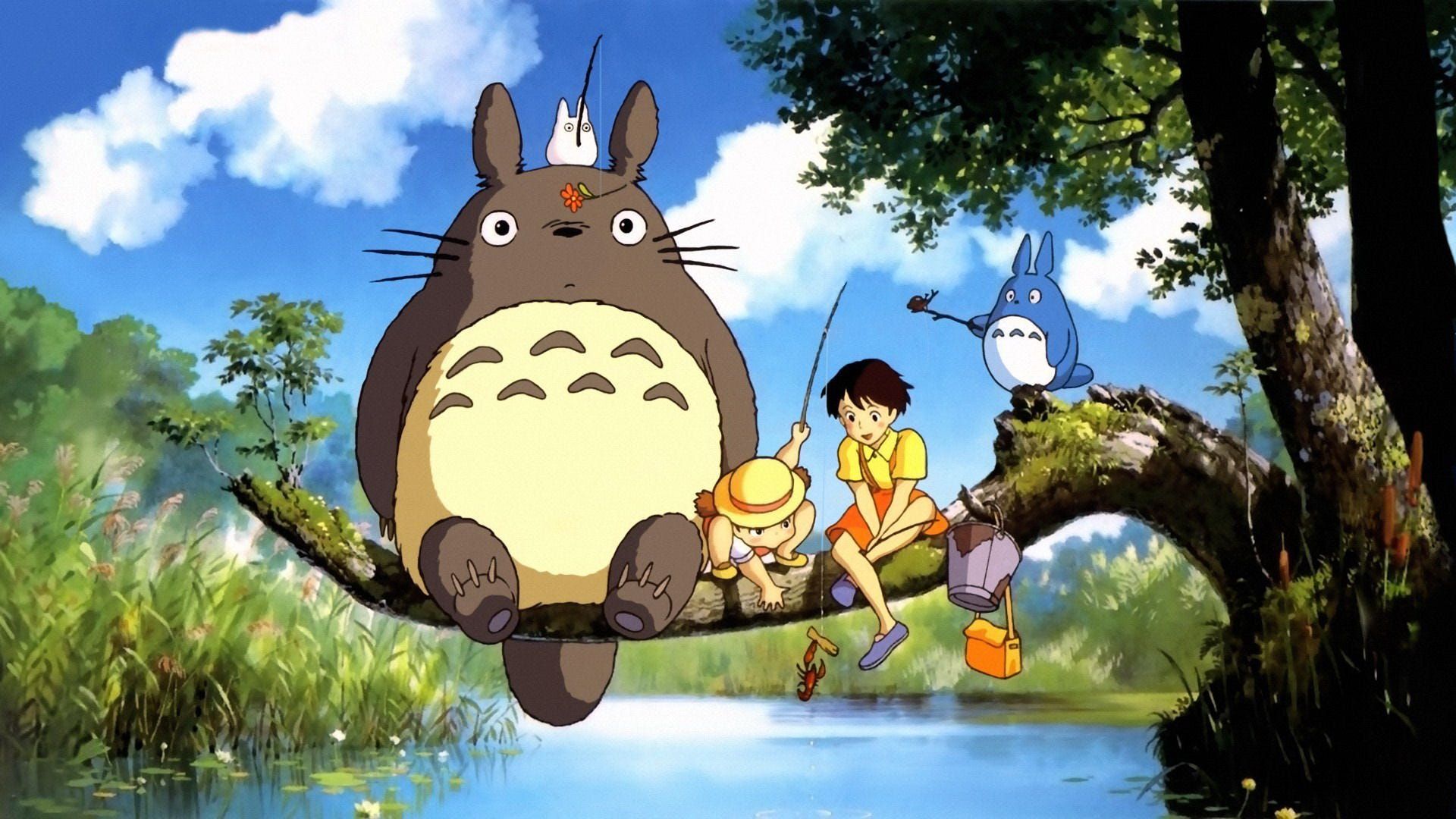
While many anime series are released annually, fewer anime movies come out each year. However, these films often achieve significant critical and popular success. Hayao Miyazaki is a highly acclaimed director in the anime world, known for directing beloved and important films such as Spirited Away, Grave of the Fireflies, Princess Mononoke, and My Neighbor Totoro.
I’m a huge fan of Studio Ghibli – those films are just magical, often telling stories about growing up and how we connect with the natural world. But while they’re famous for fantasy, Ghibli also makes some really thoughtful movies for adults. Honestly, they’ve built up so much trust with viewers that they almost are a genre all their own! Still, as much as I love them, I think anime fans are missing out if they only focus on Ghibli. There’s a whole world of incredible, moving anime out there from other studios that deserves a look, too!
Evangelion: Thrice Upon A Time Provides A Cathartic Conclusion To Decades Of Despair
Neon Genesis Evangelion is a hugely influential anime series. It redefined the ‘mecha’ genre in the 1990s and is now considered a landmark achievement in animation. A major reason for its lasting popularity is its…
The End of Evangelion was a truly unique, rebellious, and intense film. It cleverly acknowledged and played with the Evangelion series itself, and its fanbase, even surpassing the more experimental films from Studio Ghibli. But Evangelion: 3.0+1.0 Thrice Upon a Time, the concluding film in Hideaki Anno’s Rebuild of Evangelion series, ultimately outshines it, becoming the definitive statement of the entire franchise.
It had been almost ten years since the last Rebuild of Evangelion film, and fans were eager for Thrice Upon a Time. The result is a beautiful tribute to over twenty years of storytelling, and surprisingly, it offers a happy ending. After a long time focusing on bleakness and hopelessness, this film delivers a strong message about moving forward and finding a better future. This deeply moving conclusion feels earned and provides the only fitting end for this iconic series, which creator Hideaki Anno clearly had a hard time finishing.
Even with its complex visuals and characters, Thrice Upon a Time ultimately delivers a hopeful and satisfying conclusion. The characters of Evangelion have finally found peace, and the film fully embraces that happiness. It features some of the most stunning animation in the entire Neon Genesis Evangelion series, making it a powerful and worthwhile ending to the saga.
Your Name Is The Ultimate Rom-Com Tearjerker Triumph
Director Makoto Shinkai and his studio, CoMix Wave, are increasingly being compared to the legendary Studio Ghibli. They consistently create beautiful and emotionally resonant films that examine what it means to be human and our relationship with the natural world. Films like Your Name, Weathering With You, and Suzume are all exceptional and could easily be anyone’s favorite, with Your Name being particularly impactful.
This movie performs a kind of magic trick – it takes the familiar idea of a body swap and transforms it into an unforgettable love story. What makes Your Name so powerful is that it starts with a simple concept and gradually builds into something much more complex and emotionally resonant. The story begins with Taki, a boy living in Tokyo, and Mitsuha, a girl from a quiet countryside town, unexpectedly and repeatedly swapping bodies, allowing each to experience life from the other’s perspective.
The way Taki and Mitsuha learn about each other – by temporarily living each other’s lives without actually meeting – is truly lovely. This creates a unique challenge keeping them separated, especially when a sudden disaster adds intense pressure. While Studio Ghibli is known for moving love stories, the connection between Taki and Mitsuha feels especially strong and impactful.
Your Name shines because of its realistic, everyday scenes, thoughtful look at people, and funny, lighthearted moments that balance out the more serious parts. The film is flawless from beginning to end, and it’s clear why efforts to create an American live-action version haven’t worked – it’s impossible to improve on perfection.
A Silent Voice Is A Poignant Look Into Shame, Forgiveness & Self-Acceptance
Naoko Yamada is an anime director known for creating heartfelt and visually stunning stories. Her films, including Liz and the Blue Bird, Tamako Love Story, and her recent work The Colors Within, often focus on the power of connection and understanding. A prime example of this is her 2016 film, A Silent Voice, which beautifully portrays the complex relationship between a former bully, Shoya, and a deaf student, Shoko, as they both grow and change.
The film A Silent Voice opens with a difficult portrayal of Shoya bullying Shoko due to her disability. Later, they meet again, but Shoya is now consumed by regret and sadness over his past actions. The movie then beautifully explores themes of making amends and finding forgiveness. It’s a powerful and honest story that is especially impactful for anyone who has been affected by bullying.
Much of the story of A Silent Voice centers on Shoya’s guilt and his attempts to reconcile with Shoko. However, it’s crucial to remember that Shoko isn’t simply a victim needing rescue. She doesn’t even seek Shoya’s apology. Instead, she’s a remarkably resilient character who gains strength from the challenges she faces daily, ultimately becoming an inspiring person.
I was completely blown away by how Yamada handled the themes in A Silent Voice. The animation isn’t just beautiful, it’s incredibly creative and really draws your eye to the small, often overlooked moments. And it’s not a simple story of redemption either – Shoya doesn’t magically become a better person. Instead, it beautifully shows that growing, learning from your mistakes, and truly accepting yourself and others is a journey that can last a lifetime.
Perfect Blue Is A Perfect Psychological Thriller That’s Still Getting Under The Audience’s Skin
Satoshi Kon was a remarkably talented filmmaker whose untimely death was a great loss. We can only imagine what other incredible animated films he might have made. He’s best known for works like Paprika and the Paranoia Agent series, but Kon truly excelled at creating deeply human and realistic characters, as seen in films like Tokyo Godfathers and Millennium Actress. Every one of his films is a masterpiece and stands up alongside the best work from Studio Ghibli.
Often considered Satoshi Kon’s masterpiece and his directorial debut, Perfect Blue tells the story of Mima, a former pop star trying to become an actress. As she navigates this new career, she’s haunted by a dangerous and obsessive fan who refuses to accept her change. The film uses dreamlike imagery and unsettling scenes to immerse the audience in Mima’s increasingly fragile and confused mental state.
Released in 1997, Perfect Blue offers surprisingly modern insights into the dangers of obsessive fandom and one-sided relationships with celebrities. The film is a gripping thriller that avoids unnecessary explanations and trusts its viewers. Its impact is clear in Western films like Darren Aronofsky’s Black Swan, and it remains a benchmark for anime horror and thrillers, consistently setting a standard few have managed to surpass.
2026-05-30 04:13