Romance in anime is more than just dramatic confessions or complicated love triangles. The genre’s most memorable characters actually redefined how anime portrays deep emotions, personal goals, and showing vulnerability.
Certain characters in these stories challenged the notion that being in love should fix them, and instead focused on building relationships based on genuine feelings and self-respect, rather than unrealistic expectations. Because of this, these characters continued to influence romance stories long after their own series ended, with later anime often taking inspiration from their approach.
Kyoko Mogami Turned Revenge Into a Path Towards Self-Worth
When Sho abruptly ended their relationship, Kyoko didn’t fall apart with sadness. Instead, she became furious and determined to get even. Most people who experience heartbreak feel sad, hope for someone to save them, or try to move on with a new partner. But Kyoko, in Skip Beat!, channeled her feelings into discovering her own value and building her self-worth.
Kyoko initially wants revenge, but she eventually shifts her focus to building a new identity, separate from her painful past. Unlike many stories where a character’s worth increases through love, Kyoko actually grows stronger and more captivating by choosing to pursue romance at her own pace. While Ren Tsuruga re-enters her life as a potential partner, Kyoko struggles with her feelings, realizing that love changes her in ways she doesn’t like.
Nana Osaki Refused to Let Romance Replace Ambition
You know, watching Nana, I always felt her heartbreak stemmed from how she chased her dreams. It’s like her ambition demanded a certain lifestyle – constant movement and risk – and that just wasn’t compatible with the kind of steady, supportive relationship she deserved. But what’s amazing is she never stops loving! It’s this intense, protective love, and that’s what really shines through. Honestly, the bonds she has with her bandmates and Hachi feel so much more real and fulfilling than a lot of the typical anime romances. It’s a different kind of love, one built on loyalty and shared experience, and it’s incredibly powerful.
The connection between Nana and Hachi goes beyond a simple love story. Their deep understanding of each other, along with the happiness and struggles they share, feels stronger than any romance in the series. Because of this, Nana showed that a woman’s most meaningful relationship doesn’t have to be romantic, and that prioritizing one’s passion over love isn’t necessarily a sad outcome.
Usagi Tsukino Made Emotional Vulnerability Feel Powerful
Most heroes gain strength through extraordinary abilities, but Usagi Tsukino becomes powerful simply by being herself – flaws and all. She’s known for crying, struggling in school, having a big appetite, and often panicking during battles. Yet, she always finds the courage to fight, even at the very last second.
I absolutely love how Sailor Moon shows us that being in touch with your feelings isn’t a bad thing at all! It’s actually what gives Usagi her incredible strength and allows her to connect with everyone, even the people she’s fighting against. And her relationship with Mamoru is just goals – he doesn’t try to fix her or tell her she needs to be different. He loves her exactly as she is, and that really highlights what a perfect partner should be: someone who embraces all of you, flaws and everything!
Sawako Kuronuma Made Receiving Love the Hardest and Most Important Part of Romance
Sawako has trouble with love because people always misunderstood her throughout school. This didn’t cause huge problems, but it subtly damaged her ability to recognize genuine affection. After years of being left out, she’d lost the ability to correctly interpret kindness, and often mistook Kazehaya’s warmth for pity.
Rather than focusing on whether the characters become a couple, Kimi ni Todoke explores whether Sawako can learn to believe she is worthy of love. When Kazehaya confesses his feelings in episode twenty-three, she responds by thanking him for treating her like everyone else and apologizing for assuming he only saw her as a friend. The truly impactful moment isn’t the romance itself, but when she finally allows herself to accept Kazehaya’s feelings and believe she deserves to be loved, as shown in episode twenty-five.
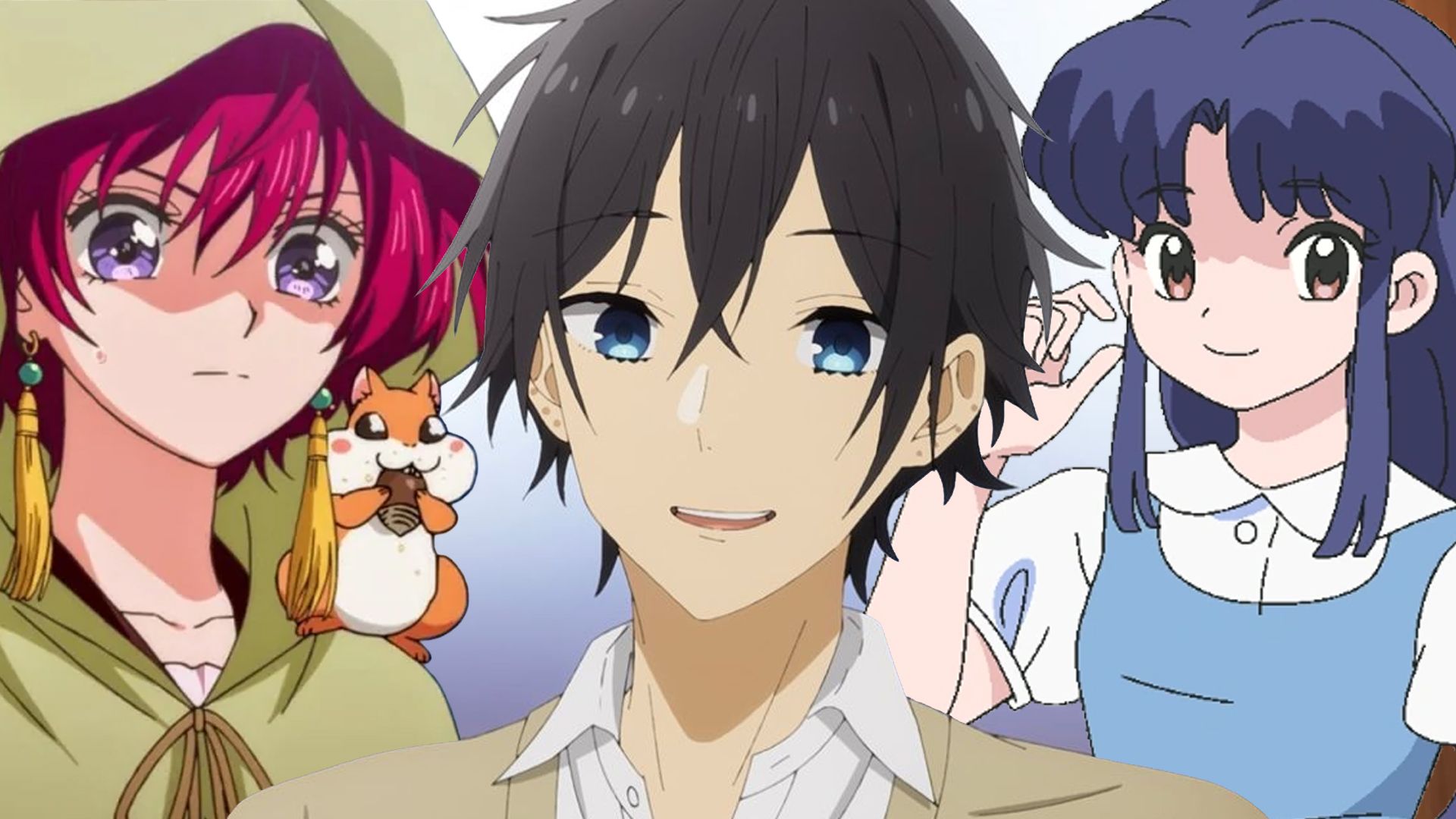
Yona Rebuilt the Shojo Heroine Into a Political Leader
What made Yona of the Dawn unique for romance stories was how it flipped the usual order: instead of a romance healing a past wound, it started with the wound. The story then explores what happens to a woman when she stops building her life around another person. When Soo-won betrays Yona in the very first episode, it doesn’t just steal her future—it shatters the way she sees herself and her place in the world.
The show doesn’t simply dismiss Yona’s feelings for Soo-won; it redefines them. Yona continues to love him, but she stops making him the center of her life and refuses to turn that love into either anger or a desire to fix things. Even after the coup, when they meet again, she doesn’t try to fight or forgive him – instead, she carries the love she once felt alongside the pain it caused, acknowledging how it shaped her into a stronger person.
Izumi Miyamura Proved Masculinity in Romance Could Be Gentle
Unlike many romantic stories with distant, emotionally closed-off male characters, Miyamura actively seeks closeness with Hori. He readily accepts and understands her life at home, where she largely takes care of her younger brother due to her parents’ demanding jobs, without ever asking her to explain or defend her situation.
Izumi Miyamura appears intimidating with his tattoos and piercings, but he’s not the typical brooding, mysterious type. He’s actually quite insecure and has a history of keeping to himself. What makes him so appealing in Horimiya is that he genuinely tries to be helpful and is very considerate towards Hori.
Akane Tendo Complicates the Tsundere Archetype With Actual Reasons
Akane is often considered one of the earliest examples of the “tsundere” character archetype in anime, and she paved the way for characters like Asuka Langley from Neon Genesis Evangelion and Naru Narusegawa from Love Hina. Due to Kuno’s rule that any boy who beats her in a fight can date her, Akane arrives at school early each day to fend off large groups of boys, turning her love life into a competitive challenge.
The romance in Ranma ½ is notable for the realistic way it portrays the complicated relationship between Akane and Ranma. Their push-and-pull isn’t a game; it stems from Akane repeatedly feeling like her emotions don’t matter. This leads her to view all men as potential sources of the same hurt. Her anger is understandable and rooted in genuine self-protection, rather than being a coy tactic to attract attention – she’s guarding something truly important to her.
Maya Kitajima Treats Artistic Passion Like a Love Story
Maya isn’t focused on a romantic interest like heroines in similar stories. Her life revolves around the character of the Crimson Goddess, and she completely immerses herself in the role. The story, Glass Mask, portrays this not as a fantasy, but as Maya’s truest self.
Maya’s competitive relationship with Ayumi feels more intense than any romantic feelings, as both are fiercely dedicated to their art and would prioritize it over love. When Maya nears a breakthrough in her performance as the Crimson Goddess, the passion she experiences surpasses anything romantic, highlighting her deep artistic commitment – a feeling usually associated with love.
Usui Proved He Loves Misaki for Her Hardwork
What makes Maid-Sama! unique is what attracts Usui to Misaki. He learns about her job at the cafe right away and starts visiting, observing how she balances her different roles. Ultimately, he’s drawn to the whole of her – the person who skillfully manages both her public and private lives.
What makes Maid-Sama! stand out is how it portrays attraction not as something hindered by a woman’s strength, but fueled by it. Usui is drawn to Misaki’s competence and enjoys seeing her take charge. He doesn’t feel sorry for her when he discovers she works multiple jobs to help her family; instead, he admires her capability, presenting a refreshing take on romance where respect for strength is prioritized over the need for vulnerability.
Tsukushi Makino Made Class Conflict Central to the Storyline
Many stories use wealth as a setting, but Hana Yori Dango makes it the central conflict. Tsukushi realizes that getting involved with Tsukasa means accepting his world’s values, something she’s unwilling to do. She hesitates to pursue a relationship with him because of their vastly different backgrounds, knowing that being with him would prevent her from having the peaceful, simple life she desires.
The most impactful scene in the series happens when Tsukasa’s mother attempts to bribe Tsukushi’s family with money, but Tsukushi’s mother refuses, even though accepting the offer would mean financial security. Later, when Tsukushi ultimately chooses Tsukasa, the show presents it as her realizing that happiness doesn’t always look the way you expect, rather than being motivated by wealth.
Read More
- Total Football free codes and how to redeem them (March 2026)
- Last Furry: Survival redeem codes and how to use them (April 2026)
- Pixel Brave: Idle RPG redeem codes and how to use them (May 2026)
- Clash of Clans May 2026: List of Weekly Events, Challenges, and Rewards
- Top 5 Best New Mobile Games to play in May 2026
- Light and Night brings its beloved otome romance experience to SEA region with a closed beta test starting May 20, 2026
- Gear Defenders redeem codes and how to use them (April 2026)
- Skip Bayless and Stephen A. Smith to reunite on ESPN’s ‘First Take’ for one day only
- FC Mobile 26 TOTS (Team of the Season) event Guide and Tips
- Winnita Casino Guida per vincere in grande nel gioco d’azzardo online
2026-05-15 19:47