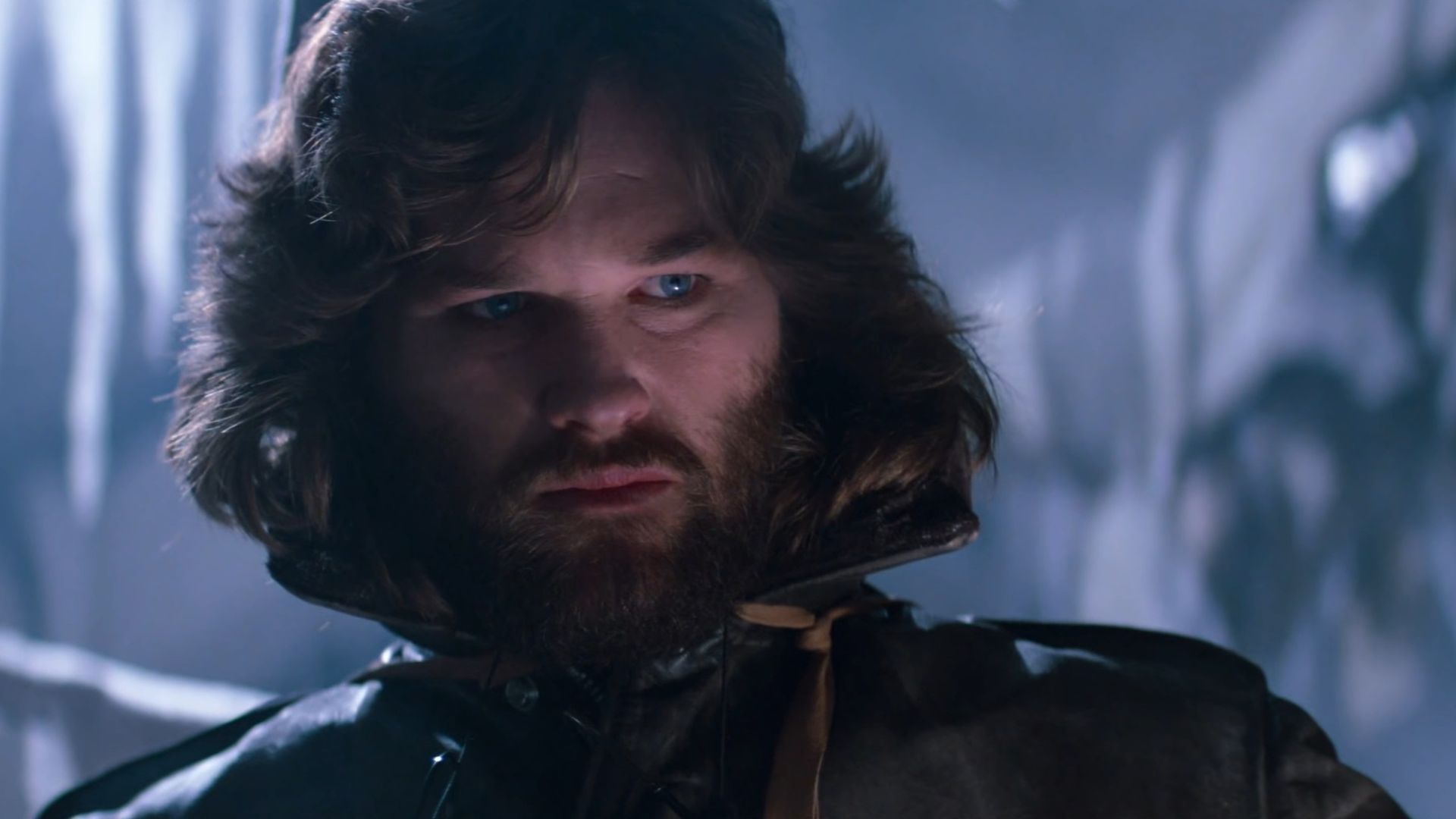
Many now-famous and well-loved horror movies weren’t successful when they were first released in theaters. One reason for this is that horror films often make viewers question whether they can even tolerate the scary content.
Many films have struggled because they came out alongside similar movies, preventing them from succeeding in theaters. But horror movies often have a different story – a film’s lasting impact isn’t always tied to how well it performs at the box office.
Before streaming, people discovered many horror movies by browsing the shelves of video rental stores – often more than they saw in theaters. Now, streaming services like Netflix have taken over that role, making it more likely someone will watch a horror movie at home through their subscription than by going to a movie theater without knowing much about it.
Because of how people now discover movies – even long after they initially fail in theaters – some truly great films have found an audience and become fan favorites. Some of these movies took over ten years to gain a following, while others simply needed to move from cinemas to home viewing on TV to find their audience.
Event Horizon (1997)
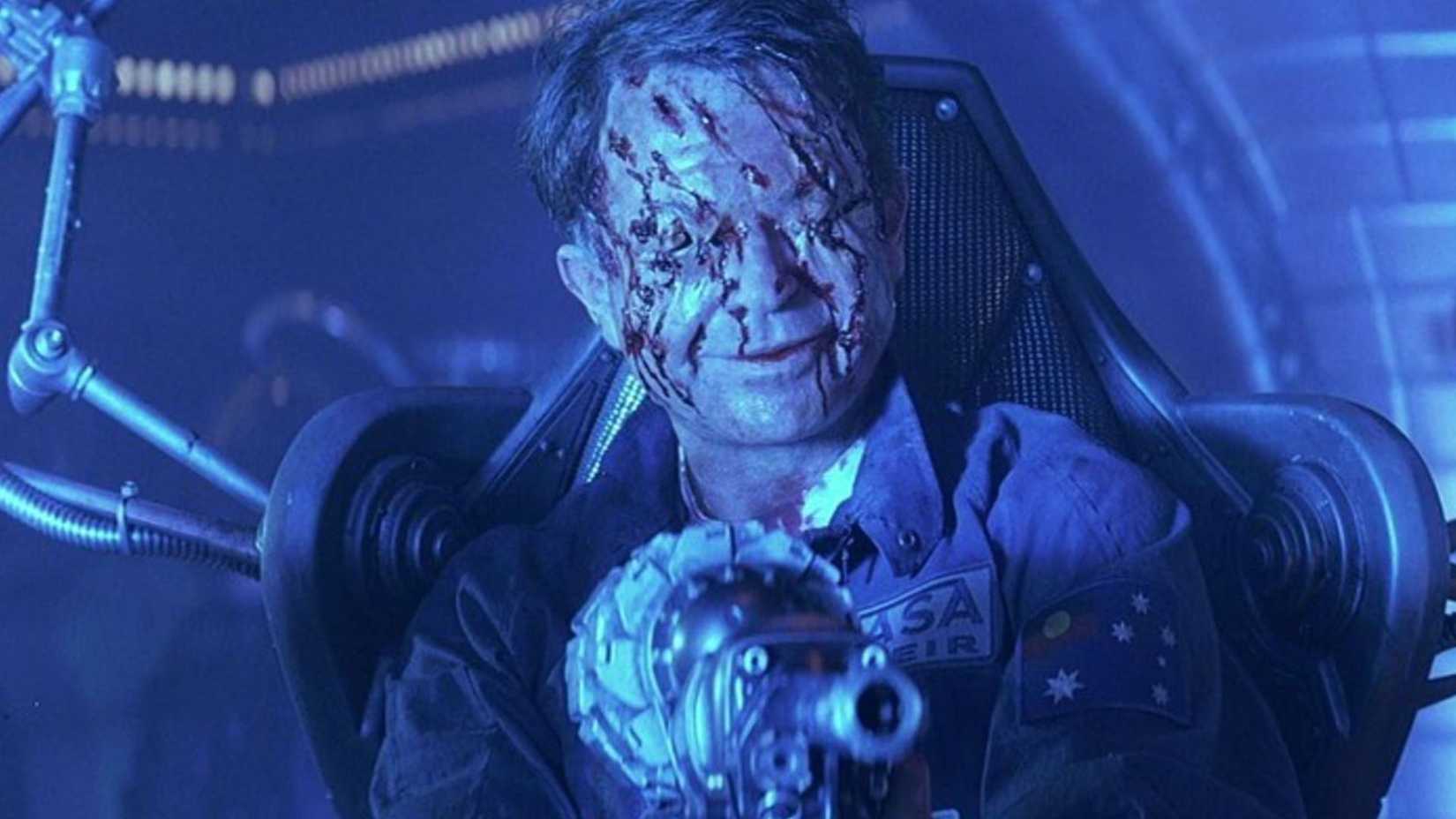
Before Paul W.S. Anderson became known for adapting video games into movies, he created the frightening horror film Event Horizon. Despite a $60 million production budget, the movie earned only $42.1 million worldwide, making it a financial disappointment.
Honestly, I think a huge reason why the movie flopped was the awful reviews. Critics were really down on it, calling it a confusing mess and saying it didn’t bring anything new to the table. But from what I understand, a lot of that confusion wasn’t the director’s fault! Paramount seriously butchered it in editing, cutting out about half an hour of footage – and apparently, that missing footage contained some of the best horror elements. It’s a shame, because it sounds like the studio really ruined their own film.
Despite initially receiving mixed reactions, Event Horizon has gained a dedicated following over the years thanks to home video and television. Sam Neill’s chilling portrayal of a scientist overtaken by a demonic force is particularly memorable and stands out in the horror genre. Many modern horror filmmakers cite it as an inspiration, and fans continue to believe it’s a deeply underrated film.
Tremors (1990)
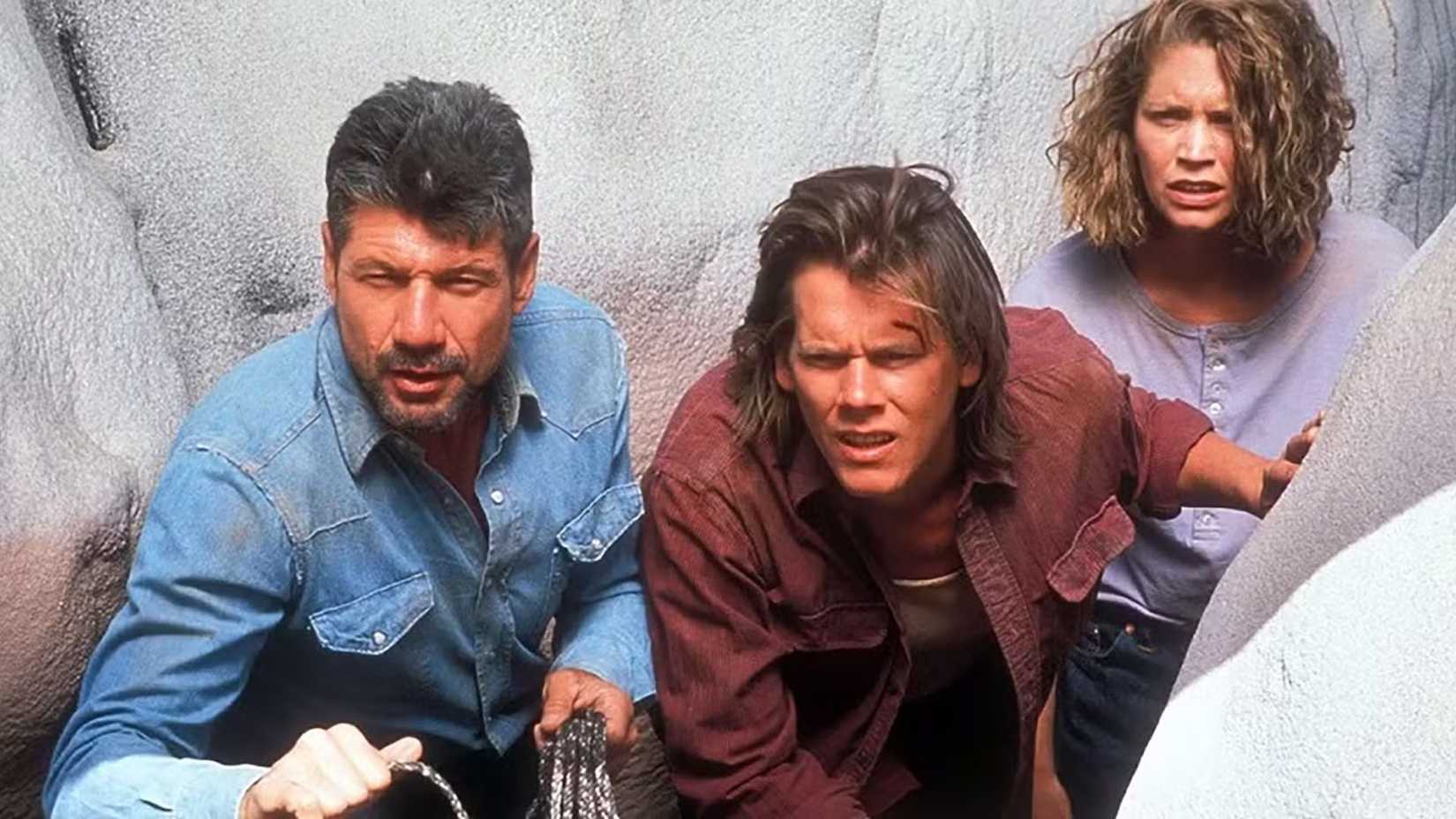
Despite a modest $16.7 million box office return on an $11 million budget, the horror film Tremors initially seemed like it wouldn’t get a sequel. However, it found a large audience when released on home video and became a huge success through video rentals.
Kevin Bacon and Fred Ward had fantastic chemistry as the leads, and their witty back-and-forth really made this horror-comedy work – it captured a moment when scary movies were starting to embrace humor. The film also marked Reba McEntire’s big screen debut and her performance was key to the movie’s excellent conclusion.
Despite a disappointing initial run in theaters, Tremors became a huge hit on VHS in 1990. It’s remained a beloved cult classic ever since, and it even launched a whole franchise, including seven sequels and a television series.
Army of Darkness (1992)
The original Evil Dead gained popularity early on thanks to a recommendation from Stephen King and strong word-of-mouth, even as horror fans fought against censorship during the ‘Video Nasties’ period. Made with a tiny budget and a crew of college friends, it launched a sequel/remake that many consider a horror classic.
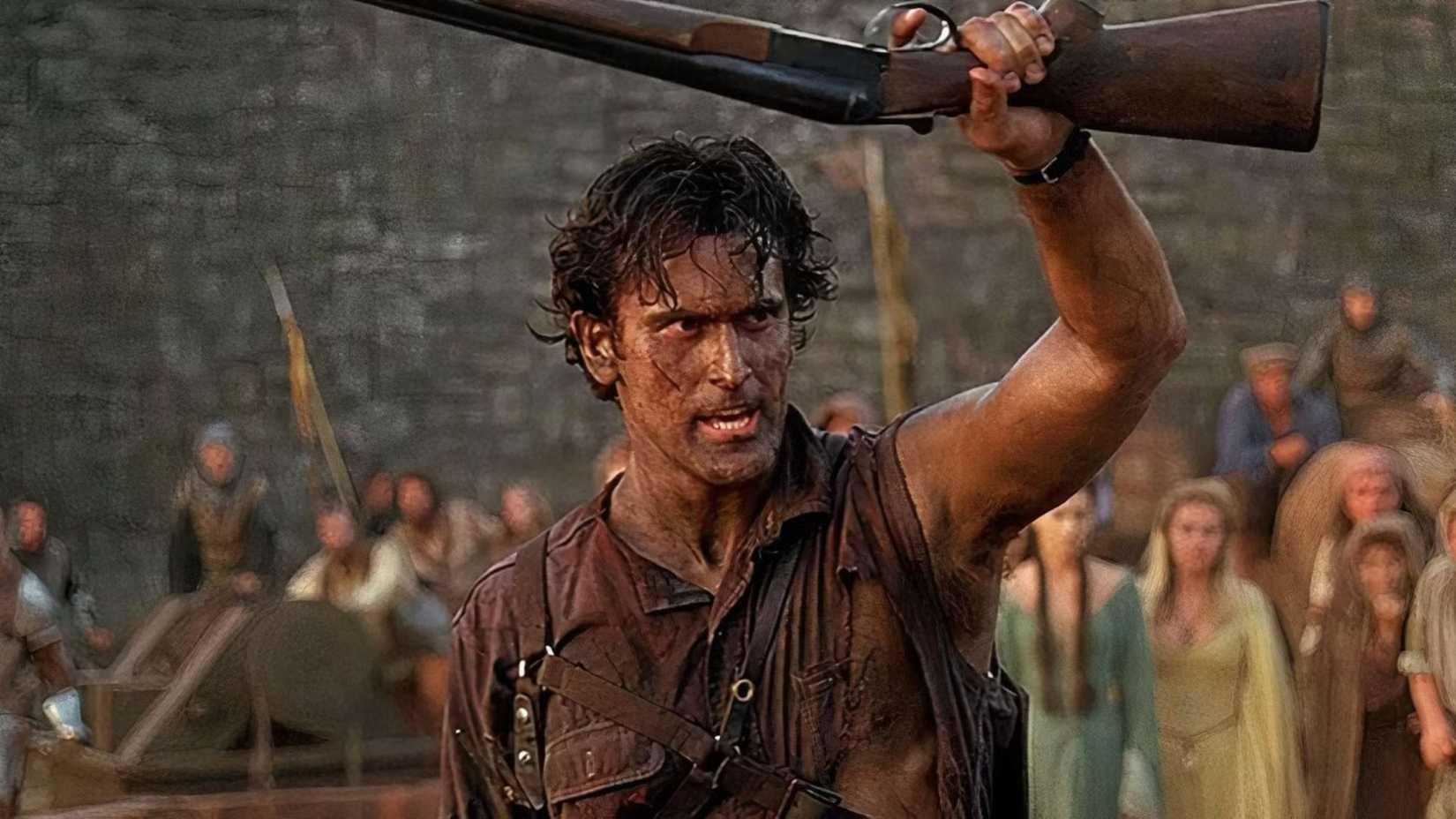
Even though the first two films did well, the third movie, Army of Darkness, didn’t perform as expected. It shifted the series from traditional horror to a sci-fi horror comedy and, despite earning $21.5 million on an $11 million budget, it was considered a big letdown for the franchise.
Even so, Bruce Campbell became a star in horror-comedies, and his witty lines are still famous. His catchphrase, “This is my boomstick,” is instantly recognizable and helped launch a TV show, two additional movies, plus video games and comics. Army of Darkness is a true cult favorite.
Grindhouse (2007)
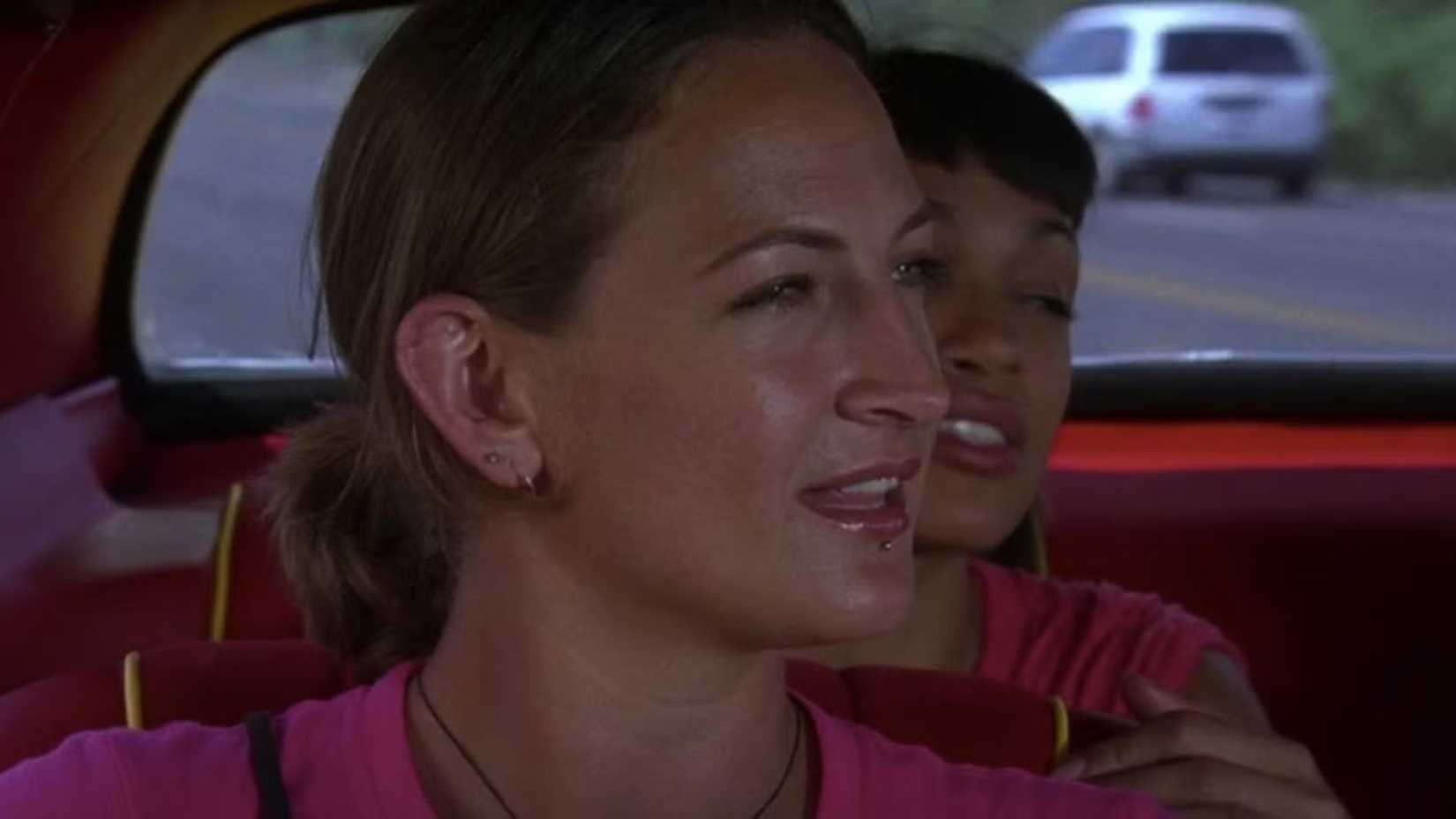
In 2007, Quentin Tarantino and Robert Rodriguez collaborated on a film paying tribute to the gritty, low-budget exploitation movies of the past. Unfortunately, it didn’t do well in theaters because its appeal was limited to fans of the directors and those who already enjoyed those older, often cheesy films.
The film Grindhouse included two feature-length movies – Death Proof directed by Quentin Tarantino and Planet Terror by Robert Rodriguez – along with a collection of faux trailers created by directors such as Edgar Wright and Eli Roth. Despite a $53 million production budget, it only earned $25 million in the United States, making it a box office disappointment.
Even so, the film has gained a dedicated fanbase who appreciate the love and nostalgia Tarantino and Rodriguez put into recreating the feel of classic, low-budget movies. The fake trailers shown with the film—like Machete, Hobo With a Shotgun, and Thanksgiving—became popular enough to be developed into full-length movies themselves.
Dead Alive (1992)
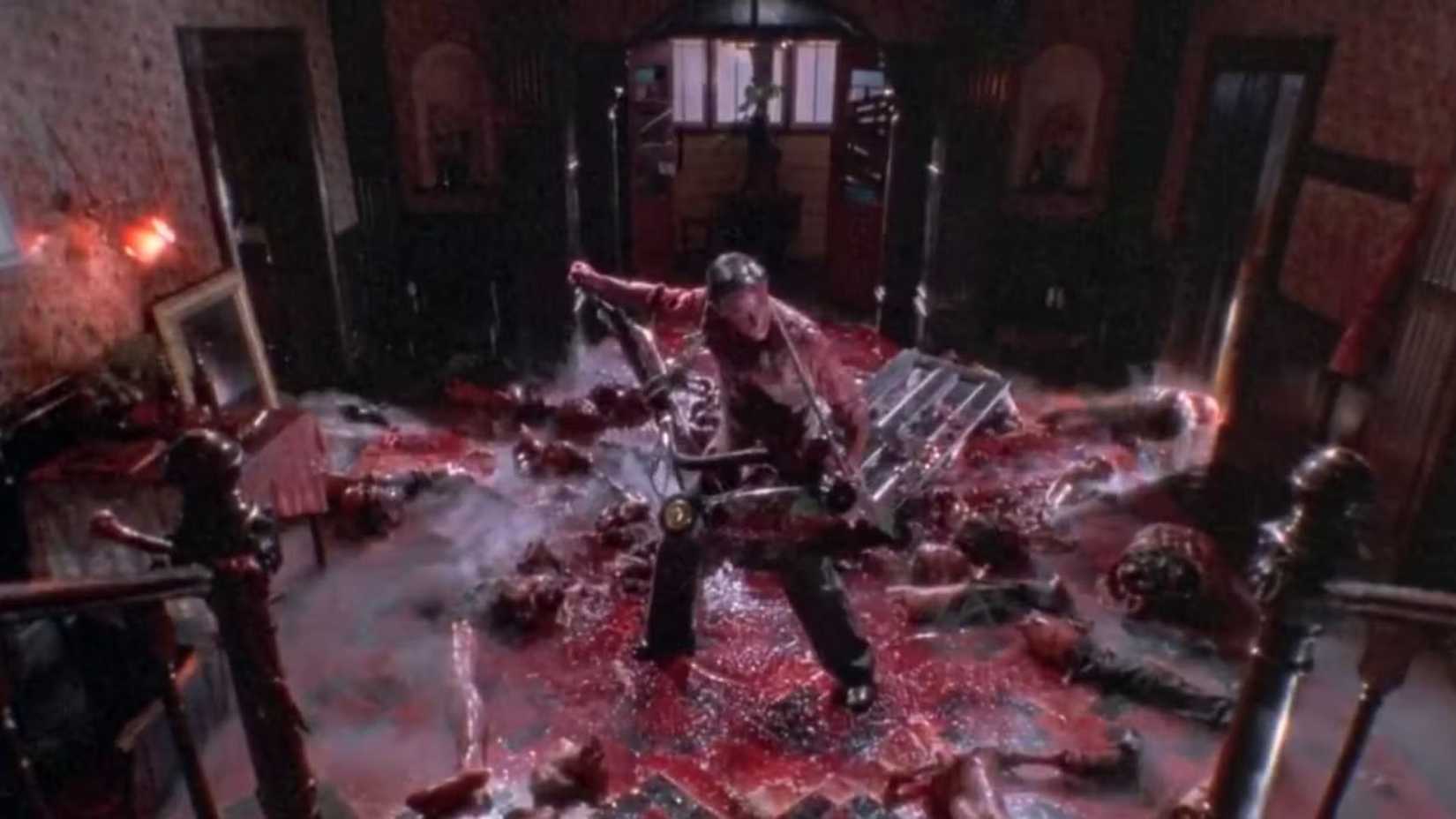
Before he became famous for directing the Lord of the Rings films, Peter Jackson made a wildly over-the-top horror-comedy called Dead Alive, also known as Braindead. It’s famous for being one of the goriest movies ever created. Though popular in New Zealand, when released internationally, it was often criticized as immature and simply shocking for the sake of it.
This movie tells the story of a mother and son facing a terrifying situation: after being bitten by a rabid monkey, the mother slowly turns into a zombie. As the infection spreads, her son desperately tries to find a cure. The film is famous for its darkly comedic final scene, featuring a lawnmower taking on an infected monster – it’s a truly disturbing yet funny moment.
Peter Jackson considers Dead Alive a personal highlight of his filmography. Directors like Sam Raimi and Edgar Wright have noted its significant influence on the splatter horror genre since its release. The film’s gleeful embrace of gore has earned it a devoted following among horror fans.
Slither (2006)
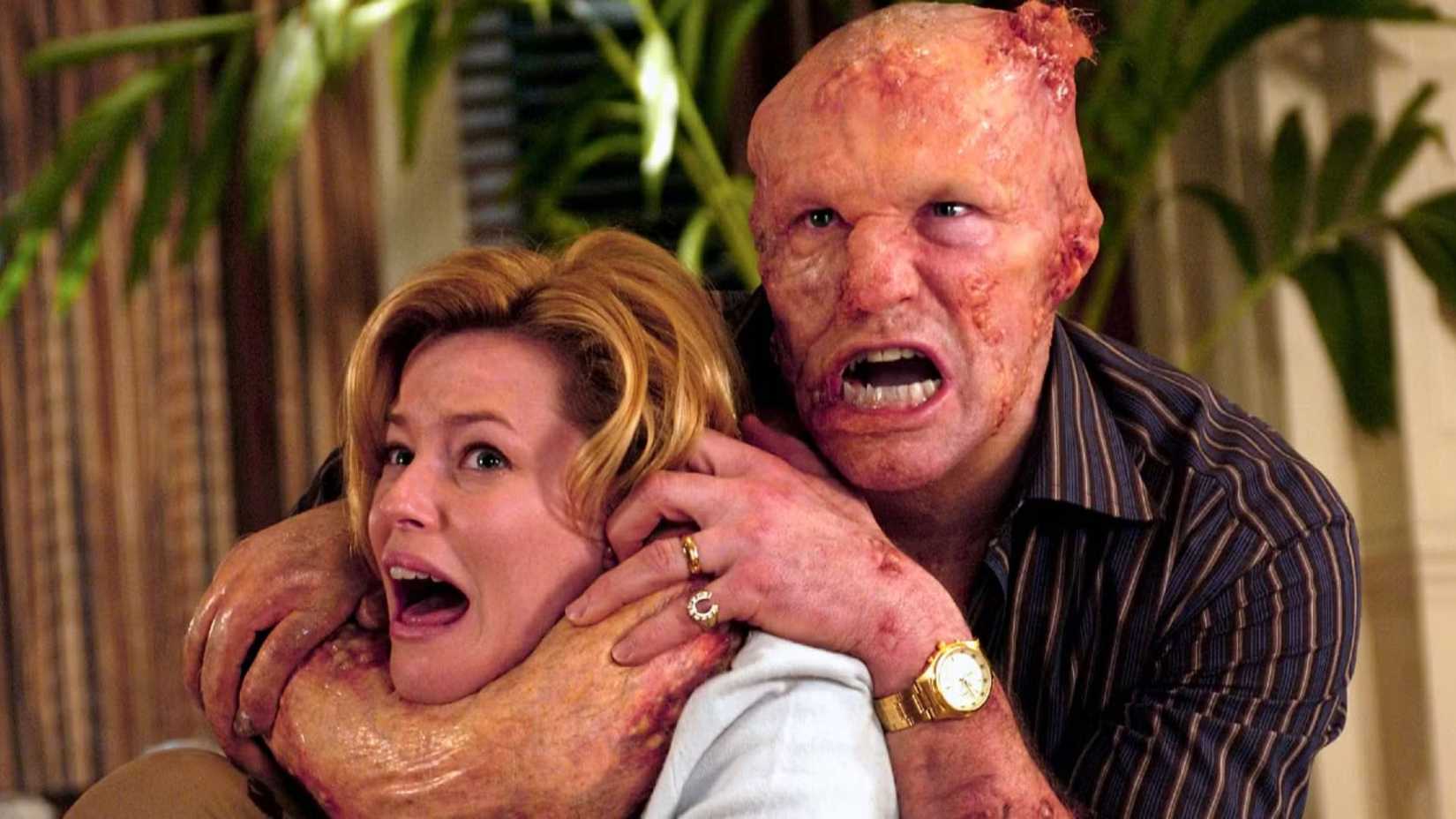
It’s surprising to learn that James Gunn, now in charge of the DC Universe and deciding which DC movies Warner Bros. will make, began his directing career with the horror film Slither. Despite his current success, his first movie was a box office disappointment, costing $15 million to produce but only earning $7.8 million.
The movie featured a fantastic cast, led by Nathan Fillion and Elizabeth Banks, with Michael Rooker playing the villain – he later collaborated with the director on Guardians of the Galaxy within the Marvel Cinematic Universe. Director James Gunn, known for his early work with Troma, infused the film with a darkly humorous and over-the-top style, quickly earning it a dedicated cult following.
Though it didn’t do well in cinemas, Slither became incredibly popular on DVD and late-night cable, gradually gaining a dedicated following. With James Gunn now a major Hollywood director, the film is being rediscovered, and rightfully so – it’s finally getting the recognition it deserves.
Ginger Snaps (2000)
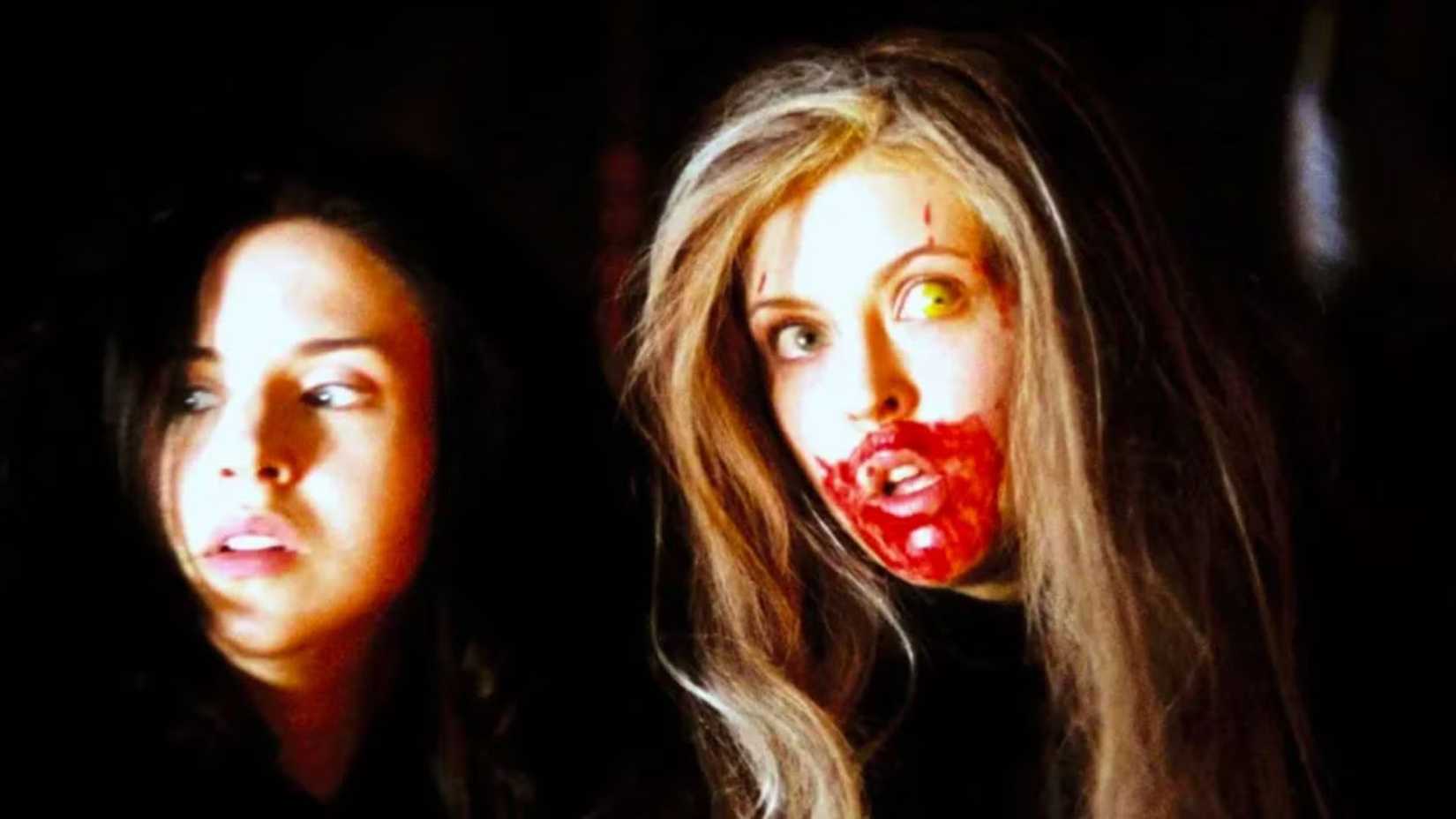
Ginger Snaps is a standout werewolf film, comparable to classics like An American Werewolf in London and Dog Soldiers. Despite its quality, it wasn’t a success when it first came out in theaters. The movie only earned $572,000, which was far short of its $4.5 million production cost.
What really makes this movie stand out is its story, which cleverly connects the experience of becoming a werewolf with the challenges of growing up as a young woman. Katharine Isabelle gives a brilliant performance as Ginger, the girl who transforms, and Emily Perkins is equally compelling as her fiercely protective sister, Brigitte.
Although the movie wasn’t initially successful in theaters, it gained a following after people discovered it on video and requested sequels. This Canadian film has since become popular internationally and is still loved by many for its thought-provoking ideas.
Trick ‘r Treat (2007)
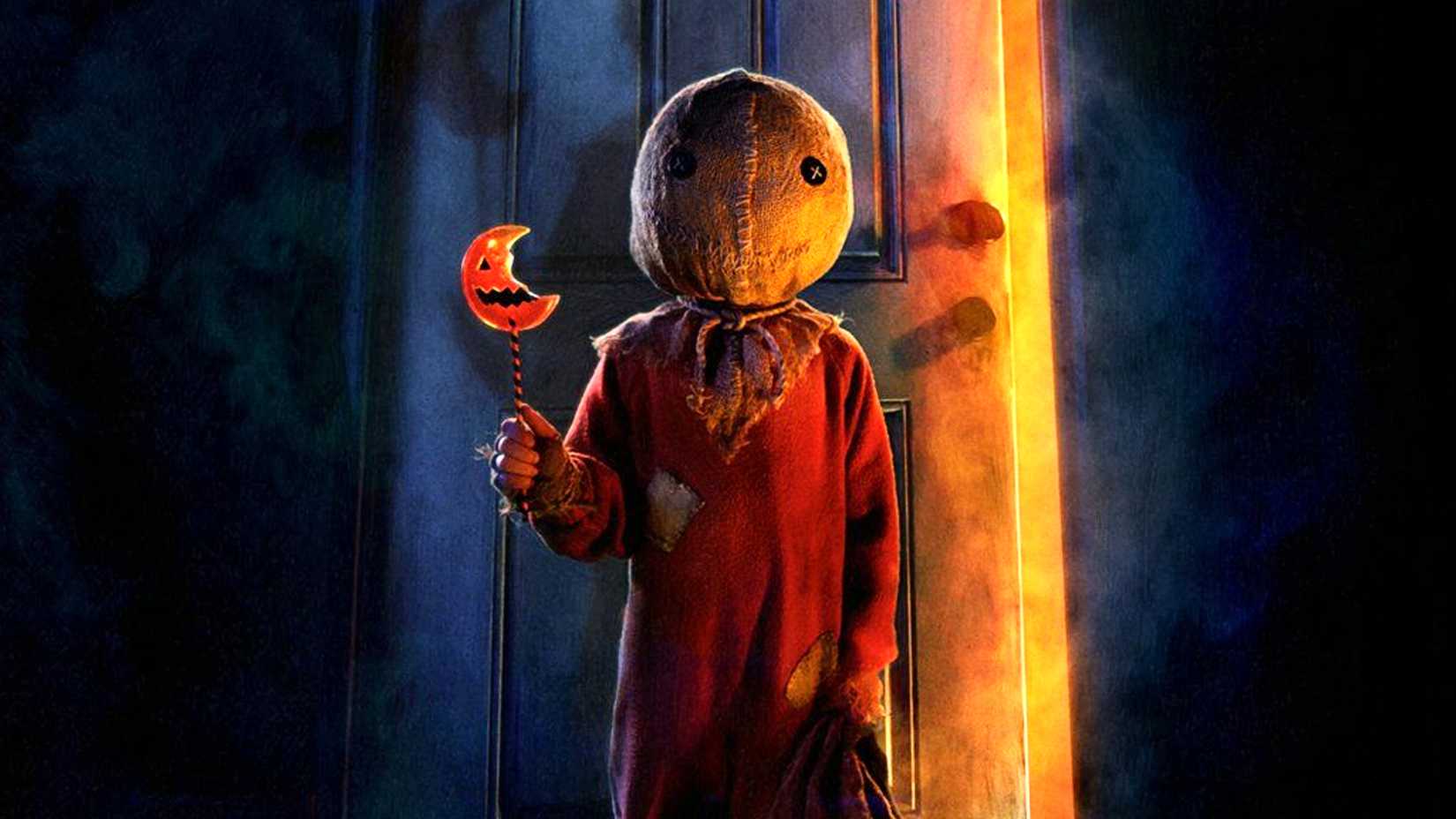
Many consider Trick ‘r Treat to be one of the greatest horror anthology films and a standout Halloween movie. Despite being directed by Michael Dougherty in 2007, the studio delayed its release for two years and ultimately released it directly to DVD, bypassing movie theaters. It only began to find an audience and generate revenue through home video sales.
The movie quickly gained popularity in 2009 and has become a Halloween tradition ever since. Even though the studio didn’t promote it, the character of Sam, the little demon child, became a very popular Halloween costume. This success proved the film had a great story and excellent acting.
Trick ‘r Treat weaves together four spooky tales set on Halloween night in a small town, revealing hidden secrets, acts of violence, and plots of revenge. The film finally made it to theaters in 2022, demonstrating the enduring power of its dedicated fanbase – a fanbase the studio clearly underestimated.
Rocky Horror Picture Show (1975)
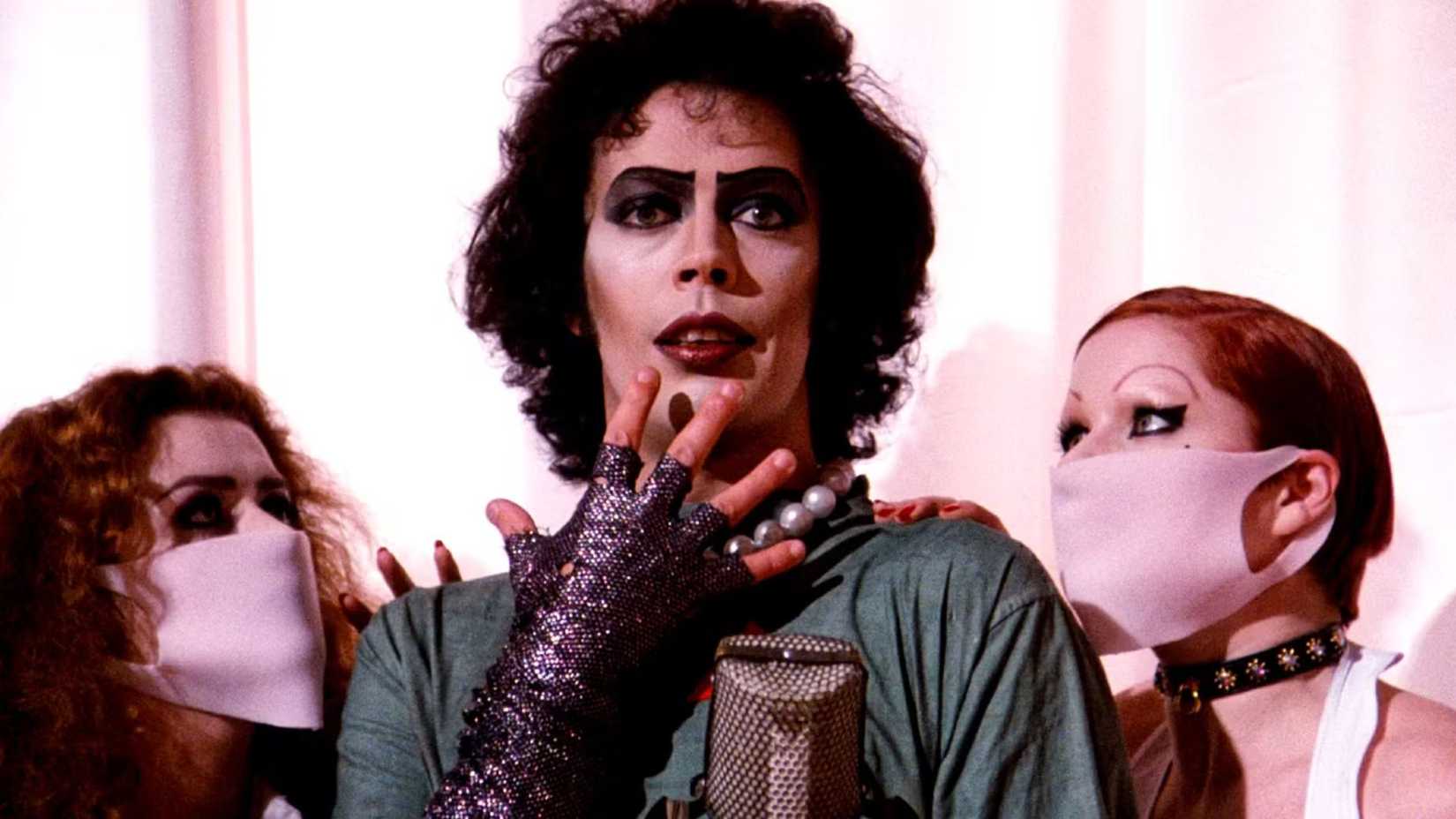
The film The Rocky Horror Picture Show initially failed at the box office, leaving the studio unsure of what to do with it. Instead of abandoning the project, they experimented with different release strategies. After initial college screenings didn’t gain traction, they tried something new: midnight screenings. It was this unconventional approach that ultimately made the film a huge success.
Originally a commercial failure, The Rocky Horror Picture Show has become a cultural phenomenon and the longest-running movie in cinema history, playing in theaters for 50 consecutive years as of 2025. It’s a fun and quirky horror-comedy-musical about an alien who dresses as a woman and is trying to build his own version of Frankenstein’s monster.
The film was initially a box office flop, but over the past 50 years it’s become a beloved cult classic, earning over $139 million and continuing to be shown at midnight screenings worldwide.
The Thing (1982)
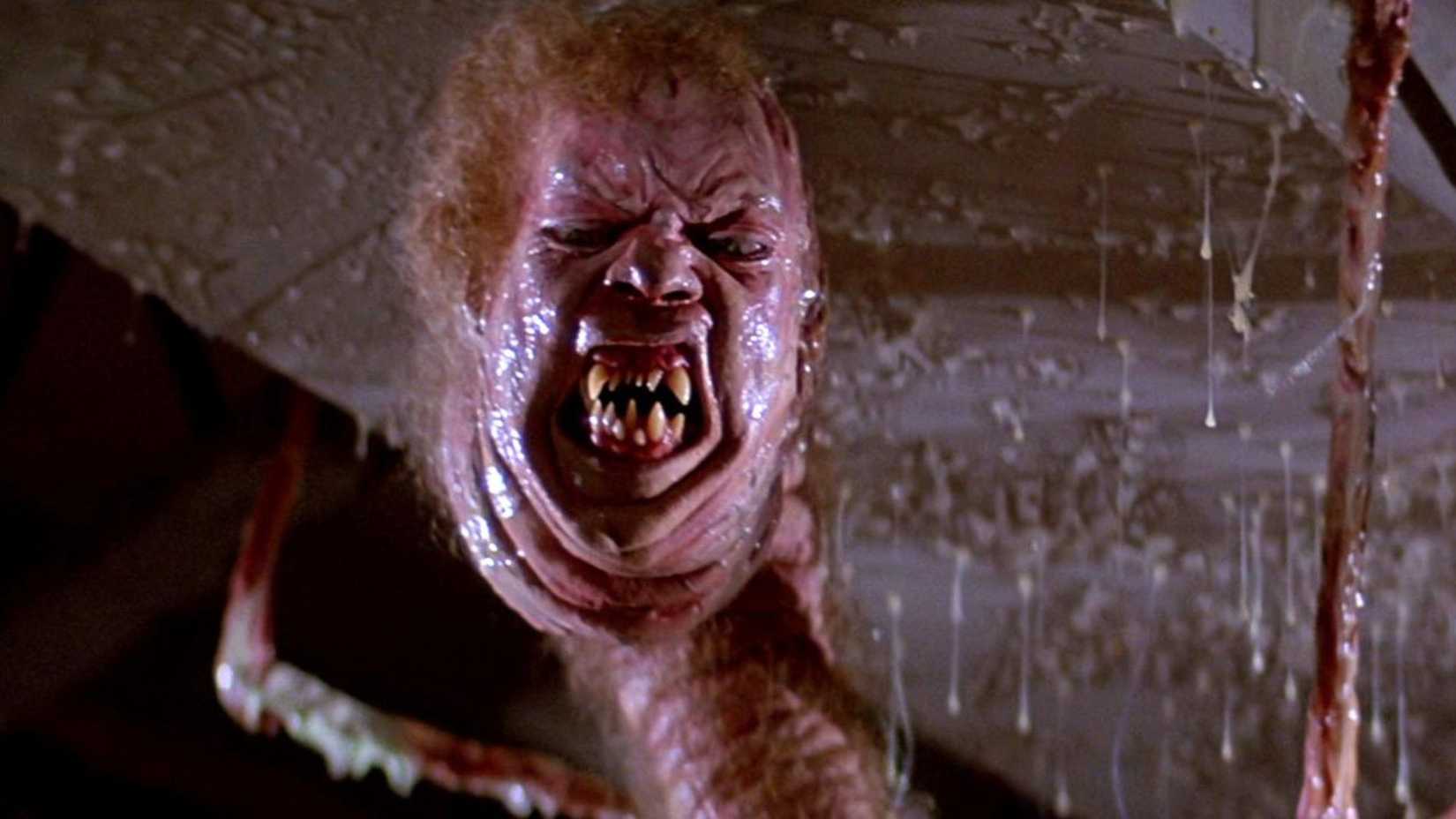
John Carpenter’s The Thing unfortunately came out very close to E.T. the Extra-Terrestrial, and that timing hurt its chances. 1982 was a fantastic year for science fiction, giving us classics like E.T., The Thing, and Blade Runner. But while E.T. became a huge hit with its hopeful story, the darker, more frightening tone of The Thing struggled to find an audience.
The Thing really suffered a setback. Its disappointing performance stalled John Carpenter’s career, even costing him a future Stephen King adaptation. While it earned $19.6 million with a $15 million budget, this was considered a major financial letdown. To make matters worse, critics heavily disliked the film, particularly its horror elements and special effects.
The issues people had with the movie are actually why The Thing gained such a dedicated following, though it took over ten years for that to happen, largely because of cable television airings. Even now, more than 40 years after its release, The Thing stands out as a prime example of a film that flopped in theaters but went on to become a highly-regarded and impactful horror classic.
Read More
- These Cartoon Reboots Totally Missed the Point of the Originals (& Went Downhill Fast)
- Gold Rate Forecast
- $292M KelpDAO Exploit: LayerZero Uncovers Single-Verifier Flaw in Massive Hack
- Total Football free codes and how to redeem them (March 2026)
- Top 5 Best New Mobile Games to play in May 2026
- Netflix’s Best Stranger Things Replacement Officially Takes America By Storm
- Zenless Zone Zero version 2.8 ‘New: Eridan Sunset’ update will release on May 6, 2026
- 6 Animated Movie Trilogies Where Every Entry Is Near-Perfect
- STARBUCKS STAND by BEAMS Channels Kenyan Coffee Heritage Into Its Latest Spring/Summer Wardrobe
- Maggie Smith’s sons “deeply touched” by huge honour to the late “national treasure”
2026-04-20 01:41