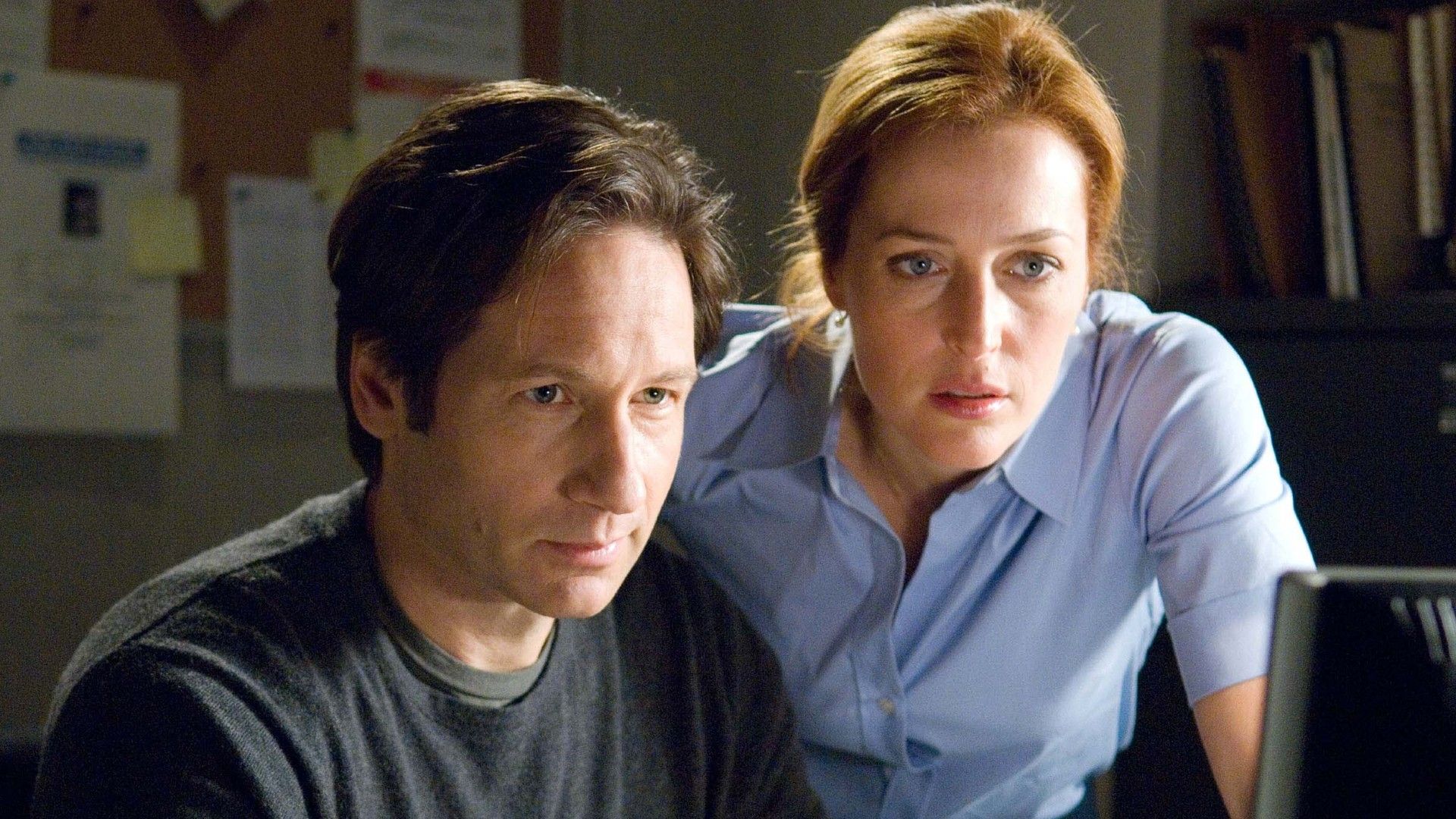
While discussions about the best episodes of The X-Files often focus on well-known installments like “Clyde Bruckman’s Final Repose,” “Home,” “The Post-Modern Prometheus,” and “Bad Blood,” many other fantastic episodes are frequently overlooked. Though these classics are undeniably great and often appear on ‘best of’ lists, The X-Files offered much more depth and quality than just its most famous stories.
Over its 11 seasons, The X-Files gave viewers a huge variety of stories – from scary monster-of-the-week episodes to deeply personal character explorations and mind-bending experiments that were unusual for television at the time. While some episodes became instantly famous, others were just as inventive, disturbing, or unforgettable, but didn’t receive the same attention.
What made The X-Files so compelling was its unpredictability. Each week offered a completely new story, ranging from shadowy government plots to encounters with mythical beasts, explorations of intense psychological issues, or cases that baffled even the usually logical Mulder and Scully.
Some truly great episodes of The X-Files haven’t gotten the attention they deserve. They stand out for featuring the show’s scariest villains, unexpectedly moving storylines, and inventive concepts that are still impressive today, making them worth watching again.
Season 4, Episode 5 “The Field Where I Died”

“The Field Where I Died” is a particularly unique episode of The X-Files, blending a cult investigation with a moving look at personal trauma and grief. While investigating a secretive religious group, Mulder and Scully find the case becoming deeply personal when Mulder meets a woman who believes they were together in previous lives.
“The Field Where I Died” explores the idea of reincarnation, with a strong focus on how emotionally invested Mulder becomes in the case and the people connected to it. It’s especially endearing to consider the possibility that Mulder and Scully have known each other as friends through many lifetimes.
Though not a typical standalone episode with a monster, this one’s slower speed gives David Duchovny and Gillian Anderson a chance to show their characters’ more sensitive sides. It’s a particularly thoughtful episode, even if fans often focus more on the show’s larger, overarching storylines.
Season 1, Episode 11 “Eve”

The early seasons of The X-Files frequently explored scary ideas, and the episode “Eve” is a prime example of the show creating a truly disturbing science fiction story. The episode centers around Mulder and Scully investigating the mysterious deaths of two fathers, who seem to have been killed by their own daughters.
The investigation uncovered a troubling link between genetic experiments and the creation of cloned children. The story, “Eve,” works so well because it combines traditional horror elements with anxieties about science, resulting in a narrative that feels both far-fetched and surprisingly realistic. The actresses portraying the enigmatic twins are particularly strong, creating a creepy and unsettling mood without resorting to jump scares or gore.
Harriet Harris gave a truly remarkable performance playing different versions of Eve, giving each one a unique and sometimes frightening personality. While later episodes of The X-Files became better known, ‘Eve’ was an early example of the show’s ability to be genuinely scary.
Season 3, Episode 14 “Grotesque”

“Grotesque” is a particularly disturbing and psychologically complex episode of The X-Files, but it’s often overlooked compared to the show’s better-known scary installments. The episode follows Mulder as he investigates a string of murders potentially linked to a serial killer who blames a creature resembling a gargoyle.
Things get complicated when Mulder’s old mentor gets involved in a case, leading to conflict between practical experience and Mulder’s tendency to become fixated. The episode, titled “Grotesque,” is particularly dark and highlights Mulder’s biggest flaw: his strong desire to believe, even when the facts don’t support it.
The visuals are disturbing, leaning into gothic styles and creating a mood more akin to a psychological thriller than a typical detective show. This episode perfectly demonstrates how The X-Files could build suspense and fear without relying on aliens or monsters.
Season 2, Episode 10 “Red Museum”

“Red Museum” is among the most unusual of The X-Files‘ early episodes dealing with the show’s overarching mythology. What starts as seemingly straightforward investigation quickly becomes much more complex when Mulder and Scully head to a small town investigating missing teenagers and puzzling messages they’ve left behind.
The investigation reveals unusual experiments conducted by a religious group, potentially linked to research about aliens. This episode stands out because it doesn’t try to explain everything. Instead, “Red Museum” deliberately leaves many mysteries unsolved, creating a feeling of unease and perfectly reflecting the suspicious atmosphere that made The X-Files so popular.
The striking final image of the crop circle suggests a meaning without revealing it directly. “Red Museum” adds to the show’s overall story and is a key part of understanding the bigger picture, even though it’s sometimes less attention-grabbing than episodes focused on bolder conspiracies.
Season 6, Episode 8 “The Rain King”

“The Rain King” episode demonstrates that The X-Files could be both genuinely funny and emotionally touching while still maintaining its signature eerie atmosphere. The investigation starts with a man seemingly able to control the weather, but soon unfolds into a poignant story about isolation, self-doubt, and hidden feelings.
“The Rain King” differs from many X-Files episodes because it’s less about investigating the supernatural and more about the people involved. This makes for a heartwarming and engaging story focused on its characters.
The scenes with the flying cow are especially enjoyable and provide a lighthearted break from the show’s more complex, mythology-focused episodes. “The Rain King,” which takes place later in the series, is also strengthened by the established, playful rapport between Mulder and Scully, making even the strangest cases fun to watch.
Season 3, Episode 8 “Oubliette”

The X-Files episode “Oubliette” is particularly heartbreaking because it centers on the effects of trauma, rather than a typical monster-of-the-week case. The story follows Mulder and Scully as they investigate a missing girl and uncover a link between her disappearance and the past abuse suffered by another woman.
This episode tackles difficult emotions and the ways people connect through suffering, and it does so with a surprising level of depth. Gillian Anderson is excellent as Scully, who is profoundly impacted by the events of the case. But it’s Tracey Ellis’s performance that truly stands out as heartbreaking.
Rather than focusing on scary supernatural events, this episode builds suspense by making viewers connect with the characters and their emotional struggles. “Oubliette” prioritized portraying human pain over paranormal happenings, and it followed a similar structure to the detective-style episodes of The X-Files.
Season 1, Episode 20 “Darkness Falls”
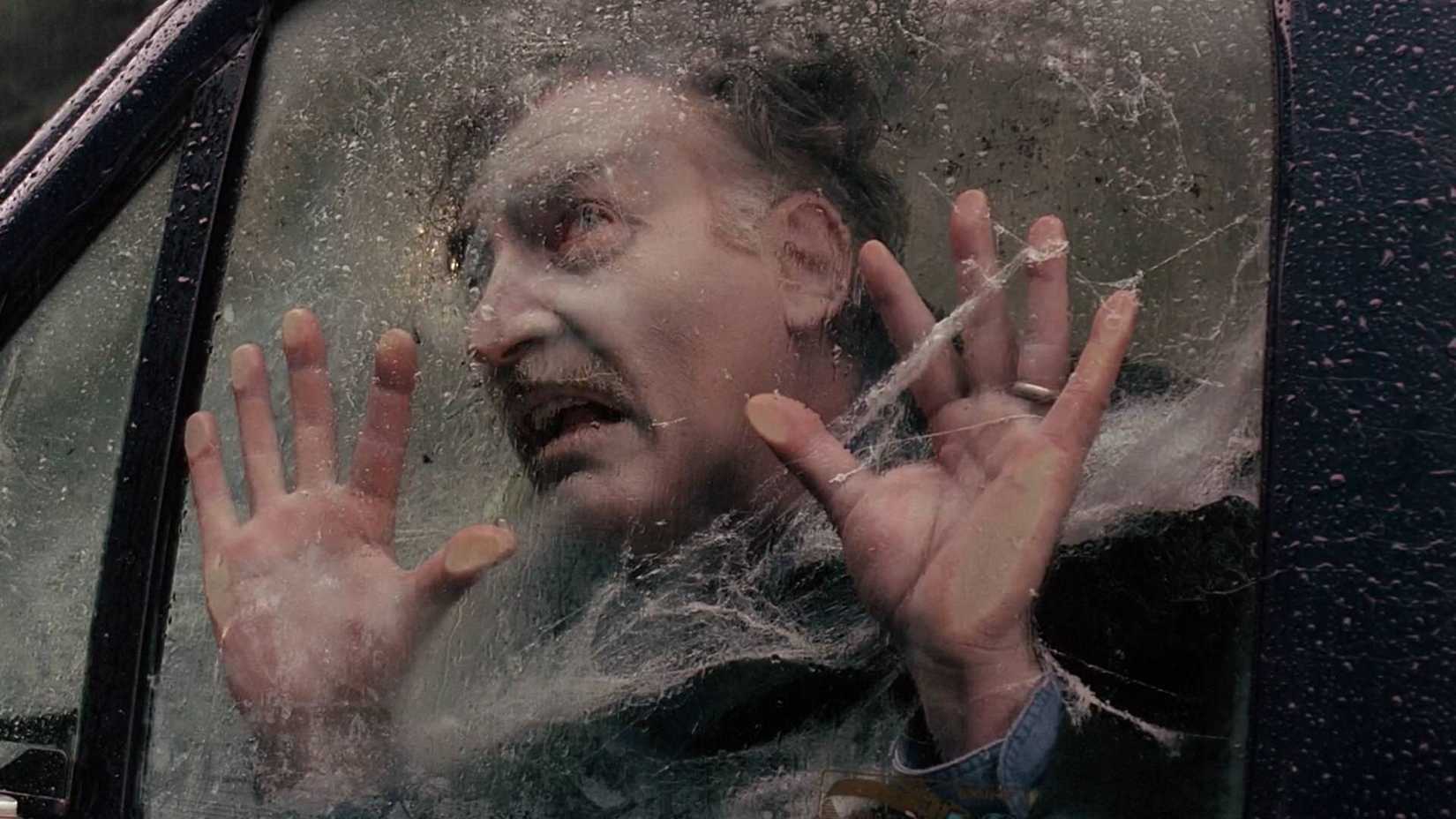
The episode “Darkness Falls” is a classic example of The X-Files at its best, delivering a truly unforgettable monster story. It follows Mulder and Scully as they investigate the vanishing of several loggers in a secluded forest and uncover a colony of strange, glowing insects that aggressively defend their territory.
The episode’s remote location builds a really strong feeling of being trapped. As the agents find themselves isolated in the wilderness and face a mysterious danger, it feels like a blend of a classic monster movie and a story about the horrors of the environment. This creates a constant sense of dread, making “Darkness Falls” incredibly tense and unsettling.
While the special effects might appear basic now, the episode still creates a genuinely frightening mood. “Darkness Falls” is a great example of how The X-Files could make everyday settings feel terrifying – something the show consistently did for years to come.
Season 3, Episode 22 “Quagmire”

The episode “Quagmire” is a great example of how The X-Files successfully combines humor with its mysterious storylines. Mulder looks into claims of a lake monster, but Scully isn’t convinced it actually exists.
“Quagmire” is an enjoyable adventure that also highlights the contrasting viewpoints of Mulder and Scully – his faith in the unexplained versus her reliance on science. The episode is best known for a memorable conversation between the two agents while they’re stuck on a rock, a scene that really shows the dynamic of their relationship.
The discussions between the characters about science, religion, and their bond with each other are just as compelling as the mystery they’re trying to solve. While not one of the show’s most famous installments, the episode “Quagmire” perfectly showcases the strong connection between the leads that made The X-Files so popular.
Season 2, Episode 24 “Our Town”

The X-Files episode “Our Town” is particularly unsettling, blending small-town atmosphere with a truly disturbing mystery. When Mulder and Scully investigate a string of murders, they discover a horrifying secret hidden within the town’s traditions and the extreme measures its residents take to maintain their lifestyle.
“Our Town” explores familiar ideas from folk horror, like secretive communities and the dread of outsiders learning their secrets. The ending, where the characters’ shocking reasons for their actions are exposed, strongly foreshadows elements seen in many modern folk horror films.
The town has a creepy vibe, almost like another character in the story. Like the classic film Home or the play Our Town, it creates a disturbing and unsettling feeling similar to what made The X-Files so popular.
Season 2, Episode 3 “Blood”

The early X-Files episode “Blood” is a compelling story about technology, distrust, and the anxiety that comes with feeling powerless. It follows Mulder and Scully as they look into several brutal attacks where the victims all received strange messages on their electronic devices.
The ongoing investigation reveals a troubling link between technology and how people act. This episode is particularly thought-provoking now, as its ideas about how digital tools affect us and the problem of too much information feel remarkably current. Although it references technology from the 1990s, the core issues it raises are still relevant today.
This episode of The X-Files is truly unsettling, exploring how we interact with technology and the dangers of pushing ourselves too hard. While not the most well-known, “Blood” perfectly showcases the show’s talent for turning everyday anxieties into creepy and thought-provoking sci-fi stories.
2026-07-19 20:12