Whether it’s a haunting tune in a late-night dungeon or an inspiring battle theme that steels your resolve, a great video game soundtrack does more than just play in the background—it becomes part of the game itself. The very best soundtracks perfectly reflect the game’s core and elevate the entire experience.
Video game music is having a moment. Playlists featuring arrangements are incredibly popular, and live concerts like those for NieR: Automata are selling out worldwide. In 2025, Clair Obscur: Expedition 33 released a soundtrack so impressive it redefined expectations for the medium. Here’s a collection of some of the greatest video game soundtracks ever created.
Final Fantasy VI Has One of the Most Beloved Game Soundtracks Ever Written
Nobuo Uematsu created the music for Final Fantasy VI in 1994 using technology limited to just six audio channels. Despite this restriction, he crafted a remarkably detailed score. Each character has a unique musical theme, and the way these themes interact—especially as the game’s story falls apart—is incredibly effective, something even many film composers struggle to accomplish.
The game begins with “Terra’s Theme,” a powerfully emotional piece of music that immediately hints at a large-scale, tragic story. The subsequent opera scene, presented with the detail and artistry of a live performance at a famous opera house, is still considered one of the most daring and ambitious creative choices ever made in a video game.
This soundtrack stands out in the franchise not just because it’s grand in scope, but because it feels deeply personal. Composer Nobuo Uematsu created a theme for the villain Kefka that is unsettling, manic, and deliberately unresolved – a musical representation of senseless cruelty.
NieR: Automata Proves That Amazing Music Can Also Break Hearts
As a fan, I can tell you this game’s music is unlike anything I’ve ever experienced. It doesn’t just enter your ears – it feels like it goes straight to your heart, completely bypassing your head. What’s really wild is how the music changes as you play. It’s like the game has its own languages, constantly shifting between made-up words, warped voices, and these incredible orchestral pieces that sound both really old and totally futuristic all at the same time. It’s a huge part of what makes the game so immersive.
The game ends with a powerful choir singing in five languages – Japanese, English, French, German, and a made-up one – a symbolic moment that’s both clear and deeply moving. What makes it special is how the music seems to share in the characters’ pain and struggle.
Songs like “Amusement Park” combine a creepy carousel tune with unsettling sounds, creating a disturbing yet captivating experience. Okabe realized that for a game exploring what it means to be human – even for robots – the music itself needed to feel uncertain and questioning.
Clair Obscur: Expedition 33 Became the Best Game in 2025 in Part Because of its Music
Composer Lorien Testard created the music for this game with the feel of classic French art songs. He blended the traditional song structures with powerful orchestral moments, shifting from quiet, personal arrangements to grand, emotional soundscapes. The final result is a truly unique soundtrack, unlike anything players have experienced before in a game.
The music evokes a sense of loss, particularly in a way reminiscent of French melodies – think accordions and the idea that beauty and sadness are closely intertwined. The score’s biggest strength is how it transforms the game’s core idea – a world facing annual destruction, with survivors simply postponing the inevitable – into something emotionally resonant and musical, rather than feeling like a cold, calculated system.
This game handles the theme of death beautifully, and its music is a major reason why. Composer Guillaume Testard has quickly become a gaming industry favorite, achieving widespread recognition with just a single soundtrack.
The Legend of Zelda: Ocarina of Time Built the Blueprint for Iconic Video Game Music
When Koji Kondo composed the music for the 3D world of Hyrule in Ocarina of Time, he made a clever design choice. The ocarina songs aren’t simply background music—they function as tools, keys, and a way for Link to communicate with and affect the game world.
The way “Saria’s Song” changes from a cheerful tune in the Kokiri Forest to a slower, more melancholic version as adult Link is more than just a clever game mechanic – it’s a deliberate design choice meant to evoke strong emotions. Composer Koji Kondo intentionally built nostalgia directly into the game’s music.
The music of “Gerudo Valley” is energetic and passionate, like a flamenco dance – a surprisingly perfect fit for the game. “Song of Storms” proved incredibly catchy, becoming a popular internet meme years later because it’s so hard to forget. Ocarina of Time didn’t just define game music; it essentially created the language that composers still use today.
Persona 5 Has One of the Coolest Game Soundtracks Ever Recorded
Shoji Meguro’s goal for Persona 5 was simple but impactful: to make every sound, from navigating menus to fighting battles and even relaxing in a café, feel incredibly cool and sophisticated. The opening track, “Life Will Change,” immediately establishes this vibe with a confident bass line, and the game maintains that energetic and stylish feel throughout.
The music in this game is surprisingly sophisticated, even during simple tasks like managing your items – it feels like the soundtrack to a glamorous after-party. This attention to detail is brilliant, and perfectly matches the game’s tone. The track for the mid-boss fight, “Rivers in the Desert,” transforms the battle into a moment of freedom, creating a surprisingly emotional experience. The music understands the core of the game: the Phantom Thieves are kids feeling stifled, and the soundtrack powerfully captures their desire to break free.
Shadow of the Colossus Shows How Silence and Music Together Create the Greatest Gaming Atmosphere
Kow Otani had a unique understanding of music – he knew that silence and the pauses between notes are just as important as the notes themselves. The game Shadow of the Colossus is fundamentally about defeating sixteen massive creatures in a desolate world, and Otani’s music reflects that, portraying the player as the antagonist in an epic story.
The environments are quiet, broken only by the wind and the sound of approaching footsteps. Then, a massive enemy appears, and the music swells powerfully. This stark contrast isn’t just for effect—it highlights the weight of each battle. The silence beforehand emphasizes the seriousness of the player’s actions, reminding them that there’s no easy way to undo the consequences of their choices.
While tracks like “Revived Power” and “The Opened Way” are well-known for building intense, epic battles, it’s the subtle sounds – ambient music, Agro’s breaths, and distant bird calls – that truly create the game’s atmosphere. Unlike many soundtracks that focus on the player’s triumph, this one evokes a sense of melancholy and loss.
Hollow Knight Proves That Indie Games Can Create Some of the Best Video Game Soundtracks
Christopher Larkin single-handedly created the music for Hollow Knight, working from a tiny studio with a very limited budget – something most major game companies wouldn’t risk. He primarily used the piano, and his compositions beautifully capture the sadness and weight of the game’s world, making the kingdom of dead bugs feel truly poignant.
The areas “Reflection” and “Greenpath” feel bright and hopeful, which makes the game’s darker moments even more impactful. Composer Larkin brilliantly understood that sadness feels most intense immediately after experiencing something beautiful. “City of Tears” is filled with a rainy, melancholic atmosphere, using somber melodies and echoing sounds. “Crystal Peak” feels like a cold, sacred place that you shouldn’t be disturbing. Creating Hollow Knight’s soundtrack cost $7,500, but it sounds as if it cost the composer a part of their heart.
Red Dead Redemption 2 Contains Some of the Most Cinematic Game Music Ever Written
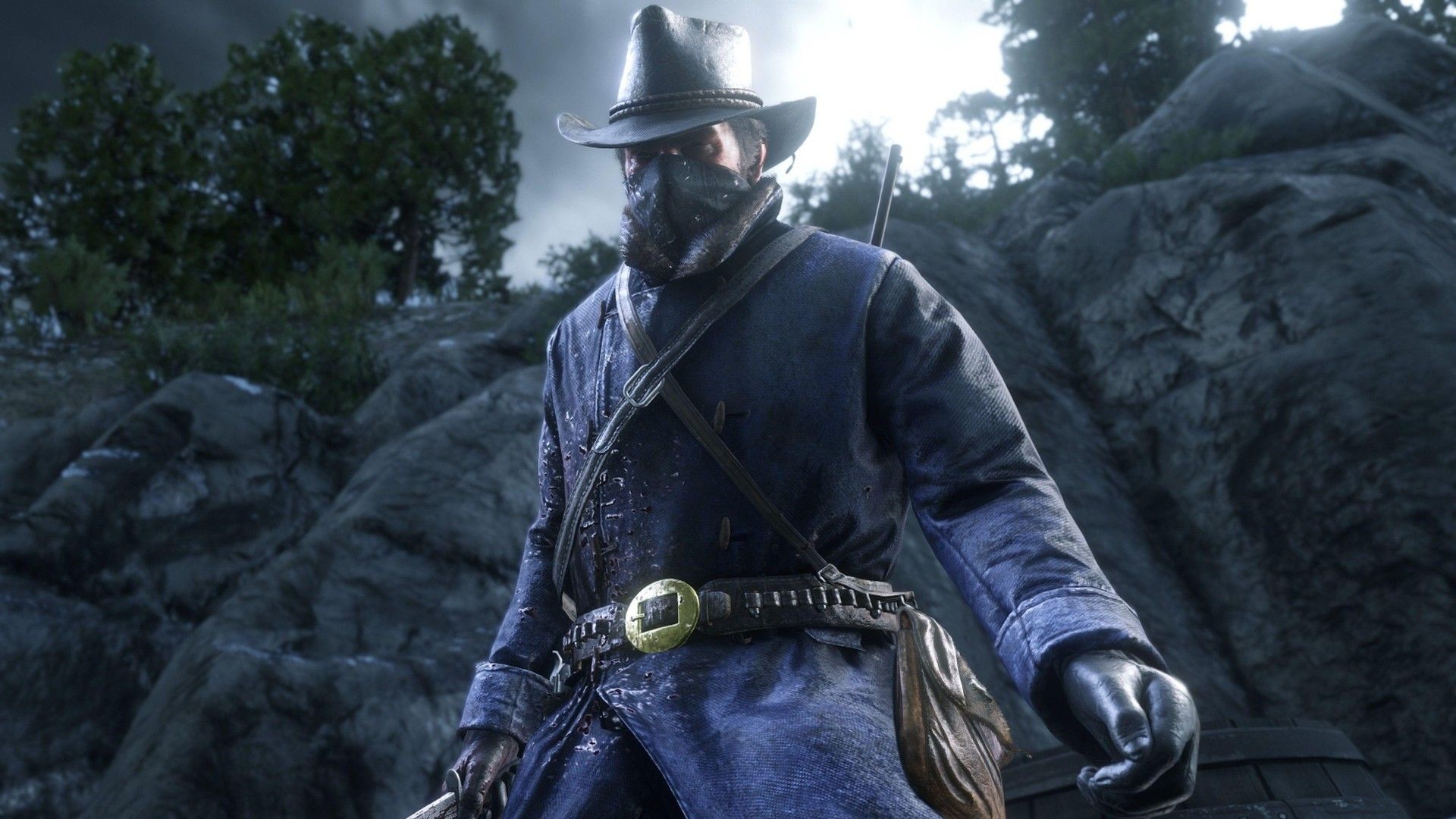
Woody Jackson created the game’s music by combining pieces of American folk music, blues guitar, and grand orchestral sounds. The music isn’t just a background track – it actually changes based on what’s happening in the game. For example, riding through the Grizzlies at sunset will bring a soaring, emotional score, while walking the streets of Saint-Denis at night will trigger a darker, more tense sound.
Honestly, the music in this game isn’t just a soundtrack – it creates a feeling. It’s like it taps into this longing for a West you never knew you were missing. And the songs, especially “Cruel World” and “That’s the Way It Is,” when they pop up during key moments in the story, they just hit different. It’s like they were written specifically for me, you know? So incredibly impactful.
The heart of Arthur Morgan’s story is watching him face his own mortality, and the music always hints at what’s to come, even if Arthur doesn’t know it. Ultimately, the score becomes more than just background music—it is the story itself.
Undertale Changed What People Thought a Small Game’s Soundtrack Could Do
Toby Fox single-handedly created both the game and the music for Undertale. The soundtrack is full of catchy tunes, and most tracks are brief enough to play repeatedly without becoming annoying.
Fox’s music is remarkable because he seamlessly connects different songs throughout the soundtrack – you can hear similar melodies in everything from the iconic “Megalovania” to lesser-known early themes, and even in the battle music and character songs. This creates a strong sense of unity. The song “Hopes and Dreams” elevates the final boss fight to something deeply emotional, rather than just a technical challenge, and is widely considered one of the best final boss themes ever created. What’s even more impressive is that Fox achieved all this using basic MIDI sounds and incredible talent – something many composers strive for throughout their entire careers, and he did it at just twenty-one years old.
Hades Delivers One of the Most Electrifying Gaming Soundtracks in Recent Memory
As a gamer, I’ve been hooked on Darren Korb’s music ever since Bastion, and honestly, his work on Hades is something else. He’s created this sound he calls ‘Mediterranean prog rock,’ and it’s as wild as it sounds! You’ve got electric guitar shredding alongside ancient Greek drums. Seriously, a song can go from really chill and atmospheric to full-on metal, and then back again, all within just a few minutes, but it totally fits the game’s world. It’s just… cohesive, you know?
The songs “In the Blood” and “Good Riddance,” featuring Ashley Barrett, a frequent collaborator of Korb’s, truly resonate because they come after a particularly difficult journey. Korb created such a distinct sound for the game’s Underworld that even a very short audio clip instantly tells players where they are. It’s a sound design so good, even the notoriously critical Hades would be impressed.
The game doesn’t rush its emotional impact. With each attempt – whether you die repeatedly or almost escape – the music gains deeper meaning. By the time a powerful emotional moment arrives, the soundtrack has been subtly preparing you for hours. What’s unique is that, unlike many similar games, this emotional connection isn’t lost when you die; it carries over.
Read More
- Total Football free codes and how to redeem them (March 2026)
- Clash of Clans May 2026: List of Weekly Events, Challenges, and Rewards
- Pixel Brave: Idle RPG redeem codes and how to use them (May 2026)
- Last Furry: Survival redeem codes and how to use them (April 2026)
- COD Mobile Season 4 2026 – Eternal Prison brings Rebirth Island, Mythic DP27, and Godzilla x Kong collaboration
- Gold Rate Forecast
- Top 5 Best New Mobile Games to play in May 2026
- Painful truth about Alexa Demie after she vanished… then emerged with drastic new look: Insiders spill on Sydney Sweeney feud and Euphoria star’s plan for revenge
- Debunking AI: Euphoria Star Chloe Cherry Reveals Her Faye Headcanon Going Into Season 3
- Honor of Kings x Attack on Titan Collab Skins: All Skins, Price, and Availability
2026-05-14 00:44