
Many jokes from The Office are considered among the show’s funniest and most memorable. There are so many great moments – like Jim tricking Dwight with an actor who looks like him (Randall Park), or Michael’s over-the-top “Prison Mike” character – that it’s hard to pick just one. Interestingly, one of the show’s most hilarious – and slightly shocking – jokes wasn’t originally shown when the episode first aired.
A particularly strange plotline on the show happens when Jan Levinson, after her breakup with Michael Scott, announces she’s pregnant. She conceived through artificial insemination using a sperm donor.
The big reveal comes in the Season 4 finale, “Goodbye, Toby.” Michael is shocked to learn Jan was pregnant during their relationship, but the child isn’t his. However, things change later—as shown in a deleted scene from Season 5, Episode 4—when the often-clumsy Kevin Malone jokingly suggests he might be the father.
At Jan’s office baby shower, everyone is shocked when Kevin casually mentions he’s a sperm donor at the same bank Jan used – a bank he points out is conveniently located near an IHOP. This revelation deeply disturbs the former Vice President of Sales, who now makes candles.
Jan, clearly upset by the thought, defensively explained that she had paid a lot of money for the item. Her comment immediately drew criticism from Oscar Martinez, one of Kevin’s colleagues, and she quickly tried to change the topic.
Honestly, I was really excited for Kevin when he started talking about this. He actually seemed to think he might have a shot with Jan, and he even told the camera, with a little laugh, that he maybe, just maybe, had something going on with her. It was a sweet moment, and I was rooting for him!
Brian Baumgartner, the actor who plays Kevin, says the now-famous scene was initially removed from the episode before being put back in. It’s become a fan favorite from the comedy series.
Baumgartner recently shared with Entertainment Weekly that while some of his ideas made it into the show, others didn’t. He was particularly frustrated when editors removed a joke about Kevin and Jan’s sperm donor storyline, fearing it would be too confusing for viewers when the episode first aired in 2008.
The actor recalled a funny scene that was briefly removed from the show but has since been restored, and many viewers have now seen it. He described it as a particularly strong joke, explaining that Kevin asks Jan where she got the sperm donor for her baby. Jan responds vaguely, saying it was a ‘very exclusive place,’ and Kevin jokingly replies, ‘The place behind the IHOP?’
Baumgartner explained that Jan’s reaction was what made the scene funny. However, the writers didn’t want to develop the moment into a larger plotline involving Kevin’s child, fearing it would mislead viewers and create unnecessary expectations.
Baumgartner explained that they initially worried someone was taking a funny moment too seriously. They felt it was a simple joke that didn’t need further analysis. Although they lost a debate about it at the time, the moment was eventually restored to the episode. Now, Baumgartner feels pleased because viewers can’t watch the episode without noticing that particular scene – a small victory for them.
Who Was the Father of Jan’s Baby on The Office?
On a 2021 episode of the Office Ladies podcast hosted by Jenna Fischer and Angela Kinsey, they shared that the sperm donor who fathered Jan’s child was actually professional tennis player Andy Roddick.
Kinsey says the truth came out in a scene that never made it to television, where Jan tells a disinterested Michael who Astrid’s father really is.
Kinsey remembered Michael asking, “Is that the tennis player?” Jan replied that it was more than that – the player was sixth-ranked globally and had won four Grand Slam tournaments. Michael then commented, “That’s quite a few Grand Slams, huh?”
10 TV Shows People Love That Are Actually Bad

The West Wing
As a big fan of Aaron Sorkin, I used to love The West Wing. It really made his fast-paced, ‘walk and talk’ style famous, and it painted this incredibly optimistic picture of politics. But honestly, rewatching it now, especially with everything going on in the world, it feels…dated. The snappy dialogue is still great, but the idea that a president and his team are just motivated by a pure desire to serve the country feels a little naive. It’s comforting to want to believe that, but it’s hard to ignore how unrealistic it is. The show constantly portrays the ‘good guys’ winning every argument by simply being smarter and more eloquent, while the ‘bad guys’ just…silently accept defeat. It’s basically what I think happens whenever I try to win an argument online – a nice fantasy, but not exactly reality!

Heroes
From the start, Heroes struggled because the show’s creators and its audience had different visions. What began as a promising series became repetitive and frustrating in later seasons as it constantly tried new approaches, ignoring what viewers actually wanted: to see the original characters develop and explore their powers. Beyond that, Heroes was typical of the sci-fi shows of that time, which often relied on a low-budget aesthetic. Instead of investing in elaborate sets or special effects, they dressed their characters in trendy clothes and had them deliver long speeches to each other in bare rooms each week.

How I Met Your Mother
The finale of How I Met Your Mother is so disappointing it makes you reconsider the entire series, and honestly, the show had issues all along. It initially stood out by cleverly playing with the typical sitcom format, using flashbacks and unreliable storytelling to keep viewers guessing. But after several seasons, those tricks became tiresome, and the characters, who were intentionally flawed, became simply unlikeable. The biggest problem, though, is the show’s central mystery: the identity of Ted’s future wife. The character, ‘The Mother,’ appears very late in the series and, unfortunately, dies shortly after, leaving many viewers wondering what the point of the nine-season story was.
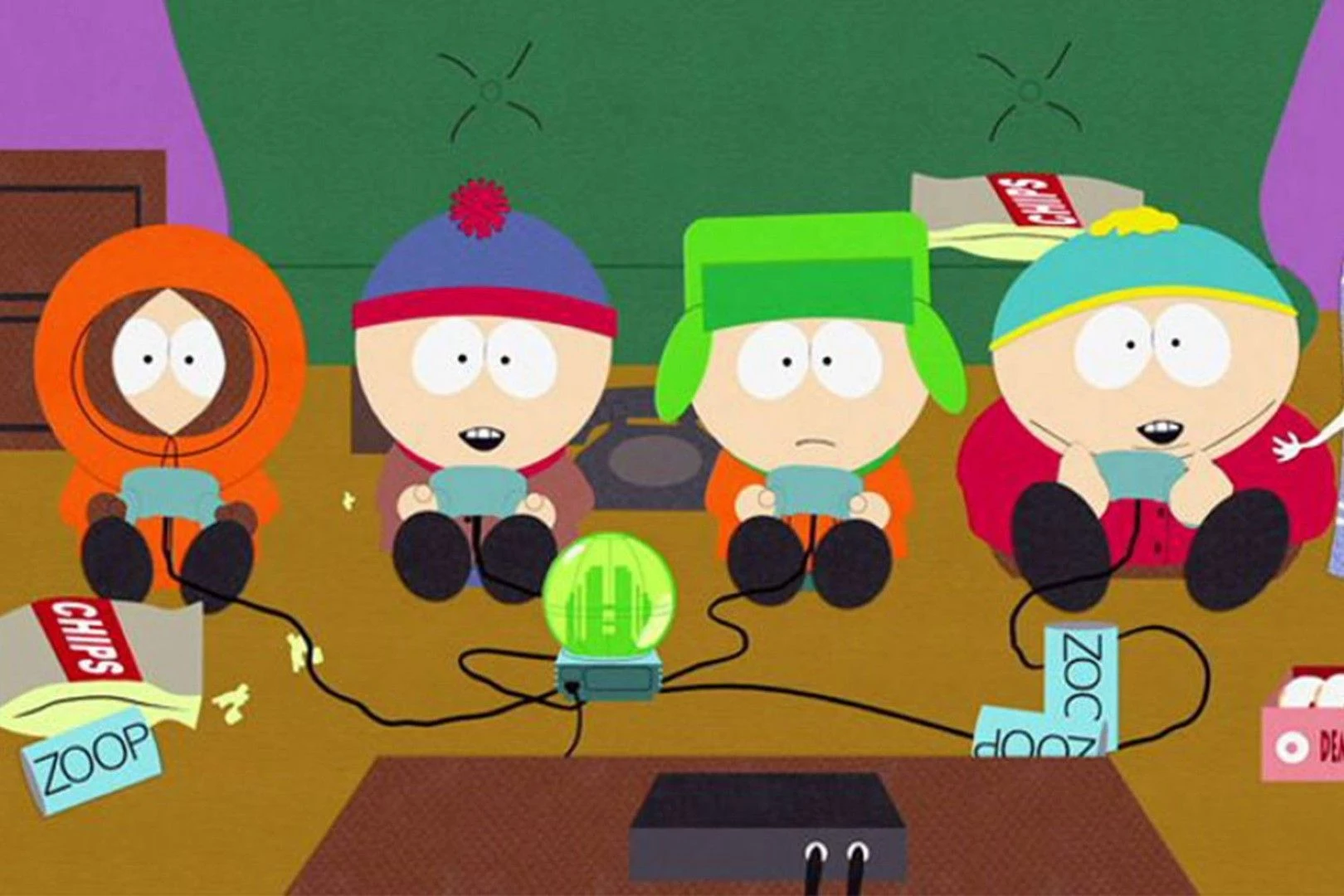
South Park
It seems like there’s always someone criticizing South Park. While people often praise its simple animation style, its ability to poke fun at anything, and how quickly it’s made, it’s still easy to find fault with the show. Its deliberately provocative and often offensive humor creates a defensive reaction – a sort of “are you offended?” attitude – that feels both childish and cynical. We’re not claiming South Park is solely responsible for the difficulty we have having respectful conversations these days, but it’s definitely a contributing factor.

The Big Bang Theory
It’s simple to dismiss a comedy as unfunny, but The Big Bang Theory was particularly disappointing. While presented as a sitcom about a group of nerdy friends and one conventionally attractive woman, the humor consistently relied on tired and obvious jokes. The show repeatedly made fun of the idea that nerdy guys struggle to talk to attractive women, and it constantly highlighted stereotypical “nerd” interests like comics, Dungeons & Dragons, and superhero merchandise. It felt like the show made nerds look childish and foolish, and as someone who appreciates the culture, that’s frustrating. Plus, it led to the creation of Young Sheldon. A rather uninspired legacy, if you ask me.

The Handmaid’s Tale
Viewers who stuck with all five seasons of The Handmaid’s Tale often found the repetitive storylines frustrating. The show frequently had characters making progress only to immediately lose it, escaping and then being recaptured, making their efforts feel pointless. Beyond the disturbing violence inflicted on the characters – primarily women – the limited number of plot ideas ultimately diminished the show’s suspense. Many felt the story would have been better served if the Canadians had destroyed Gilead at the end of the first season.

Stranger Things
Let’s be honest about Stranger Things. While it once revolutionized the sci-fi/horror genre, influenced tons of other shows, and even revived Kate Bush’s music career, the show has really declined in quality. What began as a charming series tapping into ’80s nostalgia has become overly complicated and lost its spark. The constant references and expanding backstory feel tired, and the monsters just aren’t frightening or original anymore. I’d much rather watch the classics like The Goonies, Ghostbusters, Star Wars, or Evil Dead than these pale imitations.

Ozark
If you’re curious about a show that features somewhat bland characters moving through consistently blue settings, you might come across Netflix’s crime drama, Ozark. However, we’re hesitant to recommend it – not because it’s terrible, but because it doesn’t quite live up to the praise it receives.
Ozark was a significant undertaking for Jason Bateman, who directed many episodes and also starred in it. Despite his involvement, the show often feels dreary and lacks a compelling sense of humor. It doesn’t have the cleverness found in other, more successful crime series, yet it still managed to run for four seasons.

Ted Lasso
Ted Lasso arrived at a perfect moment, tapping into a desire for feel-good TV and a growing American interest in soccer. This combination launched the show – and Jason Sudeikis’s charmingly naive character – to surprising Emmy success. However, the show’s relentlessly positive message about kindness started to feel a bit repetitive after a while.
Viewers began to lose interest when the show moved away from its original premise – an optimistic American coach turning around a struggling British soccer team with his positive attitude – and tried to add unnecessary drama by giving Ted a sad past. It didn’t need to be a dark origin story! The show was always meant to be about a relentlessly upbeat guy who motivates people with inspirational quotes.

Yellowstone
It’s no surprise Yellowstone is a hit. The show blends the romantic idea of the American West with exciting, rugged characters and complex power struggles between ranchers. The dialogue is unique – sometimes philosophical like in True Detective, and other times melodramatic like a daytime soap opera. Ultimately, Yellowstone is a high-budget soap opera elevated by strong acting from a veteran star. However, if you’re looking for truly raw and realistic ranch life, the prequel series 1883, starring Tim McGraw, is actually the better choice.
Read More
- Annulus redeem codes and how to use them (April 2026)
- Kagurabachi Chapter 118 Release Date, Time & Where to Read Manga
- The Division Resurgence Best Weapon Guide: Tier List, Gear Breakdown, and Farming Guide
- Gear Defenders redeem codes and how to use them (April 2026)
- Last Furry: Survival redeem codes and how to use them (April 2026)
- Gold Rate Forecast
- Silver Rate Forecast
- Clash of Clans Sound of Clash Event for April 2026: Details, How to Progress, Rewards and more
- Total Football free codes and how to redeem them (March 2026)
- Simon Baker’s ex-wife left ‘shocked and confused’ by rumours he is ‘enjoying a romance’ with Nicole Kidman after being friends with the Hollywood star for 40 years
2026-03-24 06:27