For many, Tom Cruise is best known as Ethan Hunt, a role he’s played eight times in the Mission: Impossible films. Before taking on this iconic part in the 1990s – following his success in The Firm, which now feels like an earlier chapter – he was equally famous for a different role that continues to define his career.
Among recent films that changed Hollywood, Top Gun: Maverick stands out. It helped revitalize the movie industry after the slump caused by the COVID-19 pandemic. Even after more than thirty years, Tom Cruise still brings the same confident and charismatic energy to his role as the daring naval aviator that made the character so lovable in the first film.
Released in the 1980s, Top Gun was a huge cultural phenomenon that people still talk about today. The movie’s iconic soundtrack helped define the decade, and it launched Tom Cruise’s career as an action star – a genre he became famous for. Its lasting impact means some of his other films haven’t remained as well-known.
Tom Cruise Is The Supporting Actor In The Color Of Money

As a film critic, I’ve rarely seen dedication to the art form quite like that of Martin Scorsese – he’s been a champion of cinema his entire career and has influenced so many of today’s top directors. And Tom Cruise? He’s consistently one of the biggest advocates for the theatrical experience and celebrating filmmaking itself. Honestly, a project bringing these two together would be a total dream for anyone who loves movies – a true meeting of the minds and a real win for cinema.
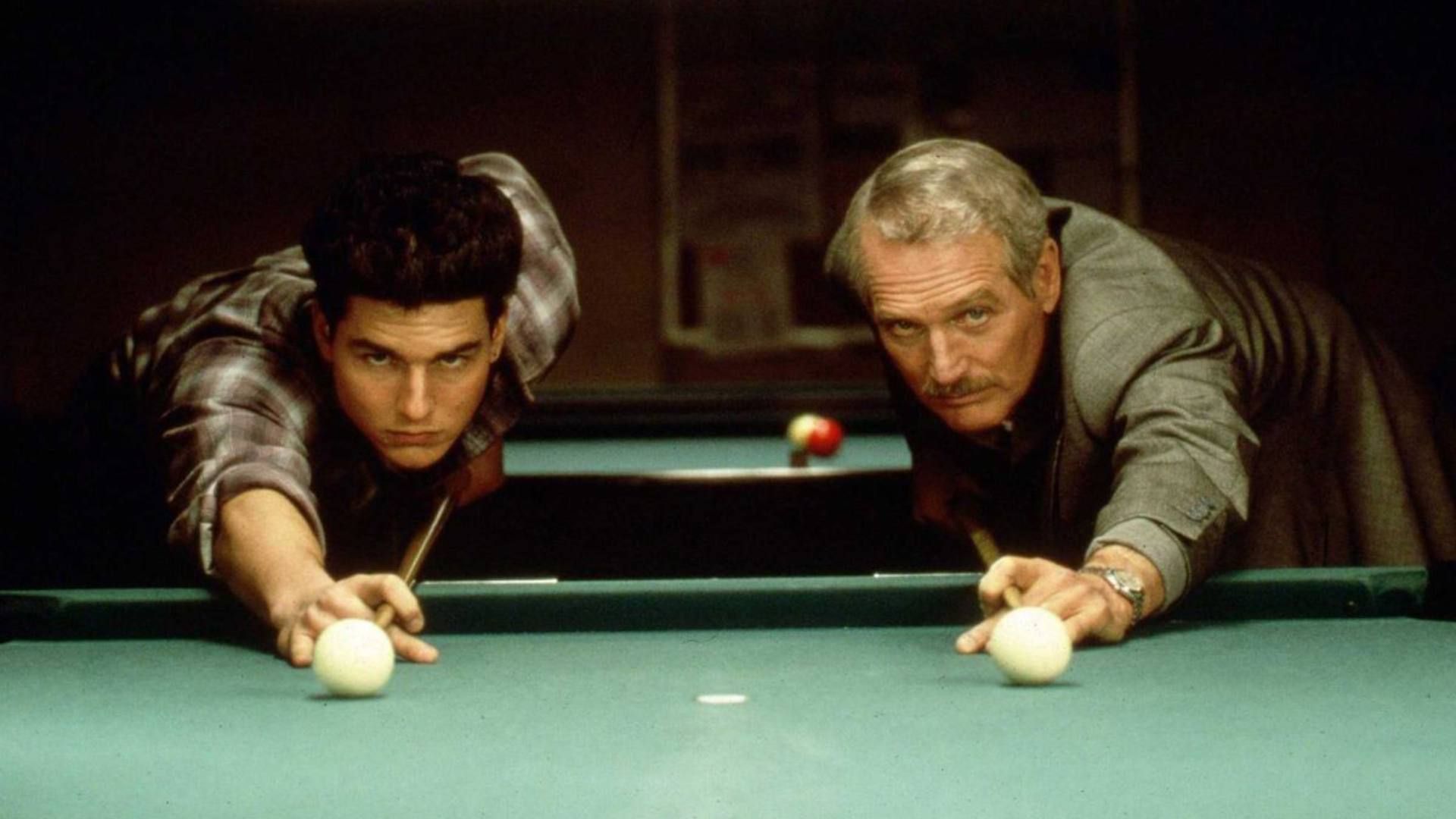
It might be surprising, but Tom Cruise and Paul Newman actually worked together nearly 40 years ago in Martin Scorsese’s film, The Color of Money. Cruise plays Vincent Lauria, a talented but rough pool player who learns the tricks of the trade from retired hustler Eddie Felson, portrayed by Newman, and quickly becomes a world-class player himself.
Before Martin Scorsese and Tom Cruise were widely known for their love of film, The Color of Money became one of Scorsese’s most commercially successful movies, and it remains so today. However, despite the significance of their partnership, Cruise’s serious acting performance, and Scorsese trying his hand at a different type of film, many modern viewers have forgotten about The Color of Money.
Paul Newman Won His First Oscar For The Color Of Money
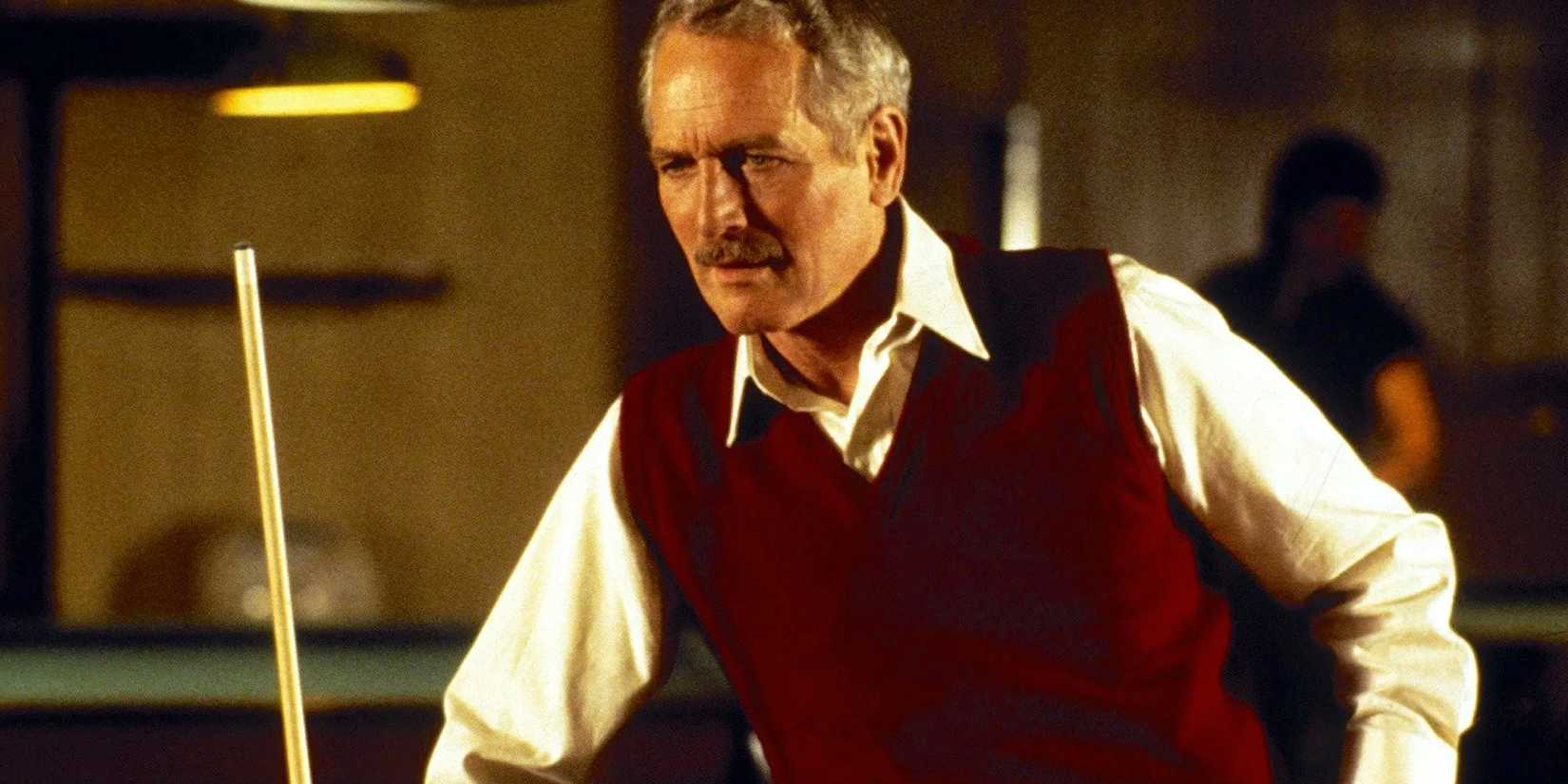
Most people don’t realize that The Color of Money is actually a sequel, but it’s a sequel for a different actor. The character of Eddie Felson was first introduced in the 1961 film The Hustler, starring Paul Newman. The Color of Money takes place 25 years later, showing an Eddie Felson who has aged 25 years since his appearance in The Hustler.
Newman brilliantly portrays the weariness of age through his physical performance as the older Eddie, a man who recognizes echoes of his younger self in Vincent, played by Cruise. He skillfully balances the desire to mentor someone with the temptation to return to his former life as a hustler, a nuanced performance that finally earned him an Academy Award in 1987 – 25 years after his initial nomination for The Hustler.
Other Sports Movies Should Learn From Its Cinematography And Editing
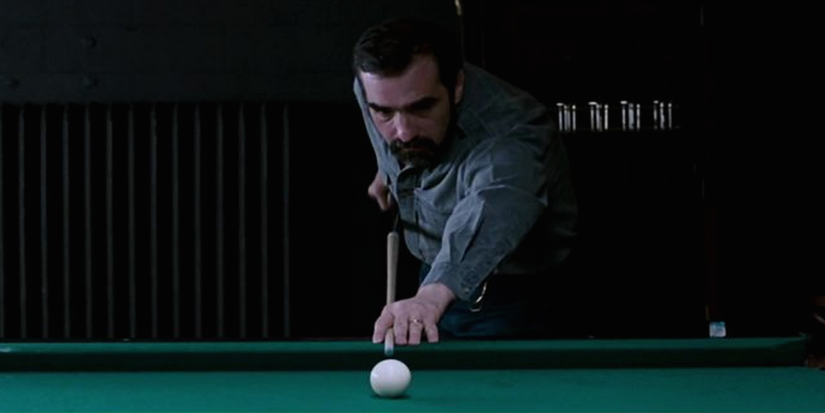
A recent sports film known for its exciting visuals, like Marty Supreme, also centers around a small ball and a playing surface. However, while Marty Supreme emphasizes the players’ mental game during ping-pong matches, The Color of Money presents pool as a graceful dance, with the balls moving across the table in time with the sound of the cues.
Cinematographer Michael Ballhaus and editor Thelma Schoonmaker create the feel of the game in The Color of Money by using fluid camera movements—like tracking, panning, and dolly shots—that follow the billiard balls. They skillfully cut between different viewpoints and moments in time, mirroring the relaxed and strategic approach of the hustlers. This film is celebrating its 40th anniversary in 2026 and remains a cinematic achievement.
The Color Of Money Proves Martin Scorsese’s Versatility

Martin Scorsese is known for his intense, often violent crime films like Taxi Driver, Raging Bull, GoodFellas, Casino, The Departed, and The Wolf of Wall Street, which often offer a critical look at society. However, he’s a remarkably versatile director, and films like Hugo and New York, New York prove he’s capable of much more than just gritty crime dramas.
Just as with his boxing films, Scorsese demonstrates his skill with sports stories in The Color of Money, but in a more nuanced way. The film prioritizes character development and emotional depth, allowing the actors to shine, and its deliberate pacing ensures that every moment resonates with the audience.
Tom Cruise Has Worked With A Host Of Influential Directors
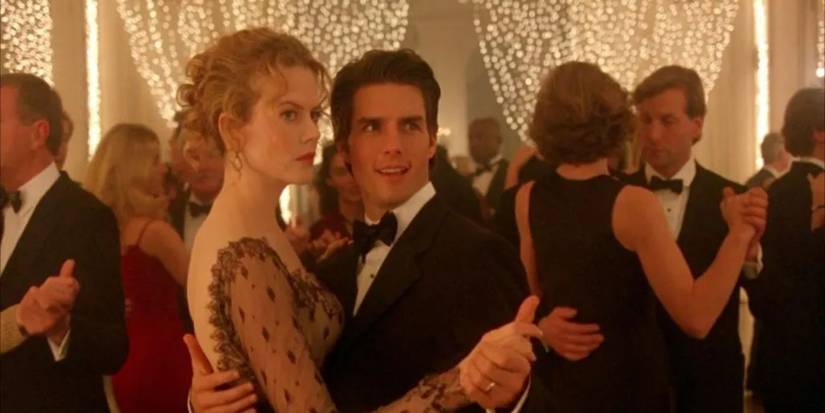
Being in a Tom Cruise movie can significantly boost an actor’s career, as seen with Joseph Kosinski. While his film TRON: Legacy shares some themes with the blockbuster Top Gun: Maverick, it didn’t bring him the same level of fame. Tom Cruise has starred in a surprisingly diverse range of films, which explains his lasting power and influence in Hollywood.
Tom Cruise received his only Oscar nomination this century for his role in Paul Thomas Anderson’s Magnolia. Throughout his career, he’s collaborated with many acclaimed directors, including Stanley Kubrick (Eyes Wide Shut), Ridley Scott (Legend), Francis Ford Coppola (The Outsiders), Rob Reiner (A Few Good Men), and Michael Mann (Collateral). It would be great to see him revisit a role in a sequel, similar to how Newman returned to The Color of Money.
Read More
- These Cartoon Reboots Totally Missed the Point of the Originals (& Went Downhill Fast)
- Gold Rate Forecast
- Total Football free codes and how to redeem them (March 2026)
- Top 5 Best New Mobile Games to play in May 2026
- $292M KelpDAO Exploit: LayerZero Uncovers Single-Verifier Flaw in Massive Hack
- Netflix’s Best Stranger Things Replacement Officially Takes America By Storm
- Zenless Zone Zero version 2.8 ‘New: Eridan Sunset’ update will release on May 6, 2026
- 6 Animated Movie Trilogies Where Every Entry Is Near-Perfect
- The SATISFY x adidas Adizero Adios Pro 4 Debuts in Three Earthy Colorways
- Maggie Smith’s sons “deeply touched” by huge honour to the late “national treasure”
2026-04-20 18:59