Finance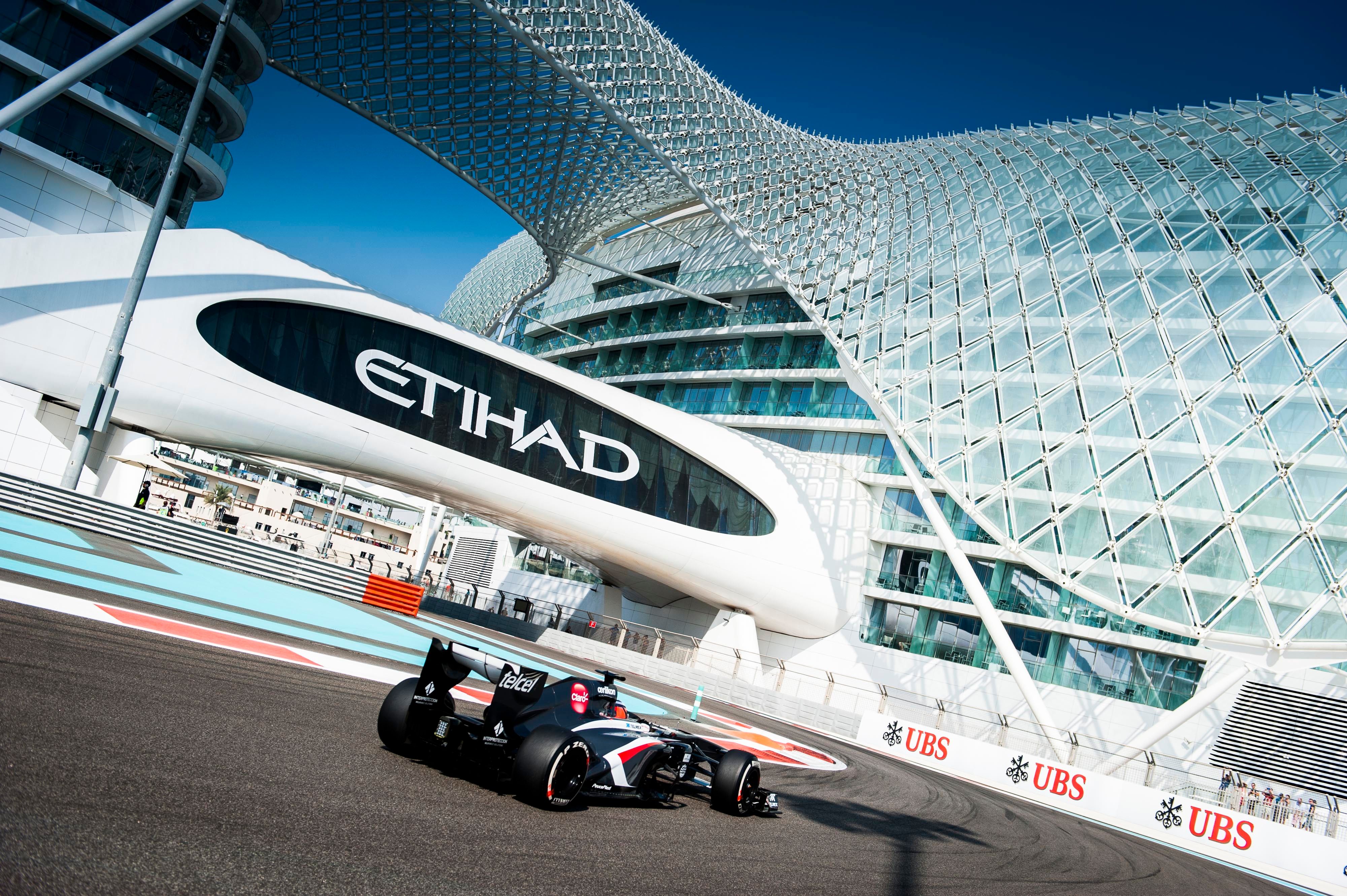
What to Know:
- Major crypto events in Dubai, including TOKEN2049 (postponed to 2027) and TON Gateway (canceled), were disrupted by security concerns and travel issues related to the conflict. One might say the Middle East’s geopolitical drama has rendered even the most lucrative crypto conferences as reliable as a well-dressed dachshund in a tornado.
- The cancellation of the Bahrain and Saudi F1 Grand Prixs directly impacts multi-million dollar sponsorships from major crypto exchanges like OKX, Crypto.com, and Bybit. A fitting irony, given that these exchanges once believed they could buy influence with the same ease as a Victorian gentleman purchasing a mistress.
- Other major business events across the UAE, such as Middle East Energy Dubai and the Dubai International Boat Show, have also been postponed or delayed. One wonders if the Gulf’s elite now prefer their conferences as unpredictable as a Shakespearean tragedy.
The ongoing war in the Middle East hasn’t just disrupted the flow through the Strait of Hormuz, but it has also hit a plethora of high-profile business events in the region, including major crypto conferences. A delightful reminder that even the most polished of ventures can be derailed by the same forces that once toppled empires.
TOKEN2049 Dubai, one of the largest crypto conferences in the world, will not take place this year. Organizers said the event, originally scheduled for late April, has been postponed to April 21-22, 2027, due to ongoing uncertainty in the region. One might argue that the organizers have finally mastered the art of delaying gratification-albeit with a 10-year delay.
The conference typically attracts more than 15,000 attendees, including founders, venture investors, developers and exchange executives. A gathering so grand it could rival the social gatherings of the 19th-century aristocracy, albeit with fewer corsets and more NFTs.
Organizers said concerns around safety, international travel and logistics played a central role in the decision. Tickets and registrations will remain valid for next year’s event. A gesture as generous as a charity auction for the poor, but with far fewer tears.
And this is just one of the crypto events.
TON Gateway Dubai, another crypto gathering, has been canceled outright. The event focused on The Open Network ecosystem and was expected to bring developers and partners working on the TON blockchain together in early May. The team behind the event said it scrapped the in-person conference due to heightened security risks in the region, and that those who purchased tickets received full refunds. A rare instance of corporate generosity, akin to a philanthropist donating to a cause they’ve never heard of.
The impact has also reached global sports. The Bahrain Grand Prix scheduled for April 12 and the Saudi Arabian Grand Prix on April 19 are set to be canceled due to safety risks tied to the conflict, including nearby military strikes, disrupted airspace and travel complications for teams and staff. A fitting end to a season that once promised more thrills than a cabaret in Montmartre.
Formula 1 and the FIA are expected to formally confirm the decision over the weekend. One imagines the boardroom filled with the same tension as a dinner party where the guest of honor is a disgruntled ex-lover.
Later Middle East races are still scheduled for now, including the Qatar Grand Prix and the season-ending Abu Dhabi Grand Prix in December. However, organizers are closely monitoring the regional security situation as travel and logistics remain uncertain across the Gulf. A situation as volatile as a champagne toast at a political summit.
The disruptions extend beyond crypto and motorsport. Several major business events in the UAE have also shifted dates. Middle East Energy Dubai, a large trade show that usually draws tens of thousands of attendees, has been moved to September. Affiliate World Global postponed its Dubai edition to 2027, while the Dubai International Boat Show has delayed its next event without announcing new dates. A calendar as chaotic as a Shakespearean play with a cast of 50.
Some sporting events across the region have also been postponed, including tennis tournaments in the UAE and football matches tied to Asian competitions. A reminder that even the most predictable of events can be upended by the same forces that once inspired Homer.
Crypto Industry Impact
The Formula 1 cancellations carry additional implications for the cryptocurrency industry, which has become one of the sport’s largest sponsor categories. A curious alliance, akin to a philosopher sponsoring a circus act.
Exchanges and blockchain companies have spent tens to hundreds of millions of dollars on F1 partnerships to reach a global audience and target fast-growing markets in the Middle East. A testament to the adage that money talks-and in this case, it shouts.
Cryptocurrency exchange OKX, which was recently valued at $25 billion, has been a primary partner of McLaren since 2022. It maintains prominent branding across the team’s cars, driver suits and trackside activations. One might say OKX has gone from being a digital currency to a digital billboard.
Crypto.com serves as a global Formula 1 partner through 2030, while exchanges such as Bybit have previously signed deals worth up to $150 million with top teams like Red Bull Racing. Kraken, Coinbase and Binance are also sponsors of motorsports that may be affected. A veritable who’s who of crypto’s most gilded partnerships.
OKX and Crypto.com didn’t immediately reply to the request for comments. A silence as eloquent as a diplomat’s pause before a lie.
When a sponsored team reaches the podium, logos appear during televised ceremonies, interviews and trophy presentations, moments watched by a global audience of more than a billion viewers each year. A spectacle as enduring as a Shakespearean sonnet, though far less likely to be memorized.
For Dubai-based and regional exchanges, the Bahrain and Saudi races were especially valuable because they connect global broadcasts with a local audience in the Gulf, one of the world’s most active crypto markets. A strategic move as calculated as a chess match played by a grandmaster with a penchant for theatrics.
The hit carries weight because of Dubai’s role in the global crypto industry. Over the past few years, the emirate has positioned itself as one of the world’s most active crypto hubs. A feat as impressive as a camel learning to dance the waltz.
A tax-friendly environment and the creation of the Virtual Assets Regulatory Authority, an independent regulator for the sector, helped attract exchanges, venture funds and startup teams seeking clearer rules than those found in many other jurisdictions. A regulatory framework so clear it could be mistaken for a desert mirage.
Companies, including Binance, have built large operational footprints in the city, turning Dubai into a central meeting point for the global Web3 sector. A hub so bustling it could rival the Grand Bazaar of Istanbul, albeit with more blockchain jargon.
Read More
- ‘Project Hail Mary’s Unexpected Post-Credits Scene Is Worth Sticking Around
- Beyond Accuracy: Gauging Trust in Human-AI Teams
- Gold Rate Forecast
- The most surprising Hannah Montana cameos: From John Cena to Dwayne Johnson and even a Coronation Street soap star as show celebrates its 20th anniversary
- Limbus Company 2026 Roadmap Revealed
- EMEA Masters Winter 2026 introduces official Qualifier for Esports World Cup
- Genshin Impact Version 6.5 Leaks: List of Upcoming banners, Maps, Endgame updates and more
- Brawl Stars Sands of Time Brawl Pass brings Sandstalker Lily and Sultan Cordelius sets, along with chromas and more
- Total Football free codes and how to redeem them (March 2026)
- Brawl Stars Brawl Cup Pro Pass arrives with the Dragon Crow skin and Chroma, unique cosmetics, and more rewards
2026-03-14 21:16