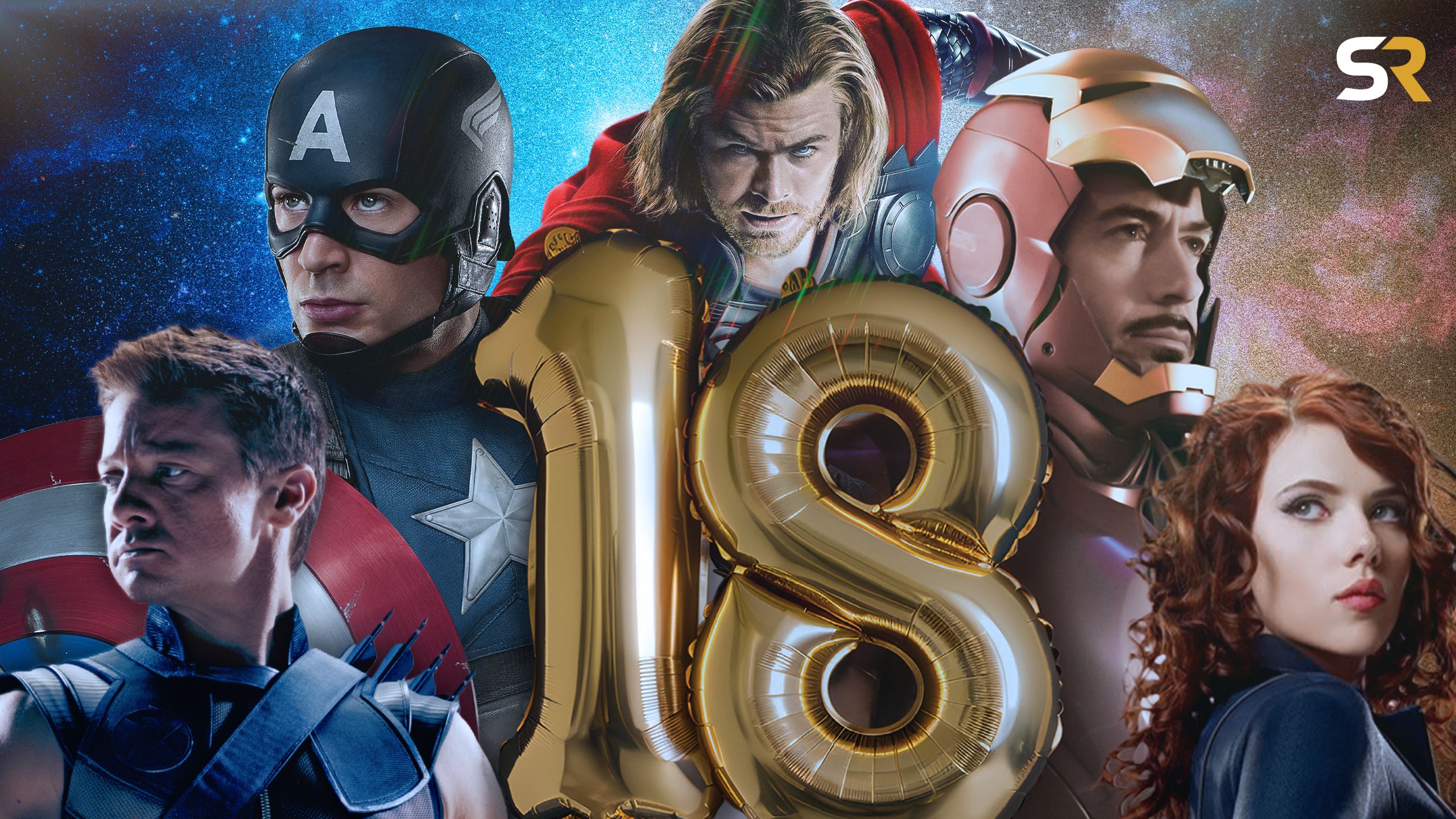
I can’t believe it, but the Marvel Cinematic Universe is officially 18 years old today! It feels surreal to think about. If it were a person, they’d be coming of age – old enough to vote, serve, and make their own choices. As a huge fan, it’s amazing to see how far this $30 billion franchise has come, and I’m so excited to see what the future holds for the MCU. It’s a real milestone, and a perfect time to celebrate everything Marvel’s built!
The Marvel Cinematic Universe (MCU) began on May 2, 2008, with the film Iron Man. Directed by Jon Favreau and starring Robert Downey Jr., the movie was well-received by critics and earned $585.8 million worldwide. But the real turning point was the scene after the credits, which introduced Samuel L. Jackson as Nick Fury and hinted at the formation of the Avengers.
As a huge movie fan, I remember when the Marvel Cinematic Universe really changed things. Superhero movies weren’t exactly new, but what Marvel did was different. It wasn’t just about following one hero in a series of films; they built up a whole team, promising these characters would eventually unite. Honestly, it was a game-changer. Everyone in Hollywood tried to copy that formula, trying to build their own connected universes, but nobody ever quite managed to pull it off like Marvel did.
After 37 movies and 13 TV shows, the Marvel Cinematic Universe has become a massive force in the entertainment industry. However, it hasn’t been perfect. As the MCU celebrates its 18th anniversary, let’s examine its journey, its missteps, and its future direction.
Over The Past 18 Years, The MCU Has Seen Tremendous Success

At the beginning of the Marvel Cinematic Universe, its success wasn’t guaranteed. While early films in Phase 1 hinted at the future villain Thanos, the ambitious team-up event that became Avengers: Endgame was just an idea at the time. The initial focus of Phase 1 was simply to prove that this shared universe concept could work—and it definitely did.
Following a slightly shaky second film, The Incredible Hulk, and successful introductions of Thor and Captain America, The Avengers was the real proving ground for the Marvel Cinematic Universe. Directed by Joss Whedon, the team-up movie was a huge hit, dominating the summer of 2012 box office and earning $1.52 billion worldwide. It was the first of what would become nearly a dozen MCU films to reach the $1 billion mark.
Above all, The Avengers showed that Marvel Studios could actually fulfill its ambitious plan for the Marvel Cinematic Universe: to bring a wide range of comic book heroes together in epic team-up movies. After proving it was possible, the focus shifted to how far Marvel could take these crossovers. The 2019 release of Avengers: Endgame definitively answered that question.
Even now, over seven years after its release, Avengers: Endgame is still the most ambitious crossover event in Hollywood history. The film brought together a huge cast of famous actors for an epic battle to save the world. All six of the original Avengers stars reprised their roles, and they were joined by a vast ensemble of other Marvel actors, delivering on a story the studio had been developing for more than a decade.
Avengers: Endgame was a phenomenal success, earning $2.799 billion worldwide and briefly becoming the highest-grossing movie ever made. While James Cameron’s Avatar later reclaimed that title with a re-release, Endgame’s impact on popular culture is undeniable. Marvel aimed to do something groundbreaking with its superhero universe, and Endgame ultimately secured the Marvel Cinematic Universe’s legacy in Hollywood history.
In Recent Years, The MCU Has Faced Its Biggest Challenges

Since the release of Avengers: Endgame, the Marvel Cinematic Universe has faced some challenges. The COVID-19 pandemic caused delays for films like Black Widow. Then, the 2023 writers and actors strikes created further setbacks, including a limited promotional push for The Marvels, which unfortunately became the lowest-performing Marvel movie at the box office.
Most significantly, Disney+—the streaming service owned by Marvel’s parent company—launched, and Marvel Studios was required to produce new content for it. This marked the first time Marvel created TV shows, specifically for the platform. While adding more Marvel content seemed positive initially, it ultimately stretched the creative leaders, like Kevin Feige, too thin.
I’ve noticed a real shift in the Marvel Cinematic Universe lately, and I think it stems from how much content is being released. When it was just a few movies a year, Kevin Feige could really oversee everything closely. But with Disney+ adding all those shows, it seems like he just doesn’t have the time to give each project the attention it deserves. Honestly, I think a lot of projects have suffered because of that lack of oversight, and it’s starting to show – we’re seeing lower numbers at the box office and fewer people tuning in to watch.
| Marvel Cinematic Universe Movies Phases 4-6 | ||
|---|---|---|
| Black Widow | July 9, 2021* | $379.8 million |
| Shang-Chi and the Legend of the Ten Rings | September 3, 2021 | $432.2 million |
| Eternals | November 5, 2021 | $402.1 million |
| Spider-Man: No Way Home | December 17, 2021 | $1.921 billion |
| Doctor Strange in the Multiverse of Madness | May 6, 2022 | $955.8 million |
| Thor: Love and Thunder | July 8, 2022 | $760.9 million |
| Black Panther: Wakanda Forever | November 11, 2022 | $859.2 million |
| Ant-Man and the Wasp: Quantumania | February 17, 2023 | $476.1 million |
| Guardians of the Galaxy Vol. 3 | May 5, 2023 | $845.6 million |
| The Marvels | November 10, 2023 | $206.1 million |
| Deadpool & Wolverine | July 26, 2024 | $1.338 billion |
| Captain America: Brave New World | February 14, 2025 | $415.1 million |
| Thunderbolts* | May 2, 2025 | $382.4 million |
| The Fantastic Four: First Steps | July 25, 2025 | $521.9 million |
| *Released concurrently on Disney+ with Premier Access |
One of the challenges facing the Marvel Cinematic Universe after Endgame is Disney’s push for a large amount of Marvel content for Disney+. However, that’s not the only problem. The first three phases of the MCU were built around Avengers films that united the characters and rewarded the franchise’s interconnected stories. But by the time Avengers: Doomsday comes out in December, it will have been seven years since the last Avengers movie, with 15 films and 23 seasons of television released in between.
The Marvel Cinematic Universe is currently struggling because it’s become too sprawling and disconnected. Characters are often introduced and then forgotten, and promised storylines from after-credit scenes rarely materialize. This lack of focus has caused many casual viewers to lose interest, and even dedicated fans are finding it hard to stay invested in the complicated multiverse saga. Marvel isn’t delivering on the satisfying conclusions audiences used to expect.
The Marvel Cinematic Universe is reaching a critical moment as it enters its 19th year. What happens next will be key to how long Marvel Studios can continue building its successful film series.
How Will The MCU Last Another 18 Years?

Ever since Avengers: Endgame, Marvel fans have wondered how the Marvel Cinematic Universe (MCU) could continue successfully as original characters and actors moved on. Phase 4 of the MCU tried mixing returning Avengers with new heroes, but without major team-up events or a clear, connected story, many viewers weren’t sure what to watch to get the satisfying experience they expected from a Marvel movie.
Marvel’s Kevin Feige is working to make recent movies easier to enjoy without needing to know a lot of backstory from previous films, but the upcoming movies will still offer special moments for dedicated fans. This summer’s Spider-Man: Brand New Day will bring back Tom Holland as Spider-Man, alongside familiar faces like Hulk (Mark Ruffalo) and The Punisher (Jon Bernthal, from the Netflix series). Then, in December, Avengers: Doomsday is planned to wrap up several ongoing storylines within the Marvel universe.
Next year, Marvel is planning a massive crossover event with Avengers: Secret Wars that will combine heroes from both the Avengers and X-Men universes for the first time. The film will pit these iconic characters against Robert Downey Jr.’s Doctor Doom and conclude Marvel’s Multiverse Saga. Like Endgame, the movie is designed to bring together popular characters in a huge, climactic battle, and is expected to be even more expansive. However, the question remains: what happens after such a large-scale event?
Marvel Studios can’t keep bringing back old actors and characters forever, and with huge events like Doomsday and Secret Wars on the horizon, that point could arrive as early as next year. To keep the Marvel Cinematic Universe going, it needs a fresh start. Luckily, it looks like Marvel is already preparing for that.
Before the MCU, superhero franchises always revolved around a single character — Superman, Batman, Spider-Man — or, in the case of Fox’s X-Men series, a team. Despite the scale of its cinematic universe, the MCU essentially hinged on the Avengers, a lesson driven home by how much the franchise floundered when there were no Avengers movies. If the MCU is going to continue, it needs to make clear to audiences who the central characters of the franchise are, and will be going forward.
Marvel hasn’t revealed much about its plans after the Secret Wars event, but we know they’re working on an X-Men movie for the Marvel Cinematic Universe. Like the comics, the MCU might shift to focus on a few key teams and characters – potentially including the X-Men and Avengers – while still allowing characters like Daredevil to have their own stories within the same universe, even if they aren’t central to the main plot.
It’s still unclear what Marvel’s plans are for the future of the Marvel Cinematic Universe after the upcoming Avengers: Doomsday and Avengers: Secret Wars films. We might find out more at this year’s San Diego Comic-Con, or possibly next year’s. For now, fans are hoping Marvel has taken the right lessons from its projects since Endgame and can build a franchise that lasts for many years to come.
Just like an 18-year-old figuring out their future, the Marvel Cinematic Universe is moving into a new phase. It’s time to look back at what’s been successful, learn from any missteps, and plan what comes next. Marvel has proven it can deliver, and now it faces some crucial choices that will shape its future.
Let’s hope Marvel steers clear of silly mishaps and keeps making smart choices, so the Marvel Cinematic Universe can continue thriving for another 18 years.
Read More
- First Look at Bad Bunny’s Exclusive Zara x Benito Antonio Collection
- Total Football free codes and how to redeem them (March 2026)
- PUBG Mobile x Harley-Davidson Partnership to introduce new Motor Cruise event with rewards and Skins
- Clash of Clans May 2026: List of Weekly Events, Challenges, and Rewards
- Farming Simulator 26 arrives May 19, 2026 with immersive farming and new challenges on mobile and Switch
- Honor of Kings x Attack on Titan Collab Skins: All Skins, Price, and Availability
- Honor of Kings April 2026 Free Skins Event: How to Get Legend and Rare Skins for Free
- ALLfiring Companion Tier List
- All Mobile Games (Android and iOS) releasing in May 2026
- Clash of Clans “Clash vs Skeleton” Event for May 2026: Details, How to Progress, Rewards and more
2026-05-02 14:47