Winning an Academy Award is the highest achievement for a film director. Many of the most celebrated directors working today, such as Steven Spielberg, Martin Scorsese, Francis Ford Coppola, James Cameron, Chloé Zhao, and Christopher Nolan, have received the Best Director Oscar. However, other talented filmmakers – including Spike Lee, Wes Anderson, Quentin Tarantino, Greta Gerwig, and Jordan Peele – are still in contention for the award.
Many celebrated filmmakers have passed away without ever receiving a Best Director Oscar. While numerous famous and impactful directors have won Academy Awards, a surprising number of greats never earned the top prize. Despite their incredible talent and lasting influence, these ten directors never won an Oscar for directing, and are considered among the best of all time.
Hal Ashby
Paramount Pictures
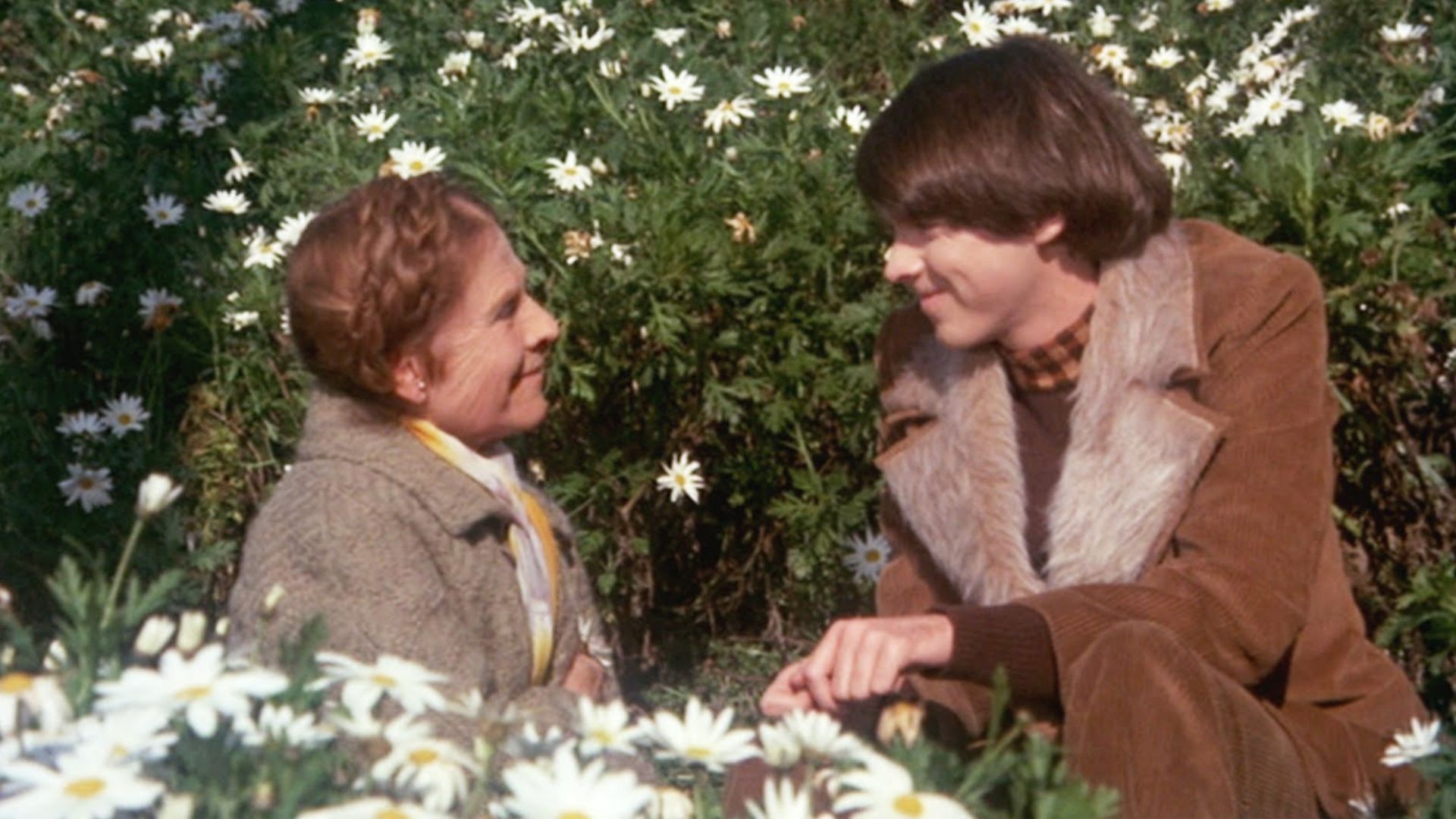
Hal Ashby directed some truly memorable films during the 1970s New Hollywood movement, like Harold and Maude, Being There, Shampoo, The Last Detail, and Coming Home. Despite his talent, he only received one Best Director nomination for Being There, losing to Michael Cimino’s The Deer Hunter. Ashby wasn’t known for big, flashy productions; he preferred smaller, more human stories, often focusing on characters who didn’t quite fit in. His films weren’t typical Oscar contenders then, and probably wouldn’t be considered serious award-winners even today. This serves as a good reminder that a fantastic film doesn’t always equal an “awards movie,” and a great director doesn’t need to focus solely on that type of filmmaking.
Howard Hawks
Columbia Pictures
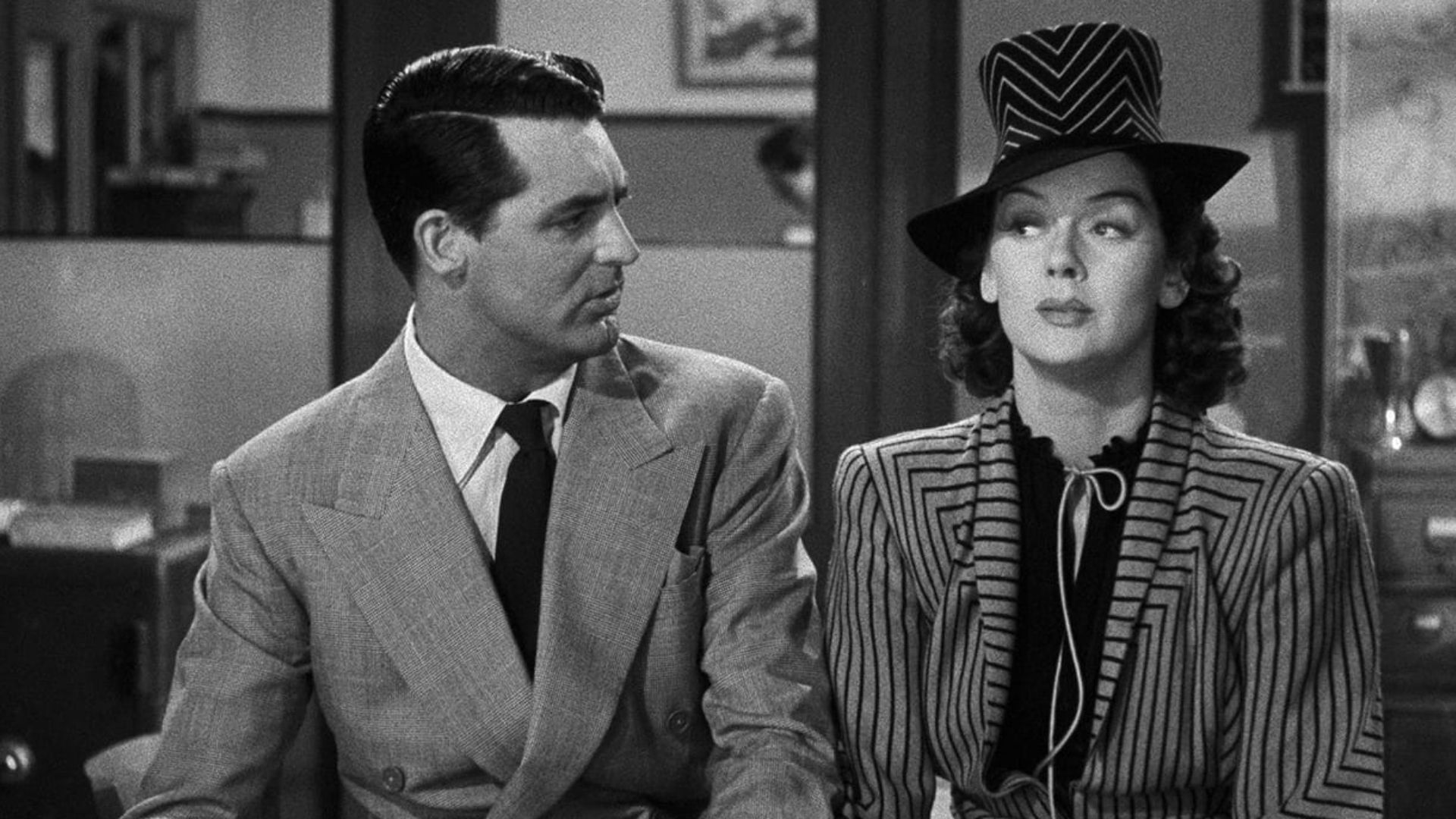
Film expert Leonard Maltin famously described Howard Hawks as America’s greatest director that most people haven’t heard of. Although Hawks received an honorary Academy Award in 1974, three years before he passed away, it’s surprising that the director behind classics like His Girl Friday, Rio Bravo, Bringing Up Baby, and the original Scarface never won the Best Director Oscar. He was nominated once for Sergeant York but lost to John Ford. Interestingly, Orson Welles also lost that same year. Despite this, Hawks’ influence on filmmaking is undeniable – directors like Martin Scorsese, Quentin Tarantino, and Michael Mann all cite him as an inspiration. In fact, French filmmaker Jean-Luc Godard boldly proclaimed Hawks to be “the greatest of all American artists,” proving he didn’t need an Oscar to be considered a master.
David Lynch
Universal/Courtesy Everett Collection
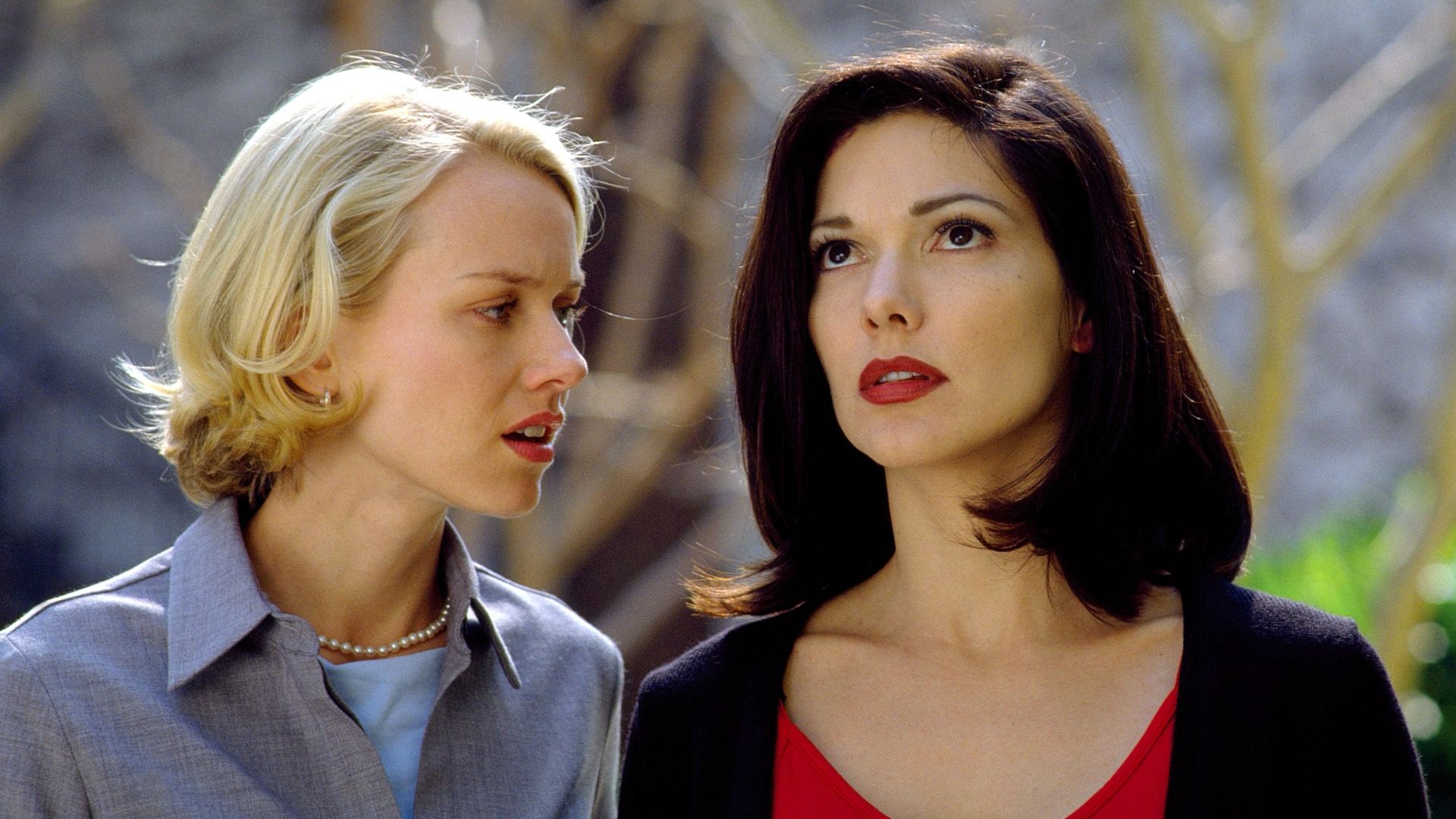
It’s been over a year since David Lynch died, and it still feels surreal. Lynch was a truly unique filmmaker, instantly recognizable for his dreamlike visuals and storytelling – a style now known as “Lynchian” and used to describe similar creative works. Though nominated for Academy Awards four times – including three for Best Director for films like The Elephant Man, Blue Velvet, and Mulholland Drive – he never took home a win. He did receive an honorary Oscar in 2019 recognizing his lifetime achievements. Throughout his career, Lynch always stayed true to his vision, creating some of the most original films of his time. He’s a perfect example of an artist whose brilliance wasn’t fully appreciated until long after his work was made.
Sidney Lumet

United Artists
Sidney Lumet is a prime example of a director receiving an Honorary Oscar from the Academy after consistently being overlooked in competitive categories. Though he directed critically acclaimed films like 12 Angry Men, Dog Day Afternoon, Network, and Before the Devil Knows You’re Dead, Lumet never won the Best Director Oscar. He came up during Hollywood’s Golden Age and skillfully blended classic filmmaking techniques with a more realistic, gritty style, particularly in his crime thrillers. Lumet was known for making socially aware films that remain powerfully relevant even today.
Robert Altman
Warner Bros.
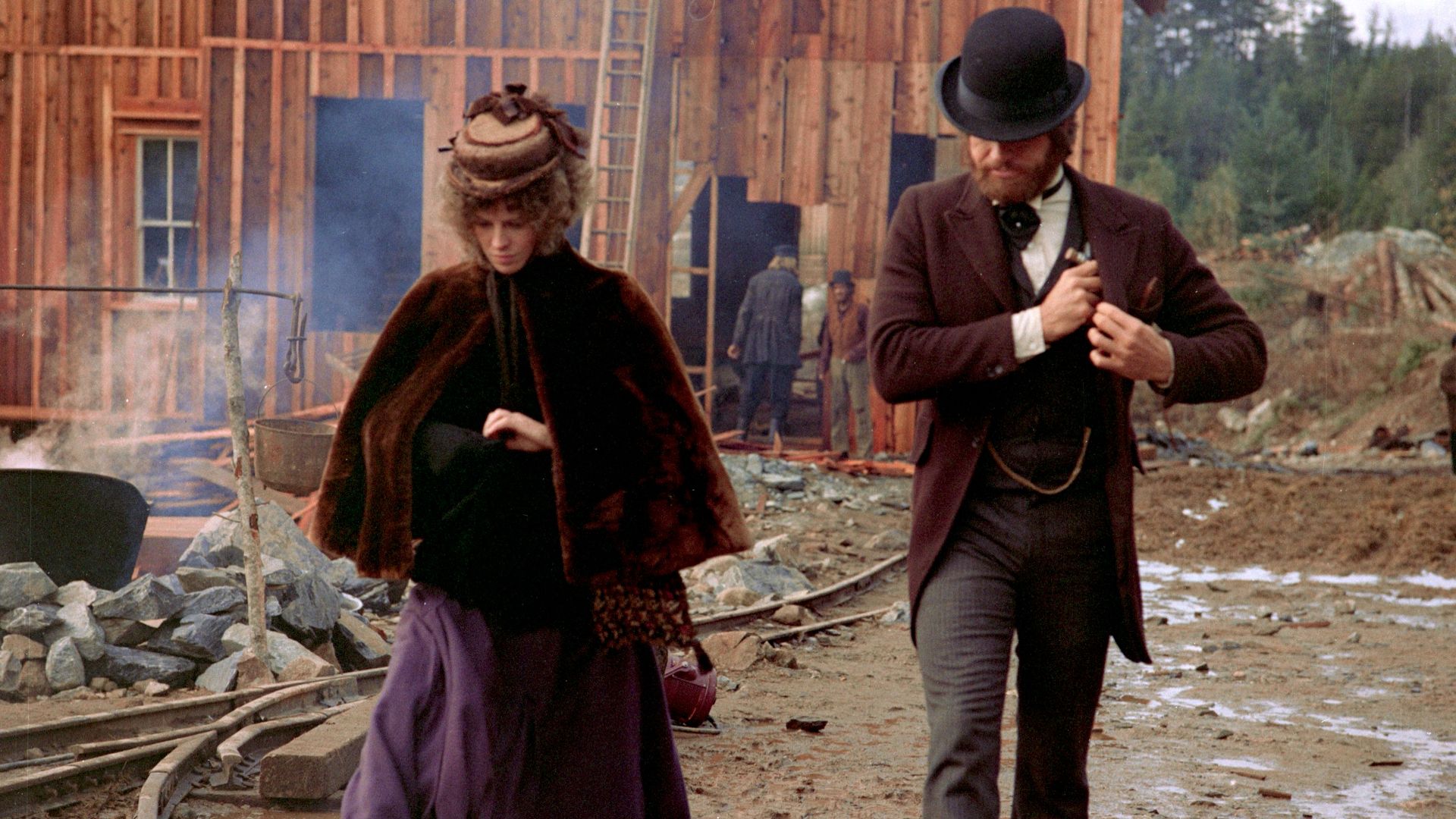
Robert Altman was a key director of the New Hollywood era, famous for films featuring many actors, dialogue that sounded like real conversations, and a playfully critical style. He was nominated for an Academy Award for Best Director five times for films like MASH, Nashville, The Player, Short Cuts, and Gosford Park – any one of which would be a career highlight for most filmmakers. Beyond those, he also created classics such as Brewster McCloud, McCabe and Mrs. Miller, The Long Goodbye, Popeye, and his last film, A Prairie Home Companion. His influence can be seen in the work of directors like Paul Thomas Anderson, Richard Linklater, Wes Anderson, and James Gunn. Despite his incredible body of work, it’s surprising he never actually won the Best Director Oscar.
Sergio Leone
Sergio Leone, a pioneer of the spaghetti western, is a hugely important figure in film history. The Italian director is famous for two series of films. The first, starring Clint Eastwood as the Man with No Name, is known as the Dollars trilogy and includes A Fistful of Dollars, A Few Dollars More, and The Good, the Bad, and the Ugly. His second series, the Once Upon a Time trilogy, features Once Upon a Time in the West, A Fistful of Dynamite, and Once Upon a Time in America. These two trilogies cement Leone’s place as one of cinema’s greatest directors, making it surprising that he never received an Academy Award nomination, let alone won one.
Orson Welles
RKO Radio Pictures
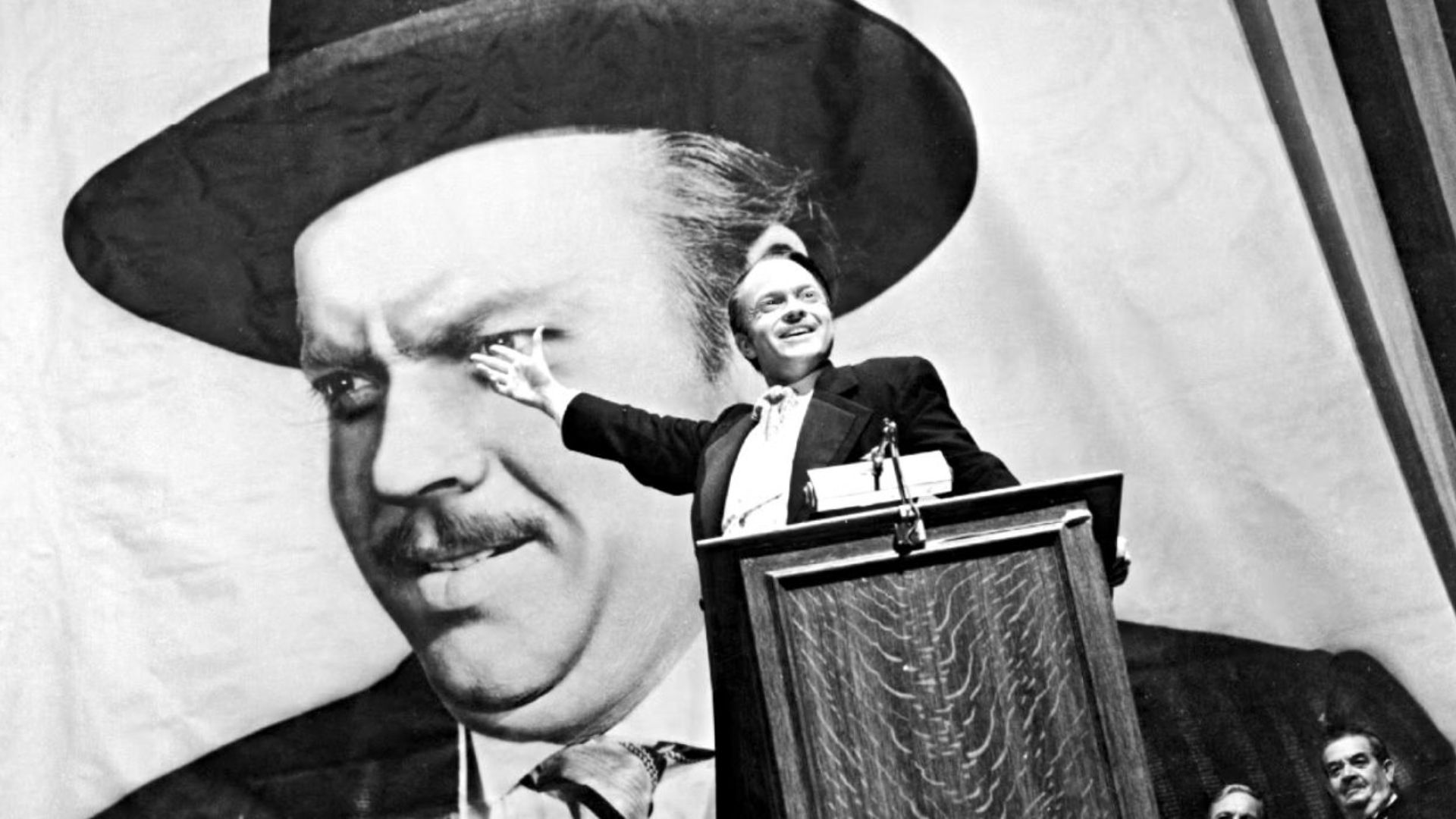
Many film experts consider Citizen Kane to be the greatest movie of all time. Orson Welles’ first film as a director was groundbreaking, but it initially sparked controversy. William Randolph Hearst, a powerful newspaper publisher who was portrayed in the film, tried to damage its reputation. This may explain why Welles didn’t win the Best Director Oscar, which instead went to John Ford (though Welles did win for Best Screenplay). Later, French New Wave filmmakers like Jean-Luc Godard, François Truffaut, and Agnès Varda rediscovered Citizen Kane, leading to its now-classic status. In 1970, Welles received an honorary Academy Award recognizing his remarkable career as both an actor and director.
Akira Kurosawa
Toho
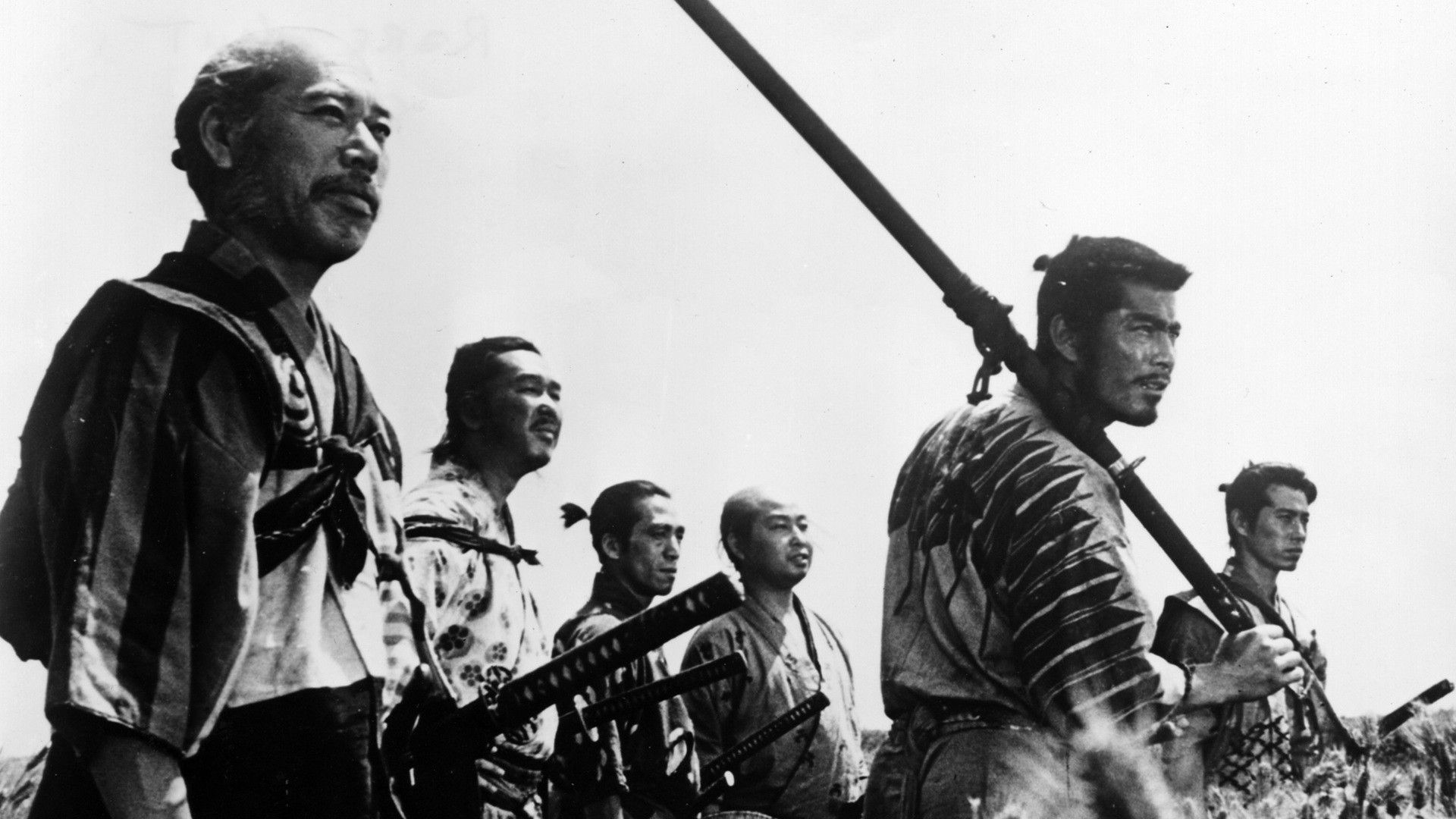
Akira Kurosawa directed many incredibly influential films, including Rashomon, Seven Samurai, Throne of Blood, The Hidden Fortress, Yojimbo, and High and Low. These movies have inspired countless filmmakers and even served as the basis for other classics like The Magnificent Seven, Star Wars, and Sergio Leone’s A Fistful of Dollars. Kurosawa was a master of visual storytelling, known for his striking compositions, dramatic long shots, and precise editing. His films often explored themes of honor, tradition, and family. Despite his enormous impact on cinema, he was only nominated for Best Director once—for Ran in 1985. However, Rashomon won an Academy Award for Best Foreign Language Film in 1950. Kurosawa’s true legacy isn’t measured in awards, but in his remarkable body of work and the continuing inspiration he provides to artists around the world.
Alfred Hitchcock
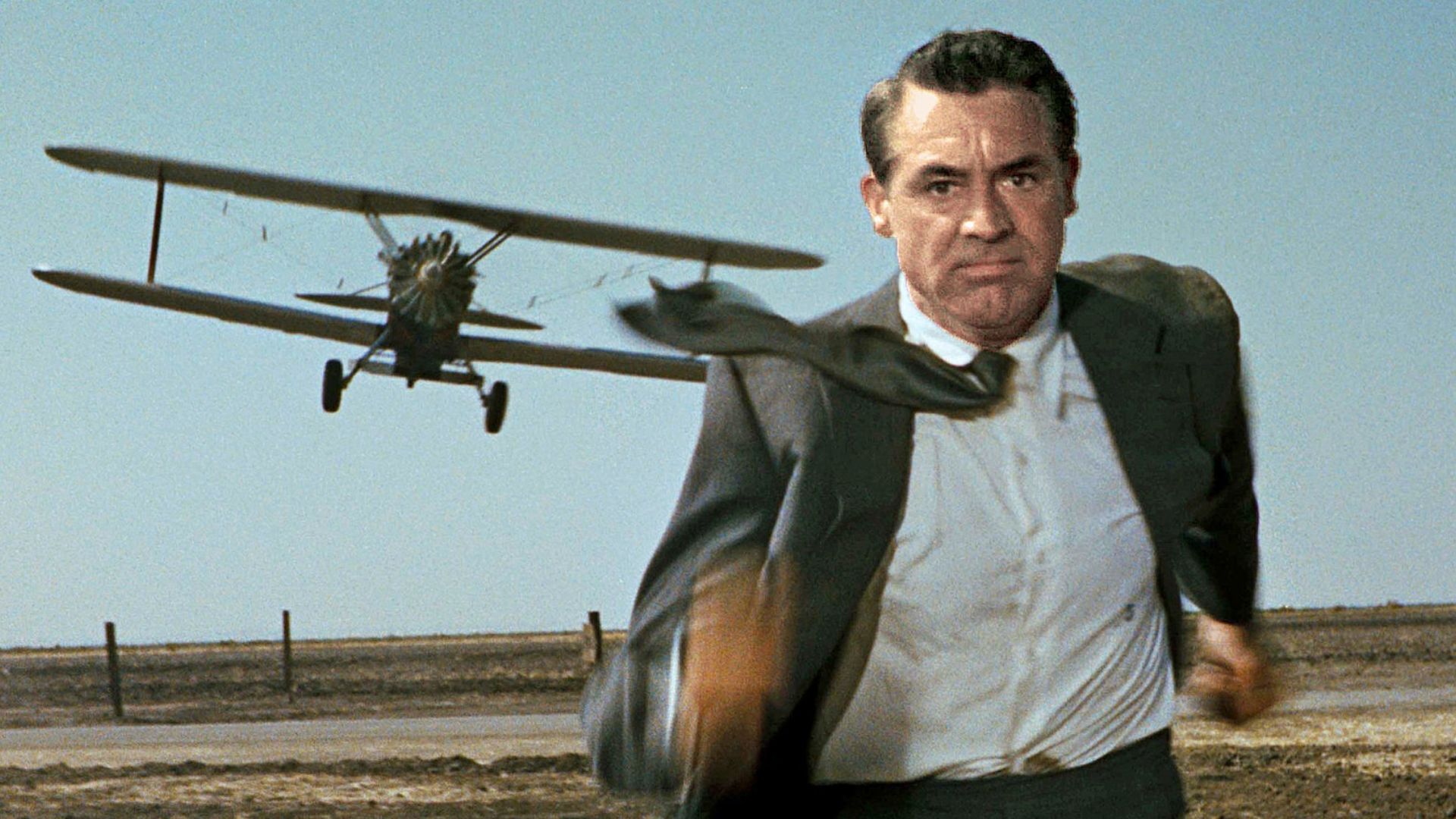
Alfred Hitchcock is arguably the most famous film director ever. Even people who haven’t seen his movies likely recognize his name and face. Known as the master of suspense, he created classic films like Psycho, Rear Window, The Birds, Vertigo, Strangers on a Train, North by Northwest, Dial M for Murder, and To Catch a Thief. Surprisingly, despite five nominations for Best Director, he never actually won the award. However, his film Rebecca did win Best Picture. Some believe his work hosting Alfred Hitchcock Presents on television led to disrespect from other filmmakers. Regardless, Hitchcock’s incredible films have left a lasting impact that goes beyond any award.
Stanley Kubrick
Many consider Stanley Kubrick to be one of the greatest filmmakers ever, and for good reason. His films – including classics like The Killing, Paths of Glory, Dr. Strangelove, Spartacus, 2001: A Space Odyssey, A Clockwork Orange, Barry Lyndon, The Shining, Full Metal Jacket, and Eyes Wide Shut – are consistently ranked among the best of all time. Despite being nominated for Best Director four times, he never won. While some losses, like Milos Forman winning for One Flew Over the Cuckoo’s Nest over Barry Lyndon, seem understandable, others – such as Carol Reed winning for Oliver! over 2001: A Space Odyssey – are hard to accept.
Subscribe to the newsletter for deeper Oscar stories
Get deeper context on directors, Academy history, and cinematic legacies by subscribing to the newsletter. The newsletter provides thoughtful analysis, curated recommendations, and historical perspective that deepen your appreciation of films and awards conversations.
It’s amazing to me how often Stanley Kubrick was misunderstood in his own time. While we now consider him a master, many of his films were either controversial when they first came out, or simply ignored. It’s almost unbelievable, but he even received a Razzie nomination for Worst Director for The Shining! And even after he passed away, the Academy Awards didn’t acknowledge his final film, Eyes Wide Shut. He never won an Oscar, but honestly? Twenty-seven years after his death, his films are still influencing filmmakers and finding new fans. To me, that enduring legacy is a far greater reward than any trophy.
Read More
- ‘Project Hail Mary’s Unexpected Post-Credits Scene Is Worth Sticking Around
- Beyond Accuracy: Gauging Trust in Human-AI Teams
- The most surprising Hannah Montana cameos: From John Cena to Dwayne Johnson and even a Coronation Street soap star as show celebrates its 20th anniversary
- Limbus Company 2026 Roadmap Revealed
- The Division Resurgence Specializations Guide: Best Specialization for Beginners
- After THAT A Woman of Substance cliffhanger, here’s what will happen in a second season
- Brawl Stars Sands of Time Brawl Pass brings Sandstalker Lily and Sultan Cordelius sets, along with chromas and more
- Clash of Clans April 2026 Gold Pass Season introduces a Archer Queen skin
- Total Football free codes and how to redeem them (March 2026)
- Brawl Stars Brawl Cup Pro Pass arrives with the Dragon Crow skin and Chroma, unique cosmetics, and more rewards
2026-03-15 21:35