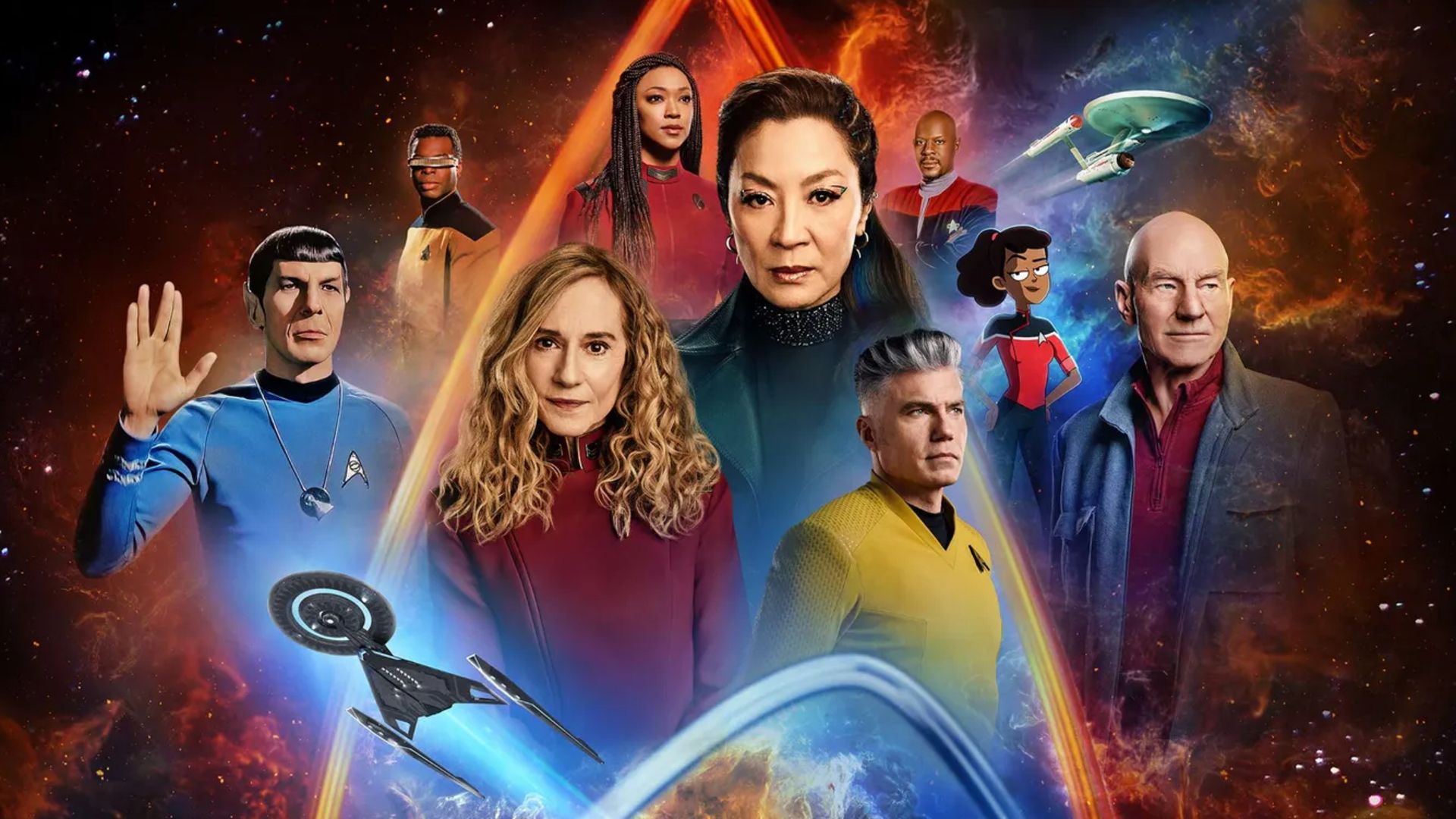
As a huge movie and TV fan, it’s amazing to think that Star Trek has been around for sixty years! It’s gone through so many different phases, and it all started with Gene Roddenberry trying to sell it as a space-based western – basically, Wagon Train in space! Nobody could have predicted then that the adventures of the Enterprise would become this massive, enduring franchise. We’re talking over a thousand TV episodes, fourteen films, and tons of other stuff like books, comics, video games, and even podcasts. It’s incredible how it’s continued to evolve and stay popular for so long.
Star Trek faced cancellation early on, but it made a huge comeback, becoming even more popular than before. After NBC canceled it after just three seasons, a dedicated fanbase grew, and it’s largely responsible for the modern idea of fandom. The Star Trek conventions that started in the 1970s were the beginning of cosplay and fan culture, which has now become a massive, multi-million dollar industry.
Gene Roddenberry, the creator of Star Trek, had a uniquely hopeful and welcoming vision of the future, which is a major reason the show remains so popular. Star Trek has evolved over the years, and fans across different generations often have different ideas about what the show should be. Despite these changes, the core ideals of Starfleet and the United Federation of Planets continue to drive the stories forward.
Star Trek On NBC Network Years – 1966 to 1969
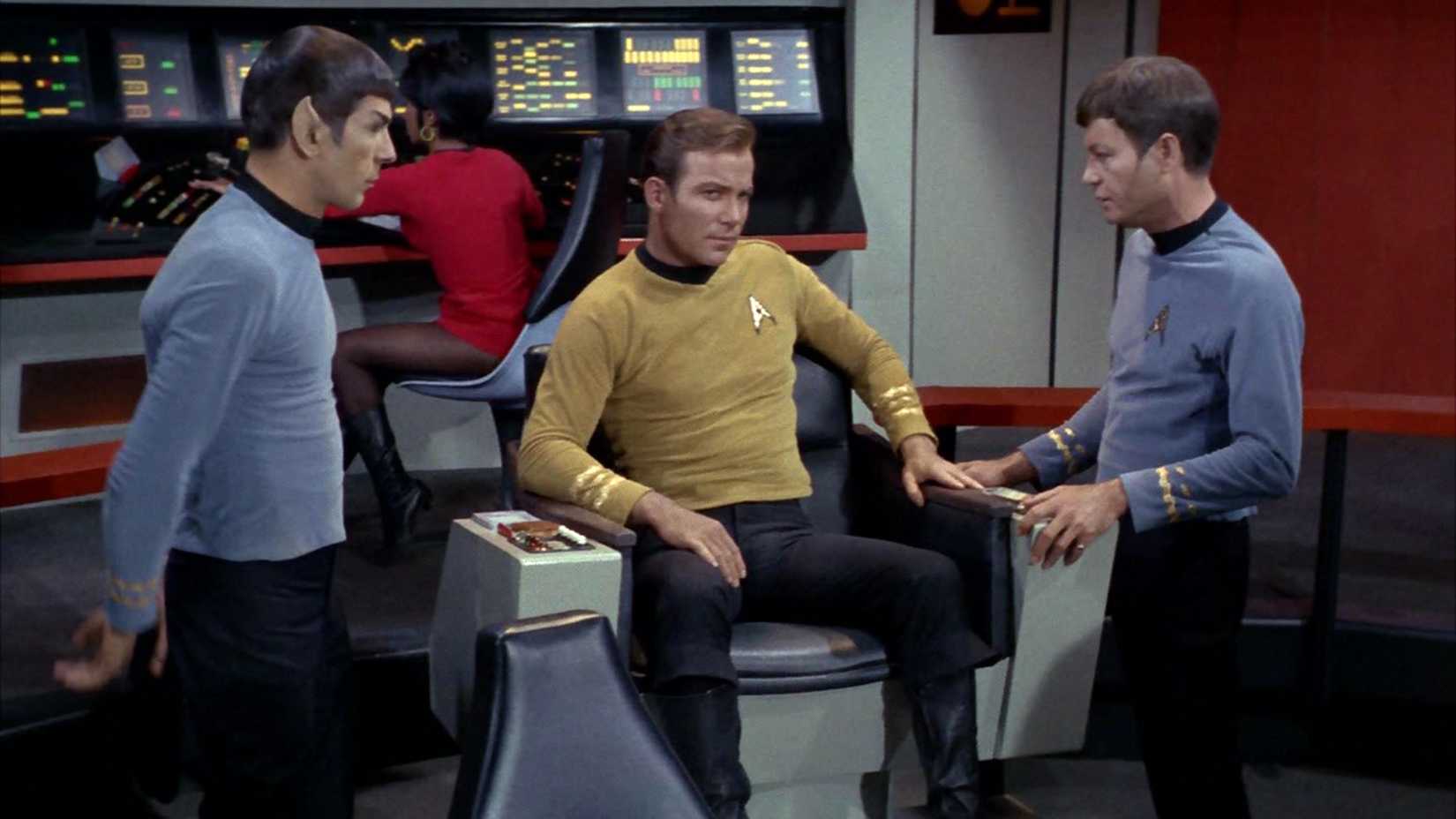
Star Trek originally aired on NBC from 1966 to 1969, running for three seasons. The show’s creator, Gene Roddenberry, led the series until viewership declined, leading to his departure due to disagreements with the network. Fred Freiberger took over as producer for the show’s third and final season, though Gene L. Coon was responsible for many of Star Trek’s most important creative aspects.
The original Star Trek series almost ended prematurely, but a dedicated campaign by fans Bjo and John Trimble convinced the network to keep it going for a third season. Unfortunately, NBC then scheduled the third season for Friday nights at 10pm – a timeslot known for low viewership – which ultimately meant Star Trek wouldn’t be renewed for a fourth season.
The first season of Star Trek had its ups and downs, but its best episodes remain some of the greatest science fiction ever made for TV. The original series laid the groundwork for everything Star Trek would become, and no one could have predicted how successful the franchise would eventually be.
Star Trek Syndication Years – The 1970s
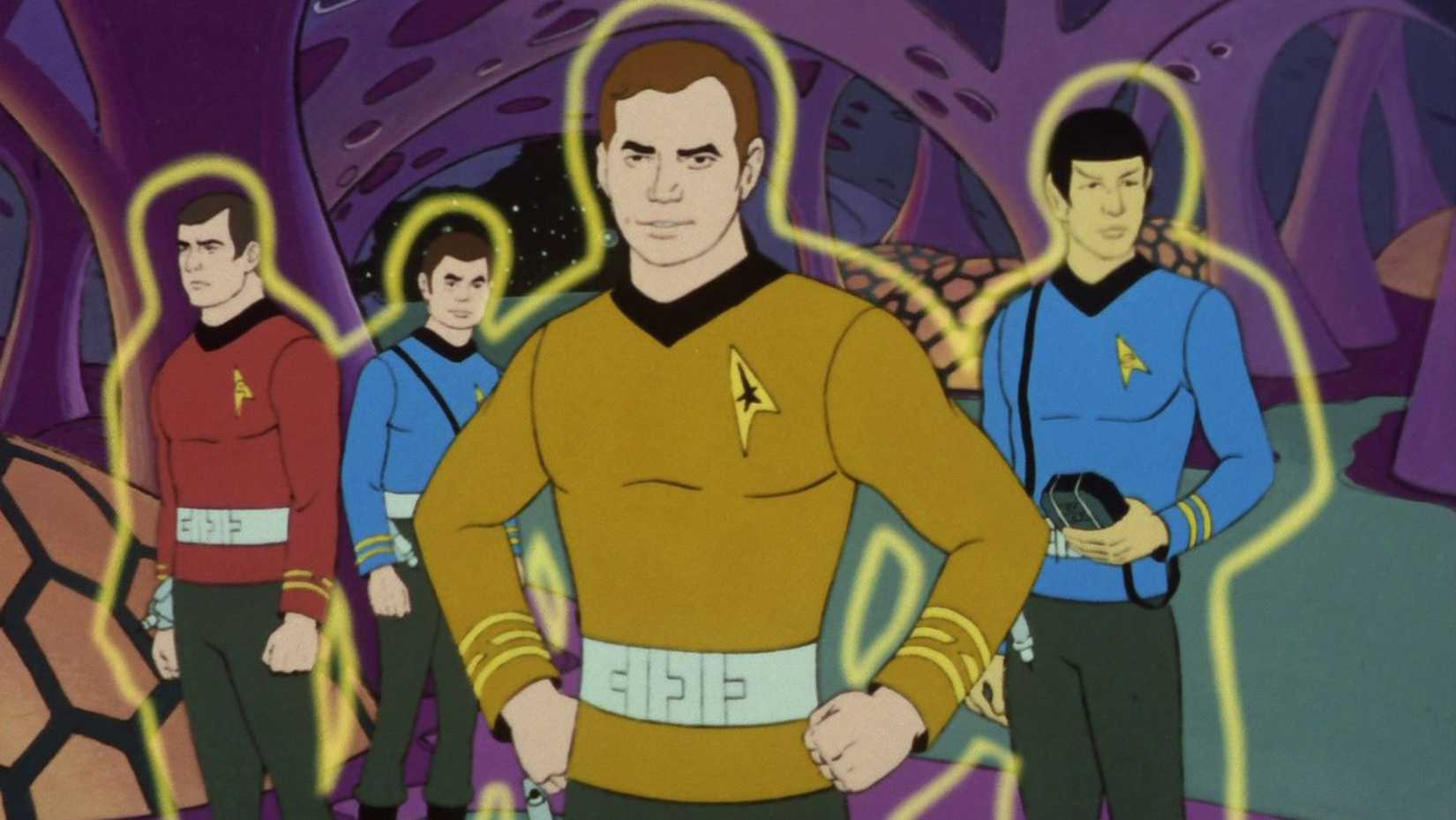
Star Trek originally aired 79 episodes on NBC, which allowed it to be shown in reruns. Surprisingly, the show became much more popular after its original run, attracting a large new audience who discovered the adventures of the Starship Enterprise on their local TV stations.
In 1973, the creator of Star Trek, Gene Roddenberry, gave the go-ahead for an animated Star Trek series that aired on Saturday mornings for two seasons. Many of the original actors from the live-action show provided the voices for the animated characters. Later, when Paramount tried to start its own TV network, they planned a new Star Trek series called Star Trek: Phase II to be the network’s main show.
Although Star Trek ended its run on traditional television, it actually became incredibly popular, all thanks to its dedicated fans. The show’s influence was so strong that NASA even named a Space Shuttle Enterprise in the 1970s. This set the stage for a major Star Trek revival and a new golden age by the end of the decade.
Star Trek Original Series Movie Years – 1979 to 1991
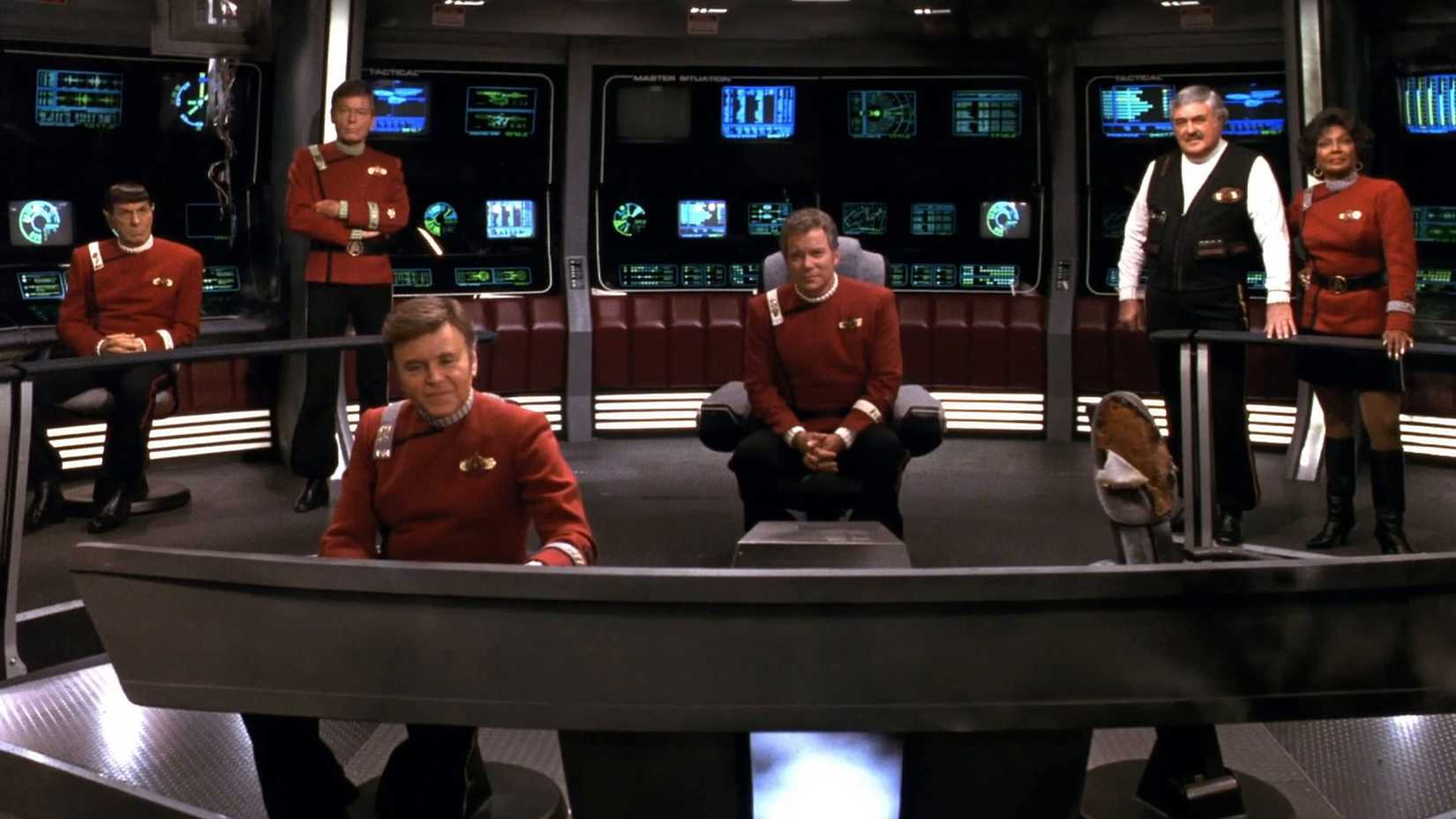
Despite being labeled as slow and boring, Star Trek: The Motion Picture, created by Gene Roddenberry and directed by Robert Wise, actually did well in theaters. This first film launched Star Trek as a successful movie series, but it went significantly over budget, leading to Gene Roddenberry losing creative control over future Star Trek films.
The success of the Star Trek movies throughout the 1980s was largely due to three key people: producer Harve Bennett, writer-director Nicholas Meyer, and Leonard Nimoy, who not only played Spock but also proved himself as a talented director.
Leonard Nimoy, DeForest Kelley, and William Shatner, working together, made some of the best Star Trek movies ever. These included Star Trek II: The Wrath of Khan, Star Trek III: The Search for Spock, and Star Trek IV: The Voyage Home. The Voyage Home was the most successful Star Trek film at the box office for over two decades.
The disappointing performance of Star Trek V: The Final Frontier, directed by William Shatner, almost killed the Star Trek film series and led to Harve Bennett leaving the project. However, Star Trek VI: The Undiscovered Country, directed by Leonard Nimoy with a script by Nicholas Meyer, gave the original Star Trek cast a satisfying conclusion.
Rick Berman’s Star Trek Era – 1987 to 2005
In 1987, Star Trek: The Next Generation brought Gene Roddenberry back to oversee the direction of his iconic series on television. Though the first two seasons faced challenges, the show found its footing in season 3 with the arrival of Michael Piller. Piller’s emphasis on Captain Jean-Luc Picard (Patrick Stewart) and the crew of the USS Enterprise-D helped transform Star Trek: The Next Generation into a landmark science fiction program.
As a longtime fan, I remember when Gene Roddenberry passed away in 1991, and Rick Berman, who’d been with Star Trek: The Next Generation since the start, really stepped up to guide the franchise. He took the reins and, honestly, oversaw a huge expansion of Star Trek – not just on TV, but in movies too. It was a fascinating period, seeing the original crew age out and new stories begin under his leadership. He really broadened the scope of the universe.
With the success of Star Trek: The Next Generation leading to movies, and the launch of Star Trek: Deep Space Nine and Star Trek: Voyager (which became a key show for UPN), fans enjoyed hundreds of hours of new content and were introduced to many beloved new characters.
The actors from Star Trek: The Next Generation starred in several movies, keeping the Star Trek film series going from 1994’s Star Trek Generations to 2002’s Star Trek: Nemesis. Jonathan Frakes directed what many consider the best film in the series, Star Trek: First Contact, in 1996.
After many years of Star Trek shows, viewers started to lose interest – a phenomenon known as ‘franchise fatigue.’ By the time the prequel Star Trek: Enterprise debuted on UPN in 2001, audiences were less enthusiastic. Enterprise only lasted four seasons before being canceled in 2005, which was shorter than the seven seasons of Rick Berman’s other Star Trek series.
Many fans consider Rick Berman’s 18 years as executive producer to be Star Trek’s ‘golden age.’ This period, which lasted through the 1990s and early 2000s, is especially well-regarded, and some longtime viewers appreciated the contrast between it and later iterations of the show. Despite some controversies during his time, it remains the most popular era of Star Trek, continuing to attract new audiences even now.
J.J. Abrams’ Kelvin Timeline Star Trek Movie Era – 2009 to 2016
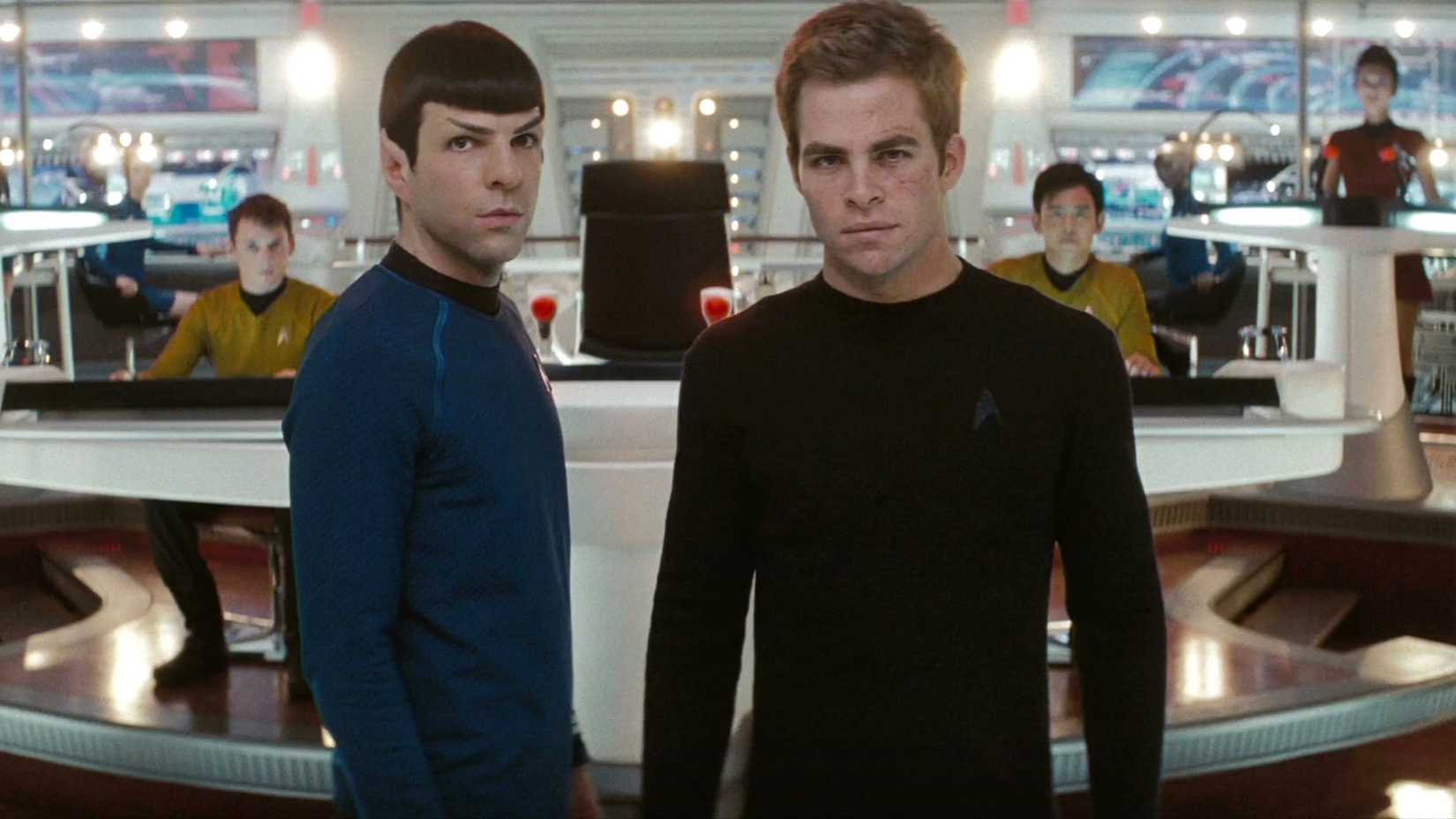
After Star Trek: Nemesis didn’t perform well in 2002, there weren’t any new Star Trek movies for seven years. Then, in 2009, J.J. Abrams revitalized the original Star Trek series with a new film. This movie gave the franchise a modern look and brought a fresh energy to the Starship Enterprise.
Back in 2006, a division within ViacomCBS created a split for the Star Trek franchise. Paramount Pictures took over the Star Trek films, while CBS Corporation handled the TV shows. This meant that when J.J. Abrams began working on a new Star Trek movie, the filmmakers couldn’t use characters established in the original television series because of rights issues.
The 2009 Star Trek film revitalized the franchise with a fresh start set in a new alternate reality, unofficially known as the Kelvin Timeline. Director J.J. Abrams replaced the original cast with younger actors – like Chris Pine as Captain Kirk and Zachary Quinto as Spock – successfully demonstrating that these iconic characters could be effectively portrayed by a new generation of performers.
J.J. Abrams initially created a thrilling and visually impressive set of three Star Trek movies. However, the second film, Star Trek Into Darkness (2013), didn’t maintain the same level of success. Star Trek Beyond, directed by Justin Lin in 2016, performed even less strongly. Due to creative and financial challenges, Paramount Pictures hasn’t been able to continue making Star Trek films with Abrams involved.
Between 2009 and 2016, the Star Trek movies directed by J.J. Abrams were the only new installments, and they successfully kept the franchise going, particularly in theaters. Although it’s been over ten years since a new Star Trek film was released, the recent return of Star Trek to television is ushering in a new chapter for the series.
Alex Kurtzman’s Star Trek On Paramount+ Era – 2017 to 2027
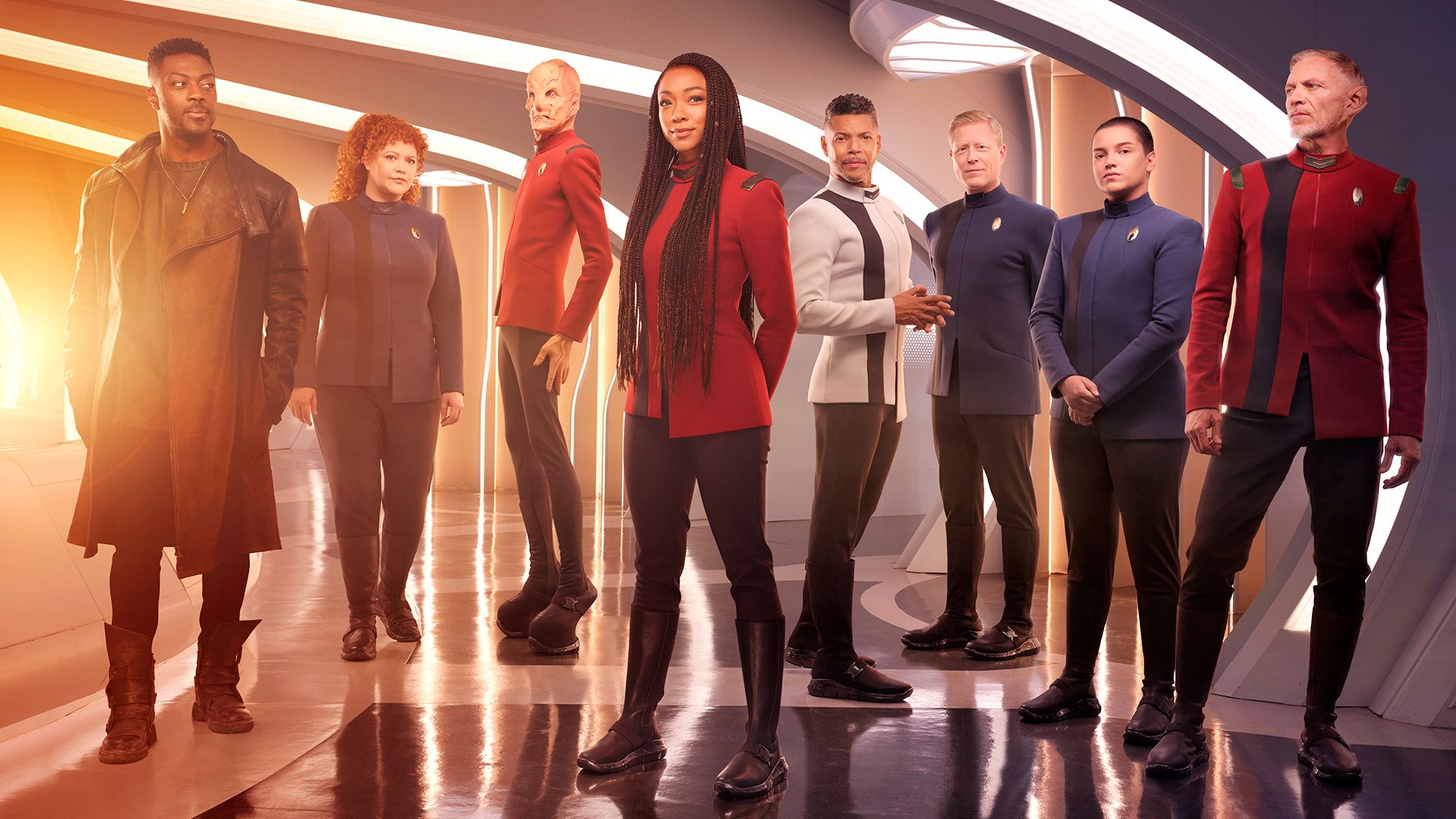
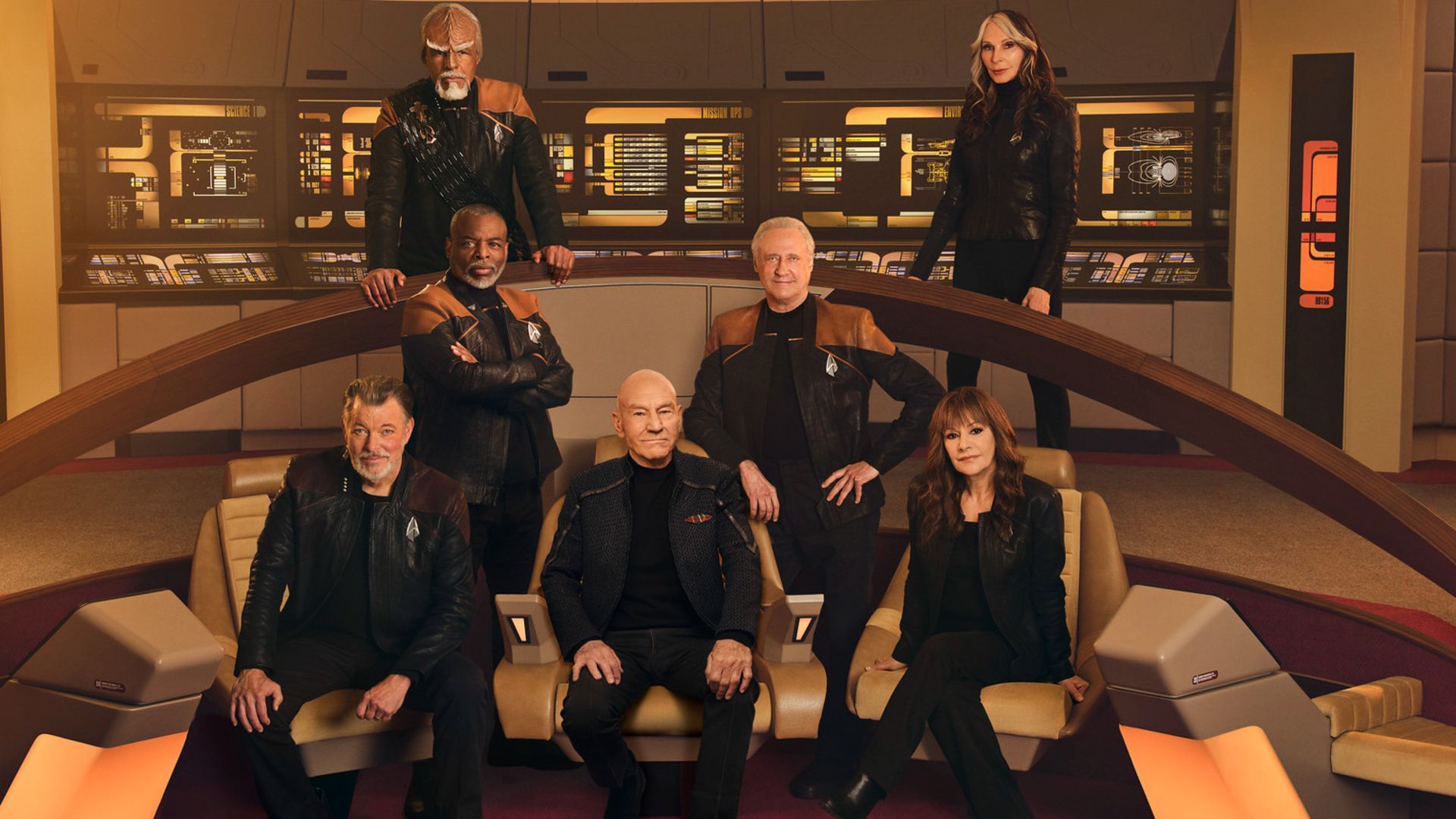
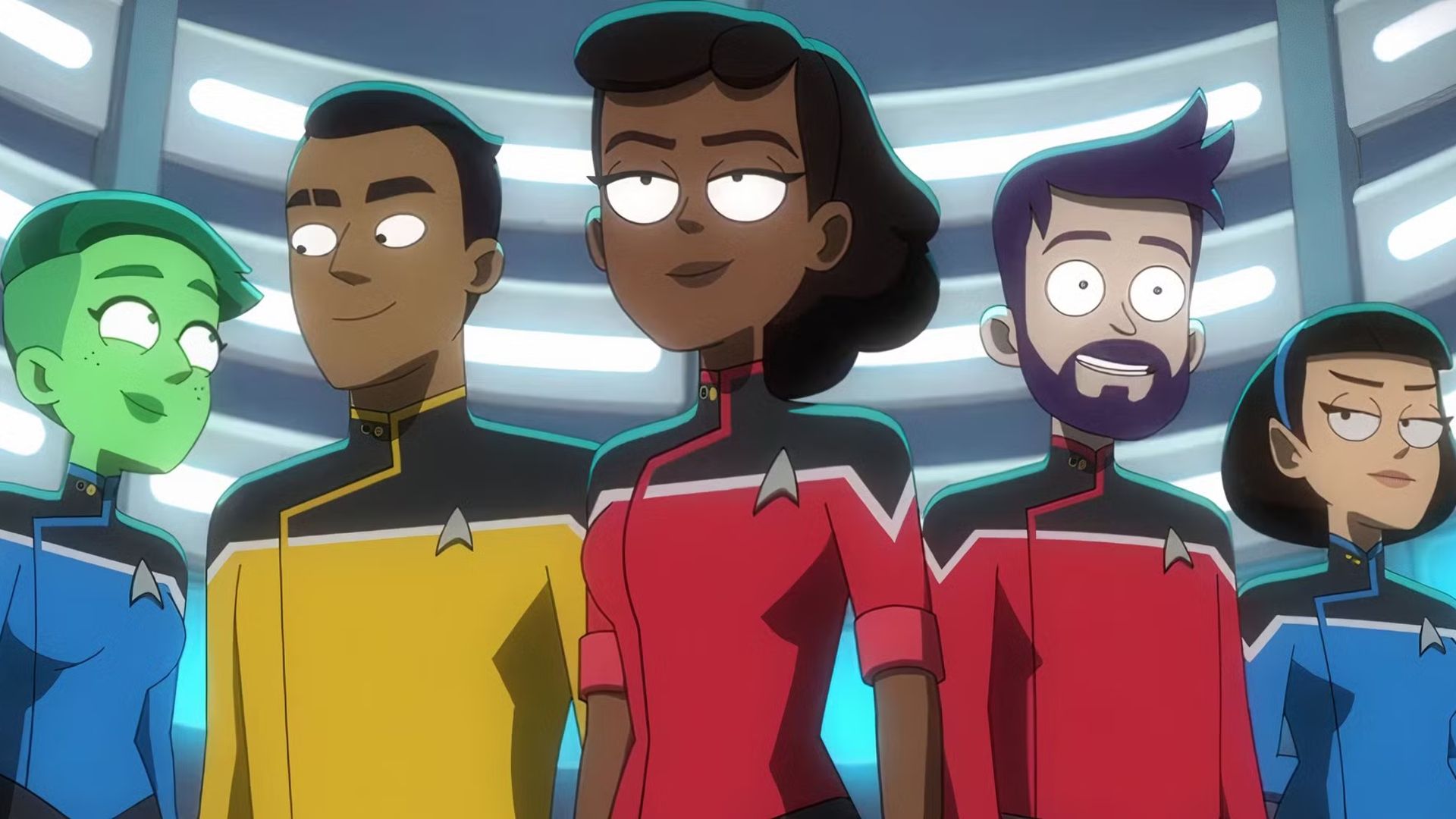
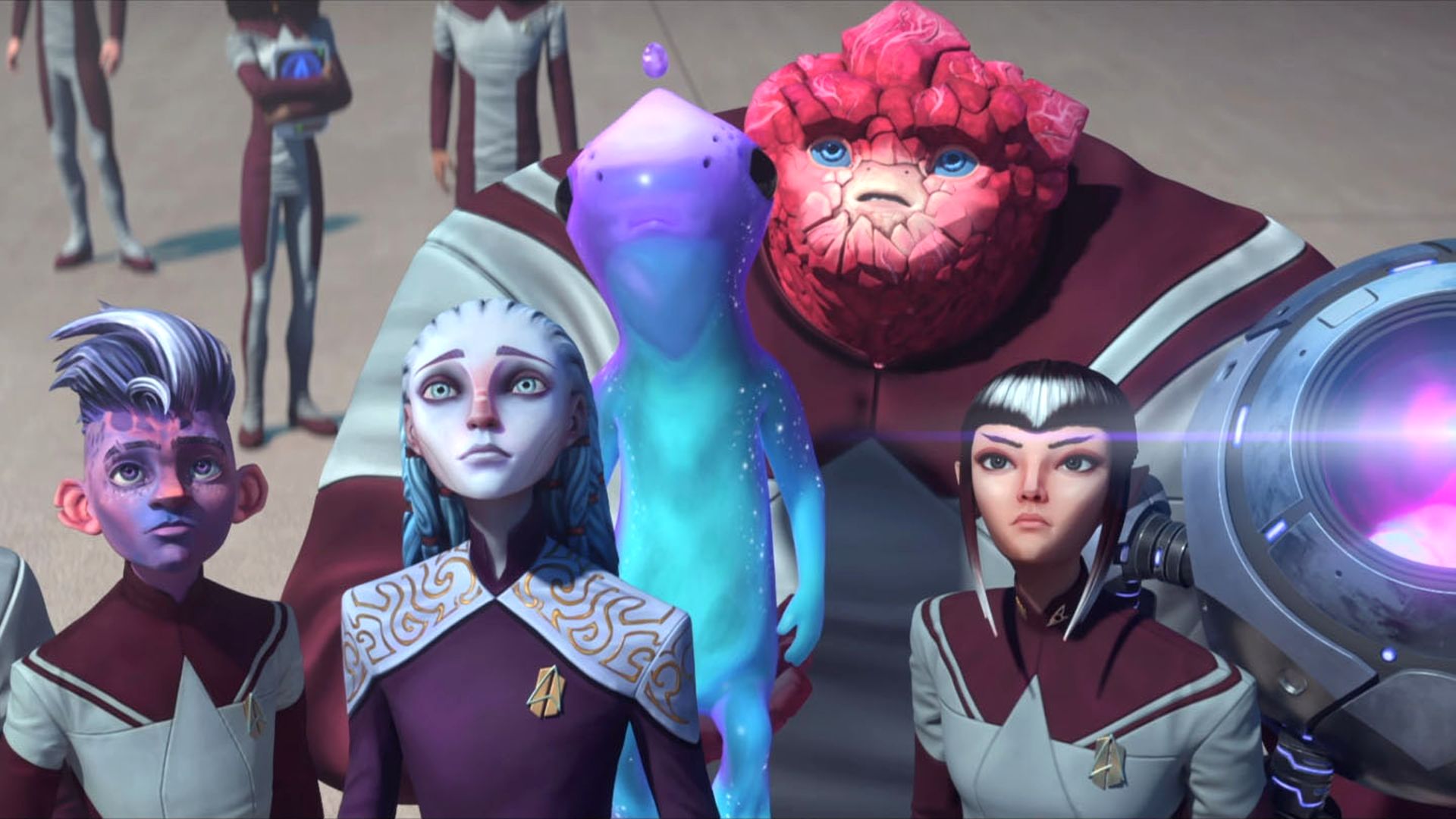
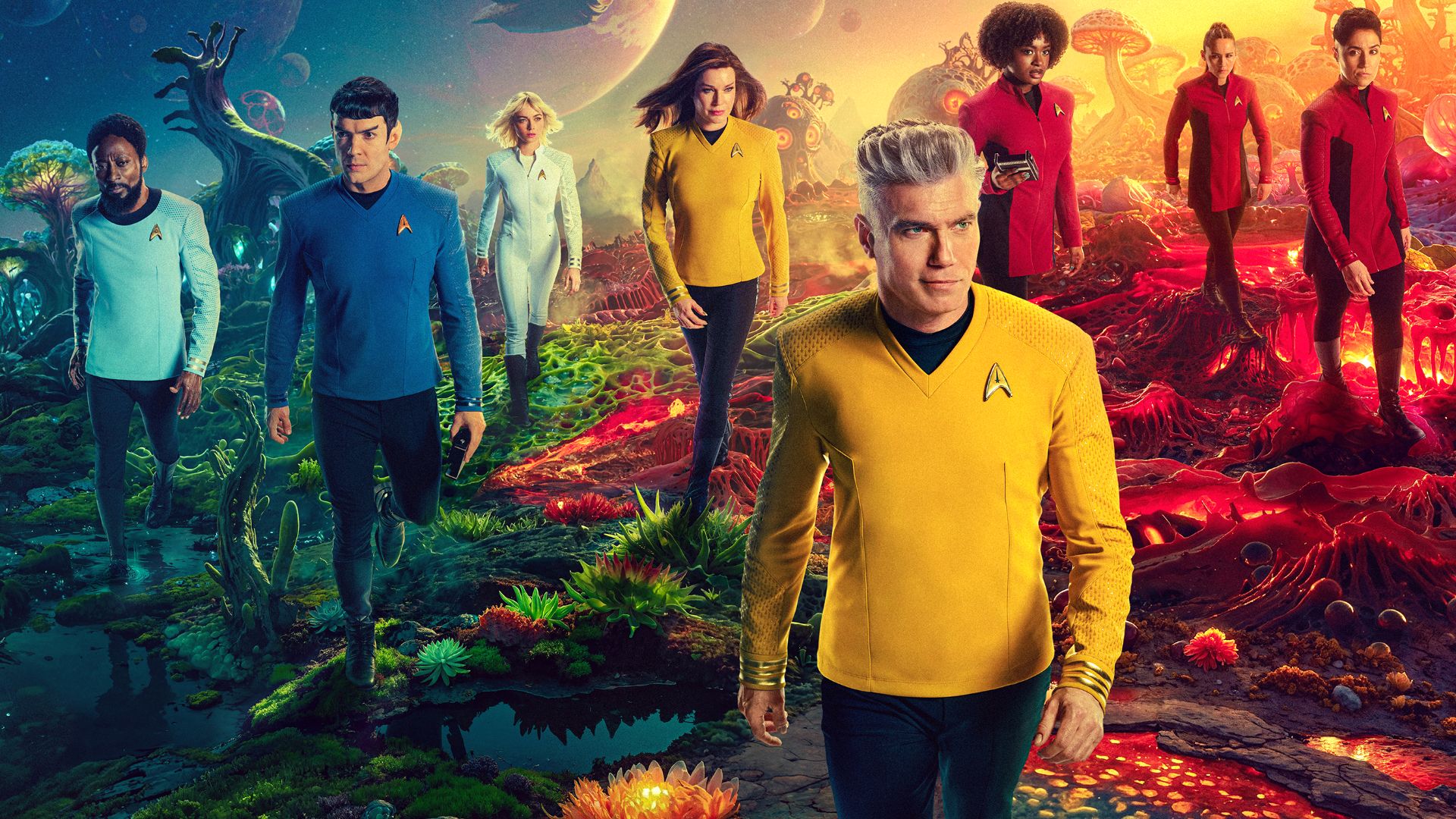
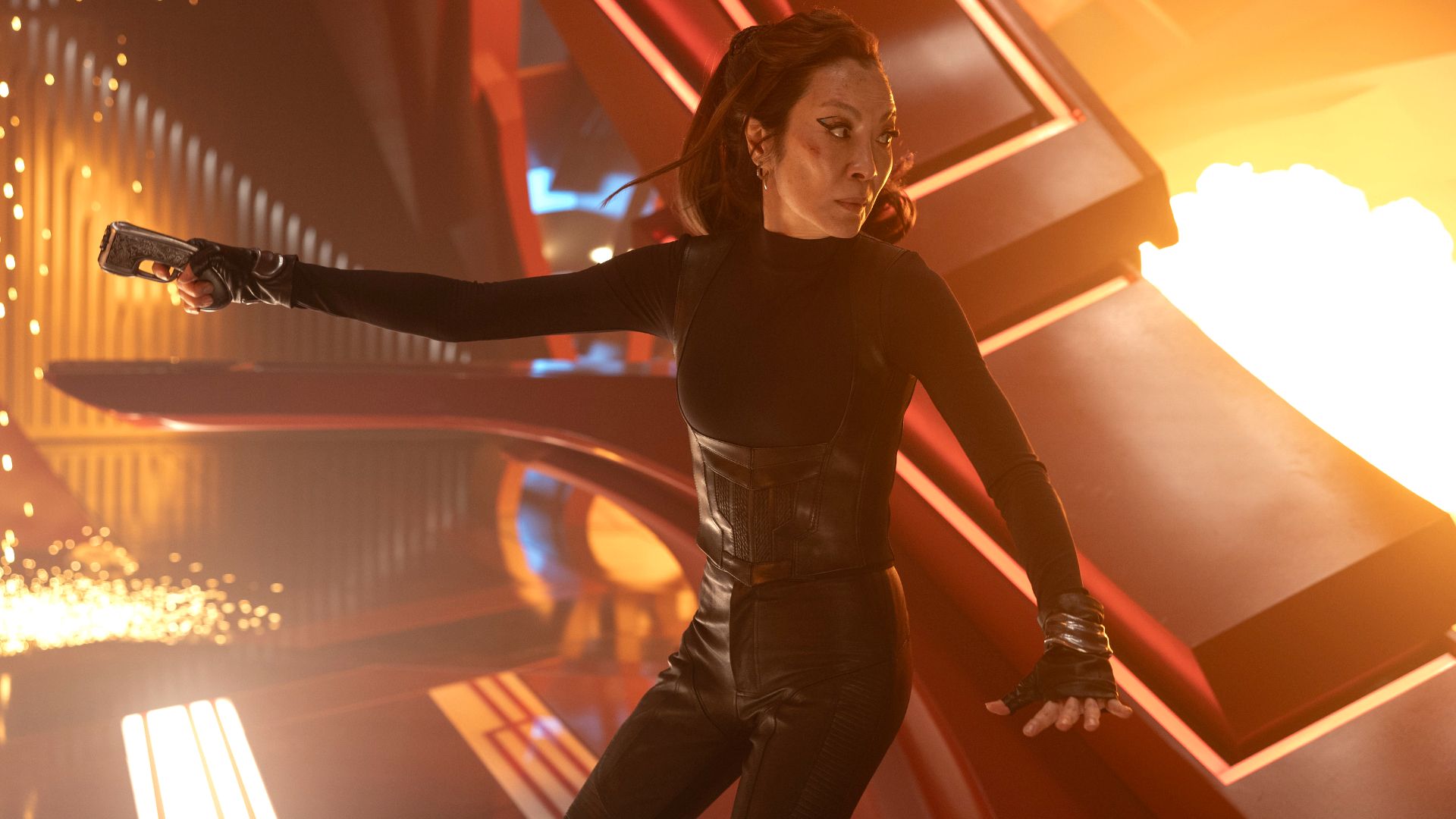

The current era of Star Trek, overseen by executive producer Alex Kurtzman and his production company Secret Hideout, is both the most inclusive and the most criticized in the franchise’s history. Kurtzman originally co-created Star Trek: Discovery with Bryan Fuller, but Fuller later left the show due to disagreements about its direction. Following this, Kurtzman secured a deal to develop additional Star Trek series for the Paramount+ streaming service.
The 2017 premiere of Star Trek: Discovery marked the return of new Star Trek television after a 12-year gap following the cancellation of Star Trek: Enterprise in 2005. Discovery introduced a more modern, visually-driven style and a continuous storyline, which wasn’t initially embraced by many longtime fans. Despite this, the show proved successful and paved the way for a revival of Star Trek on television.
Alex Kurtzman’s vision for Star Trek on Paramount+ involved a variety of approaches to appeal to a wide range of fans. Star Trek: Picard offered a continuing, character-driven story with strong ties to The Next Generation. Star Trek: Lower Decks broke new ground as a fast-paced, half-hour comedy. Star Trek: Prodigy was designed to attract a younger audience, while Star Trek: Strange New Worlds revived the classic, standalone adventure format of the original series, adding a vibrant and innovative feel.
From 2022 to 2023, Star Trek experienced a strong revival thanks to Alex Kurtzman. New episodes of five different Star Trek shows debuted almost every Thursday on Paramount+, and seasons three of Star Trek: Picard and two of Star Trek: Strange New Worlds were particularly well-received by fans.
The sale of Paramount Global to Skydance Media led to budget cuts, causing the swift cancellation of all the Star Trek series on Paramount+. By the time Kurtzman’s sixth Star Trek show, the young adult series Star Trek: Starfleet Academy, debuted in 2026, the new leadership at Paramount Skydance was responding to shifts in society and politics. Unfortunately, Starfleet Academy was soon canceled as well.
Alex Kurtzman’s involvement with the Star Trek franchise is likely to conclude in 2027. His contract with Paramount+ is expiring at the end of the year, and all of his Star Trek shows have been canceled. The last seasons of Star Trek: Starfleet Academy and Star Trek: Strange New Worlds are scheduled to debut on Paramount+ in 2027.
The next installment will be the seventh major chapter in the history of Star Trek, and it raises many questions about the future of this iconic series created by Gene Roddenberry.
Read More
- Gold Rate Forecast
- Total Football free codes and how to redeem them (March 2026)
- These Cartoon Reboots Totally Missed the Point of the Originals (& Went Downhill Fast)
- Zenless Zone Zero version 2.8 ‘New: Eridan Sunset’ update will release on May 6, 2026
- Netflix’s Best Stranger Things Replacement Officially Takes America By Storm
- Top 5 Best New Mobile Games to play in May 2026
- 6 Animated Movie Trilogies Where Every Entry Is Near-Perfect
- Maggie Smith’s sons “deeply touched” by huge honour to the late “national treasure”
- eFootball 2026 Big Time & Show Time Standout Guardians 25-26 Season’s Best pack: Review, Best Progression Builds, and Skills
- Clash Royale May 2026 Update to bring Collection Levels, Mastery rework, and progression overhaul
2026-04-21 20:32