
Linda Perry admitted to the sold-out crowd at the Roxy Theatre last December that she struggles with anxiety and perfectionism, and often finds it hard to relax and enjoy herself. She said she’s trying her best to overcome these challenges.
It came as a shock. Just moments before, the engaging lead singer of 4 Non Blondes had been upbeat and cheerful with her band, rehearsing both new songs and a couple of their classics, like their famous 1993 song “What’s Up?”
After over thirty years, the band is getting back together just as Linda Perry begins a new phase of her career. She’s releasing her first solo album since 1996, called “Let It Die Here,” which she produced herself, and a documentary film with the same name.
Perry is currently in the control room of her recording studio in Sherman Oaks, a unique space that combines rock and roll energy with a peaceful, zen atmosphere. The mixing console is decorated with personal touches – a Daruma doll, a small vintage car, and a miniature figure of Perry with her child, Rhodes. The studio itself is full of musical instruments, a Buddha statue, a Yoda doll, a skull, and glamorous platform boots displayed on top of a piano. Photos of music legends like David Bowie, Stevie Nicks, and Mick Jagger adorn the walls.
With her trademark wide-brimmed hat, layered gold necklaces, a Depeche Mode tee, faded jeans, and platform boots, Perry commands attention like a true rock star. After years of quietly writing and producing music for other artists and composing for film and TV, it feels natural that she’s returning to the forefront.

I’ve been thinking about Diane Warren, and it strikes me how much of a powerhouse she is. At 62, she’s hardly an unknown! Her career reads like a who’s who of music – she’s penned hits for everyone from Christina Aguilera and Dolly Parton to Pink, Ringo Starr, Alicia Keys, and Gwen Stefani. And the accolades? They’re incredible – Grammy and Golden Globe nominations, and a well-deserved induction into the Songwriters Hall of Fame back in 2015. It’s a truly impressive body of work.
Despite her success, Perry is still her own toughest judge. She admits that performing can be stressful because she’s a perfectionist who overanalyzes everything. As she explains about a recent show at the Roxy, she gets caught up in her own head, making it hard to simply enjoy herself while on stage.
“Music is just enjoyable,” she explained. “It’s a way to relax and lose myself in the process of creating it, which is a wonderful feeling.”
Perry often explores the idea of letting go, a theme central to her upcoming work. This theme comes from her song “Let It Die Here,” which she wrote while her mother was ill and as she thought about their complicated history together.
Kate Perry shared that people have a choice: they can release their painful past, or continue to be weighed down by things like trauma, shame, guilt, and anger. She hoped to finally let go of these burdens and move forward with her life.
Perry had written a few songs, but wasn’t thinking about making a complete album. Then, just weeks before her documentary debuted at the 2024 Tribeca Film Festival, she was invited to perform after the screening. She jokingly wondered what she would sing, and decided the best solution was to write an entire album – one dedicated to her mother.
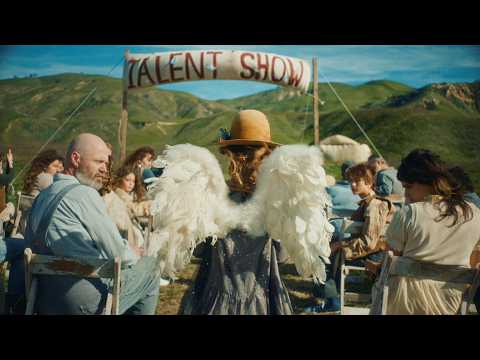 ×
× The album, featuring 17 tracks including music from the documentary soundtrack, feels like a complete rock opera, taking listeners on a captivating journey. Throughout the songs, Perry explores her complex relationship with her mother – both before and after her passing – and, in turn, gains a deeper understanding of herself. She showcases her vocal range and versatility, almost embodying different characters as she navigates a wide range of emotions.
A key moment happens about halfway through the album. Following the song “The Suitcase,” where Perry describes feeling burdened by her mother’s belongings – both guilty about discarding them and strangely comforted by keeping them – she ultimately decides to clear everything out. This creates room for her to focus on her own life, which is reflected in the next track, a new version of “Beautiful.”
By the time Perry gets to “Albatross,” the last song, everything feels stripped down and raw. It’s just vocals, guitar, bass, piano, and drums – like he’s finally shedding years of baggage. The song ends with this incredibly powerful, single chord that just feels like freedom. It’s a really cathartic moment, honestly.
It was perfect that Perry chose “Beautiful” as the first single from her new album. The song was actually written years earlier for a different artist’s unreleased album, and became a hit for Christina Aguilera. Perry hadn’t planned on recording it herself, but someone convinced her to give it another look. It ended up being the last song she finished for the album, and now it’s reintroducing her to fans.

This documentary takes a broader look at Perry’s life. It opens with her driving, a simple scene where the camera focuses on a boombox as she begins a thoughtful journey. This opening sets the stage for what follows: a look at a strong, independent woman who has achieved great musical success. Now, she’s reflecting on her life, struggling with feelings of both failure and triumph, and facing the painful experiences from her childhood that even success couldn’t erase.
Just like her album, the documentary about Perry happened unexpectedly. She initially thought director Don Hardy would only be capturing footage for social media, but it grew into a full-length film. It covers a lot of ground – from a difficult childhood and struggles with addiction and a suicide attempt, to her success with 4 Non Blondes, her career shift into producing, how she writes songs, her creative partnerships, and her battle with breast cancer.
The film also includes Perry’s 11-year-old son, Rhodes, who she shares with her ex-wife, Sara Gilbert—who also makes an appearance. Christina Aguilera, Dolly Parton, and Brandi Carlile are among the other featured artists.
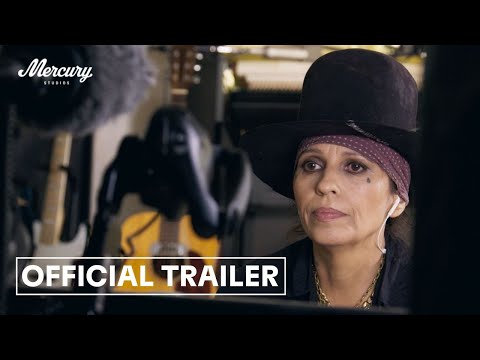 ×
× Rolling Stone called the documentary “the rawest, most revealing music film in years,” and it was so intense that the artist, Perry, couldn’t bring herself to watch it during its premiere at the Tribeca Film Festival. She says it was simply too overwhelming. She even worked on the music without listening to the visuals, keeping the sound off throughout the process.
In a powerfully emotional moment, Perry breaks down crying while dancing to Supertramp’s “Take the Long Way Home.” She struggles to speak through tears as she recalls a time when she danced freely as a child, before becoming more reserved as she got older.
She abruptly stops dancing, covering her eyes with her hands as she looks directly at the camera. She admits, “I lost myself,” then resumes dancing, pausing several times throughout the performance.
She’s falling apart, crying as she remembers a time when she was fearless as a child. She explains that back then, she didn’t really care if she lived or died and often acted impulsively, almost seeking danger, because she felt like she had nothing to lose. When the music stops, she says through her tears, “I’m a really bad dancer. But I used to not even mind.”

Perry described a particular scene as incredibly embarrassing, saying she appeared ‘crazy and emotional.’ She admitted she didn’t understand what caused her reaction, but believes the song somehow unexpectedly triggered a strong emotional response.
Perry filmed the incident on her phone, immediately sent the video to Hardy, and then deleted it, not even watching it first. She realized that if she’d paused to think about it, she probably wouldn’t have shared it. “It’s natural to not want something like that to be public,” she remembers. “But I knew it was important for Hardy to see it, especially since I was deleting it right away.” So, she decided to just send it without hesitation.
It was one step toward reclaiming her fearlessness, however complicated its origins.

As a child, Perry felt torn between difficult situations. Her father, a talented engineer, struggled with alcoholism and often made her feel unimportant. Eventually, she realized she couldn’t earn his approval and stopped trying.
Unlike her relationship with her father, Perry describes her connection with her mother as deeply impactful, even though it was often difficult. She explains that even negative attention from her mother felt better than being ignored, saying, “At least her disapproval made me feel secure and safe because she was connecting to me in some way.” It was a sense of being acknowledged, something she didn’t feel with her father.
But this newfound attention came with a painful experience. Perry remembers playing with the family dog as a child, enjoying its barks. However, her mother unexpectedly reacted with anger for reasons Perry still doesn’t grasp. As punishment, her mother told her, “You want to be a dog? Fine, be a dog,” and then made Perry go outside naked with a collar on, forcing her into the doghouse.

“My mom did stuff like that all the time,” Perry says.
The abuse wasn’t just emotional; Perry and her siblings were physically harmed – they were whipped, beaten, and even had objects thrown at them. They learned that remaining silent during these attacks sometimes stopped their mother, but she then resorted to different methods of control, like unexpectedly taking their car keys or abruptly kicking them out of the house.
Even with everything that happened, Perry speaks about her mother with surprising kindness. “I love my mom,” she says. “She had many good qualities, but she wasn’t a good mother. She could be harsh, but I don’t believe she intentionally tried to be cruel. She wasn’t a monster, just a strong Brazilian woman who had a difficult life of her own. She did the best she could with what she had, and unfortunately, that meant passing on some of her struggles. I don’t blame her for anything.”
Perry describes her mother as a strong, though imperfect, woman who had to support the family after her father lost his money. After her parents divorced, her mother, unwilling to take a typical job, found other ways to make ends meet. Perry admits her mother was a con artist, defrauding both the government and men, but insists it was all to provide for her children – ensuring they had food, clothing, and a home.
Eventually, Perry had the chance to reciprocate her mother’s care. She used her success to buy a house for her mother, provided ongoing financial support, and welcomed her into her own home during her final days.
The film powerfully portrays Perry’s complex relationship with her mother, especially in the final scenes. She gathers musicians to fully realize the song “What Lies With You,” which she wrote after her mother passed away. Perry recalls being with her mother in hospice, holding her, expressing her love, and comforting her – a deeply intimate connection they hadn’t shared before.
In the months before her mother passed away, Perry felt she finally experienced the kind of parent she’d always longed for. Her mother died peacefully, and Perry recalls seeing what she describes as a bright flash in her eyes. This moment inspired the lyrics, “I saw heaven falling from her eyes, like a long last look before you say goodbye,” which she sings in the song’s chorus.
Perry was visibly moved after singing the song. With the lyrics she’d written by hand in front of her, she lowered her head and sighed, tears streaming down her face. She explained that the song had taken an unexpected turn; she’d anticipated writing something filled with anger, but instead found herself expressing sadness, pain, and a deep love for her mother.
She says that scene is one of her favorites in the documentary because the emotions it evokes feel genuine and powerful.

Like an alchemist turning pain into music, Perry often views her difficult experiences as “gifts,” though she admits they can be incredibly challenging.
This outlook carried her through even after a breast reduction she’d long wanted, when tests on the removed tissue revealed an aggressive cancer. Perry decided to have a double mastectomy. She says it was an easy decision, explaining, “I was already part of the way there with the surgery.”
She believes her illness stems from long-term stress from working in the music industry, combined with a lack of sleep and a tendency to overwork. Without a diagnosis, she thinks she would have ignored her symptoms, assuming they were just due to her mother’s failing health, and would have continued pushing herself until the situation became critical.
Since then, Perry has reduced her work hours, and other opportunities came along naturally. After her mother passed away, she felt a sense of inner peace. “I’m more relaxed now,” she explains. “It’s as if a constant source of stress has disappeared, and I feel like I have a better handle on my feelings.”
Perry still pushes herself incredibly hard, and she believes this is essential for her creativity. She’s afraid that if she became too comfortable, she’d lose her drive. As she puts it, ‘Who wants to be comfortable? It’s my responsibility to always strive for improvement.’
When asked who she is now, separate from the difficult experiences of her past – a question she explores in a song on her new album – Perry admits she’s still in the process of understanding herself. She says it’s all very recent, and the emotions are still very strong.
Perry is also feeling uncertain about how the album will be received. While she hopes it’s a success and receives positive reviews, she’s working on accepting whatever happens. She explains that even if it doesn’t get the reaction she’s hoping for, it won’t diminish the work she’s done. Ultimately, she needs to be proud of the album and confident in what she’s created – and she is.
Read More
- Top 5 Best New Mobile Games to play in May 2026
- Gold Rate Forecast
- FC Mobile 26 TOTS (Team of the Season) event Guide and Tips
- eFootball 2026 Starter Set Show Time Gabriel Martinelli pack: Review, Best Progression Builds, and Skills
- Zenless Zone Zero version 2.8 ‘New: Eridan Sunset’ update will release on May 6, 2026
- The Boys: Every Marvel & DC Character Parodied In Amazon’s Series
- Clash of Clans May 2026: List of Weekly Events, Challenges, and Rewards
- These Cartoon Reboots Totally Missed the Point of the Originals (& Went Downhill Fast)
- Goddess of Victory: NIKKE “B-SIDE IDOL” update brings SSR Mint, rerun banners, new costumes, and more
- STARBUCKS STAND by BEAMS Channels Kenyan Coffee Heritage Into Its Latest Spring/Summer Wardrobe
2026-05-07 13:32