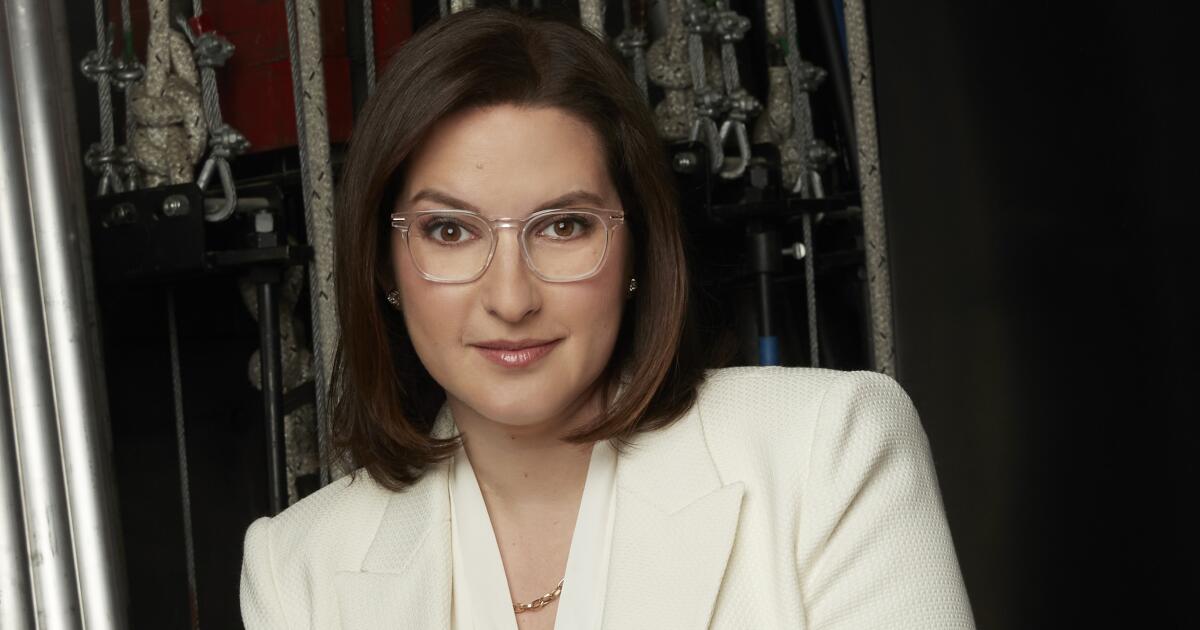
A year ago, Rebecca Kutler became president of MSNBC, the cable news network.
Becoming the leader of a large news organization is the ultimate goal for many journalists. However, things shifted significantly once Kutler took on the role.
This August, MSNBC revealed it was changing its name to MS NOW. Its parent company, NBCUniversal, wanted to separate the channel as it became part of a new media group called Versant.
Comcast, the parent company of NBCU, started the spin-off because its cable networks were struggling and negatively impacting the company’s stock value. This move wasn’t seen as optimistic for the business, and removing the well-known brand name—which had built up a strong reputation with politically progressive viewers over decades—wasn’t likely to improve things.
I was really struck by something Amy Kutler said over lunch recently. She admitted things weren’t perfect, but after over two decades in TV news – starting as a production assistant at CNN – she truly gets that viewers connect with the faces on the channel, not just the network itself. It’s the people they watch that matter most, and she really understands that.
Kutler believed the audience wouldn’t be surprised by the change, explaining that people are used to seeing commentators like Rachel Maddow, Jen Psaki, and Joe Scarborough on TV. He argued that a minor adjustment – just a couple of letters – wouldn’t affect their viewing habits.
Despite the progress, there was still work ahead. Now that Kutler no longer had the support of NBC News, she decided to build MS NOW’s own newsrooms in Washington and New York instead of continuing to pay $60 million a year for NBC’s news coverage. MS NOW’s capabilities were put to the test on Tuesday when they covered President Trump’s State of the Union address – the first major event they handled independently.
Although Kutler faced several professional difficulties, the most challenging arose in October with her breast cancer diagnosis. During chemotherapy treatments, which she received every few weeks, she often watched the newly renamed MS NOW on TV from her hospital room.
“If anything it just made me appreciate and love what I do even more,” Kutler said.
Despite her ongoing recovery, Kutler is encouraged by data showing strong support for MS NOW. Nielsen reports that, from November 18th to February 14th, the average daily audience increased to 613,000 – a 25% rise compared to the same time last year. Prime-time viewership on weeknights jumped 27% to 1.2 million, putting MS NOW ahead of CNN, though still behind Fox News.
After President Trump was elected in 2024, many viewers initially stopped watching MSNBC, a common pattern following presidential elections. However, concerns about what the Trump administration would do in its second term brought those viewers back to the network, seeking commentary from hosts like Rachel Maddow, Lawrence O’Donnell, and Ari Melber.
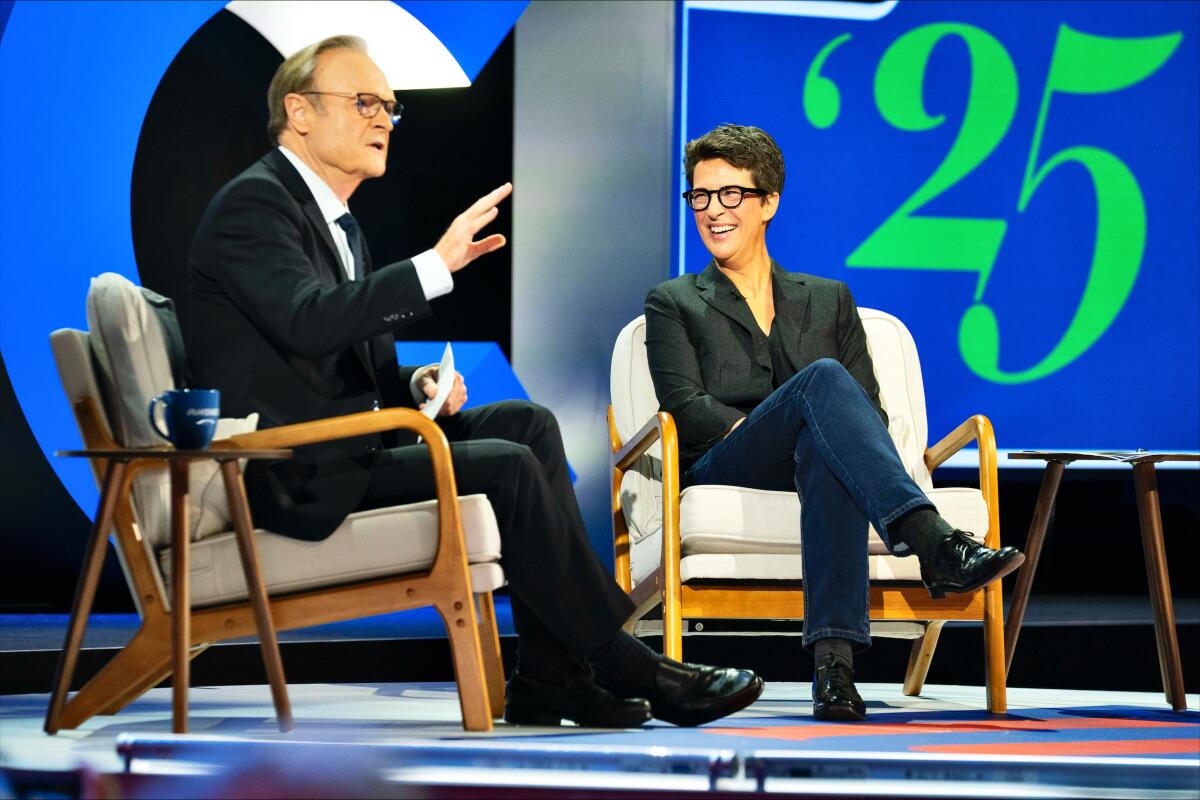
When the network announced it would be called MS NOW in October, internal research revealed that 31% of viewers didn’t like the new name. However, just two months later, only 17% felt that way. At the same time, the number of viewers who liked the name increased from 30% to 44%, suggesting the change was becoming more popular.
A $20 million marketing effort highlighting the network’s on-air talent proved successful. According to Versant CEO Mark Lazarus, they emphasized to viewers that the network was simply rebranding, not altering its programming or overall approach.
Changes to the programming lineup that Kutler made before the switch proved successful. Replacing Joy Reid as the evening host with a team – Simone Sanders-Townsend, Michael Steele, and Alicia Menendez – on a show called “The Weeknight” led to a 30% increase in viewership in January compared to the previous year.
Kutler shifted Jen Psaki, who previously served as President Biden’s press secretary, to a 9 p.m. Eastern time slot from Tuesday to Friday, resulting in a 41% increase in viewers.
At CNN, Kutler was a highly respected producer and was known for helping talent grow. She was considered a rising star with a promising future at the network, but in 2022, she moved to MSNBC as an executive vice president. Those who work with her have praised her ability to make quick, effective decisions.
Bradley Singer, a partner at William Morris Endeavor who works with clients like Sanders-Townsend and Eugene Daniels from “The Weekend,” praised their performance, noting they’ve done exceptionally well despite difficult circumstances. He believes Rebecca is the ideal leader right now because she’s proactive and willing to experiment, which is crucial given the urgent need for progress in the business.

Jen Psaki says Rebecca Kutler was instrumental in helping her move into television news. Psaki explained that she wasn’t hired for her on-camera experience, but rather for her broader skillset. Kutler specifically helped her learn how to ask effective questions while also bringing her own insights from a career in government and politics.
MSNBC faced a challenge when Steve Kornacki, a key political analyst, decided to stay with NBC after the network’s restructuring. To fill the gap, MSNBC president Rashida Jones tapped Ali Velshi, a seasoned and adaptable correspondent, to handle election night analysis and other major events requiring data expertise.
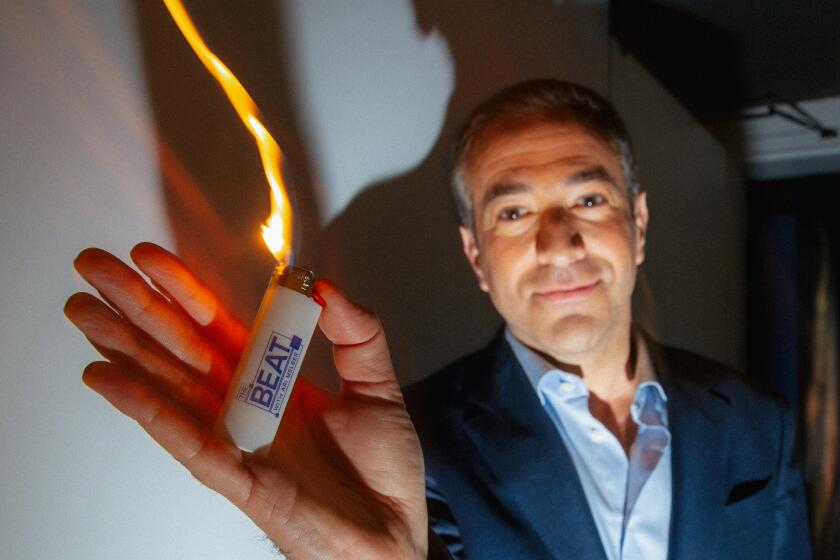
Hollywood Inc.
Viewership is up for the cable news channel, and a legal analyst known for referencing rap lyrics is gaining popularity as Donald Trump faces unprecedented charges.
Kutler acknowledges that despite recent gains in viewership, the cable TV industry faces serious long-term challenges with the rise of streaming services. Although many current cable subscribers enjoy MS NOW – its audience has actually grown over the past two decades – Versant needs to reduce its reliance on traditional TV, as the number of cable subscribers continues to decline annually.
Investors will soon get their first financial update from Versant next week, with the company projecting $6.6 billion in revenue for the past year. Despite losing revenue due to fewer cable subscribers, Versant – which owns channels like USA Network, Sci-Fi, CNBC, Golf Channel, E!, and Oxygen – reports it remains highly profitable, with profit margins in the double digits.

This fall, MS NOW will begin offering a streaming service directly to consumers who don’t have cable or satellite TV. CNN launched a similar service last year, and Fox News is available through Fox One, a package that also includes the main Fox network and its sports channels.
Kutler explained that MS NOW’s streaming service will be one piece of a larger online platform designed to connect and support progressive individuals. She refers to subscriptions as “memberships,” emphasizing a sense of community.
We’re creating a product for people passionate about news, committed to democracy, and eager to connect with others in a common online environment, she explained.
MSNBC is already a popular destination on YouTube. Last January, their content was viewed 339 million times, making them the second most-watched TV news source on the platform, behind only Fox News with 466 million views.

As a podcast fan, I’ve been really impressed with what MSNBC has been doing. They hit a huge milestone last year with 130 million downloads! Their in-depth interview show, “The Best People with Nicolle Wallace,” is consistently at the top of the charts on Apple Podcasts, and they just launched a brand new one called “Clock It” with Ari Melber, so I’m excited to check that out too.
Kutler is also exploring partnerships with external podcast companies for content. Just last week, MS NOW revealed a collaboration with Crooked Media to create a weekly show featuring podcasts like “Pod Save America,” which will be broadcast on Saturdays at 9 p.m. Eastern time.
She explained that if people in our audience want to see something, we need to make it available to them.
The recent changes at MS NOW demonstrate a commitment to business growth, something that wasn’t prioritized when it was part of NBCU, which was largely focused on developing its Peacock streaming service. According to Lazarus, separating from NBCU was intentional, freeing MS NOW to pursue these growth initiatives and build a thriving company.
Kutler was even in discussions with Anderson Cooper, a top-earning news anchor, about potentially joining MS NOW before Cooper ultimately decided to stay with CNN.
Last Friday marked the end of Kutler’s chemotherapy treatment, and her doctors are optimistic about her recovery. She credits her mother, a lawyer from the Philadelphia area who raised her alone and overcame cancer herself in her sixties, as a major source of strength.
Growing up, my mom always seemed to handle everything with grace, even when things were really tough for me. Seeing her balance a demanding life with raising my siblings and me shaped my own values. It’s honestly the only way I know how to live – working hard and always putting family first. She made it look easy, even when I was struggling, and I’m incredibly grateful for that example.
Delivering the difficult news about her health to Lazarus was challenging for Kutler, especially so early in her role and with so much work still to do. However, she said she faced the conversation directly, and the new company has been incredibly supportive – far beyond her expectations.
“She’s a tremendous leader and an example of resilience and strength,” Lazarus said.
Read More
- Limbus Company 2026 Roadmap Revealed
- After THAT A Woman of Substance cliffhanger, here’s what will happen in a second season
- Gold Rate Forecast
- Wuthering Waves Hiyuki Build Guide: Why should you pull, pre-farm, best build, and more
- XO, Kitty season 3 soundtrack: The songs you may recognise from the Netflix show
- Guild of Monster Girls redeem codes and how to use them (April 2026)
- Total Football free codes and how to redeem them (March 2026)
- The Division Resurgence Specializations Guide: Best Specialization for Beginners
- All Mobile Games (Android and iOS) releasing in April 2026
- GearPaw Defenders redeem codes and how to use them (April 2026)
2026-02-25 14:32